

Buying a family hybrid SUV for less than €40,000 in 2026 no longer means giving up space. The segment has matured, and today there are five models that combine HEV mechanics without a plug, a boot above 500 litres and a reasonable entry price. We have deliberately left PHEVs out: if you are looking for that profile, we already covered the difference between a full hybrid SUV and a PHEV SUV in another analysis. Here the criteria are simple: real interior space, a generous boot and no cable.
What we look for in a family hybrid SUV under €40,000 in 2026
Not just any “hybrid” will do. We require standard HEV technology sold in Spain, a VDA-certified boot above 480 litres, rear seats with real space for child seats and a verifiable entry price below the limit. The ECO label also matters, as it determines access to low-emission zones in cities such as Madrid or Barcelona, and so does the warranty, which in a family car that will be used for eight or ten years is no minor detail.
The 5 family hybrid SUVs with the best space and boot
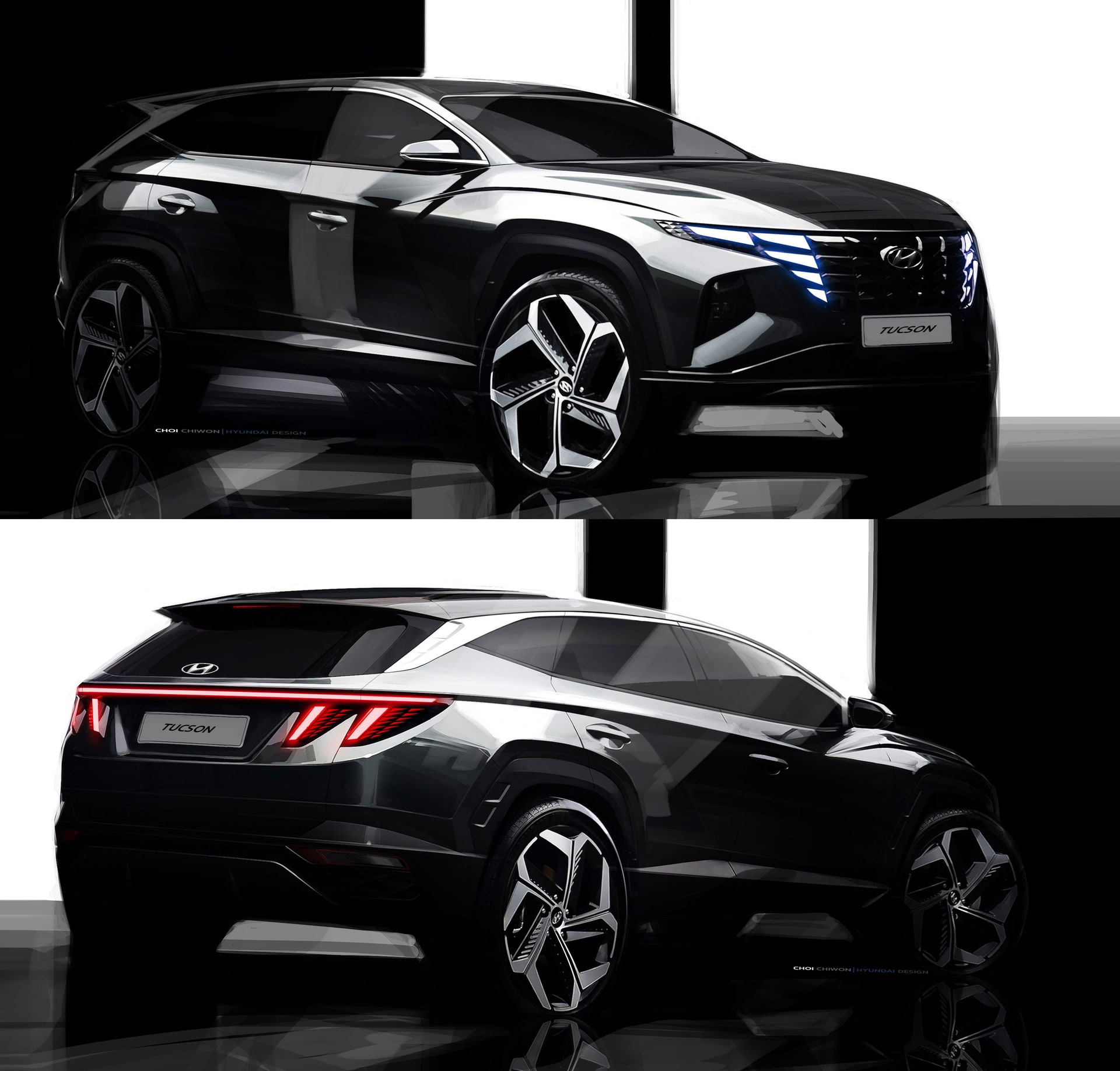
1. Hyundai Tucson Hybrid — from €34,900
The Tucson Hybrid wins this category for one very specific reason: 616 litres of boot, the highest figure of the five. Its platform, shared with the Kia Sportage but with a tuning geared more towards comfort, leaves a generous rear space even with two child seats installed. That said, the headlight design and centre console take time to get used to if you are coming from a more conventional SUV.
| Power (kW) | Power (CV) | WLTP consumption | Label | Fuel |
|---|---|---|---|---|
| 169 kW | 230 CV | 5.3 l/100 km | ECO | Hybrid |

2. Toyota RAV4 Hybrid — from €39,300
The RAV4 is the most expensive of the five and the one that comes closest to the €40,000 ceiling, but it makes up for it with the most proven mechanical reliability in the segment and a warranty that can be extended up to 10 years with servicing at the official network. The boot, 580 litres, falls short of the Tucson, but the rear cabin is the widest shoulder to shoulder, something you notice on long journeys with three passengers in the back.
| Power (kW) | Power (CV) | WLTP consumption | Label | Fuel |
|---|---|---|---|---|
| 160 kW | 218 CV | 5.0 l/100 km | ECO | Hybrid |
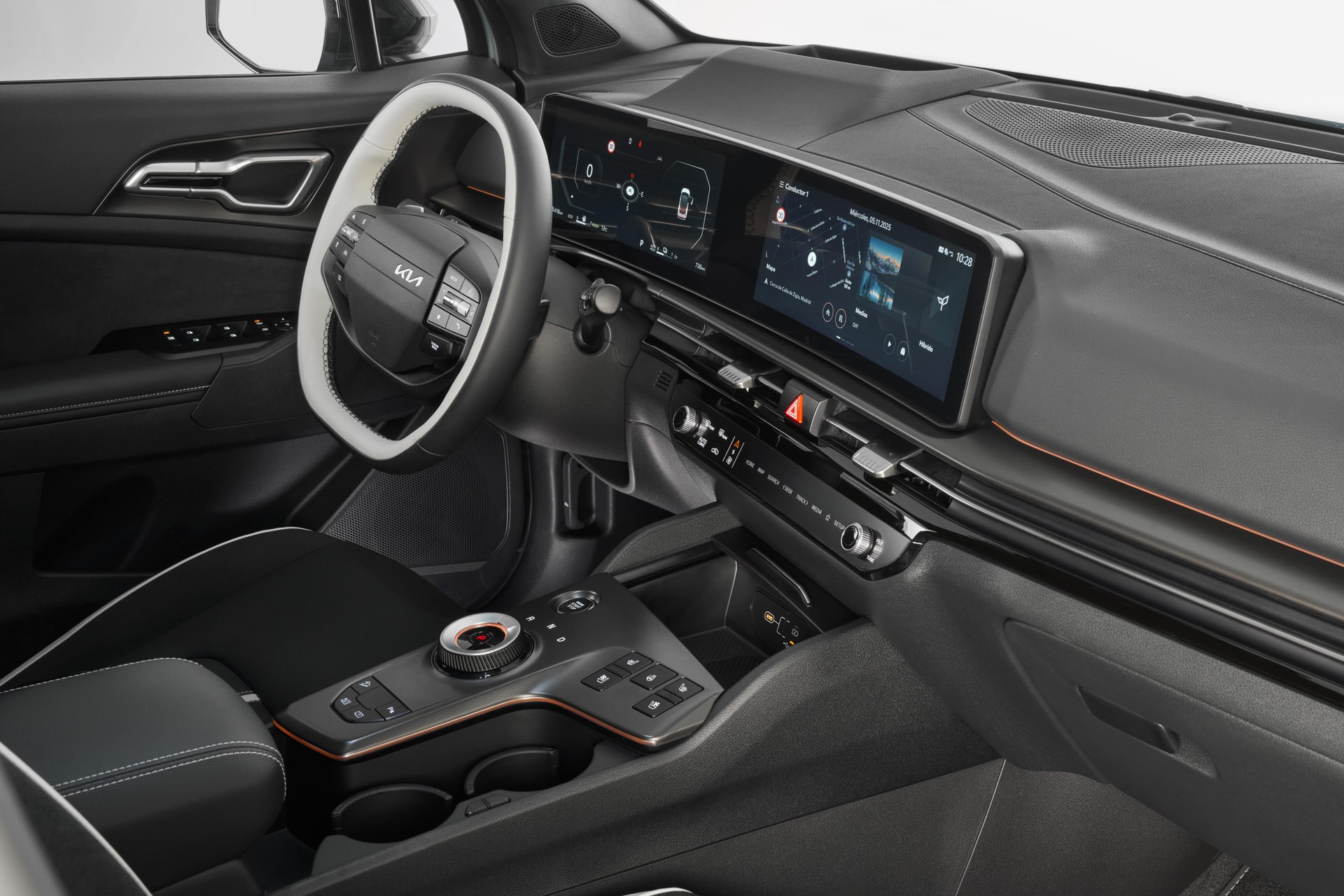
3. Kia Sportage Hybrid — from €33,700
It shares its mechanics with the Tucson, but the Sportage is sold for less and adds seven years of warranty, the longest on this list. Its boot, 591 litres, ranks second, just behind the Hyundai. If your priority is long-term peace of mind without overpaying, this is probably the option that offers the fewest surprises.
| Power (kW) | Power (CV) | WLTP consumption | Label | Fuel |
|---|---|---|---|---|
| 169 kW | 230 CV | 5.3 l/100 km | ECO | Hybrid |
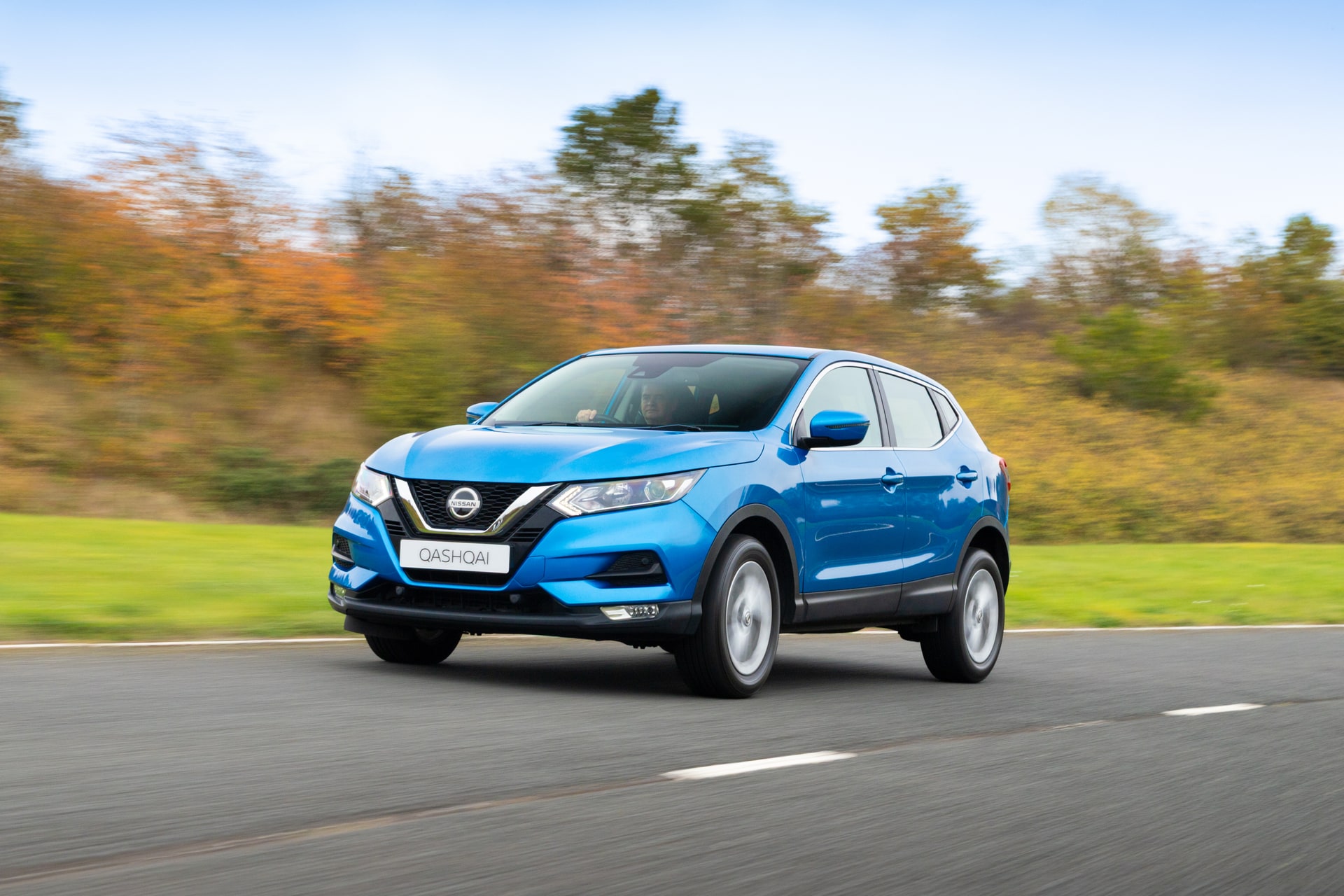
4. Nissan Qashqai e-Power — from €33,950
The e-Power is technically a series hybrid: the petrol engine only generates electricity and never drives the wheels directly. The result shows at the wheel, with an almost electric response that its rivals do not have. The boot, 504 litres, is the tightest in the group, and this is where it loses points to the Tucson or the Sportage if what you need is to carry a pushchair, suitcases and sports bags all at once.
| Power (kW) | Power (CV) | WLTP consumption | Label | Fuel |
|---|---|---|---|---|
| 140 kW | 190 CV | 5.3 l/100 km | ECO | Hybrid |
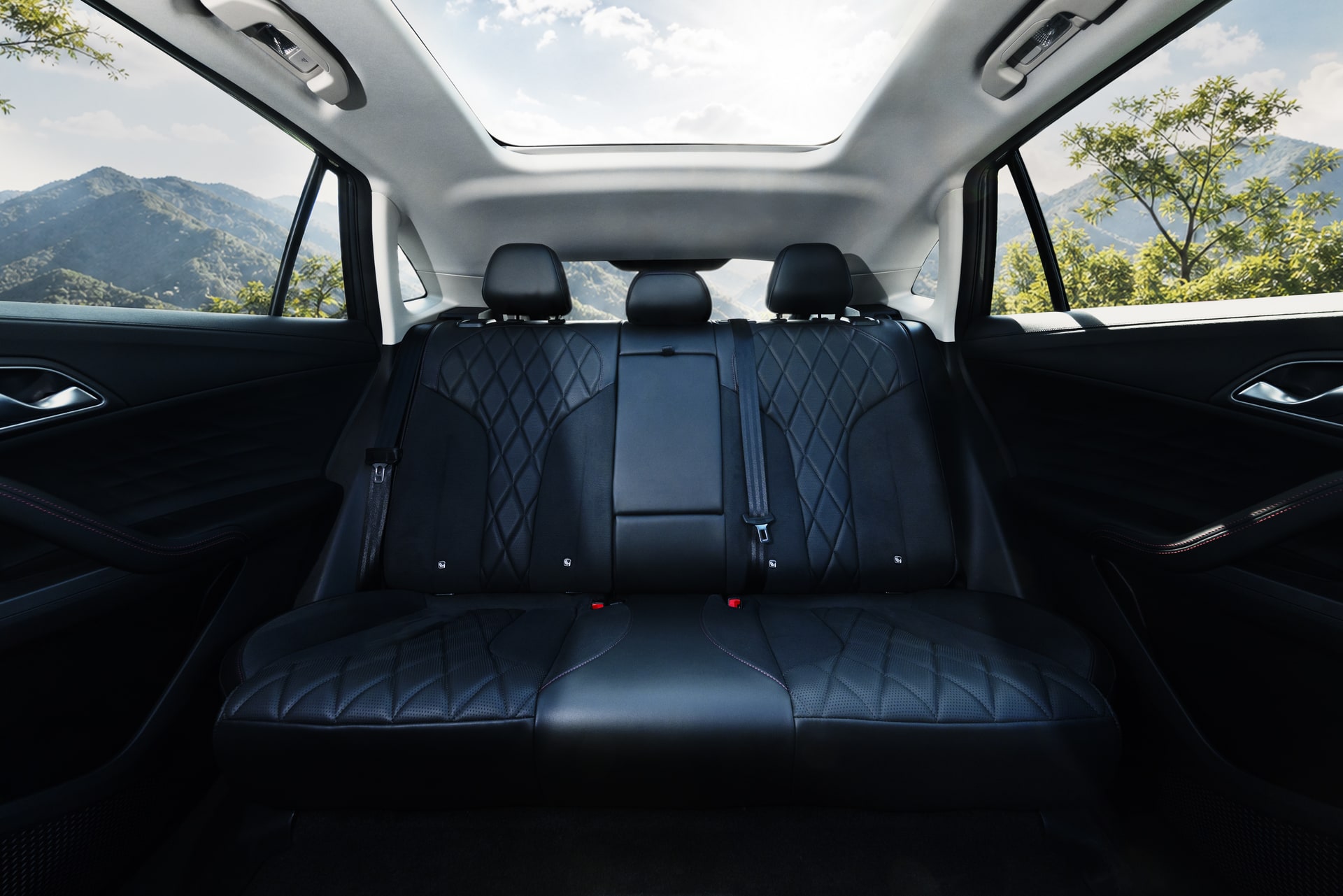
5. MG HS Hybrid+ — from €28,990
The cheapest by a wide margin, almost 20% below the RAV4. It offers a 507-litre boot, full standard equipment (360º camera, driver assistance systems, dual-zone climate control) and seven years of warranty. The small print: the interior finish feels a step below the first three, and the gearbox response when overtaking is less refined.
| Power (kW) | Power (CV) | WLTP consumption | Label | Fuel |
|---|---|---|---|---|
| 144 kW | 196 CV | 5.1 l/100 km | ECO | Hybrid |
Comparison table of the 5 family hybrid SUVs
| Model | Boot (VDA) | Price from | Warranty | Score |
|---|---|---|---|---|
| Hyundai Tucson Hybrid | 616 l | €34,900 | 5 years | 8.7 |
| Toyota RAV4 Hybrid | 580 l | €39,300 | Up to 10 years* | 8.5 |
| Kia Sportage Hybrid | 591 l | €33,700 | 7 years | 8.6 |
| Nissan Qashqai e-Power | 504 l | €33,950 | 5 years | 8.0 |
| MG HS Hybrid+ | 507 l | €28,990 | 7 years | 8.2 |
*Warranty extendable with servicing at the official Toyota network, a common manufacturer condition in Spain.
Boot and interior space: who really wins
If the boot is what matters most, the Tucson has no rival in this group: 616 litres, 112 more than the Qashqai. But interior space is not only about cargo volume. The RAV4 offers the widest width in the second row, which is appreciated when three children travel in approved child seats. The Sportage sits in a very competent middle ground and, in fact, it is the option we would recommend to anyone torn between boot space and budget.
Verdict: which hybrid SUV to choose for your case
Large family
The Hyundai Tucson Hybrid wins on boot space. If every week you load a pushchair, a sports bag and the big shop, those 616 litres make a real difference compared with the Qashqai’s 504.
Touring / motorway use
The Toyota RAV4 Hybrid takes this category thanks to proven reliability and the widest cabin for long journeys, although its price (€39,300) is 35% above the MG HS and should be kept in mind.
Urban use
The Nissan Qashqai e-Power convinces with its electric-like response in town, ideal for those making short trips with many stops, even though it sacrifices boot space.
Value for money
The MG HS Hybrid+ wins without question: €29,990, seven years of warranty and a 507-litre boot. If budget is the priority and you do not need the last degree of refinement, it is the most rational choice.
Frequently asked questions
What is the best family hybrid SUV under €40,000 in Spain in 2026?
It depends on use, but the Hyundai Tucson Hybrid leads on boot space and the Toyota RAV4 Hybrid on reliability and interior space. For a tight budget, the MG HS Hybrid+ offers the best value for money.
Which hybrid SUV has the largest boot under €40,000?
The Hyundai Tucson Hybrid, with 616 litres VDA, ahead of the Kia Sportage Hybrid (591 l) and the Toyota RAV4 Hybrid (580 l).
Are HEV hybrid SUVs better than PHEVs for family use?
If you do not have anywhere to charge at home, yes: the HEV does not depend on a plug and keeps consumption low without charge management. If you drive short trips and can plug in daily, the PHEV may be cheaper in fuel.
Are there public subsidies to buy these SUVs in 2026?
The Plan Auto+ provides aid for electrified vehicles, although you should check the current amount on the official website before closing the purchase, as it varies by autonomous community and vehicle type.
