

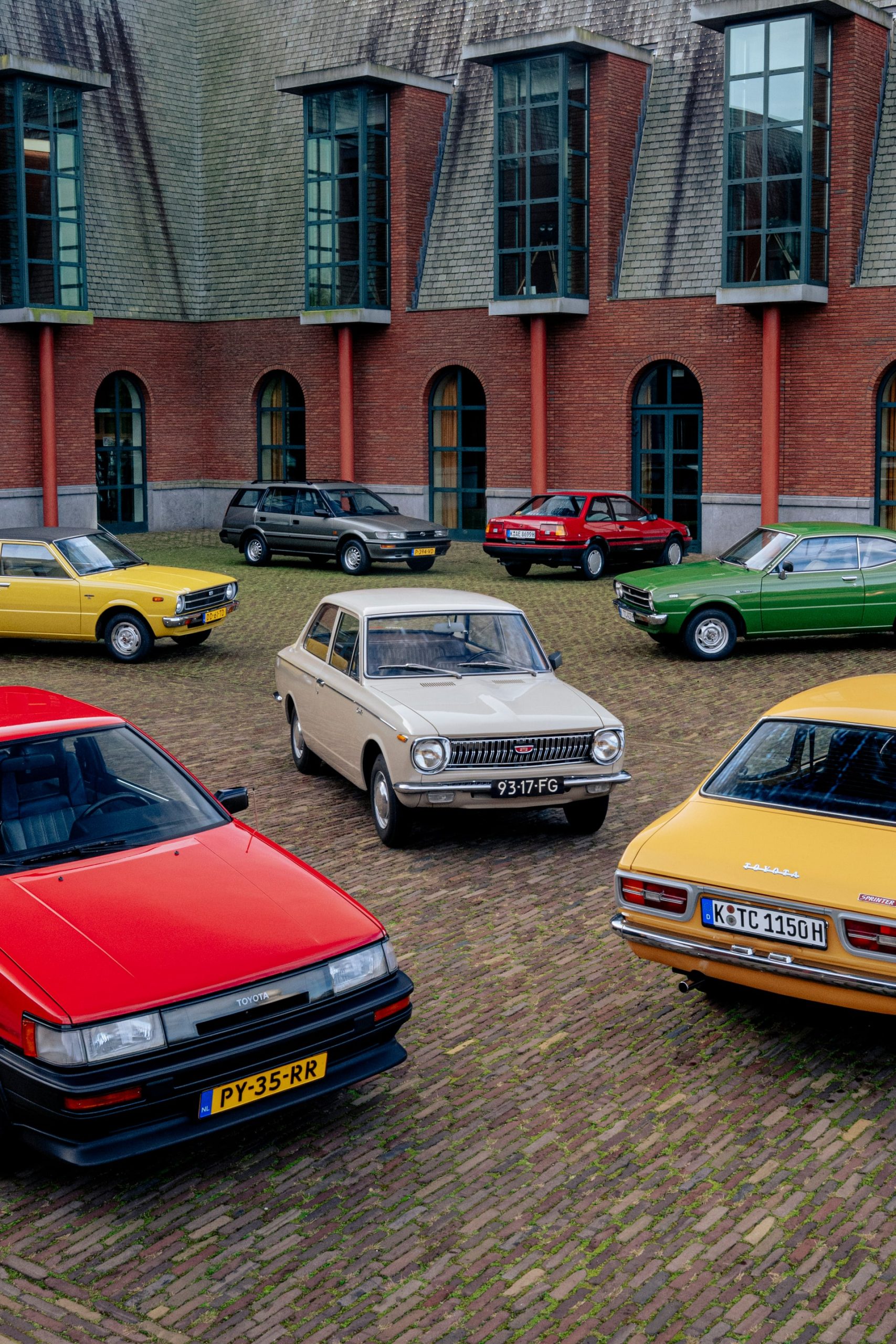
The WLTP fibs a little, or at least exaggerates. Anyone who has driven from Madrid to Valencia at 120 km/h with cruise control on knows that the consumption quoted on the spec sheet and the one shown on the trip computer when you reach the toll booth are not the same number. In full hybrids the difference is even more noticeable: they are optimised for city driving and flowing traffic, not for sustained motorway speeds without the braking that recharges the battery.
That is why this comparison focuses on a figure that almost nobody publishes rigorously: motorway consumption measured at real cruising speed for the five compact full-hybrid SUVs (HEV, no plug) sold in Spain today for less than €38,000. No PHEVs, no pure EVs: classic full hybrids, the kind that charge the battery by braking and with the combustion engine itself.
Why motorway consumption is the figure that really matters in a HEV
A full hybrid performs best the more it stops and starts. In the city, the battery recovers at every traffic light and the electric motor does a good part of the work. On the motorway, however, the system depends almost entirely on the petrol engine, because there is hardly any chance to regenerate energy. That is where the good hybrid systems separate from those that only look good in the brochure.
This is the reason Japanese and Korean HEVs dominate this category compared with some European offerings: they have spent over a decade refining the power split between combustion and electric motor at constant speed, while other manufacturers have come to this technology later and still rely on petrol engines that are less efficient at motorway revs.
1. Toyota Corolla Cross 140H – from €29,900
The Corolla Cross is the cheapest of the five and, surprisingly, also the most efficient on the motorway. Its fourth-generation hybrid system, inherited from the Prius, shares the load between the two motors with a smoothness that is especially noticeable at 120 km/h, where real consumption barely rises above 5.6 l/100 km. It is the only one in the comparison that comes in under €30,000.
| Power (kW) | Power (CV) | WLTP consumption | Real-world motorway consumption | Label | Fuel |
|---|---|---|---|---|---|
| 103 kW | 140 CV | 4.6 l/100 km | 5.6 l/100 km | ECO | Hybrid |
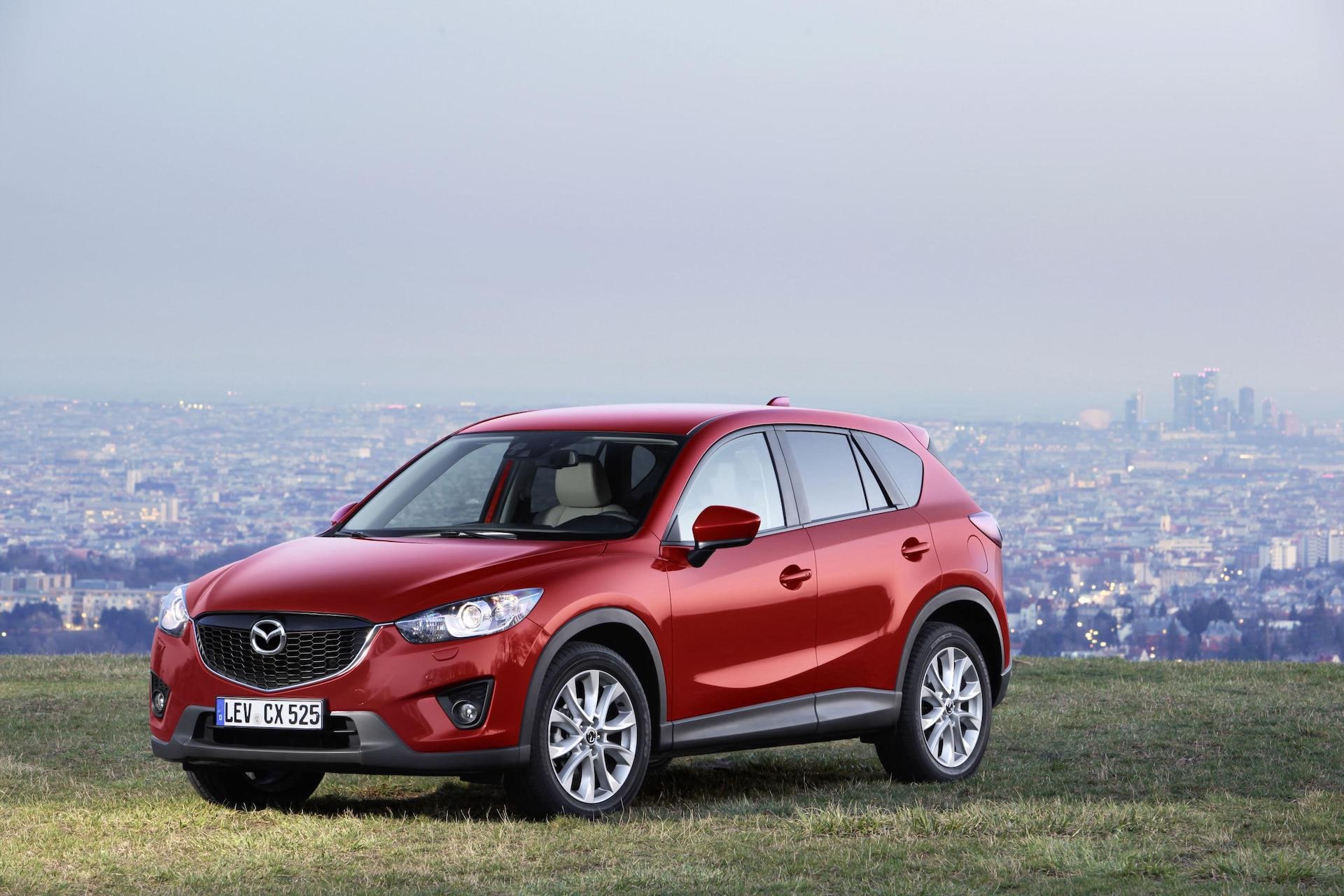
2. Mazda CX-5 e-Skyactiv Hybrid – from €34,900
The new generation of the Mazda CX-5 incorporates the Toyota-derived hybrid system, and it shows: it is the second best on the motorway of the whole group, with 5.8 l/100 km real-world. What it gains in efficiency it makes up for with an interior that remains, for many, the most refined in the segment, with materials that feel a step above its direct rivals.
| Power (kW) | Power (CV) | WLTP consumption | Real-world motorway consumption | Label | Fuel |
|---|---|---|---|---|---|
| 136 kW | 185 CV | 4.8 l/100 km | 5.8 l/100 km | ECO | Hybrid |
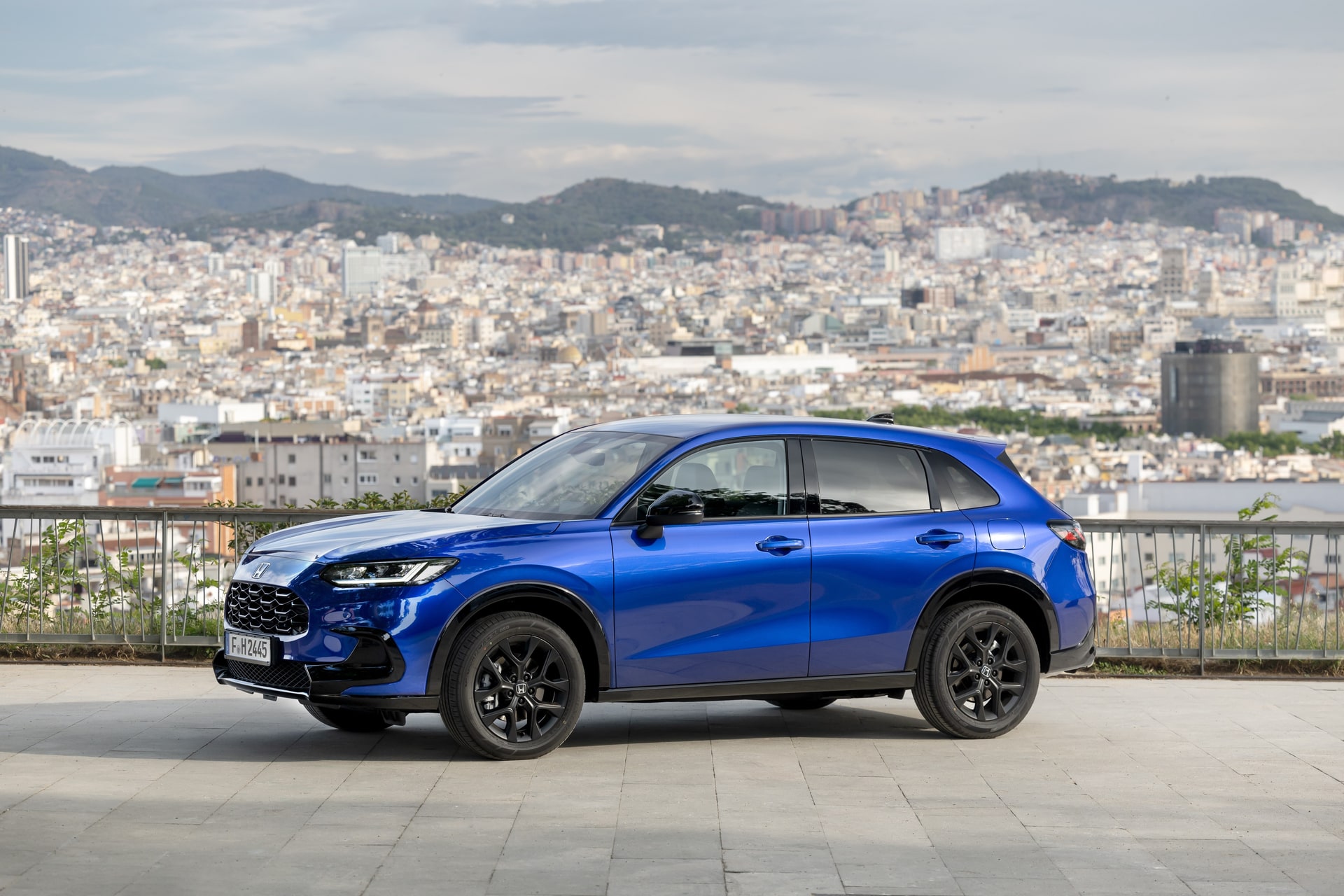
3. Honda ZR-V e:HEV – from €36,900
The ZR-V uses Honda’s e:HEV system, which in the city behaves almost like an electric car and on the motorway changes strategy: the petrol engine works more directly on the wheels above a certain speed. The result is 5.9 l/100 km real-world, a decent figure but well short of the 4.6 l/100 km promised by the WLTP. It is the most powerful of the five, and that is noticeable in overtaking acceleration.
| Power (kW) | Power (CV) | WLTP consumption | Real-world motorway consumption | Label | Fuel |
|---|---|---|---|---|---|
| 135 kW | 184 CV | 5.3 l/100 km | 5.9 l/100 km | ECO | Hybrid |
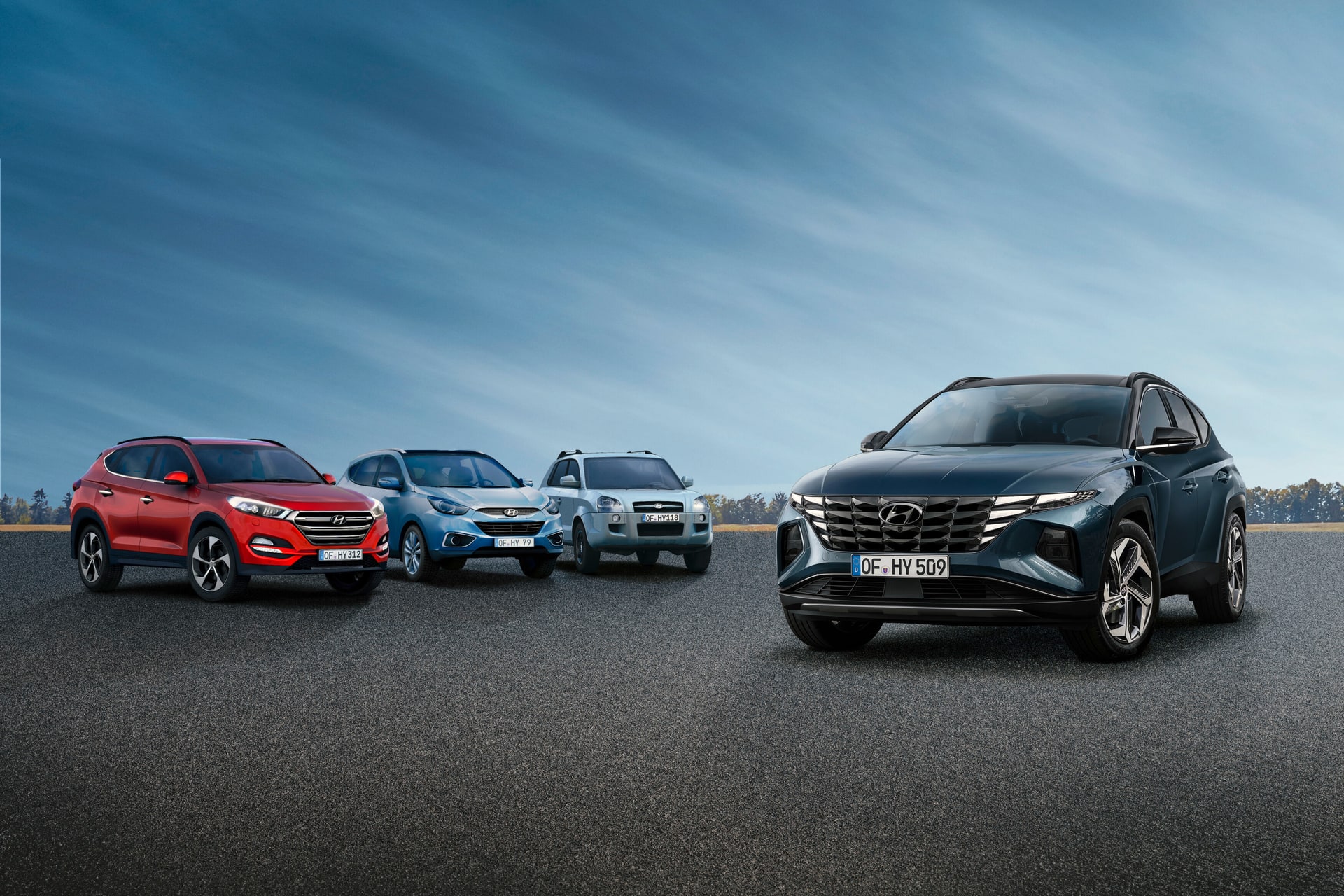
4. Hyundai Tucson Hybrid – from €33,700
The Tucson Hybrid combines a 1.6 turbo with a supporting electric motor, an architecture different from the Japanese ones and one that is somewhat thirstier on the motorway: 6.1 l/100 km real-world. On the other hand, it compensates with a 582-litre boot, one of the largest in the group, and standard equipment that includes driver assistance systems that are optional on the entry-level trims of the Corolla Cross.
| Power (kW) | Power (CV) | WLTP consumption | Real-world motorway consumption | Label | Fuel |
|---|---|---|---|---|---|
| 132 kW | 169 CV | 5.3 l/100 km | 6.1 l/100 km | ECO | Hybrid |
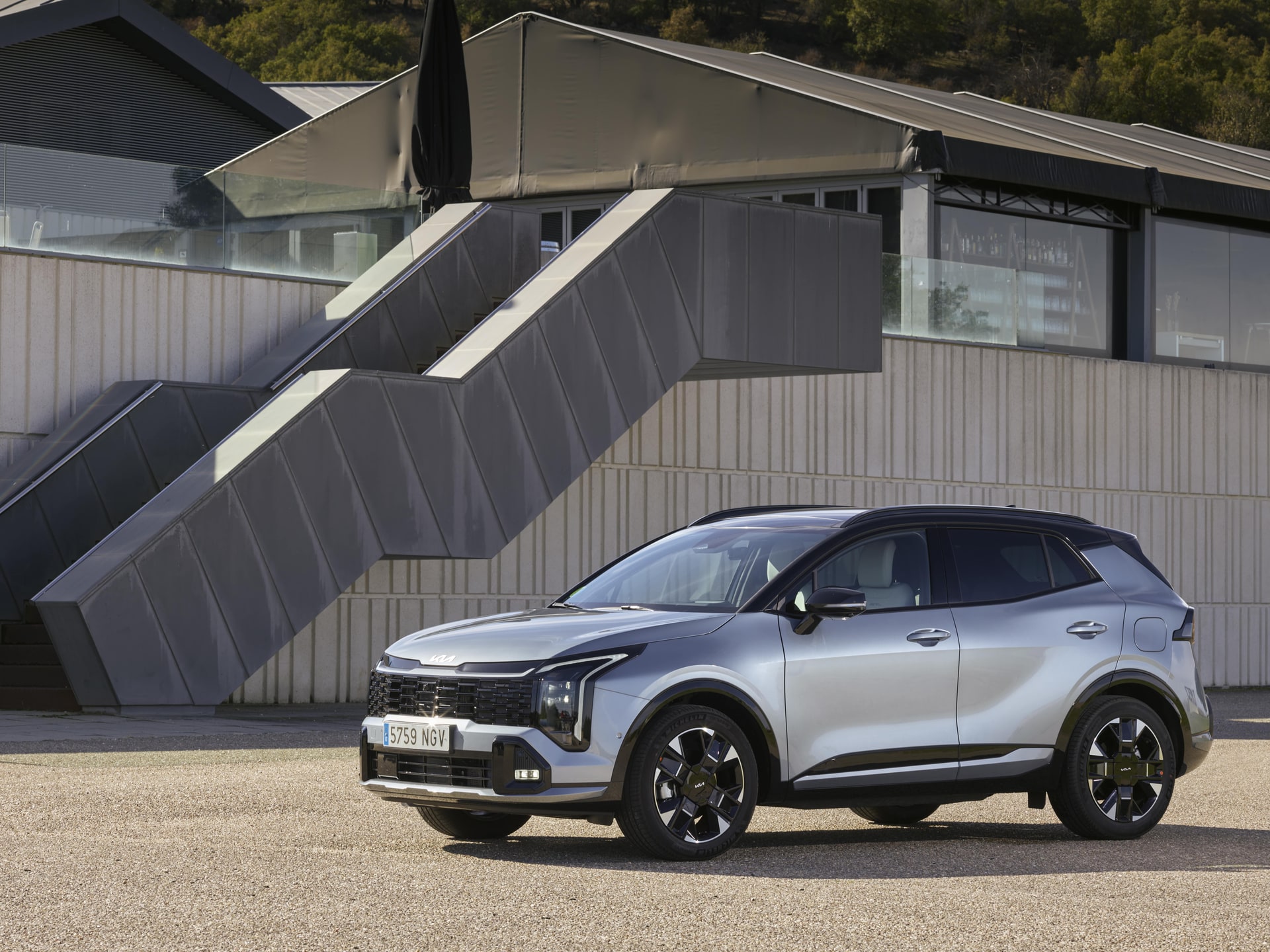
5. Kia Sportage Hybrid – from €32,950
Mechanically related to the Tucson, the Sportage Hybrid closes the table in motorway consumption, with 6.2 l/100 km real-world, but it is the more powerful of the two Korean cars and the one that offers the best performance when overtaking at cruising speed. For those who value horsepower more than the last litre saved, it is an option worth considering.
| Power (kW) | Power (CV) | WLTP consumption | Real-world motorway consumption | Label | Fuel |
|---|---|---|---|---|---|
| 169 kW | 230 CV | 5.4 l/100 km | 6.2 l/100 km | ECO | Hybrid |
It is worth explaining why other usual alternatives in the segment do not appear here. The Nissan Qashqai e-Power, despite being called a hybrid, works like an extended-range electric car in which the petrol engine never drives the wheels directly, and at motorway speeds that design penalises it more than a conventional HEV. The Volkswagen Tiguan eHybrid, for its part, is a PHEV and is excluded by definition from this comparison focused on pure full hybrids.
Summary table: the 5 most efficient full-hybrid compact SUVs on the motorway
| Model | Starting price | Power | Real-world motorway consumption | Boot | Score |
|---|---|---|---|---|---|
| Toyota Corolla Cross 140H | €29,900 | 140 CV | 5.6 l/100 km | 487 l | 9.2/10 |
| Mazda CX-5 e-Skyactiv Hybrid | €34,900 | 185 CV | 5.8 l/100 km | 510 l | 8.9/10 |
| Honda ZR-V e:HEV | €36,900 | 184 CV | 5.9 l/100 km | 380 l | 8.1/10 |
| Hyundai Tucson Hybrid | €33,700 | 169 CV | 6.1 l/100 km | 582 l | 8.0/10 |
| Kia Sportage Hybrid | €32,950 | 230 CV | 6.2 l/100 km | 591 l | 7.8/10 |
Verdict: which one to choose depending on your needs
If your priority is to spend as little as possible on every motorway fill-up, the Toyota Corolla Cross 140H wins clearly: it is the cheapest of the five and the most efficient, a combination not repeated in any other model on this list. For those looking for a middle ground between efficiency and a quality interior, the Mazda CX-5 e-Skyactiv Hybrid is the most well-rounded option, although its entry price already approaches €35,000, 17% more than the Corolla Cross.
If your real-world use is more family-oriented and you need a proper boot for long trips with luggage, the Hyundai Tucson Hybrid and the Kia Sportage Hybrid offer between 90 and 100 litres more capacity than the Corolla Cross, in exchange for half a litre more consumption per 100 km on the motorway. And if what you are after is the greatest power available for comfortable overtaking, the Sportage, with its 230 CV, is the only one that approaches the feel of a bigger engine.
The Honda ZR-V ends up in an awkward position: it is not the cheapest, it is not the most efficient, and it does not stand out for boot space either. It is a good car, but without an argument that makes it the winner in any specific use against its four rivals.
Anyone coming from comparing compact SUVs with the best power-to-price ratio will notice that the criterion changes radically here: power stops being the protagonist and the litre saved on the motorway takes charge.
Frequently asked questions
Why is real-world consumption on the motorway always higher than the WLTP figure in a full hybrid?
Because the WLTP cycle includes city sections and variable speeds where the electric motor and brake regeneration carry a lot of weight. On the motorway at constant speed there is hardly any braking to recharge the battery, so the petrol engine works almost alone and consumption rises by between 1 and 1.5 l/100 km above the homologated figure.
Does a full-hybrid compact SUV consume less than a diesel on the motorway?
At sustained motorway speeds, a modern diesel of similar power can match or even slightly improve on the consumption of a HEV, because the diesel engine is more efficient at constant revs. The advantage of the hybrid shows mainly in the city and on mixed journeys, not on pure motorway driving.
Do these models qualify for Plan Auto+ incentives in 2026?
Non-plug-in hybrid SUVs usually have limited access to Plan Auto+ incentives, which prioritises electrifiable vehicles with the 0 label or PHEVs with homologated electric range. It is advisable to check the plan’s official website for the amount and requirements in force at the time of purchase.
Is it worth paying more for the Honda ZR-V or the Mazda CX-5 over the Toyota Corolla Cross?
It depends on use. If the criterion is solely motorway consumption and budget, the Corolla Cross is hard to beat. If you prioritise perceived interior quality, the Mazda CX-5 justifies its higher price; if you prioritise engine response when overtaking, the ZR-V offers more power, although at the cost of boot space and slightly higher consumption.

1 Comment
Pingback: Los 5 SUV familiares híbridos con mejor espacio interior y maletero por debajo de 40.000€ en 2026 – Comparativa de Coches