

Three full hybrids, one goal: getting around the city spending little and without depending on a charger. But the title hides a catch, and it needs to be said right away: of the three, only one genuinely comes in below €25,000 RRP. The other two get close, and quite close if the dealership does its part. Let’s look at each one before drawing conclusions.
Toyota Yaris 130 Active Plus: the most efficient, but the most expensive to start with
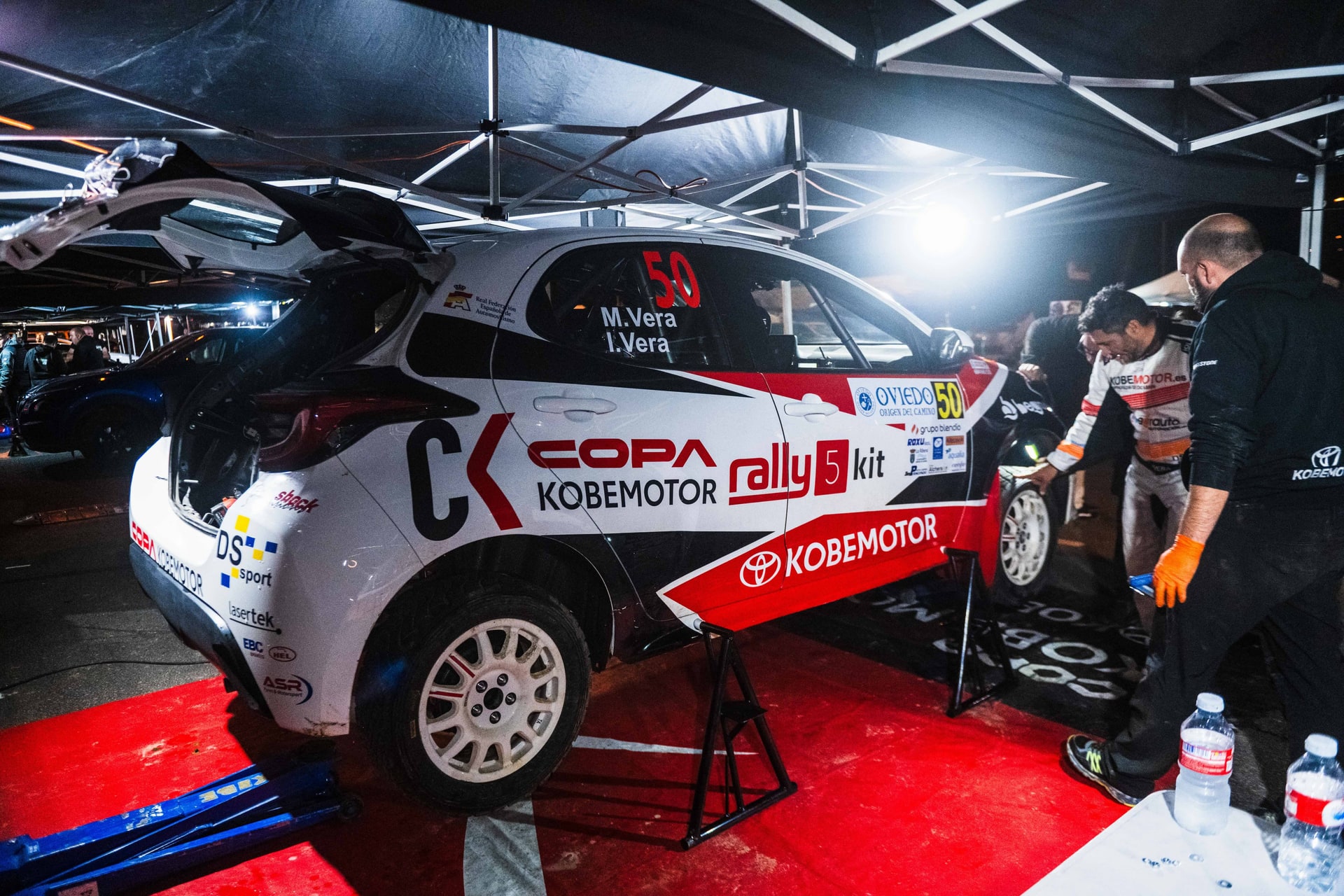
The Yaris in Active Plus trim with the 130 hybrid engine is the segment benchmark for fuel consumption. Its e-CVT system delivers 100 kW (130 CV) and has a homologated consumption of 4.5 l/100 km, with an ECO label. In the city, the split between electric traction and the combustion engine is the most refined of the three: it starts in zero-emission mode more often than its rivals and the petrol engine kicks in smoothly. That said, its starting RRP (around €30,800) keeps it well above the €25,000 threshold the title refers to, even allowing for the fact that commercial campaigns often knock several thousand euros off the list price.
| Model | Power (kW) | Power (CV) | Top speed | Consumption | Label | Fuel | Price from |
|---|---|---|---|---|---|---|---|
| Toyota Yaris 130 Active Plus | 100 kW | 130 CV | 170 km/h | 4.5 l/100 km | ECO | Hybrid (petrol/electric) | ≈€30,800 |
Renault Clio E-TECH Evolution: the only one that respects the €25,000 budget
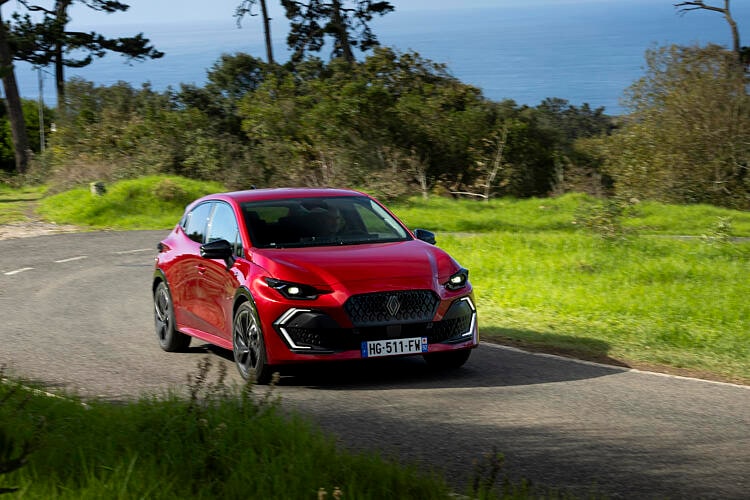
Here is the piece that changes the article’s approach. The Clio E-TECH 145 in Evolution trim starts at roughly €23,900, and it is the only one of the three that genuinely fits the budget the reader asks about. With 110 kW (140 CV), it is also the most powerful of the trio, which is noticeable when merging onto dual carriageways and in the short bursts of acceleration typical of urban traffic. Its homologated consumption, 4.5 l/100 km, matches the Yaris, and it shares the ECO label. The RRP gap with the Jazz and the Yaris comfortably exceeds 15%: almost €7,000 less than the standard Yaris, which is no minor detail when it comes to signing.
| Model | Power (kW) | Power (CV) | Top speed | Consumption | Label | Fuel | Price from |
|---|---|---|---|---|---|---|---|
| Renault Clio E-TECH 145 Evolution | 110 kW | 140 CV | 180 km/h | 4.5 l/100 km | ECO | Hybrid (petrol/electric) | ≈€23,900 |
Honda Jazz Hybrid Advance: the most practical inside, the least aggressive on price
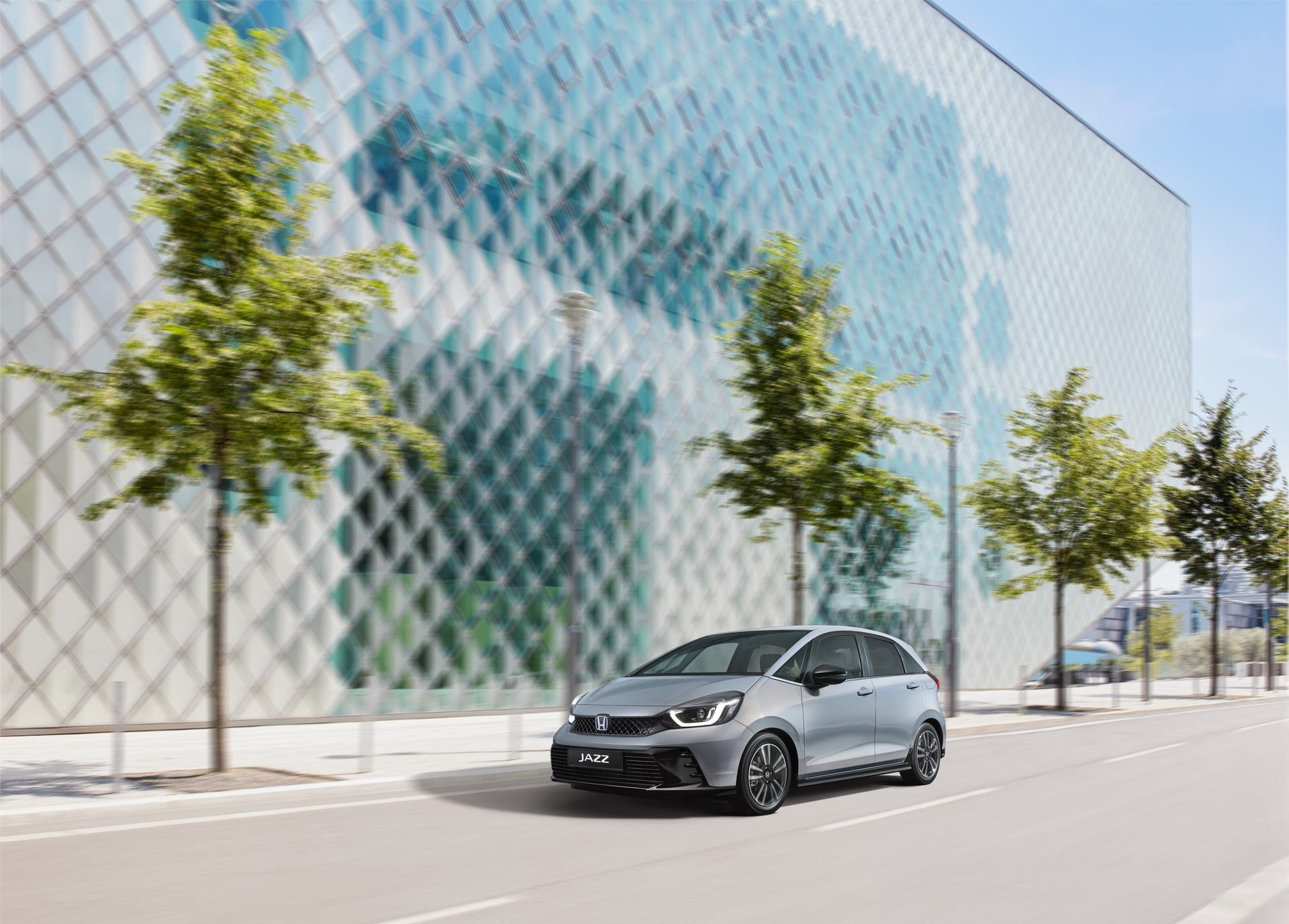
The Jazz plays a different game. With 90 kW (120 CV) it is the least powerful of the three on paper, but its i-MMD system prioritises electric traction in town in a different way: the petrol engine acts more as a generator than as a direct driving force, which translates into very smooth driving at urban pace. Its main asset is not the mechanics but the cabin: the Jazz makes better use of interior space than any rival of its size, with rear legroom that almost matches a higher segment. The price, however, sits around €28,800, and that weighs on it: it lands halfway between the Clio and the Yaris, being neither the cheapest nor the most powerful.
| Model | Power (kW) | Power (CV) | Top speed | Consumption | Label | Fuel | Price from |
|---|---|---|---|---|---|---|---|
| Honda Jazz Hybrid Advance | 90 kW | 120 CV | 180 km/h | 4.5 l/100 km | ECO | Hybrid (petrol/electric) | ≈€28,800 |
Where each one wins, no half measures
The Yaris wins on perceived efficiency: it manages the combustion engine best and is the least noticeable when the petrol engine kicks in. The Clio wins on power and price, with a gap of almost €7,000 over the Yaris that no equipment difference makes up for. The Jazz wins on interior space: neither the Yaris nor the Clio offers rear seats as roomy, which is key if the car will regularly carry children or adult passengers.
No equipment fully offsets their weaknesses. The Clio, with its more powerful engine, asks for slightly more fuel on occasional motorway trips than the Yaris does. The Jazz, despite its space, delivers the fewest CV, and that shows when joining ring roads. The Yaris, for its part, is the most expensive to get into: its efficiency has to be paid for up front.
Real-world city consumption and the ECO label
All three homologate 4.5 l/100 km and carry the ECO label, so within low-emission zones there is no difference in treatment between them: they can circulate without restriction in Madrid Central or any equivalent ZBE. The real day-to-day urban consumption difference depends more on driving style and the number of traffic lights on the route than on the technical sheet, but the electric share of the Yaris and the Jazz in slow traffic usually translates into slightly less petrol burned than the Clio, which delivers more power in exchange for a combustion engine that is a little more present. We look at this logic in more detail when analysing how to choose an urban hybrid based on real city consumption.
Price: why only the Clio meets the €25,000 threshold
It is worth remembering that these figures are the manufacturer’s recommended RRP, without dealer discounts, one-off campaigns or public incentives such as the Plan Auto+, which can move the final price down by several thousand euros on any of the three. Even so, from the outset the picture is clear: the Clio E-TECH Evolution starts at €23,900 and meets the requirement without any reduction. The Jazz Advance (€28,800) and the Yaris Active Plus (€30,800) need a real dealer discount to get close to that figure, and in the case of the Yaris, the cut needed is around 20% off the list price.
| Model | Price from | Power | Consumption | Urban efficiency | Price | Interior space | Overall score |
|---|---|---|---|---|---|---|---|
| Toyota Yaris 130 Active Plus | ≈€30,800 | 8 | 9 | 9 | 5 | 6 | 7.4 |
| Renault Clio E-TECH Evolution | ≈€23,900 | 9 | 8 | 7 | 9 | 6 | 7.8 |
| Honda Jazz Hybrid Advance | ≈€28,800 | 6 | 8 | 8 | 6 | 9 | 7.4 |
Verdict: which city hybrid to buy depending on your case
If budget is the priority and you want a full hybrid with an ECO label without relying on seasonal discounts, the Renault Clio E-TECH Evolution is the logical buy: it starts at €23,900, delivers the most power of the trio and meets the €25,000 requirement without forcing anything.
If you prioritise the lowest real-world consumption in dense traffic and can stretch the budget, the Toyota Yaris 130 Active Plus remains the most refined in its hybrid management, although you will need to negotiate hard to bring the price close to €25,000.
And if your city car will often carry rear passengers, children included, the Honda Jazz Hybrid Advance makes up for its lower power with interior space that neither the Yaris nor the Clio matches, even though it costs about €5,000 more than the Clio.
Frequently asked questions
What is the best city hybrid for city driving under €25,000?
Of the three analysed, the Renault Clio E-TECH Evolution is the only one with an RRP below that threshold, at around €23,900, without needing discounts.
Does the Toyota Yaris hybrid use less fuel than the Clio E-TECH in town?
Both homologate 4.5 l/100 km, but the Yaris distributes electric traction better in slow traffic, which usually translates into slightly less petrol burned in everyday urban use.
Why is the Honda Jazz Hybrid more expensive than the Clio if it has less power?
Its price, around €28,800, reflects its interior space and finish more than its mechanics: the Jazz prioritises rear habitability over raw power.
Do all three models have an ECO label?
Yes. The Toyota Yaris, Renault Clio E-TECH and Honda Jazz in the analysed versions all carry the DGT ECO label, as they are self-charging hybrids with no plug.
