

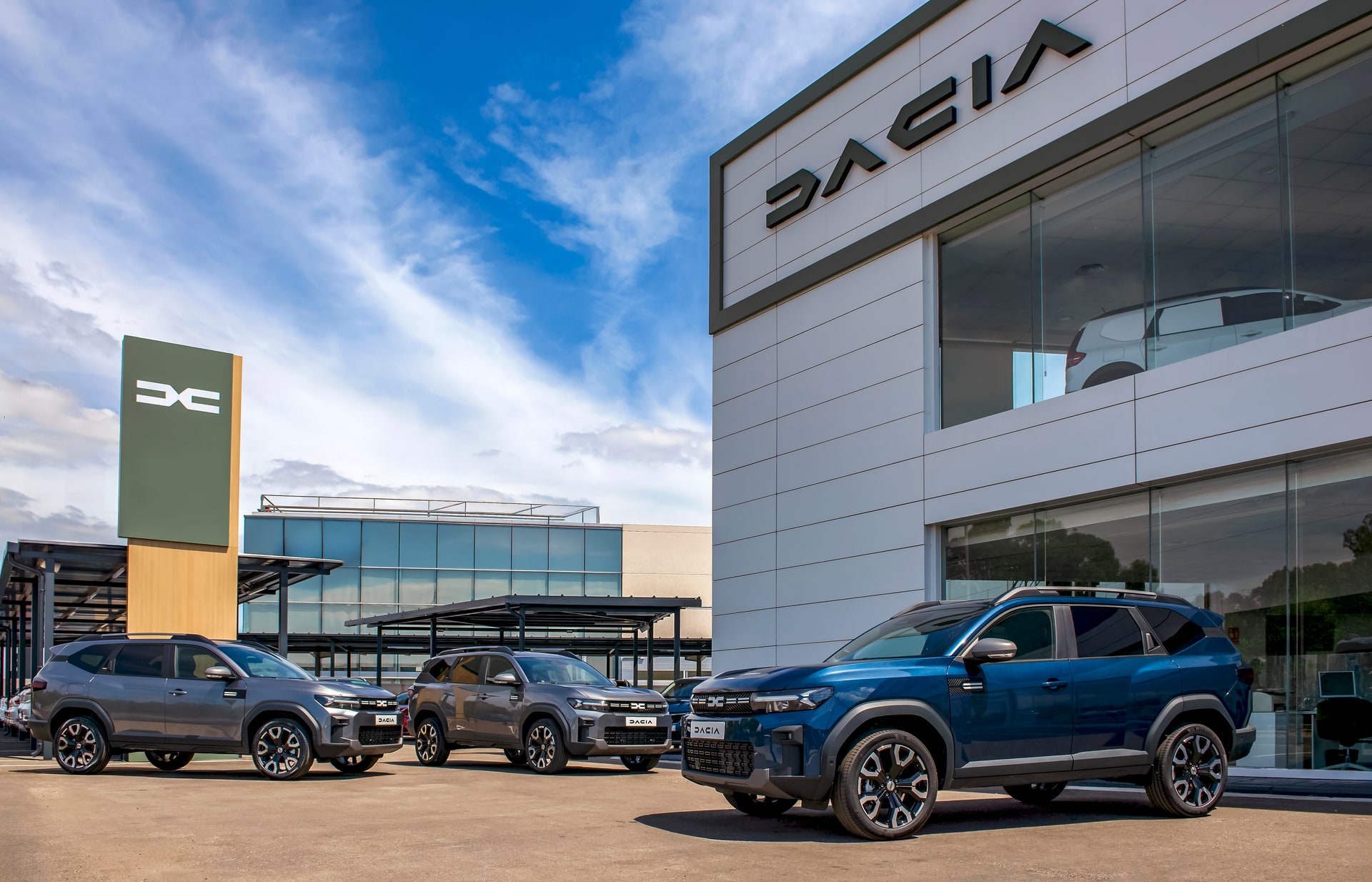
Pitting a Dacia Bigster against a KGM Torres looks, at first glance, like a textbook comparison: two compact SUVs of similar size, aimed at families, with “affordable” pricing in the marketing of both brands. The problem appears as soon as you check each model’s real RRP. One costs considerably less than €28,000. The other does not. And that changes the question the reader should ask before reading another line.
Dacia Bigster Hybrid-G 1.2 TCe 140 48V Essential: the large SUV for under €28,000 for real
The Bigster is Dacia’s bet on growing without abandoning the formula that has worked for the Sandero and the Duster: a large body, familiar mechanics and a price that doesn’t scare buyers. The Hybrid-G 1.2 TCe 140 48V Essential version fits a petrol mild hybrid with 48V electric assistance: no plug, no real electric range, just a boost that smooths out take-offs and trims some consumption in town.
With 140 CV it is a car that suits family use well, though it won’t stand out. The starting RRP is around €25,000, which fits squarely within this comparison’s headline.
| Power (kW) | Power (CV) | Top speed | Consumption | CO₂ emissions | Fuel | Price from |
|---|---|---|---|---|---|---|
| 100 kW | 140 CV | 180 km/h | 5.5 l/100 km | 130 g/km | Petrol (48V mild hybrid) | €25,000 |
KGM Torres 207 80.6 kWh Trend: the electric SUV that goes over budget
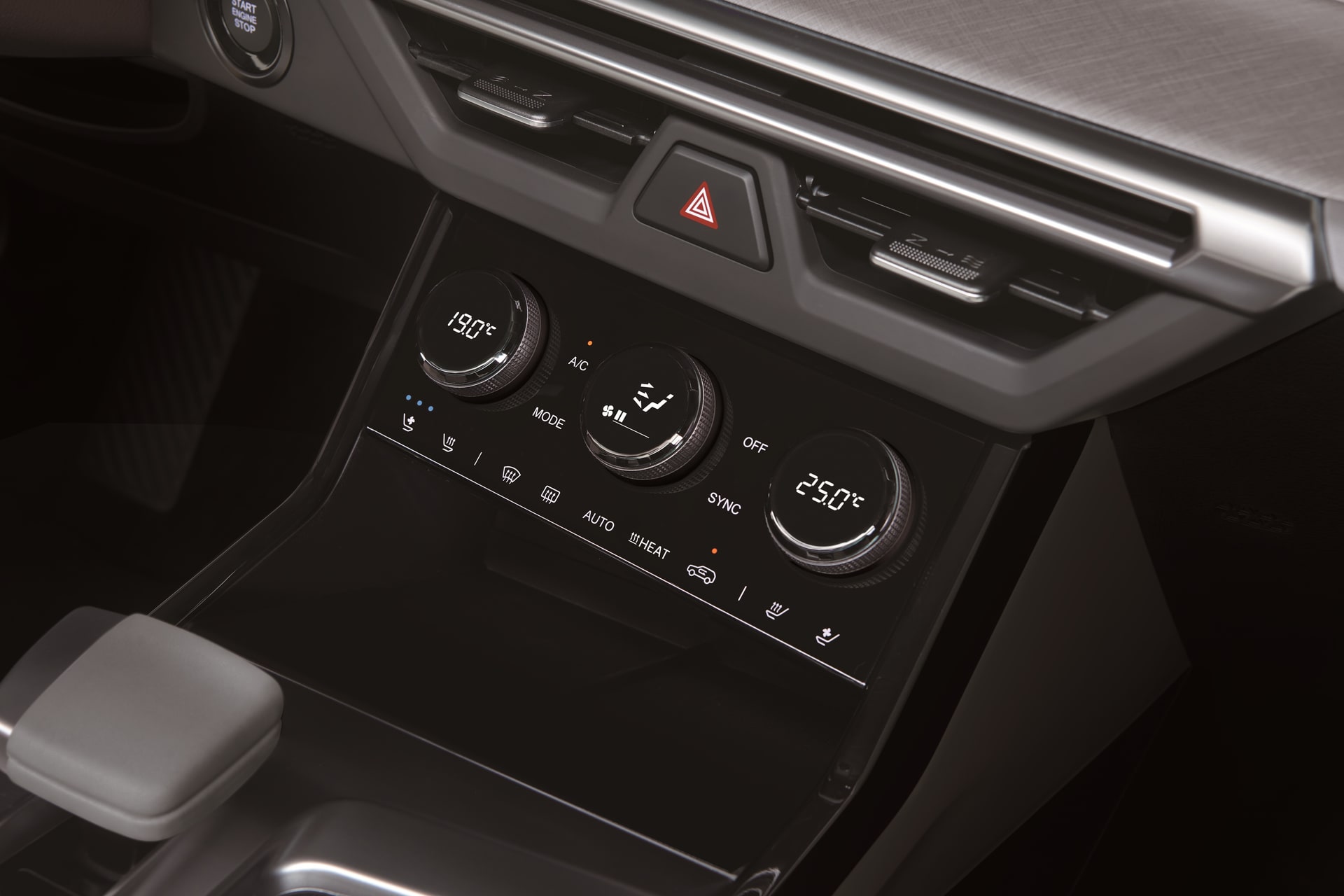
The Torres is a different animal. KGM (formerly SsangYong) positions it as a electric SUV with a large battery: 80.6 kWh gives roughly 500 km of homologated range, and 210 CV makes itself felt when you press the accelerator, especially pulling away from traffic lights. The Trend version with the 80.6 kWh battery and automatic gearbox (standard on the electric model, as on almost all of them) is the reference used here.
The problem is the price: it sits around €37,500 RRP. That is more than €12,000 above the Bigster, almost 50% more expensive. It is not a C-segment SUV under €28,000, however much its size and segment invite comparison with the Dacia.
| Power (kW) | Power (CV) | Top speed | Range | Battery | Label | Fuel | Price from |
|---|---|---|---|---|---|---|---|
| 150 kW | 210 CV | 180 km/h | 500 km | 80.6 kWh | ZERO | Electric | €37,500 |
Comparison table: Dacia Bigster vs KGM Torres
| Model | Powertrain | Power | Range/consumption | Price from | Label | Score (1-10) |
|---|---|---|---|---|---|---|
| Dacia Bigster Hybrid-G 1.2 TCe 140 | Petrol 48V mild hybrid | 140 CV | 5.5 l/100 km | €25,000 | Not verified in spec sheet | 7.5 |
| KGM Torres 207 80.6 kWh Trend | Electric | 210 CV | 500 km | €37,500 | ZERO | 7 |
The Bigster’s score is pushed up by fitting the real budget of the headline; the Torres makes up ground with technology and performance, but the price gap weighs on the final rating under the “more car for under €28,000” criterion.
Where each one wins, no tricks
The Bigster wins clearly on price: below €28,000 there is no electric C-segment SUV that can rival it, let alone the Torres. It also wins on ease of use: filling up with petrol anywhere remains more convenient than planning a charge, especially if you have no charging point at home or at work.
The Torres, on the other hand, wins on power and on the electric driving experience: 210 CV versus 140 CV is noticeable, and the 500 km of homologated range covers most weekly use without visiting a charging point every day. If the ZERO label matters to you because of access restrictions to urban centres, the Torres solves a problem that the Bigster, with its combustion label, does not come close to addressing.
Verdict: which to choose based on your case?
There is no “it depends” here. If the €28,000 limit is real and not a rough guide, the Dacia Bigster is the only one of the two that fits the budget, and it does so with a large, practical SUV and no mechanical surprises. For anyone seeking a family car for daily use, with a petrol station nearby and no plans to electrify their lifestyle, the Bigster wins without question.
If the budget can stretch to €37,500 and the priority is getting around electrically with decent range, a ZERO label and more power, the KGM Torres justifies the difference, but honesty requires admitting that we are no longer talking about the same price segment the headline promises. The RRP gap between the two exceeds 48%, so comparing them as direct budget rivals is, at best, optimistic.
For value for money within €28,000, the Bigster wins outright. If what you want is the best electric C-segment SUV even if it costs more, the Torres delivers, but then it is worth comparing it against other electric C-segment SUVs at a similar price, not against the Bigster.
The prices of both models are the manufacturer’s recommended RRP, without dealer discounts, one-off campaigns or Plan Auto+ aid, which can reduce the final figure depending on the autonomous community and the time of purchase. Always check the official website for the current price before signing anything.
Frequently asked questions
Are the Dacia Bigster and the KGM Torres comparable in real price?
Not entirely. The Bigster starts at around €25,000 and the Torres at around €37,500, a gap of almost 50%. Only the Bigster strictly meets the €28,000 limit in the headline.
Which C-segment SUV offers more range or lower consumption?
The Torres, being electric, is homologated for around 500 km with its 80.6 kWh battery. The Bigster, with a petrol mild hybrid powertrain, consumes around 5.5 l/100 km, a competitive figure for its segment but not directly comparable with electric range.
Which has the better environmental label?
The KGM Torres obtains the ZERO label as a pure electric car, with unrestricted access to low-emission zones. The Bigster’s label is not verified in its official spec sheet for this comparison.
Which should I choose if my budget is strictly €28,000?
The Dacia Bigster, without doubt: it is the only one of the two that truly falls within that price range. The Torres requires an additional budget jump of more than €12,000.
