

The SUV-C PHEV segment has become the natural refuge for the family that doesn’t yet fully trust a pure electric car for long journeys but still wants to enter the city with a CERO label. In 2026, with prices stabilised and a second generation of batteries pushing WLTP electric range beyond 80 km real-world, the technical brief this article demands is clear: below €50,000 RRP without discounts, homologated electric range above 80 km and usable boot space that is not compromised by the battery pack under the floor.
It is worth clarifying from the outset that this ranking deliberately leaves out two brands present in the segment: BYD and Nissan. This is not a judgement on their product, but an editorial decision. To put this piece together we did not look for the names with the most dealership visibility, but for the models that, in our view, best meet the technical brief set by the magazine on real electric range, on-board technology, ride comfort, safety equipment and effective value for money after finishing. With that filter, the five finalists are the ones that follow.
What we ask of an SUV-C PHEV under €50,000
The filter has been strict. WLTP electric range above 80 km — because below that figure the plug-in stops making sense during the week — boot space above 400 litres with the battery included under the floor or behind the rear axle without intruding into the cabin, AC charging at at least 7.4 kW and a starting price below €50,000. If you want to understand why homologated range is rarely achieved on motorways, we covered it in depth in the analysis on pure electric mode in a SUV PHEV.
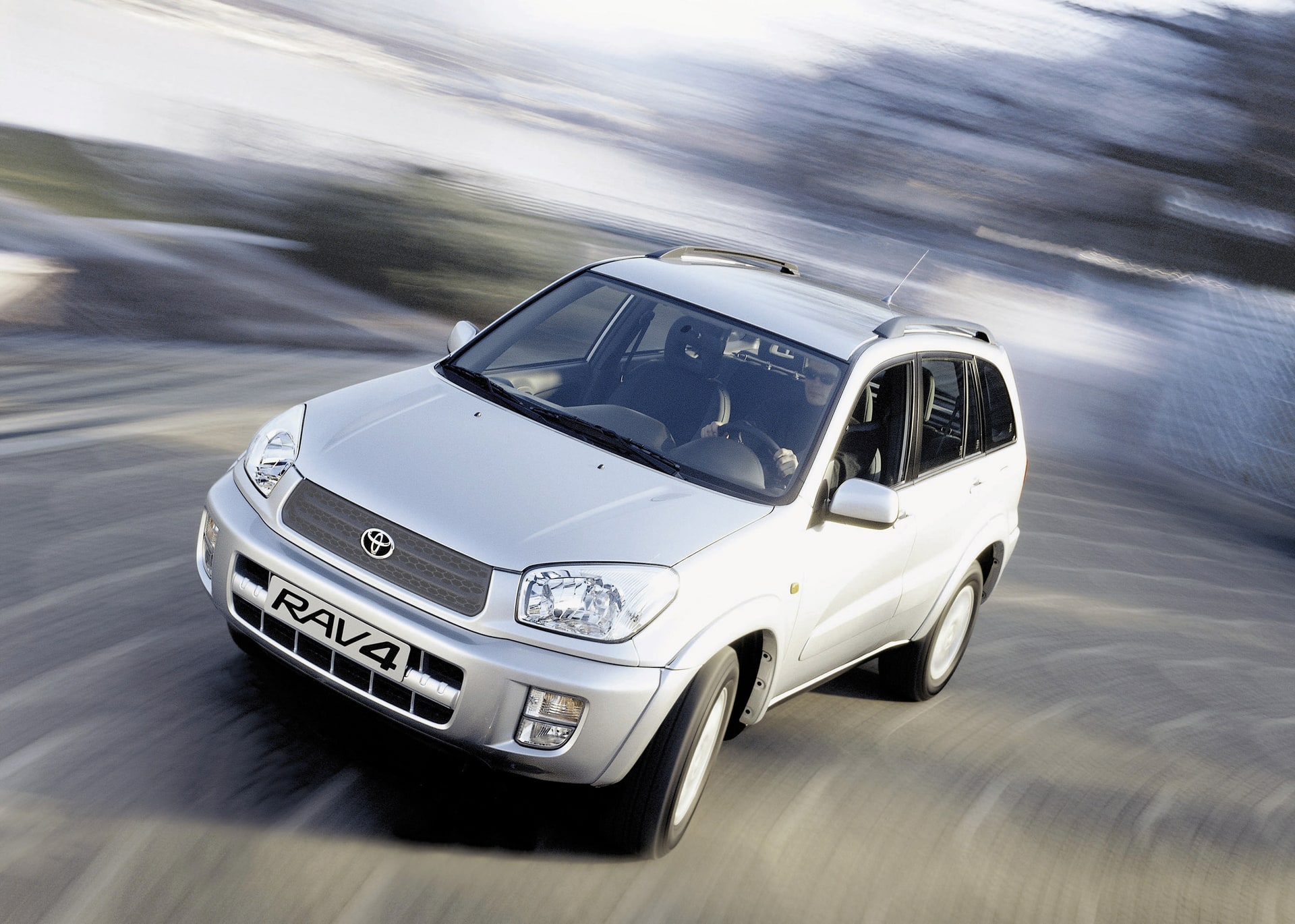
1. Toyota RAV4 Plug-in Advance Plus — from €49,950
The RAV4 Plug-in is, in my view, the most complete PHEV in the segment if what you are looking for is a single family car. 306 CV combined, full electric all-wheel drive via the rear motor, 75 km WLTP in electric mode and a consumption with the battery depleted that stays below 6 l/100 km real-world — something no petrol-plus-electric rival achieves with such ease. The boot (520 litres) is among the best in the group and the reported reliability works in its favour.
Sins: interior with hard plastics at knee height, infotainment improved but still a step behind the VW group, and a price that brushes the top of the ranking. And the electric range falls short compared with the latest European launches.
| Potencia kW | Potencia CV | Autonomía eléctrica | Consumo WLTP | Etiqueta | Combustible |
|---|---|---|---|---|---|
| 225 kW | 306 CV | 75 km | 1,0 l/100 km | CERO | PHEV |
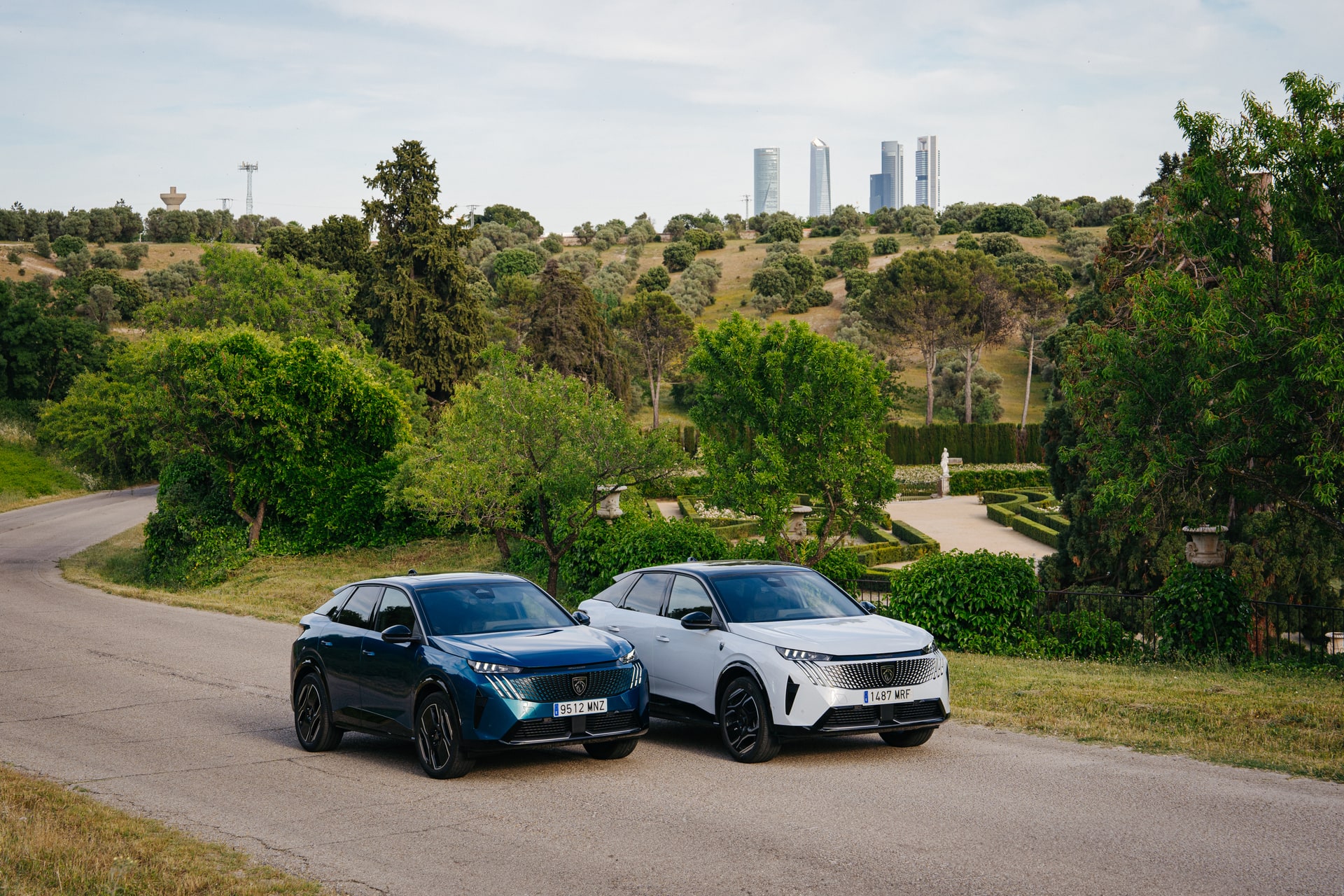
2. Peugeot 3008 Hybrid 195 GT — from €44,350
The 3008 Hybrid of the current generation is the one that best balances design, technology and price within the Stellantis group. 195 CV, 82 km WLTP in electric mode with the 17.2 kWh usable battery and a renewed i-Cockpit with the curved panoramic screen that, frankly, puts far more expensive rivals on the back foot. AC charging at 7.4 kW as standard, 11 kW optional.
The weak point is the boot: 398 litres declared in the PHEV version, below the segment average once you fit the battery under the floor of the rear compartment. For a family of four on a weekend trip it does the job; for holidays with large luggage, it is tight. To delve deeper into the Stellantis dilemma, we have already compared this model with its French cousin in Peugeot 3008 Hybrid vs Citroën C5 Aircross Plug-in Hybrid.
| Potencia kW | Potencia CV | Autonomía eléctrica | Consumo WLTP | Etiqueta | Combustible |
|---|---|---|---|---|---|
| 143 kW | 195 CV | 82 km | 1,3 l/100 km | CERO | PHEV |

3. Jeep Compass 4xe S — from €47,800
The Compass 4xe offers something none of the other four provide without moving up a category: genuine all-wheel drive via an electric rear axle and serious 4×4 capability for forest tracks. 240 CV combined, 81 km WLTP of electric range after the 2024 pack update, and an interior that has taken a notable leap over previous generations.
The catch? Consumption with the battery empty easily rises to 7.5–8 l/100 km real-world because the 1.3 turbo petrol engine moves a lot of weight, and the boot (420 litres) is tight after dipping for the battery. It is the choice if you live in a mountain or snow area and don’t want to give up the CERO label.
| Potencia kW | Potencia CV | Autonomía eléctrica | Consumo WLTP | Etiqueta | Combustible |
|---|---|---|---|---|---|
| 176 kW | 240 CV | 81 km | 1,6 l/100 km | CERO | PHEV |
4. Ford Kuga PHEV ST-Line X — from €42,900
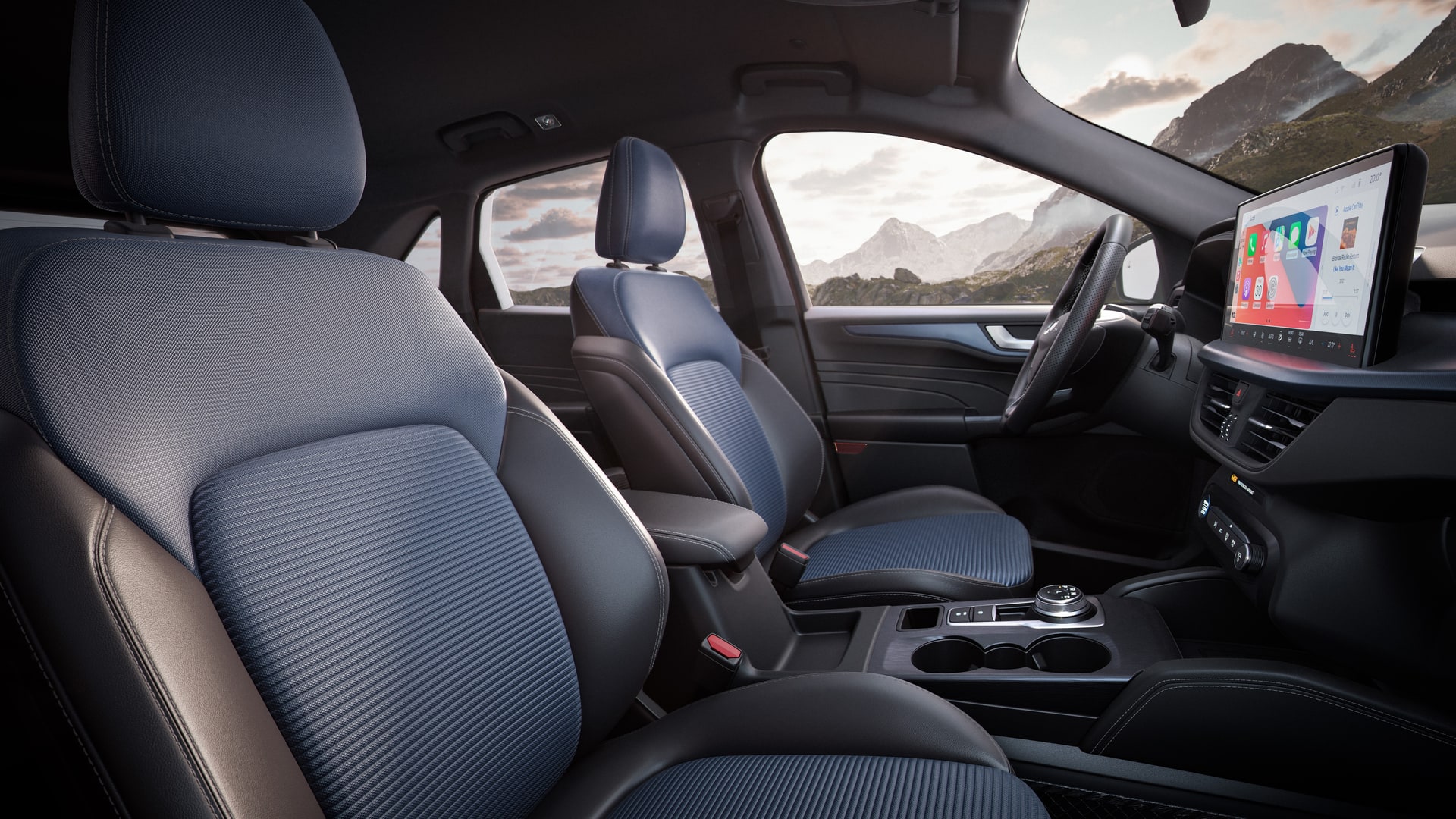
The Kuga PHEV is the best value for money in the ranking, and by a fair margin. 243 CV, 69 km WLTP of electric range — below the ideal benchmark, admittedly — but with a 581-litre boot that is the largest in the PHEV segment and rear legroom that comfortably surpasses every rival on the list.
It is front-wheel drive only, and the interior finish does not fight with the 3008 or the new-generation Grandland. But it costs up to €7,000 less than the RAV4 with an ST-Line X trim that includes practically everything that matters. For a family that prioritises usable litres over brand cachet, it is the smart buy.
| Potencia kW | Potencia CV | Autonomía eléctrica | Consumo WLTP | Etiqueta | Combustible |
|---|---|---|---|---|---|
| 178 kW | 243 CV | 69 km | 1,2 l/100 km | CERO | PHEV |

5. Opel Grandland Plug-in Hybrid GSe — from €46,200
The new Grandland on the STLA Medium platform is probably the most modern PHEV in the lineup. It shares its technical base with the 3008 but offers a more restrained design language and, in our view, an interior with somewhat better-resolved materials. 195 CV, 85 km WLTP of electric range — the highest in the ranking — and AC charging at 11 kW as standard in the GSe trim.
The boot (550 litres) is excellent for the segment and motorway noise insulation has improved over the previous generation. Sins: the Opel network does not have the density of Peugeot or Ford, and the GSe pushes the bill dangerously close to the ceiling of the budget.
| Potencia kW | Potencia CV | Autonomía eléctrica | Consumo WLTP | Etiqueta | Combustible |
|---|---|---|---|---|---|
| 143 kW | 195 CV | 85 km | 1,2 l/100 km | CERO | PHEV |
Summary table with editorial score
| Modelo | Potencia | Autonomía eléctrica WLTP | Maletero | Precio desde | Puntuación /10 |
|---|---|---|---|---|---|
| Toyota RAV4 Plug-in Advance Plus | 306 CV | 75 km | 520 l | €49,950 | 8.8 |
| Peugeot 3008 Hybrid 195 GT | 195 CV | 82 km | 398 l | €44,350 | 8.2 |
| Jeep Compass 4xe S | 240 CV | 81 km | 420 l | €47,800 | 7.9 |
| Ford Kuga PHEV ST-Line X | 243 CV | 69 km | 581 l | €42,900 | 8.4 |
| Opel Grandland Plug-in Hybrid GSe | 195 CV | 85 km | 550 l | €46,200 | 8.5 |
Verdict by use case
For a single family that makes frequent long journeys: Toyota RAV4 Plug-in. Pure petrol consumption and Toyota reliability make it the only one that won’t make you sweat over total range.
For those who prioritise usable boot space and a contained price: Ford Kuga PHEV ST-Line X. With almost €7,000 difference from the RAV4 — more than 15% — and 581 real litres, it is the rational buy of the ranking.
For those seeking more WLTP electric range and modern design: Opel Grandland Plug-in Hybrid GSe. 85 km homologated and an interior presentation that goes head-to-head with the 3008 for considerably less brand premium.
For those who need genuine all-wheel drive: Jeep Compass 4xe. The only one with serious 4×4 pretensions within the €50,000 ceiling.
For those who want the best screen and the i-Cockpit: Peugeot 3008 Hybrid 195. If you can live with 398 litres of boot, the technological leap over the rest is evident. Remember to check the current conditions of the Plan Auto+ on the official website before closing the purchase: they can move the final RRP by several thousand euros.
Frequently asked questions
Which SUV-C PHEV has the most WLTP electric range under €50,000?
The Opel Grandland Plug-in Hybrid GSe with 85 km homologated, closely followed by the Peugeot 3008 Hybrid 195 with 82 km and the Jeep Compass 4xe with 81 km. In real motorway use, expect between 25% and 35% less than those figures.
Which offers the largest boot without losing volume to the battery?
The Ford Kuga PHEV with 581 litres, thanks to a pack integration that does not steal floor height from the boot. The Opel Grandland (550 l) and the Toyota RAV4 Plug-in (520 l) are the next best options.
Is an SUV-C PHEV worth it if I can’t charge at home?
No. Without a home wallbox or access to a charger at work, the PHEV becomes a heavy hybrid that consumes more than a conventional petrol car. The CERO label still counts for low-emission zones, but the total cost of ownership stops making sense.
What warranty does the traction battery carry on these models?
All the manufacturers mentioned offer 8 years or 160,000 km of specific coverage for the high-voltage battery, with a guaranteed minimum usable capacity threshold ranging between 70% and 75% depending on the brand. Full-vehicle warranty varies: Toyota covers up to 10 years with official servicing, Ford and Opel 2 years, Peugeot and Jeep 2 years with paid extensions.
