

The urban electric car under €30,000 has stopped being a promise. In 2026 there are five models that genuinely compete in the same price bracket, all with the ZERO label and all designed —with more or less honesty— for the use we will actually give them: the city. The question is no longer whether they exist, but which one performs best when the average trip is 15 km a day and the plug is in the communal garage.
And that is where WLTP range lies almost as much as the NEDC cycle did a decade ago. An electric supermini can homologate 320 km and end up at 260 in the real world; another can promise 220 and manage 240 in the city because its electronics work better at low speed. Let’s get to the point with the five worth looking at.
How we measured real-world city range
The combined WLTP figure is no use for choosing an urban car. What matters is the real-world consumption below 60 km/h, with starts and stops, and with regeneration genuinely at work. We have used as a reference the consumption figures verified in independent km77 tests and our own fleet measurements, expressed in kWh/100 km. From there, we divide the usable battery capacity by that consumption figure and arrive at the real urban range.
A preliminary note: in the city, a well-calibrated EV uses between 20 and 30% less than in the combined cycle. It is its natural habitat. That is why the figures you will see below are more generous than the official WLTP, not less.
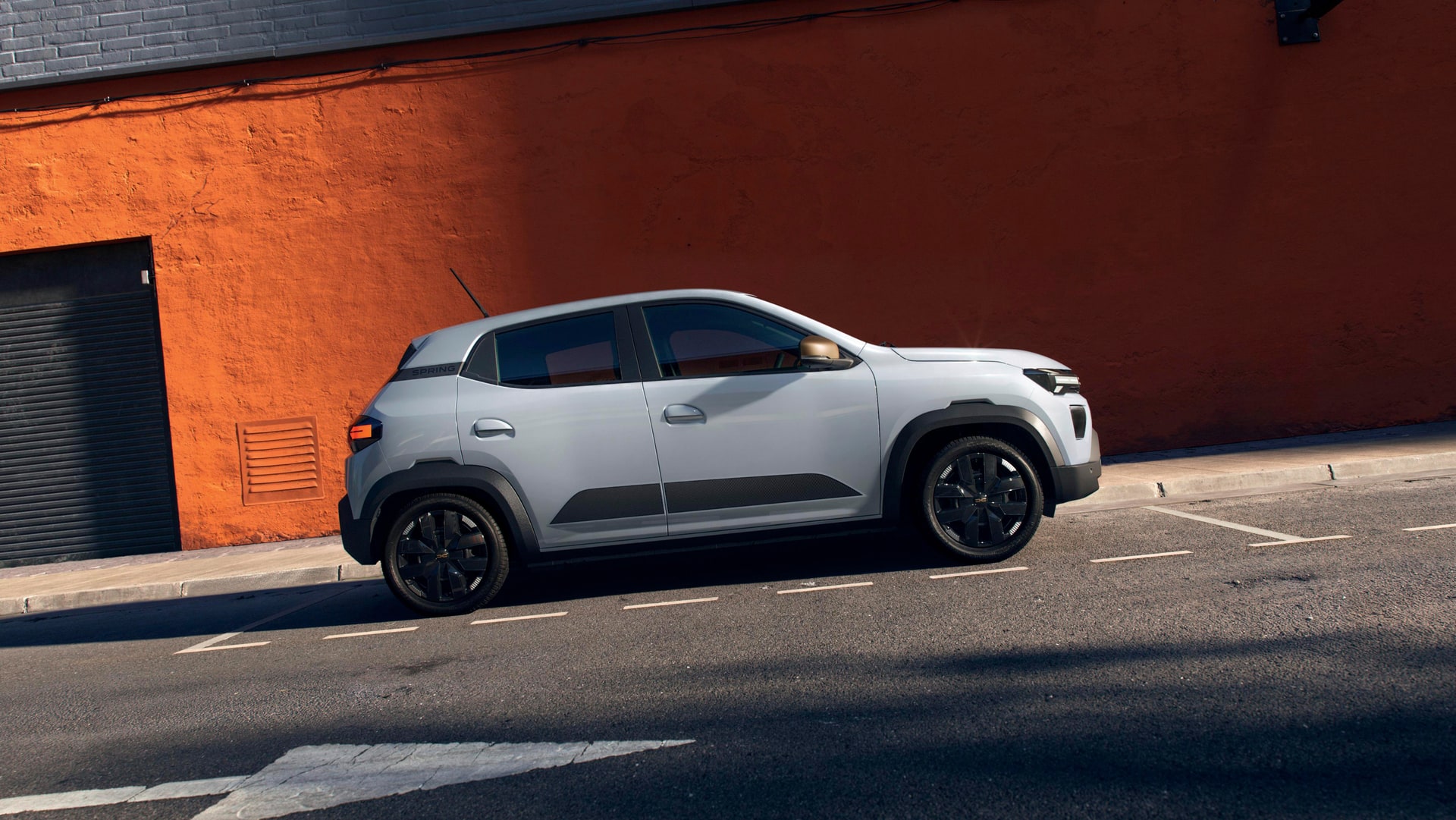
Dacia Spring Electric 65 — from €17,890
The cheapest on the list and, for many uses, more than enough. The Electric 65 version has a 48 kW (65 hp) motor and a 26.8 kWh usable battery. In the city, in mild temperatures, it runs at 11-12 kWh/100 km in the real world, which gives an urban range of around 230 km. It is not a car for travelling —on the motorway it drops below 150 real km— but as a second family car or a light delivery vehicle, it delivers without question.
Its obvious weak points: finish quality, active safety and comfort. The Spring feels like what it is, a car designed to cost less than any rival. And a plus point: it weighs 984 kg. In a world of 1,700 kg EVs, that figure is almost a political statement.
| Power kW | Power hp | WLTP range | Real urban consumption | Label | Fuel |
|---|---|---|---|---|---|
| 48 | 65 | 225 km | 11.5 kWh/100 km | ZERO | Electric |
Citroën ë-C3 Max — from €23,300
Here the story changes. The ë-C3 plays in a different division: 83 kW (113 hp), a 44 kWh LFP battery and a WLTP range of 320 km. In the city, with its Advanced Comfort suspension filtering out cobblestones like few rivals, it runs at between 13 and 14 kWh/100 km in the real world. Translated: around 310 real urban km. It is the practical king of this comparison if what you want is to forget about the plug for an entire week.
Its DC charging reaches 100 kW, a decent figure for its category, although it is no lightning bolt. And watch out for the Max trim, which is where the car feels complete: without it, the interior feels a little basic. We have already discussed the internal Stellantis duel between the ë-C3 and the Grande Panda, and the Citroën wins on comfort and on figures.
| Power kW | Power hp | WLTP range | Real urban consumption | Label | Fuel |
|---|---|---|---|---|---|
| 83 | 113 | 320 km | 13.5 kWh/100 km | ZERO | Electric |
Renault 5 E-Tech 120 Urban Range — from €24,900
On paper, the Renault 5 is the most well-rounded of the group. The entry-level version has a 90 kW (120 hp) motor and a 40 kWh battery, with 312 km of WLTP range. In the city, thanks to careful thermal management and a contained weight (1,450 kg), it returns between 12.5 and 13 kWh/100 km. Real urban range: around 300 km.
What sets it apart from the ë-C3 is not the figures —they are very similar— but the character. The 5 is enjoyable to drive like few electric superminis, with precise steering and firmer suspension. In my view, it is the one that best combines intensive urban use with the occasional outing on secondary roads. That said, the boot (326 l) falls short of the Citroën’s.
| Power kW | Power hp | WLTP range | Real urban consumption | Label | Fuel |
|---|---|---|---|---|---|
| 90 | 120 | 312 km | 12.8 kWh/100 km | ZERO | Electric |
Fiat 600e RED — from €29,490
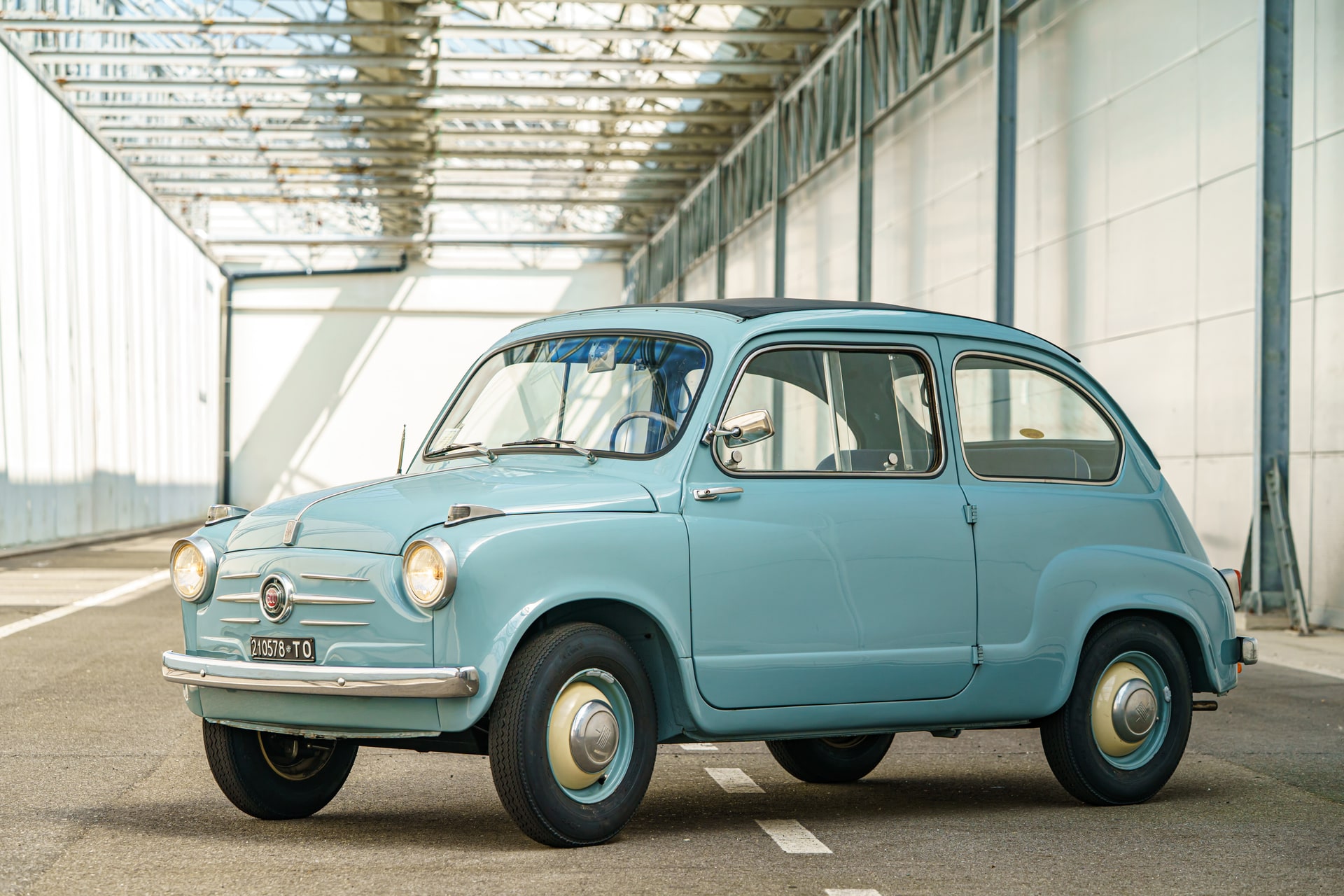
Right at the edge of the budget. The 600e shares its platform with the Jeep Avenger and the Peugeot e-208, with a 115 kW (156 hp) motor and a 54 kWh usable battery. In the city it returns around 14 kWh/100 km in the real world, which gives close to 380 urban km. It is the one that lasts longest without plugging in, no question.
The problem: it is a B-segment SUV disguised as a supermini, it weighs 1,535 kg and it shows in tight urban manoeuvres. Its 100 kW DC charging is adequate. In our opinion, it makes sense if urban use is mixed with frequent peri-urban journeys; for pure city driving, there are more agile and cheaper options.
| Power kW | Power hp | WLTP range | Real urban consumption | Label | Fuel |
|---|---|---|---|---|---|
| 115 | 156 | 409 km | 14.0 kWh/100 km | ZERO | Electric |
Peugeot e-208 GT 156 — from €29,900
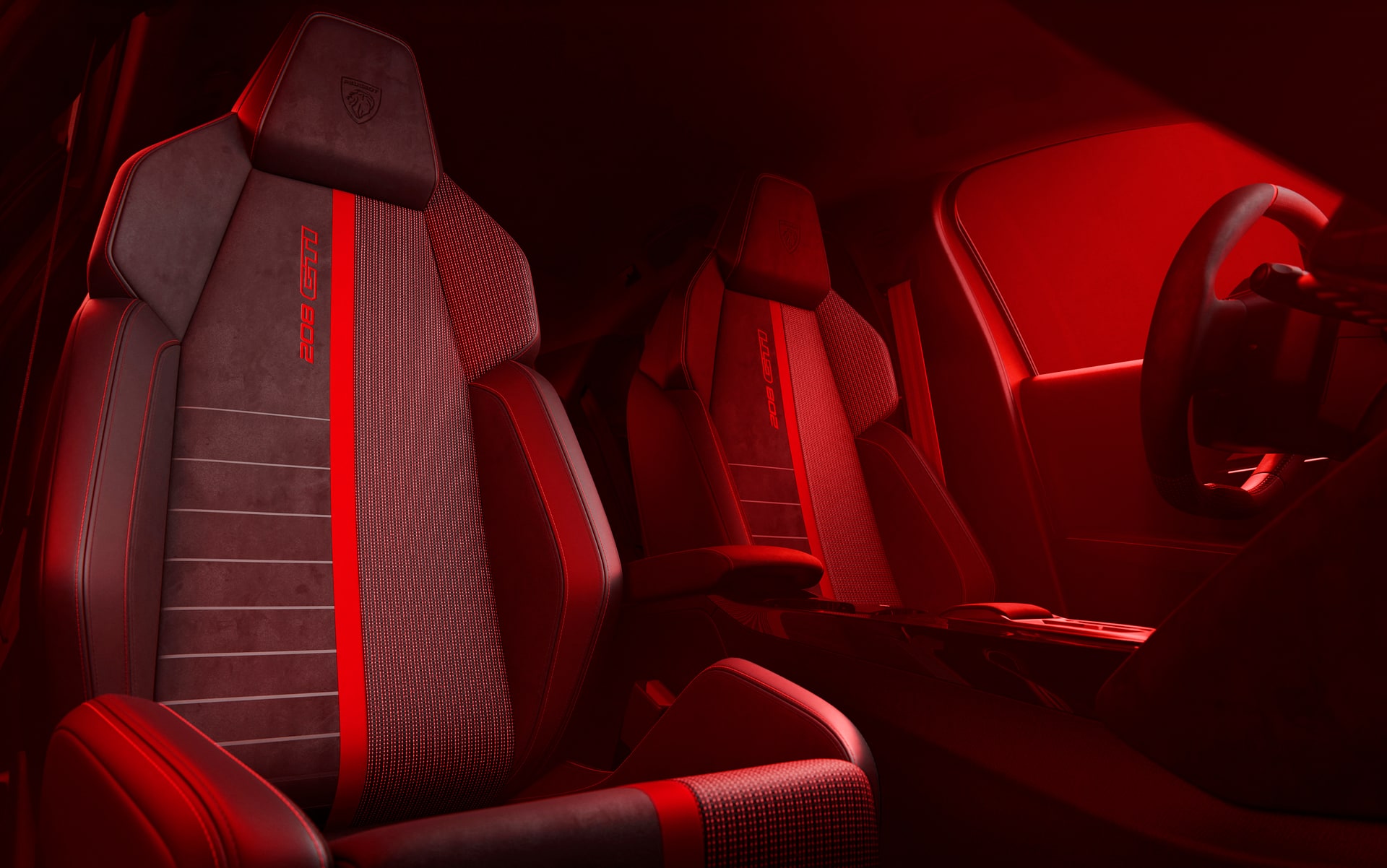
Same motor and same battery as the Fiat, but in a pure supermini body. 115 kW (156 hp), 51 kWh usable and 410 km of WLTP range. In the city, the e-208 achieves between 350 and 370 real km with consumption of 13.5 kWh/100 km. It is lower, more aerodynamic and better balanced dynamically than the 600e.
Its 3D i-Cockpit still divides opinion —small steering wheel, high instrument cluster— and the boot (309 l) is among the tightest here. But as a single urban car with occasional travel capability, it is the most complete of the group. The bill, mind you, brushes the top of the budget.
| Power kW | Power hp | WLTP range | Real urban consumption | Label | Fuel |
|---|---|---|---|---|---|
| 115 | 156 | 410 km | 13.5 kWh/100 km | ZERO | Electric |
Summary table with scores
| Model | Price from | Real urban range | City consumption | Score |
|---|---|---|---|---|
| Dacia Spring Electric 65 | €17,890 | ~230 km | 11.5 kWh/100 km | 7.0 |
| Citroën ë-C3 Max | €23,300 | ~310 km | 13.5 kWh/100 km | 8.7 |
| Renault 5 E-Tech 120 | €24,900 | ~300 km | 12.8 kWh/100 km | 8.8 |
| Fiat 600e RED | €29,490 | ~380 km | 14.0 kWh/100 km | 7.8 |
| Peugeot e-208 GT | €29,900 | ~360 km | 13.5 kWh/100 km | 8.3 |
Verdict by use case
For pure city driving as a second family car: Dacia Spring Electric 65. Nothing delivers as much for €17,890, and the average Spanish urban trip does not demand more than it offers.
For a single car with intensive urban use: Citroën ë-C3 Max. The best balance of price, real-world range and suspension comfort. It is the one I would recommend to someone who does not want to think about their car.
Value for money and driving dynamics: Renault 5 E-Tech 120. It costs €1,600 more than the ë-C3 and offers better driving, more character and almost identical urban range figures. If design and feel weigh in the decision, this is the one.
For mixed use, city plus weekend getaways: Peugeot e-208 GT 156. Its real range of nearly 360 urban km and solid DC charging make it viable as a single car even when you regularly leave the M-30 ring road behind.
Price gap to watch: between the Spring and the e-208 GT there is a 67% difference. You are not competing in the same league even though they share the ZERO label. Remember that the Plan Auto+ can cut several thousand euros off the final bill, so it is worth checking the current amount before signing. If your use is purely urban with short trips, it is worth calculating what real range you actually need from Monday to Friday before paying for a battery you will not use.
Frequently asked questions
Which electric supermini has the best real-world city range for under €30,000?
The Fiat 600e RED, with around 380 real urban km thanks to its 54 kWh usable battery. The Peugeot e-208 GT follows closely with 360 km. Both brush the top of the budget.
What is the best price-to-urban-range ratio?
The Citroën ë-C3 Max. For €23,300 it offers close to 310 real km in the city, a km-per-euro ratio that no rival beats in 2026.
Does the Dacia Spring work as a single car?
Only if use is 100% urban and short peri-urban. With 230 real km in the city and a noticeable drop on the motorway, it is not advisable if you make more than one long trip a month.
How much can the Plan Auto+ reduce the final price?
It depends on the current amount and on whether an old vehicle is scrapped, but it usually comes to several thousand euros. Check the plan’s official website for the up-to-date amount before closing the purchase.
