

The plug-in hybrid C-SUV has matured. Today it is no longer enough to advertise 80 kilometres WLTP and a CERO label: if the car is going to be the only one in the household, the trunk has to handle real life —stroller, suitcases, dog— and the battery cannot steal usable litres from the cargo area. That is the yardstick we use here.
This ranking deliberately leaves out BYD and Nissan. It is not a judgement on their products: we have prioritised the models that best meet the two measured parameters —real trunk space with the battery integrated and an architecture that houses the cells under the cabin floor— above brand recognition. Through that lens, the cut left five European and Korean candidates.
A technical note before we begin: housing the battery under the cabin floor (rather than under the trunk, as many PHEVs derived from combustion platforms have historically done) is what allows the petrol version’s VDA volume to be preserved. If you are interested in the background, we already covered it in why the WLTP electric range is almost never achieved.
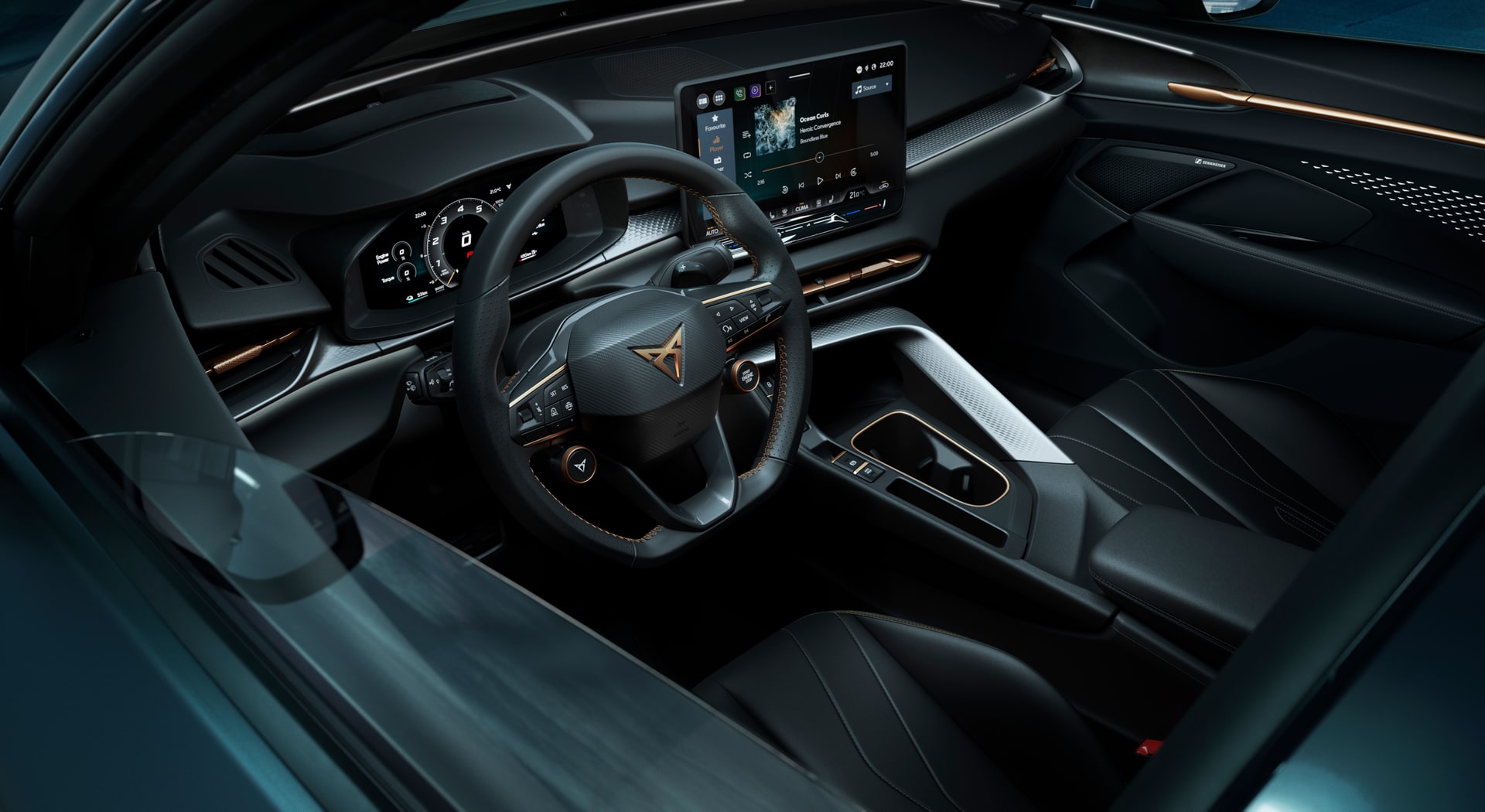
1. Cupra Terramar e-Hybrid — from 44,500 €
The Terramar is the one that best resolves the trunk-battery trade-off within the VAG group in this segment. It shares the evolved MQB Evo platform with an integrated battery pack in the tunnel and underbody, which allows it to maintain around 400 litres in the PHEV version without sacrificing the double-height floor. The homologated electric range approaches 120 km WLTP with the 25.7 kWh usable pack, a notable leap over the group’s previous generation of PHEVs.
| Power | Electric range | Fuel | Label |
|---|---|---|---|
| 200 kW / 272 CV | ~120 km WLTP | PHEV | CERO |
Where it wins: it offers the most homologated electric range in the group and the best dynamic feel. Where it loses: a high entry price and touch-based controls whose ergonomics, in my view, still don’t match the rest of the car.
2. Peugeot 3008 Hybrid — from 42,400 €
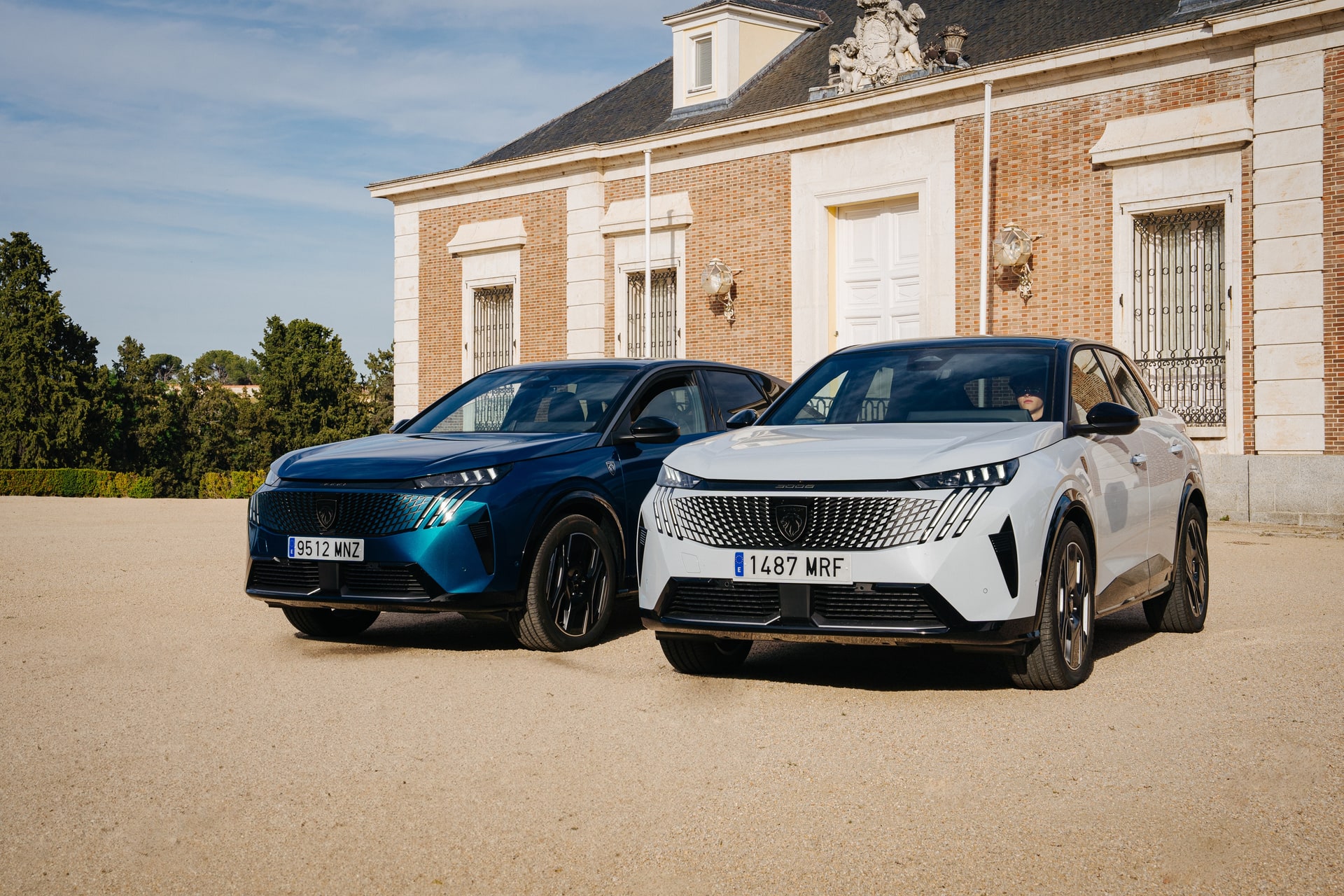
Keep an eye on this 3008: the PHEV version with the new STLA Medium platform places the battery in the floor and frees up a trunk of 520 litres, a figure that until two years ago was exclusive territory of diesel. The powertrain combines a 1.6 PureTech with an electric motor in the e-DCS7 gearbox, and offers around 85–90 km of homologated electric range. The panoramic i-Cockpit is a matter of taste —I like it, though I understand those who don’t— but rear-seat habitability has improved over the outgoing model.
| Power | Electric range | Fuel | Label |
|---|---|---|---|
| churn 145 kW / 195 CV | ~85 km WLTP | PHEV | CERO |
Where it wins: the largest trunk in the ranking with the battery already integrated. Where it loses: lower total power than the Terramar and the historical reliability of the PureTech engine, which remains the point on which many buyers hesitate.
3. Ford Kuga PHEV — from 41,900 €
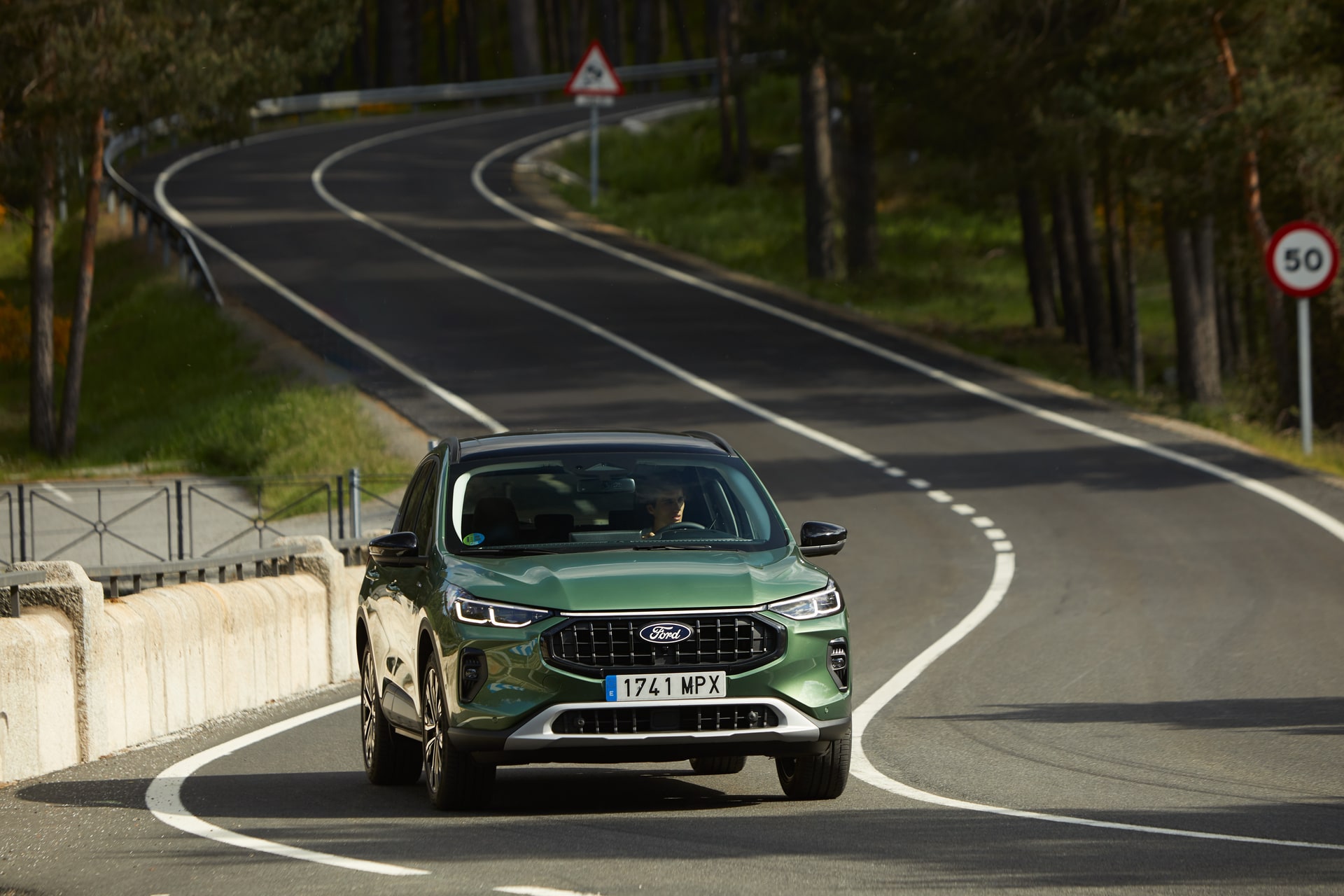
The Kuga PHEV has for years done well what many rivals have discovered late: battery under the rear seats and under the front floor, leaving the trunk practically intact at 435 litres. The powertrain, a 2.5 Atkinson eCVT with an electric motor, is not the most refined in the segment —an eCVT is an eCVT, with the characteristic drone under acceleration— but it works with a smoothness that is appreciated in urban use. Real electric range of around 65 km.
| Power | Electric range | Fuel | Label |
|---|---|---|---|
| 165 kW / 225 CV | ~65 km WLTP | PHEV | CERO |
Where it wins: price-performance ratio and maturity of the powertrain (it has been on the market for years and has been refined). Where it loses: an interior that feels a step below the Cupra and Peugeot, and less homologated electric range than the rest of the list.
4. Hyundai Tucson PHEV — from 40,750 €
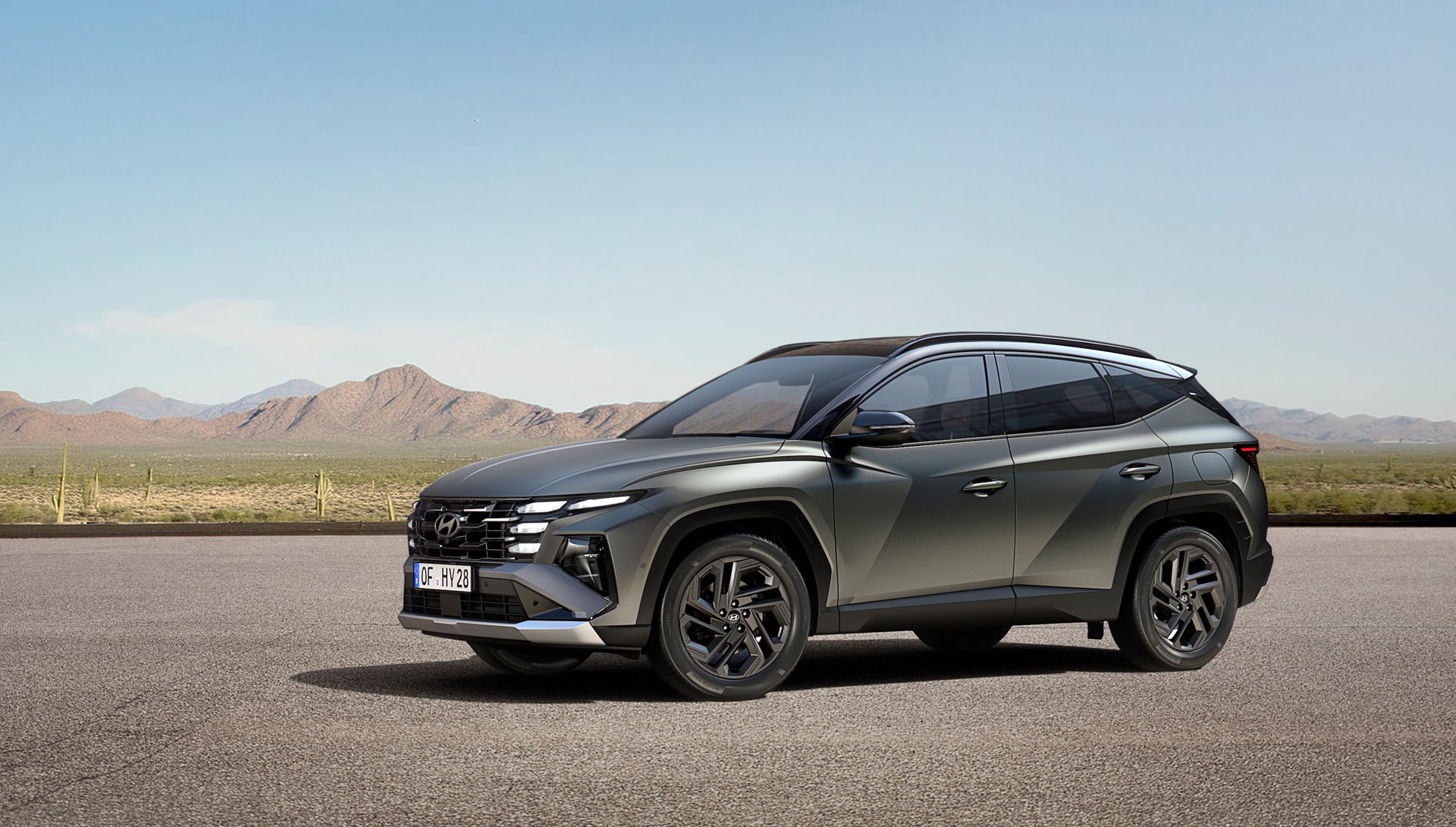
The Tucson PHEV is probably the most balanced of the five. A 13.8 kWh battery housed under the cabin floor, 558 litres of trunk —the largest in the comparison, and without tricks: VDA figure with the battery already installed— and HTRAC all-wheel drive as standard, which not all rivals offer at this price. Homologated electric range of around 62 km, somewhat tight compared with the Cupra or Peugeot.
| Power | Electric range | Fuel | Label |
|---|---|---|---|
| 195 kW / 265 CV | ~62 km WLTP | PHEV | CERO |
Where it wins: the king of trunk space in the segment and a 5-year warranty with no mileage limit. Where it loses: short electric range for what 2026 demands, and consumption with an empty battery somewhat above expectations.
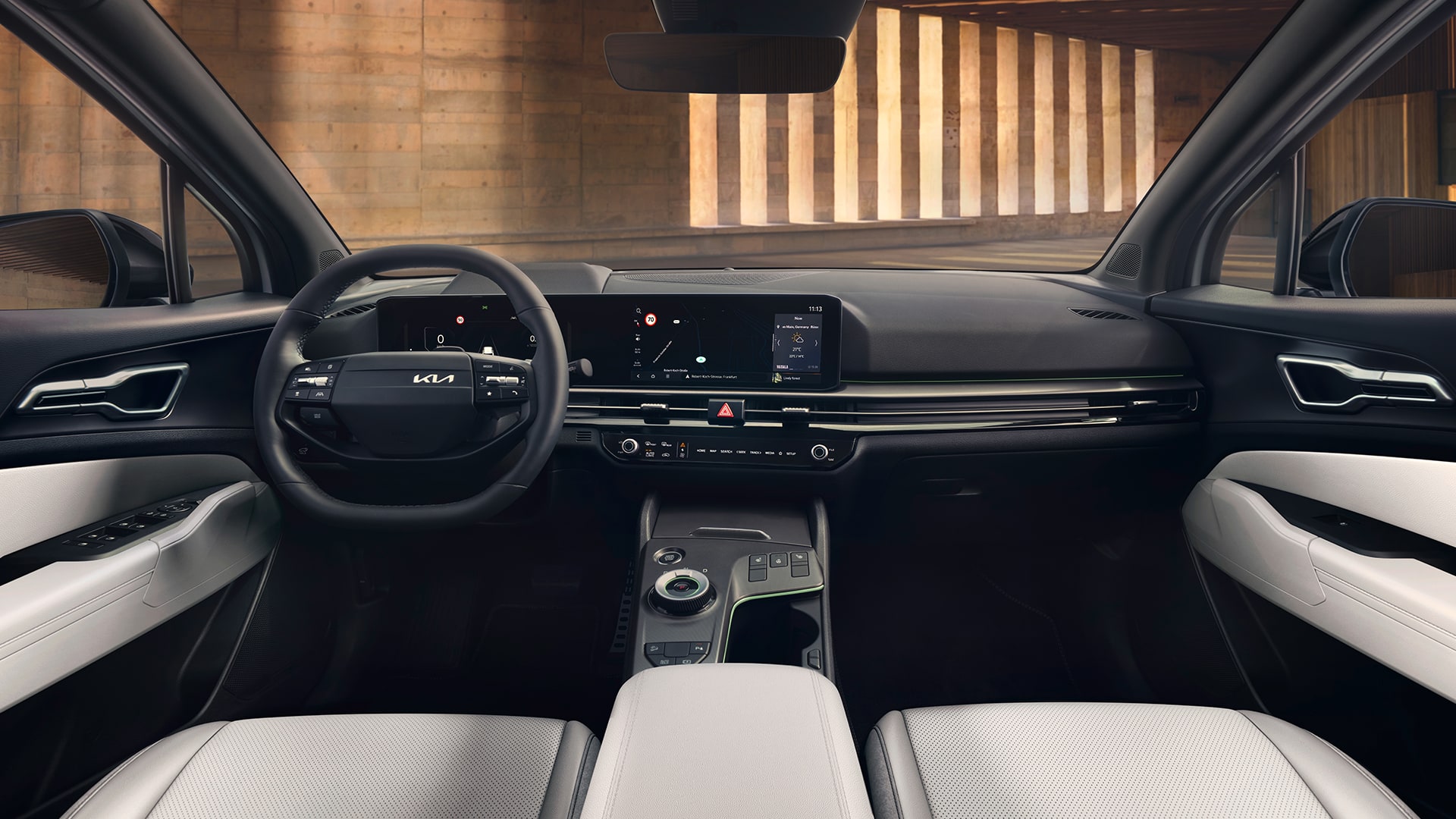
5. Kia Sportage PHEV — from 41,290 €
Technical sibling of the Tucson but with a different setup: a slightly firmer suspension, a more digitally focused interior and a 540-litre trunk that falls just short of the Hyundai due to the tailgate geometry. Same 265 CV combined powertrain, same all-wheel drive, same 7-year warranty (the best in the ranking). For the buyer seeking the Korean package with a more emphatic exterior design, the Sportage is the answer.
| Power | Electric range | Fuel | Label |
|---|---|---|---|
| 195 kW / 265 CV | ~62 km WLTP | PHEV | CERO |
Where it wins: a 7-year warranty, with no rival in the list. Where it loses: an interior that is visually a little busier than the Tucson’s, a matter of taste but a real one.
Summary table and scoring
| Model | Trunk (l) | Electric range | Power | Price from | Warranty | Score /10 |
|---|---|---|---|---|---|---|
| Cupra Terramar e-Hybrid | ~400 | ~120 km | 272 CV | 44,500 € | 3 years | 8.5 |
| Peugeot 3008 Hybrid | 520 | ~85 km | 195 CV | 42,400 € | 3 years | 8.2 |
| Ford Kuga PHEV | 435 | ~65 km | 225 CV | 41,900 € | 3 years | 7.6 |
| Hyundai Tucson PHEV | 558 | ~62 km | 265 CV | 40,750 € | 5 years | 8.7 |
| Kia Sportage PHEV | 540 | ~62 km | 265 CV | 41,290 € | 7 years | 8.6 |
Verdict by use case
- For a family that charges at home every night and drives few kilometres a day: Cupra Terramar e-Hybrid. The 120 km electric range turns daily use into 100% electric driving. Note the RRP: it is 9% above the Tucson, within an acceptable but noticeable margin.
- For general family use with trunk space as the absolute priority: Hyundai Tucson PHEV. The 558 litres and the 5-year warranty win out. It is the most rational choice in the ranking.
- For price-performance balance and long-term peace of mind: Kia Sportage PHEV. The 7-year warranty tips the scales if the car is going to be kept for more than four years.
- For those who prioritise interior design and a European car feel: Peugeot 3008 Hybrid. Very competitive trunk and distinctive styling, with the reservation of the PureTech track record.
- For a tight budget within the segment: Ford Kuga PHEV. It already runs the most proven powertrain, although the interior weighs against it.
If we had to choose just one with our own money, it would be the Tucson PHEV. It is not the quickest, nor the one offering the most electric range, but it best meets what we asked for here: a battery that doesn’t steal space and a trunk that handles family life without excuses. And its close, very similar alternative is the Jeep Compass 4xe, as seen in our recent review, which falls outside this top list due to its smaller real cargo capacity.
Frequently asked questions
What exactly does “underfloor battery” mean in a C-SUV PHEV?
It means the cell pack is housed in the central tunnel and under the seats, not under the trunk floor. This architecture allows the cargo volume to remain close to that of the petrol version. The Cupra Terramar, Peugeot 3008, Hyundai Tucson and Kia Sportage do it this way; the Ford Kuga uses a mixed solution that also preserves the trunk well.
Can I access the Plan Auto+ by buying one of these PHEVs?
Yes, C-SUV PHEVs with a CERO label fall under the Plan Auto+ framework as long as they meet the current requirements (minimum electric range, maximum RRP, optional scrappage). The amounts are updated periodically, so it is advisable to check the official website before signing.
Is the WLTP electric range achieved in real life?
No, almost never. It is usual to obtain between 60% and 80% of the homologated figure depending on temperature, air-conditioning use and speed. A 120 km WLTP Terramar drops to 80–95 real km in summer and falls further in winter.
Is a PHEV worth it if I don’t have a charging point at home?
Honestly, no. A PHEV without regular charging weighs more, consumes more than a conventional hybrid and loses its raison d’être. If you cannot charge at home or at work almost daily, a self-charging HEV is more logical and cheaper.
