

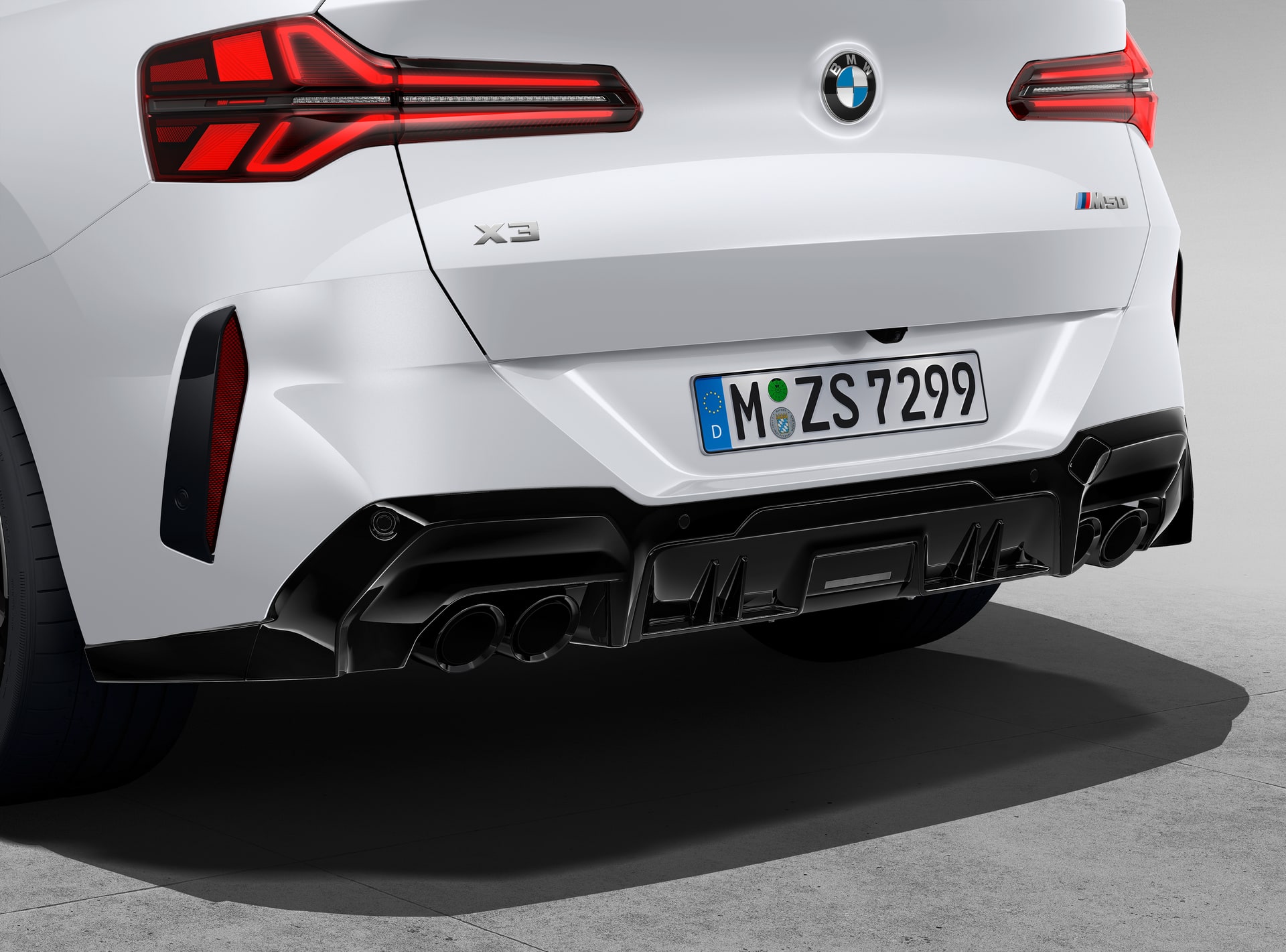
The premium mid-size PHEV SUV segment has become the natural choice for families who are not yet ready to go fully electric but want to get away from diesel. Within that category, two cars compete for the family’s attention when the budget stays below €75,000: the BMW X3 xDrive30e and the Volvo XC60 Recharge in its T6 PHEV version. Both can be plugged in, both carry the CERO environmental label, and both have a very different approach to family use.
From the initial list of candidates, we have excluded, on editorial grounds, other Asian proposals that often slip into this type of analysis. Neither BYD nor Nissan appears in this comparison: it is not a comparison of the best-known brands, but of the models that in our view best fit what a family buying a premium mid-size PHEV SUV in Spain today is looking for. With that clarified, let us move on to the two that do qualify.
Before getting into the details, a reminder worth keeping in mind: the prices we quote are the manufacturer’s recommended retail prices, without dealer discounts, promotional campaigns or purchase grants such as the Plan Auto+ scheme. For the exact amount of any current subsidy, it is best to check the official website.
Why these two premium mid-size PHEV SUVs and not others
The X3 xDrive30e and the XC60 Recharge have spent years refining the same recipe: a 2.0 turbo petrol engine, an electric motor integrated into the gearbox and a battery of roughly 17–19 kWh usable. The difference is that Volvo has taken a significant step forward with its latest update — it now delivers 350 hp combined and is rated for close to 80 km of electric driving — while BMW maintains a proposition that is more modest in figures but also more dynamically balanced. Both fit below €75,000 in their entry configuration, and both are sold in Spain today without eccentric waiting lists.
BMW X3 xDrive30e (from ≈€71,400)
The X3 xDrive30e uses BMW’s classic 2.0 turbo petrol engine combined with an electric motor integrated into the eight-speed gearbox. It produces around 290 hp combined and 420 Nm, takes the car from 0 to 100 km/h in about 6 seconds and is rated for close to 50 km of electric range with a battery of about 17.5 kWh. Official combined fuel consumption is approximately 2 l/100 km and around 21 kWh/100 km in electric mode. CERO label.
In practice, it is the X3 we have always known — precise steering, a rear end that communicates well — with the advantage of being able to make the home-to-office commute on electric power if it is charged every night. The drawback is that the official 50 km can drop to 35–40 real kilometres in winter, and that is where the Volvo gains the upper hand.
| Power | 0-100 | Electric range | Combined consumption | Label | Fuel |
|---|---|---|---|---|---|
| 220 kW / 290 hp | ≈6 s | ≈50 km | ≈2 l/100 km | CERO | PHEV petrol |
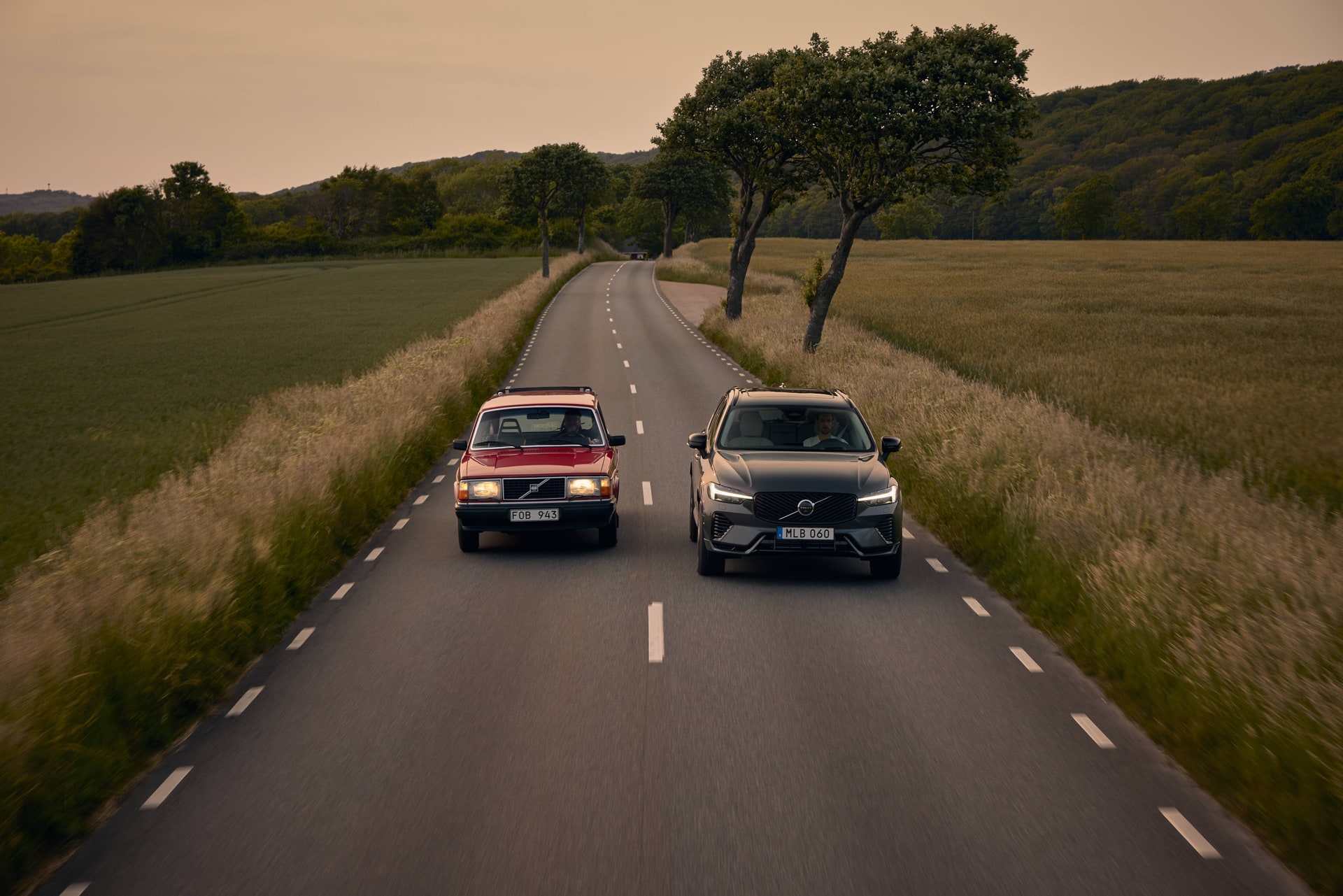
Volvo XC60 Recharge T6 PHEV (from around €74,000)
The XC60 Recharge T6 is the most ambitious evolution of the Swedish plug-in hybrid. 350 hp combined, 710 Nm of torque, 0-100 km/h in about 5.5 seconds and — above all — a usable battery close to 19 kWh that allows it to be rated for around 80 km of electric driving. Combined consumption of around 1.5 l/100 km and about 19 kWh/100 km electric. CERO label.
It is quicker in a straight line than the BMW and considerably more autonomous when plugged in, although in exchange it is heavier (around 2,130 kg compared with the ≈2,050 kg of the X3) and its suspension tuning favours comfort over reactivity. Google built in as standard, a cabin that feels calm and a high driving position that appeals strongly to family buyers. On paper, and on the road too, it is the most balanced proposition for those who do a lot of urban mileage and charge at home.
| Power | 0-100 | Top speed | Electric range | Combined consumption | Label | Fuel |
|---|---|---|---|---|---|---|
| 260 kW / 350 hp | ≈5.5 s | ≈180 km/h | ≈80 km | ≈1.5 l/100 km | CERO | PHEV petrol |
Real electric range and daily running cost
Here there is no tie. The Volvo is rated for 80 km electric and the BMW for 50. In real use, and being cautious with the official figures, the XC60 manages 55–65 real kilometres when plugged in every night, which covers 90% of the urban and peri-urban journeys of an average family. The X3, between 35 and 42 real kilometres. The difference is not cosmetic: it translates into how many days a week you need to visit a petrol station. This is precisely the kind of nuance we analyse in more detail in our guide to real cost per kilometre with overnight charging.
With the battery depleted, the picture changes. Both hover around 7–8 l/100 km real consumption on motorways, which is logical given their weight. Neither is a marvel in that scenario, and anyone who makes long journeys without the ability to charge should reconsider the PHEV logic — something we already clarified in this guide on real PHEV consumption with a depleted battery.
Space, family and comfort on board
The BMW measures around 4,710 mm in length, the Volvo around 4,690 mm. Minimal differences from the outside, more noticeable from the inside. The X3 offers generous rear seating and a boot that, even with the battery, is around 450 litres. The XC60 falls slightly short in boot capacity but wins on cabin feel — more enveloping seats, materials that age better, acoustic insulation a step above. For travelling with children, the Volvo conveys more calm; for enjoying corners, the BMW.
Comparison table
| Model | Power | Electric range | Combined consumption | Length | Weight | Price from | Fuel | Overall score |
|---|---|---|---|---|---|---|---|---|
| BMW X3 xDrive30e | 290 hp | ≈50 km | ≈2 l/100 km | 4,710 mm | ≈2,050 kg | ≈€71,400 | PHEV petrol | 8.2 |
| Volvo XC60 Recharge T6 | 350 hp | ≈80 km | ≈1.5 l/100 km | 4,690 mm | ≈2,130 kg | ≈€74,000 | PHEV petrol | 8.6 |
Where each one wins
- BMW X3 xDrive30e wins on driving dynamics and on a slightly more modest entry price. It is the car to choose if the main driver enjoys driving and does not want to give up the BMW character.
- Volvo XC60 Recharge T6 wins on rated electric range (60% more) and on family comfort. It is the car to choose if use is mostly urban and peri-urban with overnight charging available.
Verdict
- For urban and peri-urban use with overnight charging: Volvo XC60 Recharge T6. The rated 80 km mean that on many days not a drop of petrol is needed.
- For dynamic driving and an engaged driver profile: BMW X3 xDrive30e. It is still the X3 one expects, with a plug.
- Price-to-performance ratio: BMW X3 xDrive30e by around €2,500–3,000 less in entry configuration; the gap is below 15% but it is real.
Frequently asked questions
Which one has more real electric range?
The Volvo XC60 Recharge T6, with around 80 rated kilometres compared with the BMW X3 xDrive30e’s 50 km. In real winter use, the difference remains proportionally the same.
Is the Volvo’s price premium over the BMW worth it?
If you charge daily at home, yes — it pays for itself in fuel savings within a few years. If there is no reliable charging point, the XC60’s advantage diminishes and the X3 gains ground.
Do both have the DGT CERO label?
Yes. Both exceed the minimum rated electric range of 40 km, so both qualify for low-emission zones without restrictions.
Are they eligible for the Plan Auto+ scheme?
As PHEVs with the CERO label, both fall within the Plan Auto+ framework. The exact amount and the current conditions should be confirmed on the official website before signing a contract.

6 Comments
Pingback: Qué es realmente el modo eléctrico puro de un SUV PHEV y por qué la autonomía WLTP casi nunca se cumple – Comparativa de Coches
Pingback: Cómo elegir un SUV PHEV premium en 2026 según el tiempo real de recarga en wallbox doméstico de 7,4 kW – Comparativa de Coches
Pingback: Volvo XC90 T8 Recharge vs Range Rover Sport P460e: qué SUV-D PHEV de 7 plazas rinde mejor en viaje largo con familia – Comparativa de Coches
Pingback: Qué es realmente un SUV PHEV con tracción total eléctrica en el eje trasero y cómo cambia la conducción – Comparativa de Coches
Pingback: Cómo elegir un SUV eléctrico en 2026 según cuántos viajes largos haces al año y el tiempo que puedes dedicar a cargar – Comparativa de Coches
Pingback: Cómo elegir un SUV premium en 2026 según el coste real de mantenimiento a 5 años y la cobertura de garantía – Comparativa de Coches