

They share a platform, a factory and much of their technical DNA. But the Cupra Born and the Volkswagen ID.3 are not the same car in two different outfits, and the price gap between them means you need to look closely before signing. Here they are head to head, in the versions that really compete on the dealer forecourt: the Cupra Born 190 with a 58 kWh battery and the Volkswagen ID.3 Pure with 170 hp and 55 kWh.
A note before we get into it: the prices we use are the manufacturer’s recommended retail prices, without dealer discounts, financing campaigns or Plan Auto+ incentives. In practice, the final price often shifts quite a bit.
Two cars, one MEB platform
The Volkswagen Group has spent years getting the most out of the MEB platform, and these two are the clearest example of how one base gives products with different intentions. Same axles, same chassis, same 400 V architecture. Yet the tuning, the available power and the brand message separate them more than the spec sheet suggests.
The Born was conceived with a sporty purpose. The ID.3 started out as the “people’s electric car” that was going to do for BEVs what the Golf did in the seventies. Several years, multiple updates and a price repositioning have passed since then.
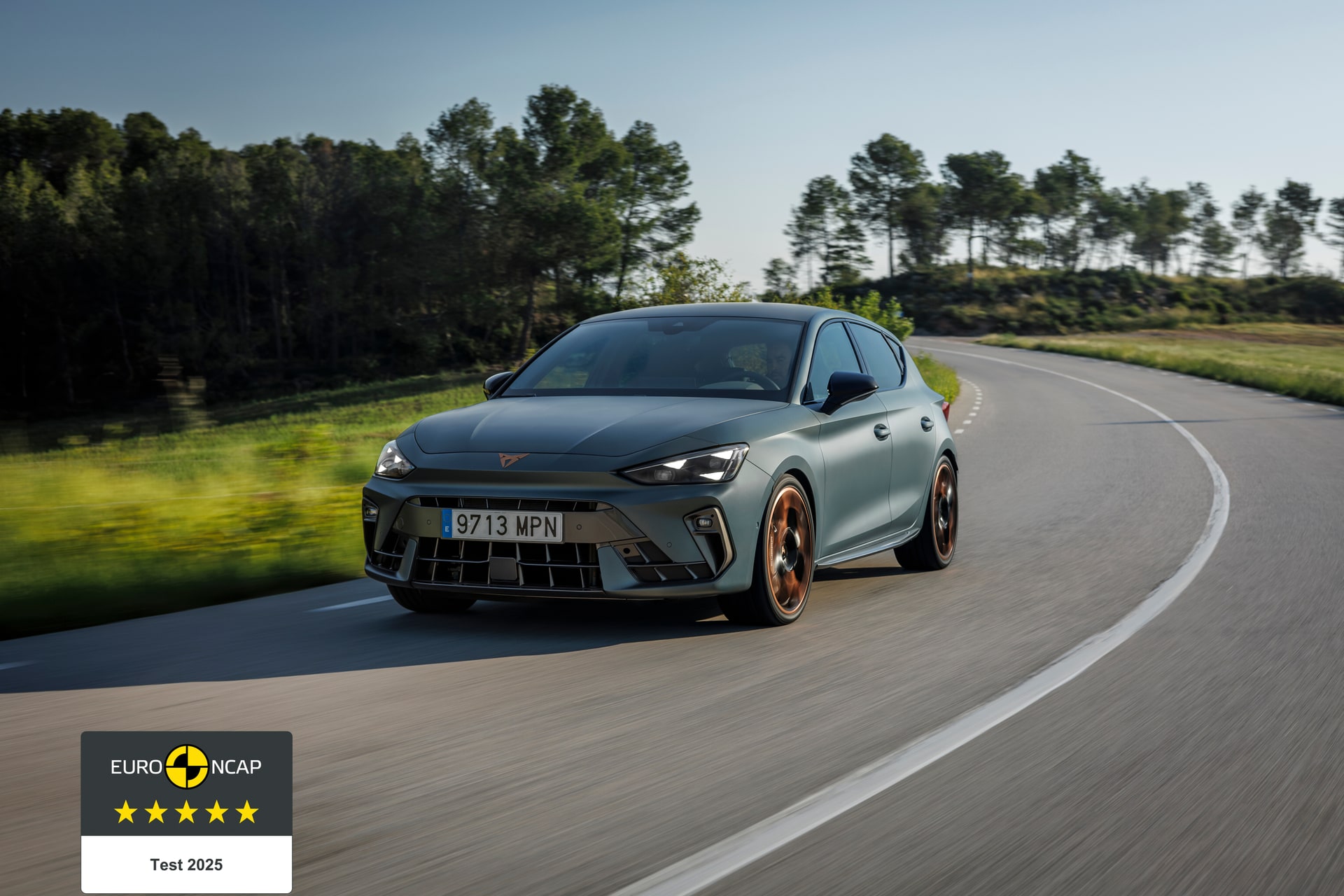
Cupra Born 190 58 kWh: the MEB with attitude (from ≈39,500 €)
The Born is, in my view, the most resolved MEB aesthetically. Sharp headlights, a rear with a continuous light signature, and bucket-style seats in the more generous trim levels. The version we are looking at here is the one with 190 hp and a usable 58 kWh battery, which is the one that matches the ID.3 Pure in format.
On the road, the Born feels a step above the equivalent ID.3: more direct steering, a slightly firmer setup, and throttle response with less filtering. It is not an electric GTI, since it weighs too much for that, but it is the MEB that conveys sporty intent best without punishing your back over a speed bump.
| Power kW | Power hp | Top speed | Fuel |
|---|---|---|---|
| ≈140 kW | ≈190 hp | ≈160 km/h | Electric |
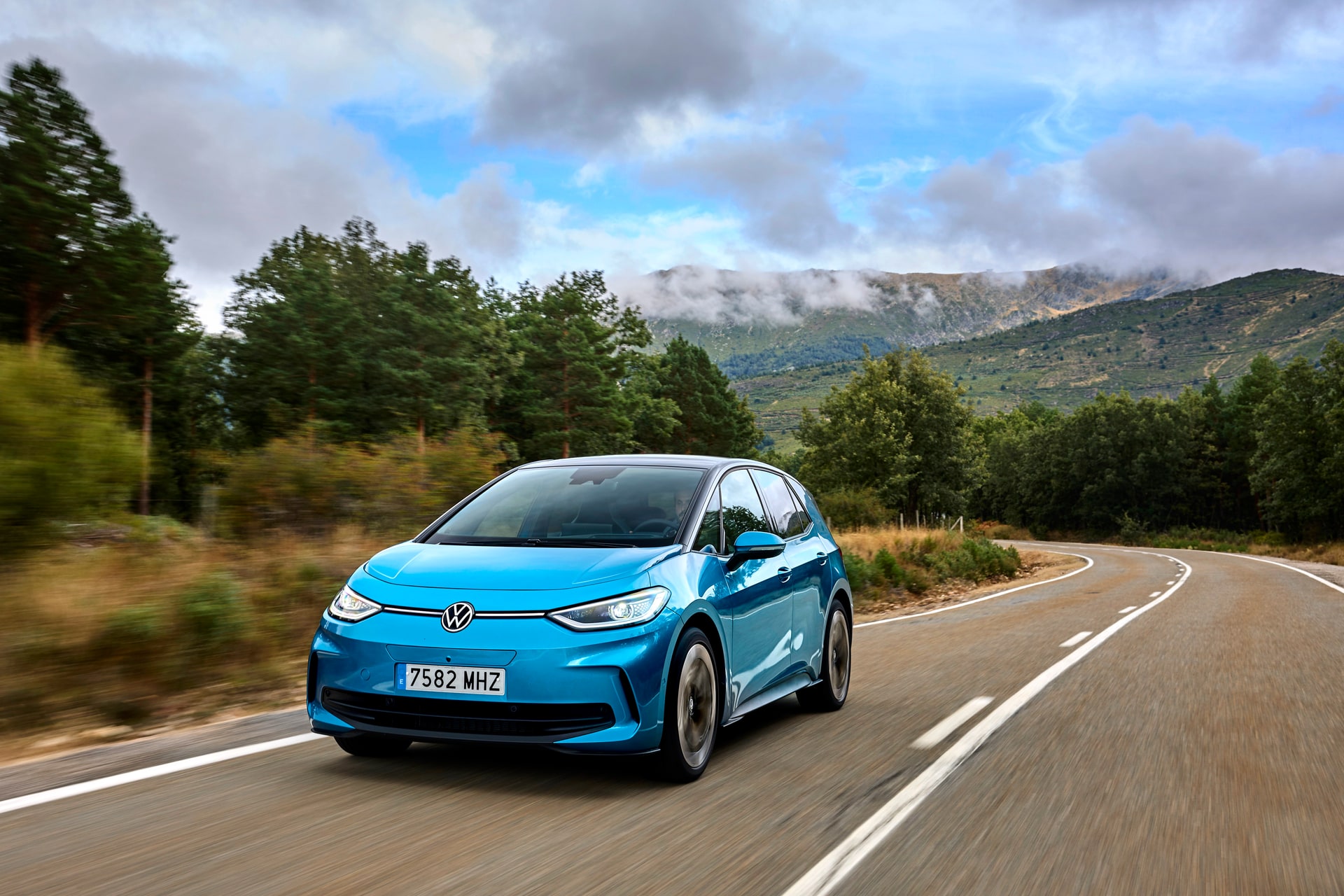
Volkswagen ID.3 Pure 170 hp 55 kWh: balance and entry price (from ≈36,300 €)
The ID.3 Pure is the entry point into the range. Less power, a slightly smaller battery and an approach focused more on everyday use. 170 hp, a 55 kWh battery and roughly 380 km of homologated range, which in real mixed use translates into quite decent figures for anyone who doesn’t spend their life on motorways.
Where the ID.3 falls short of its Cupra sibling is in perceived interior quality. There was controversy over the plastics in the early units and, although Volkswagen has been correcting things, the dashboard still doesn’t convey what you expect from the brand. The infotainment system has improved with the latest software updates, though it took its time.
| Power kW | Power hp | Top speed | Range | Battery | Fuel |
|---|---|---|---|---|---|
| ≈130 kW | ≈170 hp | ≈160 km/h | ≈380 km | ≈55 kWh | Electric |
Where each one wins
The Born clearly wins in two areas: it has 20 hp more (something you notice when overtaking and pulling away from a standstill) and offers a more resolved exterior and interior design. The dynamic feel also works in its favour, being more direct, with steering that doesn’t blur through corners.
The ID.3 Pure strikes back on two other fronts: it costs about 3,200 € less in RRP, a gap that doesn’t reach 15% but does matter if you are right at the limit of your budget. And, weighing slightly less and coming with a softer setup, it is more comfortable on urban routes with poor road surfaces. For someone looking for an unpretentious electric car, it does the job.
Comparison table
| Model | Power | Battery | Range | Top speed | Price from | Score |
|---|---|---|---|---|---|---|
| Cupra Born 190 58 kWh | ≈190 hp | ≈58 kWh | data not available in the official specification sheet provided | ≈160 km/h | ≈39,500 € | 8.2 / 10 |
| Volkswagen ID.3 Pure 170 | ≈170 hp | ≈55 kWh | ≈380 km | ≈160 km/h | ≈36,300 € | 7.8 / 10 |
Price and equipment: what the difference pays for
The gap of ≈3,200 € between the Born 190 and the ID.3 Pure is not dramatic, but it exists. What do you get in return? More power, a better interior finish, more considered styling and a slightly sportier setup. Is it enough? That depends on how you use it.
If your case is pure daily commuting, short trips and charging at home, paying 3,200 € extra for the Born’s additional 20 hp is questionable. If, on the other hand, you value the design, make medium-distance trips and enjoy driving, the premium is justified. To put the price jump in context, some people consider other options, such as the electric SUV-B compacts we recently analysed, although they play in a different body-style league.
Verdict by use case
- For urban and suburban use on a tight budget: Volkswagen ID.3 Pure. Sufficient power, comfortable range for daily routine and a lower initial outlay.
- For those who want to enjoy driving and value design: Cupra Born 190. It is the most emotionally resolved MEB, and the extra 3,200 € is justified if you will make use of it.
- Best pure price-performance ratio: Volkswagen ID.3 Pure. It offers 90% of the experience for about 8% less money.
FAQ
Do the Cupra Born and the Volkswagen ID.3 share a battery?
They share the MEB platform and the general architecture, but the versions compared here have slightly different capacities: 58 usable kWh in the Born 190 and 55 kWh in the ID.3 Pure.
Which one has the better real-world range on the motorway?
The ID.3 Pure is homologated at around 380 km. On the motorway at 120 km/h, both lose efficiency in a similar way since they share aerodynamics and platform, although the ID.3 Pure, having less power and a softer setup, tends to return slightly better consumption.
Are both eligible for Plan Auto+?
As pure electric cars sold in Spain, they fall within the Plan Auto+ incentive framework. Check the official website for the amounts and current requirements, which change depending on the campaign.
Is it worth waiting for an ID.3 update?
Volkswagen has been updating the ID.3 via software and facelifts. If you are not in a hurry, it may pay to wait for stock of the latest available update; if you need a car straight away, the current Pure version meets the essentials without reservation.
