

Choosing an electric SUV in 2026 remains a balancing act. A large battery makes the car more expensive, but a small one leaves you stranded on the A-3 on a sunny August Sunday. And the WLTP figure, as everyone knows, is that optimistic number the on-board computer later tempers with a sad smile. Let’s set out a quantitative framework — no hunches — to decide which electric SUV is worth buying based on your actual use.
The framework: €/km WLTP and the real-world range correction factor
The idea is simple. Divide the car’s RRP by its homologated WLTP kilometres and you get the cost per kilometre of range purchased. A sensible electric SUV in 2026 should fall between €65 and €90 per WLTP km. Below €65/km is a bargain; above €100/km, you are paying for the badge or performance, not for range.
The second number is the real/WLTP correction factor. In our measurements and those of independent media such as km77, a modern electric SUV at 120 km/h on the motorway delivers between 75% and 85% of its WLTP figure. Aerodynamic saloons hover around 0.85; tall, heavy SUVs drop to 0.70–0.75. Multiply the WLTP range by your estimated factor and you will have the real-world range you will see on the display.
A third figure that cannot be ignored: the peak DC charging power. Below 100 kW in 2026, the car is not designed for long journeys. The recommended minimum for mixed use is 150 kW; for frequent long-distance travel, preferably 200 kW or an 800V architecture.
Tesla Model Y RWD — from €44,990
It remains the yardstick. The entry-level rear-wheel-drive version is homologated at 500 km WLTP and, on the motorway at legal speeds, drops to around 380 real km (factor 0.76). The calculation gives ≈€90/km WLTP, at the upper end of what is reasonable, but offset by access to Supercharger network and 250 kW peak charging.
| Power kW | Power CV | WLTP range | Label | Fuel |
|---|---|---|---|---|
| 220 kW | 299 CV | 500 km | Zero | Electric |
Where it wins: its own charging network and software. Where it loses: perceived interior quality — the jump to a European premium car is noticeable — and a firm ride on broken surfaces.
Kia EV6 Air RWD — from €47,965
E-GMP 800V platform, the great differentiator. With the 84 kWh battery in the updated version, it is homologated at 582 km WLTP and maintains around 440–450 real km at motorway pace (factor ≈0.77). The ratio comes to ≈€82/km WLTP, better than the Tesla on paper. But what is decisive is charging: 258 kW peak and a very flat curve, with 10–80% in just over 18 minutes when the charger keeps up.
| Power kW | Power CV | WLTP range | Label | Fuel |
|---|---|---|---|---|
| 168 kW | 229 CV | 582 km | Zero | Electric |
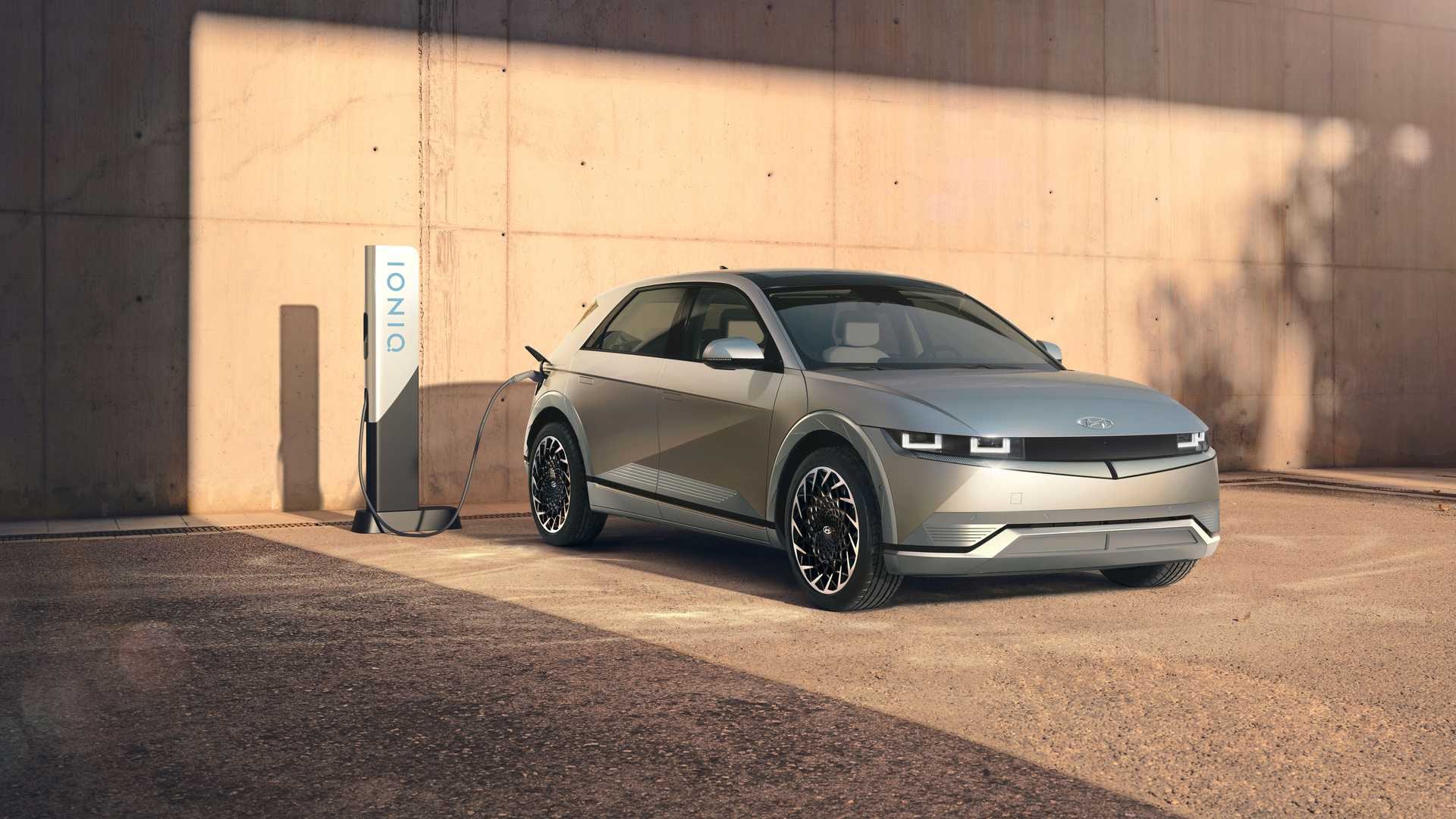
Where it wins: fast charging and a 7-year warranty. Where it loses: a somewhat tight boot (480 litres) for its external size and rear visibility that can be uncomfortable. A common pattern in the segment, by the way, which we already saw when comparing the EV6 with its cousin the Hyundai IONIQ 5.
Peugeot E-3008 Long Range — from €48,740
The European entrant competing on pure range. With a 97 kWh battery, Peugeot homologates 700 km WLTP, an ambitious figure that in practice translates to around 510–530 real km at 120 km/h (factor ≈0.75). The ratio stands at ≈€70/km WLTP, the best of the three. Charging, however, tops out at 160 kW, sufficient but not spectacular — 10–80% takes a good 30 minutes.
| Power kW | Power CV | WLTP range | Label | Fuel |
|---|---|---|---|---|
| 170 kW | 231 CV | 700 km | Zero | Electric |
Where it wins: homologated range and interior design (the panoramic i-Cockpit is, in my view, one of the most resolved in the segment). Where it loses: a less agile official service network than the Korean one, and a small steering wheel ergonomic that still divides opinion.
Comparison table and scoring
| Model | Price from | WLTP range | Estimated real range | €/km WLTP | Peak DC charging | Boot | Warranty | Score |
|---|---|---|---|---|---|---|---|---|
| Tesla Model Y RWD | €44,990 | 500 km | ≈380 km | €90/km | 250 kW | 854 l | 4 years | 8.2 |
| Kia EV6 Air RWD | €47,965 | 582 km | ≈445 km | €82/km | 258 kW | 480 l | 7 years | 8.5 |
| Peugeot E-3008 LR | €48,740 | 700 km | ≈525 km | €70/km | 160 kW | 520 l | 3 years | 8.3 |
As a complementary framework, real motorway range for electric SUVs under €55,000 gives us a ranking consistent with the figures above.
Verdict by use case
- Urban and peri-urban use with a home charger: Tesla Model Y RWD. Supercharger access is not needed daily, but you appreciate it when travelling. It is the one that demands the least planning.
- Frequent long journeys with short stops: Kia EV6 Air RWD. The 800V architecture makes a real difference on the motorway — you recharge while having a coffee, not while eating a full meal. The 7-year warranty is a psychological cushion worth its weight.
- Best pure price-to-range ratio: Peugeot E-3008 Long Range. If your criterion is spending less per km of homologated range and you are not in a hurry for charging to drop below 25 minutes, it is the most rational decision. The RRP gap with the Tesla is around 8%, but you buy 40% more WLTP range.
And if your use is mixed with no clear pattern? In our view the EV6 imposes the fewest compromises. Pay the extra €3,000 over the Tesla if you value fast charging; stick with the Tesla if you value the network. The Peugeot enters the equation when the budget reaches €48,000–50,000 and you prioritise not stopping.
Finally, remember that the Plan Auto+ remains the current framework of aid in Spain; check the updated amounts on the official website before closing on a final figure, as they may shift the €/km ratio enough to change the winner in your specific case.
Frequently asked questions
What WLTP-to-real correction factor should I apply to an electric SUV in 2026?
Between 0.75 and 0.85 depending on body style and speed. A tall C-segment SUV at 120 km/h sits at 0.75–0.78; an aerodynamic SUV-style saloon can reach 0.82–0.85. For long-distance calculations, always use the conservative factor.
What is a reasonable €/km WLTP ratio for considering an electric SUV well bought?
Below €75/km WLTP the car is cheap relative to its range; between €75 and €95/km is the normal market band in 2026; above €100/km you are paying for the brand, performance or premium trim, not for kilometres.
What minimum DC charging power does an electric SUV need to travel without frustration?
In 2026, the practical threshold is 150 kW of sustained peak. Below that, charging stops on long journeys become so long that they cancel the advantage over a hybrid. The 800V architecture (Kia EV6, Hyundai IONIQ 5) is the top reference.
Is it worth paying more for a large battery if I charge at home and do few long trips?
Usually not. If your pattern is 90% urban/peri-urban with a home wallbox, a 60–70 kWh battery is enough and avoids carrying dead weight every day. A large battery pays off when you make more than 3–4 long trips a month.
