

Talking about Level 2+ ADAS in 2026 is murky ground. Almost every brand boasts of “semi-autonomous driving” in its brochures, but when you sit down with the configurator the small print appears: active centring is optional, assisted lane change comes in a 1,800 euro pack, and predictive curve recognition only arrives with the top trim. In the premium compact SUV segment — where customers expect to pay for technology — this is especially jarring.
We selected five of the best-selling premium compact SUVs in Spain and went straight to the point: which assistants come fitted from the factory without ticking a single extra box. Not what is available. What comes fitted.
What we mean by real Level 2+ ADAS in 2026
Level 2 is longitudinal control (ACC) plus lateral control (lane centring) working simultaneously, with the driver supervising. The “+” implies a qualitative leap: assisted lane change with indicator confirmation, predictive ACC that adjusts speed according to curves and signs, speed limit recognition with automatic adaptation, and in some cases braking for obstacles at junctions. It is not autonomous driving. It is a co-pilot that takes the workload off you on motorways and in traffic jams.
The problem is that the industry uses “Level 2+” very loosely. A system that only keeps lane and speed should not count. Our filter: to enter this list, the model must include as standard at least predictive ACC, active centring and sign recognition with automatic speed adjustment.
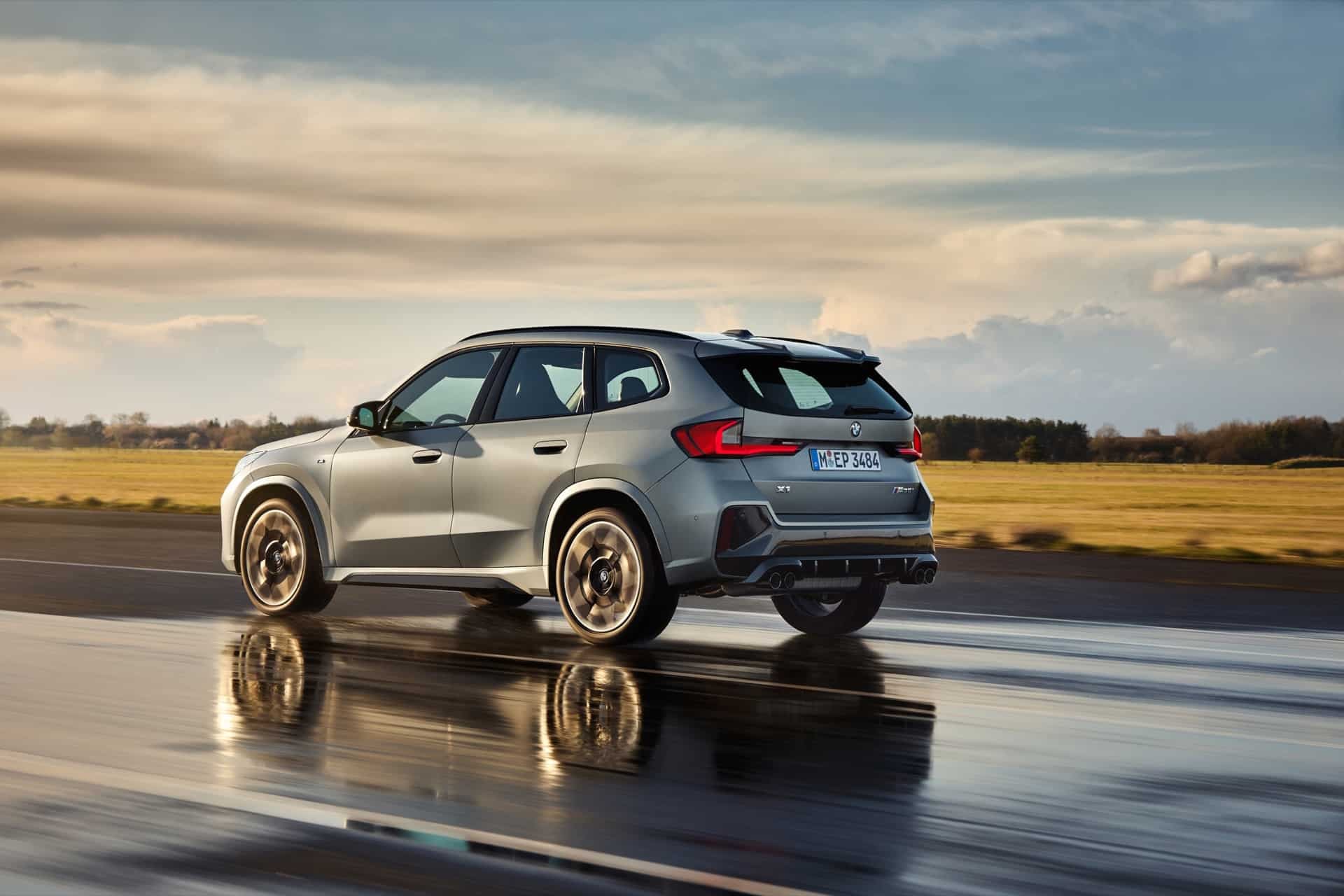
BMW X1 xDrive25e — from 54,900 €
In our view, the plug-in X1 best balances equipment and real-world usability. The Driving Assistant comes as standard and includes active cruise control with Stop&Go function, unintentional lane departure warning, city braking assistant and sign recognition. So far, so expected.
What is interesting is that BMW does not charge extra for basic active centring on motorways, something Audi and Mercedes do on their entry trims. That said, assisted lane change with indicator confirmation (Driving Assistant Professional) remains optional and costs around 1,400 euros. In practice, for daily use, the standard package does the job.
| Power kW | Power CV | WLTP consumption | Electric range | Label | Fuel |
|---|---|---|---|---|---|
| 180 kW | 245 CV | 0.8 l/100 km | 89 km | 0 | PHEV |
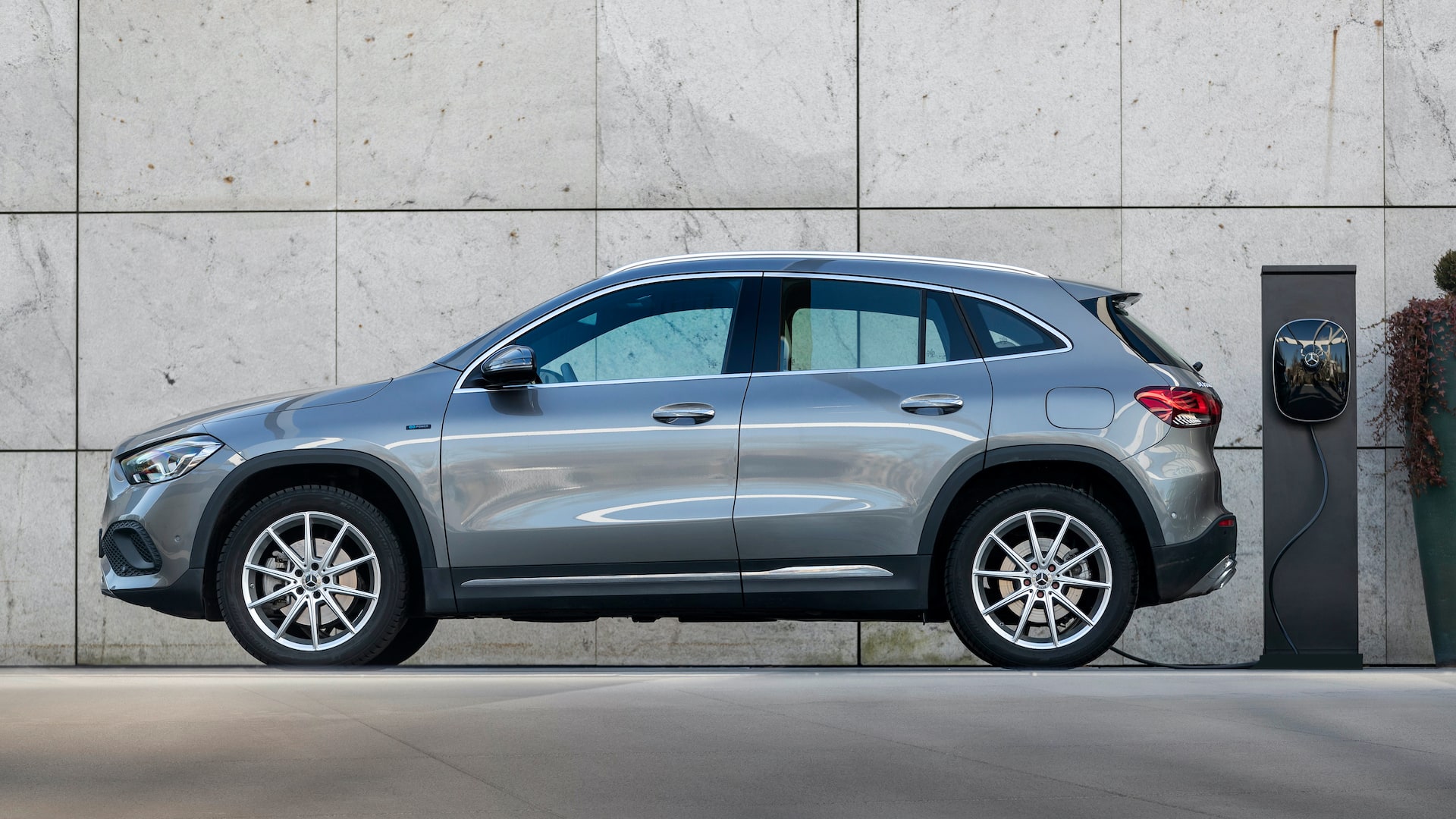
Mercedes-Benz GLA 250 e — from 52,400 €
The GLA 250 e comes as standard with the basic driver assistance package: ACC with DISTRONIC, active brake assist, blind spot warning and sign recognition with speed adjustment. Mercedes integrates sign reading with the ACC well — it brakes when you enter an 80 km/h zone without you asking.
The catch? To get real active centring across the full speed range you must step up to the Driver Assistance Plus Package, which costs around 1,900 euros. Without it, the GLA is left with a “poor” Level 2. In my view, Mercedes should include it as standard on a car that starts above 52,000 euros.
| Power kW | Power CV | WLTP consumption | Electric range | Label | Fuel |
|---|---|---|---|---|---|
| 160 kW | 218 CV | 1.1 l/100 km | 73 km | 0 | PHEV |
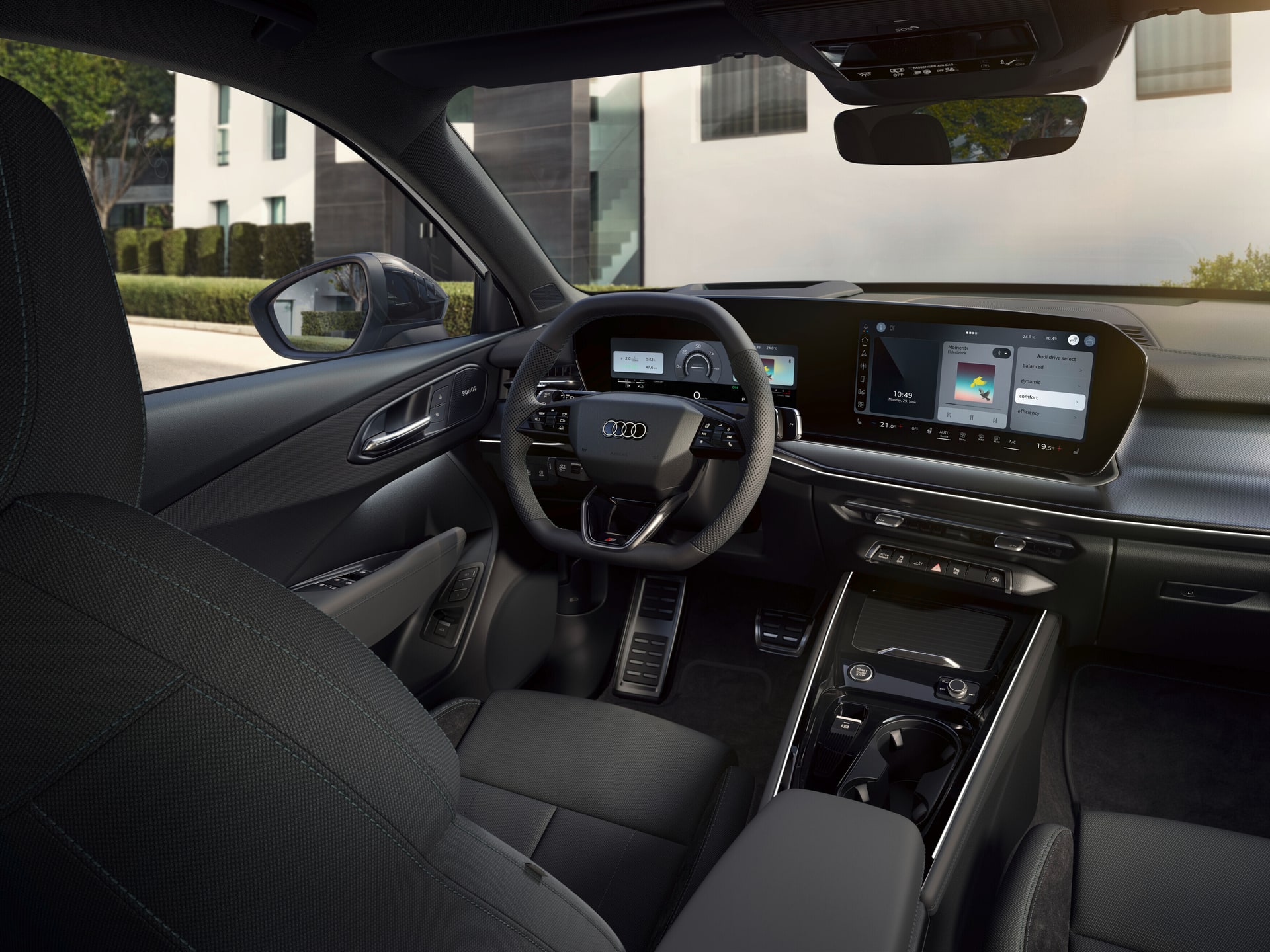
Audi Q3 45 TFSI e — from 51,800 €
Audi follows a philosophy similar to Mercedes: give just enough as standard and charge for extras in packs. The Q3 PHEV includes Audi pre sense front, lane change warning, adaptive speed limiter and sign recognition as standard. The ACC with Adaptive Cruise Assist lane assistant, which is what really delivers Level 2 functionality, is paid separately — about 1,600 euros in the Assistance package.
That said, once equipped, Audi’s system is one of the smoothest on the motorway. Steering corrections are discreet and do not “fight” you. But judging by what it includes as standard, the Q3 falls behind the X1.
| Power kW | Power CV | WLTP consumption | Electric range | Label | Fuel |
|---|---|---|---|---|---|
| 180 kW | 245 CV | 1.2 l/100 km | 73 km | 0 | PHEV |

Volvo XC40 Recharge — from 49,900 €
Here Volvo takes pride of place. The XC40 Recharge (electric version) includes Pilot Assist as standard, which combines ACC with active centring up to 130 km/h, sign recognition with automatic adjustment and autonomous braking at junctions. On paper, it is the most complete standard package of the five. And this is no coincidence: the brand has spent years positioning safety as its central argument.
Assisted lane change is not included, and that must be said. But the rest of real Level 2+ comes standard without packs. If you value standard ADAS above all else, the XC40 Recharge has the least small print.
| Power kW | Power CV | WLTP range | Consumption | Label | Fuel |
|---|---|---|---|---|---|
| 175 kW | 238 CV | 476 km | 16.7 kWh/100 km | 0 | Electric |
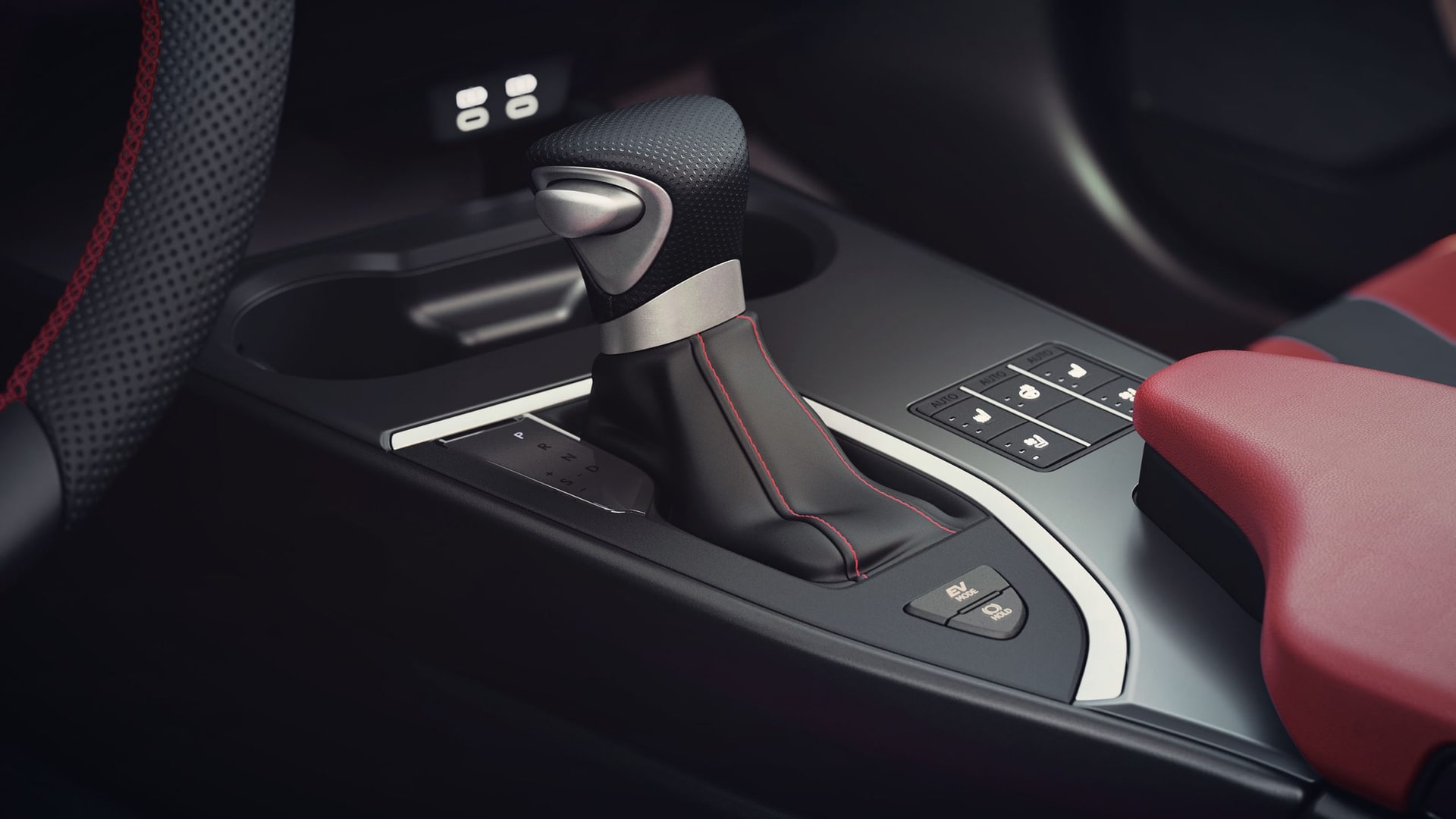
Lexus UX 300h — from 42,500 €
The UX 300h is the surprise. Lexus Safety System+ comes as standard with everything: predictive ACC with curves, Lane Tracing Assist (real active centring), sign recognition with automatic adjustment, proactive junction assistant and night-time pedestrian detection. For the price it starts at — around 10,000 euros less than the X1 PHEV — offering this equipment without options is a strong argument.
The system is not as refined as BMW’s in very fine corrections, and the screen still belongs to a previous generation. But in terms of “what real ADAS functions you receive for the base price”, it is unbeatable in the group. If you are interested in the topic from the angle of maintenance and the 5-year warranty, the Lexus scores points there too.
| Power kW | Power CV | WLTP consumption | Label | Fuel |
|---|---|---|---|---|
| 146 kW | 199 CV | 5.2 l/100 km | ECO | Hybrid |
Summary table with standard ADAS score
| Model | Price from | Standard predictive ACC | Standard active centring | Standard assisted lane change | Standard sign recognition | ADAS score /10 |
|---|---|---|---|---|---|---|
| Lexus UX 300h | 42,500 € | Yes | Yes | No | Yes | 9.0 |
| Volvo XC40 Recharge | 49,900 € | Yes | Yes | No | Yes | 8.8 |
| BMW X1 xDrive25e | 54,900 € | Yes | Yes (basic) | Optional | Yes | 8.0 |
| Mercedes GLA 250 e | 52,400 € | Yes | Optional | Optional | Yes | 6.5 |
| Audi Q3 45 TFSI e | 51,800 € | Optional | Optional | Optional | Yes | 5.5 |
Verdict by use case
For those seeking maximum standard ADAS without paying extras: Lexus UX 300h. For 42,500 euros you get the full Safety System+ fitted. There is no rival in equipment-to-price ratio — and the difference with the X1 PHEV exceeds 20% in list price, which matters.
For those prioritising system refinement on the motorway: BMW X1 xDrive25e. The Driving Assistant works with a smoothness that neither Audi nor Mercedes matches in their standard configuration. If you are going to add the Professional, it is the most coherent choice.
For those who put active safety above perceived luxury: Volvo XC40 Recharge. Pilot Assist as standard, brand philosophy and, moreover, pure electric. It is the most honest proposition in the group.
The Mercedes GLA and the Audi Q3 PHEV fall behind in this specific analysis, not because they are bad cars — far from it — but because they force you to dig into your wallet to reach real Level 2+. And that, in 2026 and at this price, is harder to justify.
Frequently asked questions
What exactly is Level 2+ in ADAS?
It is a system that combines adaptive cruise control and active lane centring simultaneously, with added capabilities such as predictive curve adjustment, sign recognition with automatic adaptation and, in some cases, assisted lane change. The driver remains responsible and must supervise at all times.
Does a premium compact SUV with Level 2+ ADAS drive itself?
No. No car on sale in Spain in 2026 drives itself legally. Level 2+ means advanced assistance, not autonomy. If you let go of the steering wheel for more than a few seconds, the system warns you and eventually disengages.
Is it worth paying for optional ADAS packs?
If you drive more than 15,000 km a year on the motorway, yes. The cost is usually between 1,400 and 1,900 euros and noticeably reduces fatigue on long journeys. If your use is mainly urban, the standard equipment of any of these five models covers the essentials.
Are standard ADAS the same across all trims of the same model?
Not necessarily. In this article we have taken the entry trim of each version mentioned. Moving up a trim usually adds functions (assisted lane change, 360 cameras, advanced parking assistant) without paying an extra pack. Always check the configurator for the specific trim you are interested in.
