

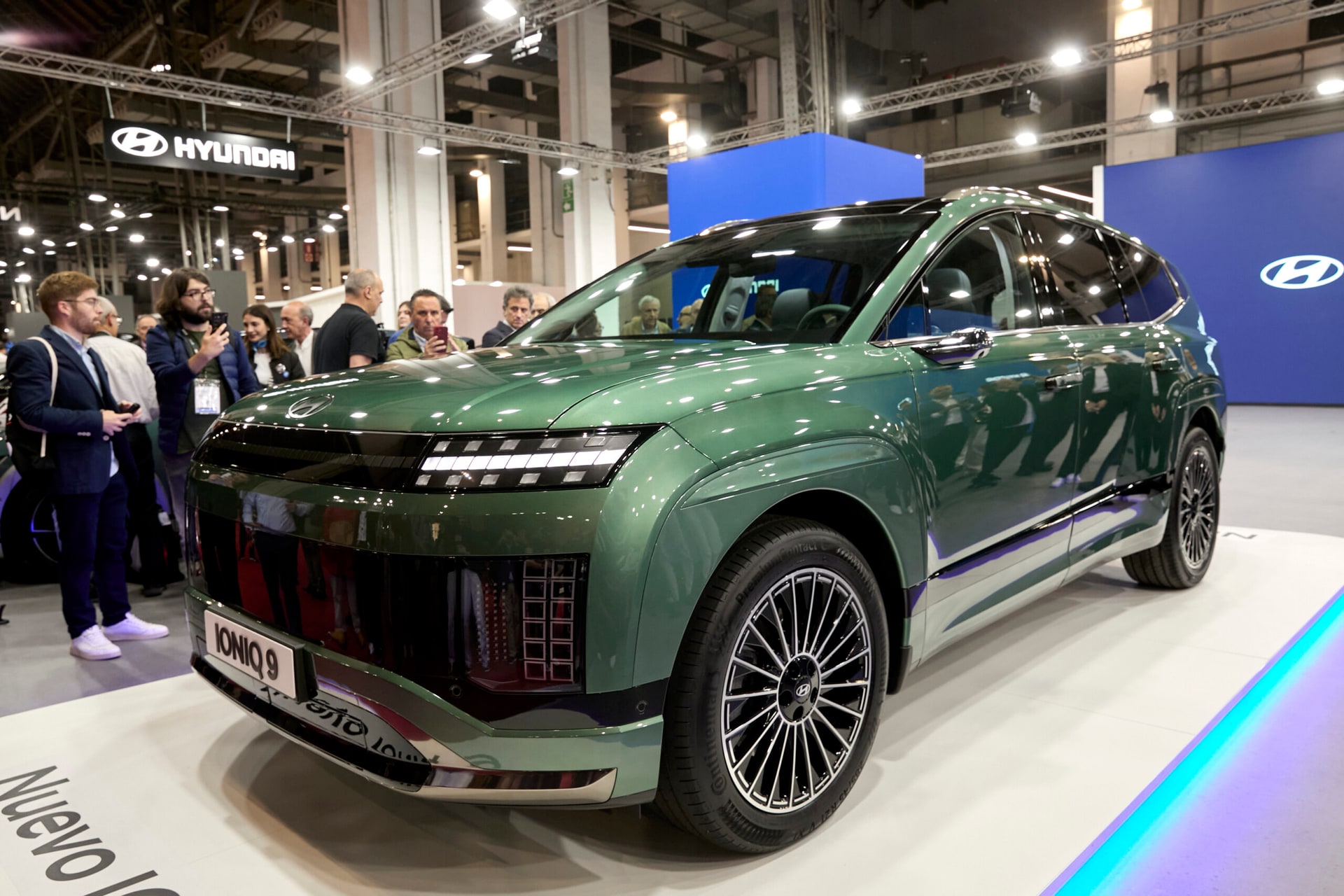
Choosing a mid-size electric SUV in Spain in 2026 still comes down, for many buyers, to two names: Hyundai IONIQ 5 and Tesla Model Y. They are the ones you see most, the ones most often researched and the ones that raise the most doubts at the dealership. And, despite sharing a segment and a price bracket, they approach the electric car in very different ways. This comparison gets straight to the point: which one makes more sense if you spend half your life on the motorway, which one if your routine is city and outskirts, and where each one clearly beats the other.
Before we get into it, an important note: the prices quoted are the manufacturer’s recommended RRP, without dealer discounts, one-off campaigns or Plan Auto+ aid. Treat them as indicative.
Two philosophies, one segment
The IONIQ 5 we are putting on the table is the Light trim with a 63 kWh battery and a 170 CV rear-wheel-drive motor. It is the Korean car’s entry-level step, not the Long Range or Techniq version. The Tesla, for its part, is the Model Y RWD with 60 kWh usable, 270 CV and rear-wheel drive. These are the two entry doors into each range, and that is precisely where the bulk of real sales are concentrated.
Comparable? Yes, though with an honest caveat: the Tesla offers 100 CV more and 90 km of extra homologated range for a lower base price. On paper it looks bad for the Hyundai. Spoiler: in practice, not so much.
Hyundai IONIQ 5 170 63 kWh Light (from ≈44,700 €)
The IONIQ 5 plays the card of bold design, an interior with a lounge feel and, above all, its 800 V electrical architecture. That platform lets it charge on direct current at very high power, which changes the equation on a long trip: less time stopped, even if you start with less nominal range.
The Light trim cuts some equipment compared with higher versions — no panoramic roof, no ventilated seats, simpler upholstery — but it keeps Hyundai’s full ADAS suite, the twin 12.3" screen setup and rear-seat space that is probably the best in the segment. The flat floor and the 3-metre wheelbase are very noticeable when you sit in the back.
| Potencia kW | Potencia CV | Vel. máx. | Autonomía | Batería | Etiqueta | Combustible |
|---|---|---|---|---|---|---|
| 130 kW | 170 CV | 190 km/h | 440 km | 63 kWh | 0 | Eléctrico |
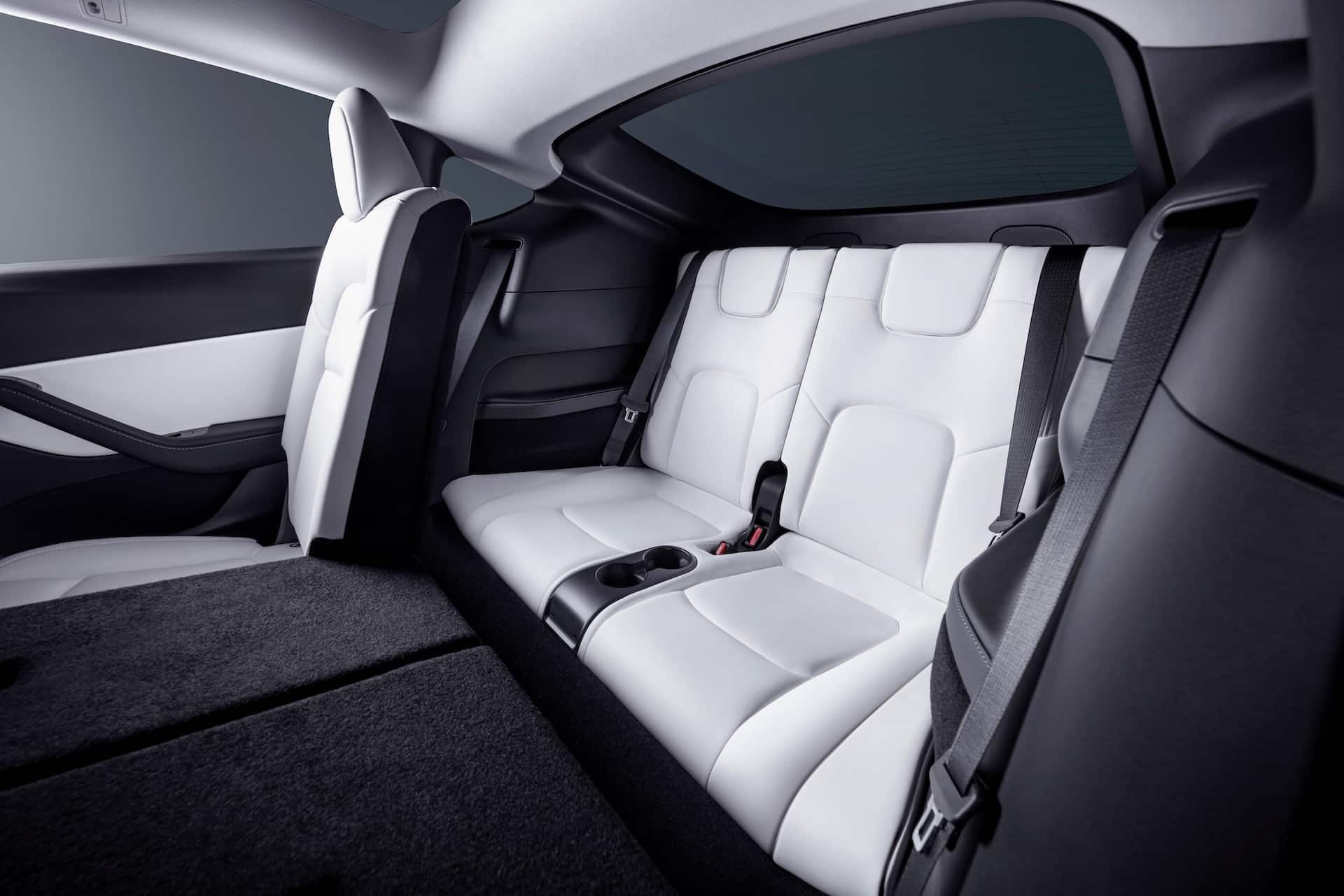
Tesla Model Y RWD 60 kWh (from ≈40,000 €)
The Model Y, in its current update, arrives with more power, more homologated range and a lower starting price. It is the combination that has been keeping Tesla at the top of electric car registrations in Europe for years. And to that we must add its greatest structural advantage: the Supercharger network. For a driver who makes long journeys regularly, that network still makes all the difference compared with any mix of public charging operators.
The interior is the flip side. Minimalism taken to the extreme, everything managed from the 15.4" central screen, with no traditional instrument cluster. In our view it works well after an adjustment period, but the cultural leap from a conventional car is big. The perceived quality has improved over previous generations — fewer noises, better materials at touch points — although it remains a step below the Hyundai in the feel of its plastics.
| Potencia kW | Potencia CV | Vel. máx. | Autonomía | Batería | Etiqueta | Combustible |
|---|---|---|---|---|---|---|
| 200 kW | 270 CV | 200 km/h | 530 km | 64 kWh | 0 | Eléctrico |
Real-world range and motorway behaviour
This is where the Tesla comes out on top. 530 km WLTP against the Hyundai’s 440 km translates, on the motorway at 120 km/h, into a real advantage of around 60–70 km. That is not a minor difference on a Madrid–Valencia trip: with the Model Y you make the journey with one short stop; with the IONIQ 5 Light, the norm is a slightly longer stop or two brief ones.
That said, when you stop, the Korean car claws back ground. The 800 V architecture allows charging peaks of around 220 kW on compatible chargers, which means going from 10 to 80% in about 18 minutes. The Tesla, tied to 400 V and peaks close to 170 kW on Supercharger V3, needs more time for the same recovery, although it makes up for this with a denser network and no authentication hassles. Efficiency at 120 km/h is, in the end, what decides real-world range on a trip.
Daily use, city driving and boot space
For everyday driving, the IONIQ 5 feels more comfortable. Better-filtered suspension, softer steering at low speed, superior visibility and easier rear access for child seats. The Model Y is more nervous, with an accelerator response that in standard mode remains abrupt for sensitive passengers.
On boot space, the Tesla wins clearly: around 854 litres declared against the Hyundai’s 527 litres, plus a front frunk that the Korean car does not offer in this configuration. If you often carry suitcases, a pushchair or bulky sports equipment, it is an objective argument.
Summary table and score
| Modelo | Potencia | Autonomía WLTP | Batería | Maletero | Precio desde | Garantía | Nota /10 |
|---|---|---|---|---|---|---|---|
| Hyundai IONIQ 5 Light 63 kWh | 170 CV | 440 km | 63 kWh | 527 L | ≈44,700 € | 5 años / batería 8 años | 8.2 |
| Tesla Model Y RWD 60 kWh | 270 CV | 530 km | 64 kWh | 854 L | ≈40,000 € | 4 años / batería 8 años | 8.6 |
Where each one wins without debate
- IONIQ 5 wins on: ultra-rapid charging (800 V, peaks of 220 kW) and everyday ride comfort, including rear access and the ergonomics of physical controls.
- Model Y wins on: homologated range and its own charging network (Supercharger), plus a noticeably larger boot.
Verdict by use case
- For frequent long trips (more than 1,000 km/month on the motorway): Tesla Model Y RWD. The combination of 530 km WLTP and Supercharger outweighs the Hyundai’s 800 V advantage when the pattern is "company car that lives on the A-3".
- For mixed city-and-outskirts daily use with the occasional getaway: Hyundai IONIQ 5 Light. More comfortable, better interior finish, very fast charging when needed and superior rear space. If your home wallbox covers 90% of charging, the 90 km less of range stops hurting.
- Pure price-performance ratio: Tesla Model Y RWD. The RRP difference exceeds 10% in the Tesla’s favour, with more power and more range. Objectively, it is more car for less money — whether that sum of hardware and software is your car is another matter.
FAQ
Which has the better real-world range on the motorway at 120 km/h?
The Tesla Model Y RWD, with around 380–400 real km against the 320–340 km of the 63 kWh IONIQ 5 Light. The difference holds even after discounting the WLTP optimisation of both.
Does the Tesla’s lower price make up for it against the Hyundai?
It depends on how much value you place on the interior and comfort. The Model Y is about 4,700 € cheaper and offers more power and range; the IONIQ 5 responds with better rear space, more refined finishes and 800 V charging. Objectively, the Tesla gives you more car per euro.
Can I charge the IONIQ 5 at Tesla Superchargers?
Yes, the Supercharger network is open to vehicles from other brands at most Spanish stations via the Tesla app. The available power is that of the charger (up to 250 kW on V3), although the IONIQ 5 will not make full use of its 220 kW peak potential here.
What battery warranty does each brand offer?
Both offer 8 years or 160,000 km of specific warranty on the traction battery. On the complete vehicle, Hyundai gives 5 years with no mileage limit and Tesla 4 years or 80,000 km.

1 Comment
Pingback: Cómo elegir un SUV eléctrico en 2026 según cuántos viajes largos haces al año y el tiempo que puedes dedicar a cargar – Comparativa de Coches