

The premium PHEV SUV segment is one of the most confusing for buyers today. The spec sheets promise ridiculous consumption figures — 1.5 l/100 here, 2 l/100 there — but in real life the number depends on something as basic as whether you plug the car in every night. And on effective electric range, which varies widely between these three rivals. We have put the Volvo XC60 Recharge T6, the BMW X3 xDrive30e and the Mercedes GLC 300 e face to face to help you decide which makes more sense depending on how you use it.
Important note: prices are the manufacturer’s recommended retail price (RRP), excluding dealer discounts, one-off campaigns or aid schemes such as the Plan Auto+. Treat them as indicative.
Why compare these three premium PHEV SUVs
They are the three European benchmarks in the segment, with a 2.0 turbo petrol engine plus electric motor and all-wheel drive. Same target customer, same tax category (0 label), similar price range — though with important nuances — and the same underlying dilemma: how much does a PHEV really deliver when you don’t plug it in?
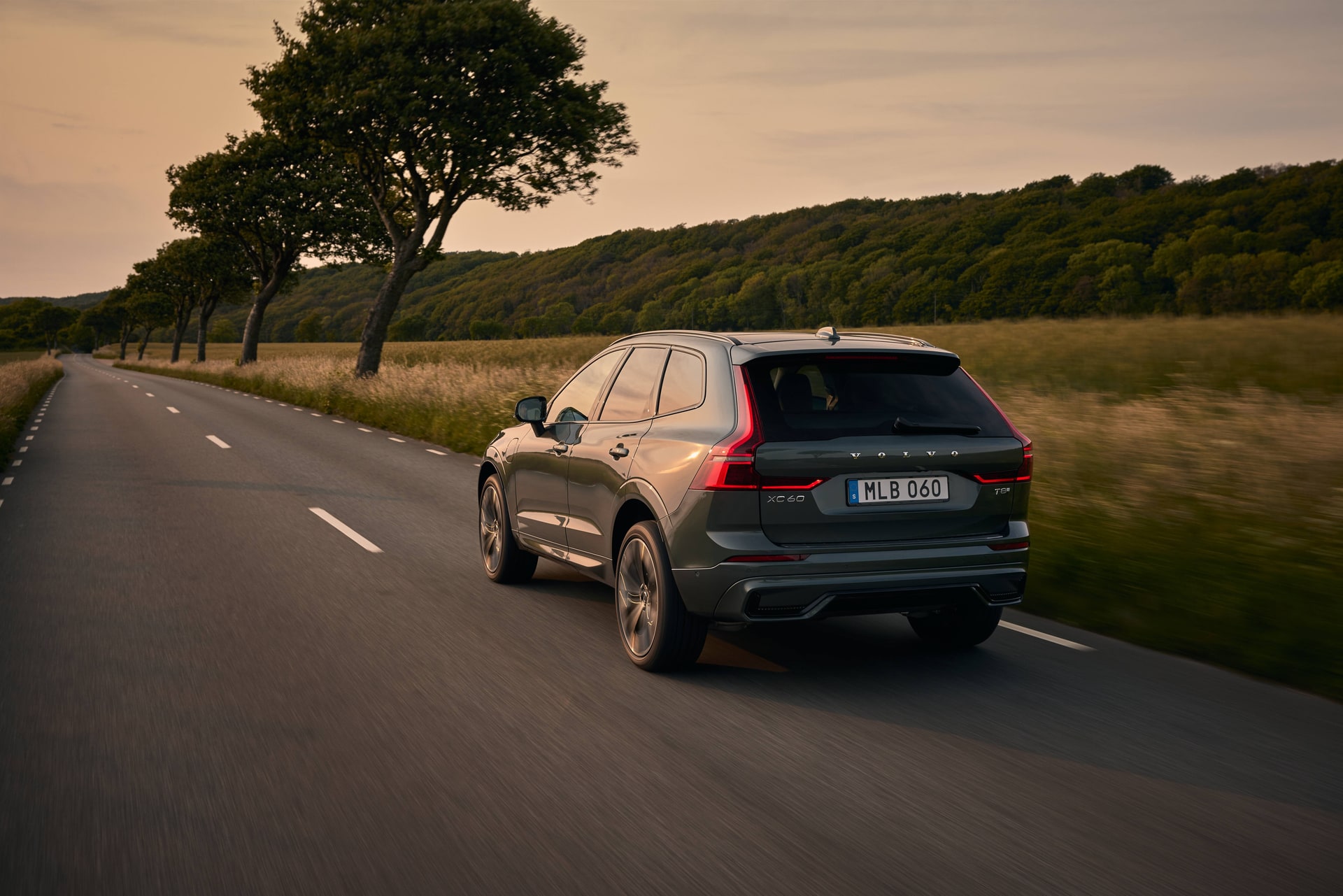
Volvo XC60 Recharge T6 AWD — from approximately €72,000
The Swede is by far the most powerful of the trio. Its combined ≈350 hp and 710 Nm give it a 0-100 km/h time of ≈5.5 seconds that neither of the other two matches. In real use, the XC60 Recharge pulls with a force that recalls a sports car more than a family SUV — something that, in my view, doesn’t always fit the calm character one expects from a Volvo.
Its homologated electric range is around 80 km with a ≈19 kWh battery. In practice, you get roughly 55-65 real km depending on temperature and air-conditioning use. Native Google integration remains, in our opinion, the best in the segment. The in-depth XC60 review covers that ecosystem in detail.
| Power kW | Power hp | Electric range | WLTP consumption | Label | Fuel |
|---|---|---|---|---|---|
| ≈260 kW | ≈350 hp | ≈80 km | ≈1.5 l/100 | 0 | PHEV |
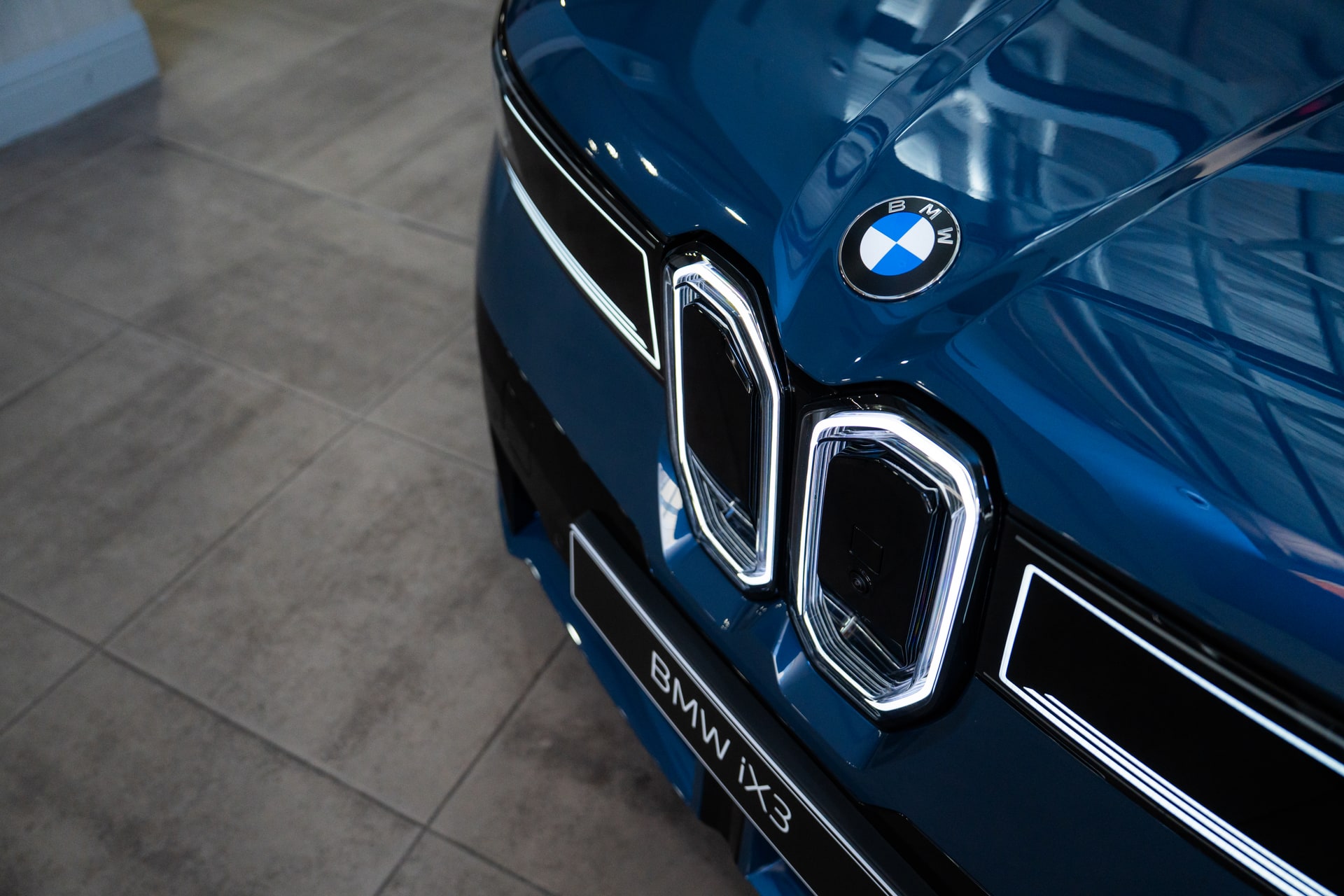
BMW X3 xDrive30e — from approximately €71,400
The BMW is the most restrained of the three in everything: in power (≈290 hp), weight (≈2,050 kg) and, above all, electric range. Its ≈50 homologated km translate into 35-40 real km. Not much, even for 2024. It is the only one of the trio that, if your daily commute exceeds 40 km, will be running on petrol almost every day.
That said, dynamically it is the most polished. The steering has good feel, the chassis filters bumps well and consumption with the battery depleted sits around 7-7.5 l/100 km in real driving — reasonable for a two-tonne SUV with all-wheel drive. It is the premium PHEV for those who genuinely drive, not for those who want to maximise electric kilometres.
| Power kW | Power hp | Electric range | WLTP consumption | Label | Fuel |
|---|---|---|---|---|---|
| ≈220 kW | ≈290 hp | ≈50 km | ≈2 l/100 | 0 | PHEV |
Mercedes GLC 300 e — from approximately €78,400
The GLC is the electric-range champion of the segment, and by a notable margin. Its ≈31 kWh battery — almost double the BMW’s — allows a homologated ≈120 km EV range and delivers 85 to 95 real km. For many users with a home charger and a daily commute under 80 km, the GLC can work as a pure electric car from Monday to Friday.
The price has to be paid in two places: the ≈€78,400 starting price — 10% above the BMW — and the ≈2,220 kg kerb weight, which you feel in corners. Consumption with the battery depleted is, for us, the Achilles’ heel: on motorways it ranges between 8.5 and 9.5 l/100 km in real use, above its rivals. If you don’t plug it in, it is not the most efficient. This paradox of large PHEVs is something we have analysed here.
| Power kW | Power hp | Electric range | WLTP consumption | Label | Fuel |
|---|---|---|---|---|---|
| ≈240 kW | ≈320 hp | ≈120 km | ≈9 l/100 (no battery, estimated) | 0 | PHEV |
Where each one wins (without false equivalence)
- Volvo XC60 Recharge: unbeatable in power and digital integration (native Google). It is by far the quickest of the trio.
- BMW X3 xDrive30e: the lightest, the cheapest and the most dynamically refined. If you will use EV mode little, it is the one that penalises you least.
- Mercedes GLC 300 e: doubles the BMW’s electric range. For those who plug in every night, it can be almost a pure electric car during the week.
Comparative summary table with score
| Model | hp | EV range | Battery | Weight | Price from | Score |
|---|---|---|---|---|---|---|
| Volvo XC60 Recharge T6 | ≈350 | ≈80 km | ≈19 kWh | ≈2,130 kg | ≈€72,000 | 8.2/10 |
| BMW X3 xDrive30e | ≈290 | ≈50 km | ≈17.5 kWh | ≈2,050 kg | ≈€71,400 | 7.8/10 |
| Mercedes GLC 300 e | ≈320 | ≈120 km | ≈31 kWh | ≈2,220 kg | ≈€78,400 | 8.4/10 |
Verdict by use case
- For those who plug in every night with a 60-90 km daily commute: the Mercedes GLC 300 e has no rival. Its 31 kWh battery changes the game and makes the PHEV genuinely useful during the week. You do pay a premium of around 10% over the BMW.
- For those who prioritise performance and digital ecosystem: the Volvo XC60 Recharge T6 is the choice. 350 hp, integrated Google and a reasonable homologated electric range of 80 km. The most complete option if you don’t mind its 2.1-tonne weight.
- For those who want the most restrained premium PHEV in price, weight and driving: the BMW X3 xDrive30e. It is the most honest dynamically and the least penalised when you travel with the battery depleted. But its 50 km electric range falls short in 2024, and you have to accept that.
A final note: the difference between the BMW (≈€71,400) and the Mercedes (≈€78,400) is around 10%. It does not reach the 15% threshold that would force us to talk about a “different league”, but it is an extra cost that only pays off if you will make use of the GLC’s additional range.
Frequently asked questions
Which of the three consumes least when the battery is depleted?
The BMW X3 xDrive30e, thanks to its lower weight (≈2,050 kg) and more restrained power output. It delivers between 7 and 7.5 l/100 km in real motorway use. The Mercedes GLC 300 e, despite its larger battery, is the most penalised without charge because of its weight of nearly 2,220 kg.
Is a premium PHEV SUV worth it if I don’t have a charger at home?
No. A PHEV without regular charging loses half of its reason for existing: you pay the extra cost of the battery, carry its weight and end up driving like a conventional hybrid, only heavier. If you can’t plug in, a diesel SUV or mild-hybrid makes more economic sense.
Is the WLTP electric range of the GLC 300 e achieved in real use?
Rarely at 100%. The ≈120 homologated km translate into 85-95 real km in mixed use with mild temperatures. In winter with heating it can drop to 70-75 km. Even so, it is the best real-world figure in the premium segment.
Which model has the better residual value at 4 years?
Historically, the BMW X3 and Mercedes GLC hold residual values slightly above the Volvo XC60 in the Spanish market, although the gap has narrowed in recent generations. In premium PHEV versions, all three sit in a similar range of 48-54% at four years, depending on use and mileage.
