

The A-segment has emptied out. In 2026 there are three relevant names in the Spanish showroom if you are looking for a small, affordable pure petrol or hybrid car, and only two of them genuinely fall below €18,000 RRP: the Hyundai i10 and the KIA Picanto. The Toyota Aygo X, which many lump in with them, has been in a different price league since it dropped the three-cylinder atmospheric engine and fitted the 1.5 hybrid system. A heads-up: the prices you will see are the manufacturer’s recommended RRP, without dealer discounts, campaigns or aid schemes such as Plan Auto+.
Why the petrol A-segment has shrunk to two cars
Five years ago there were around ten petrol city cars competing below €15,000. Today the real list, without tricks, fits into two Korean cars. Volkswagen withdrew the up!, Fiat concentrates its A-segment in the electric 500, Peugeot and Citroën have moved on to the ë-C3 and the like, and Toyota repositioned the Aygo X upwards with hybrid mechanics. The result: if you want pure petrol, a new car and less than €18,000, your options are the Hyundai i10 or the KIA Picanto. The rest are either hybrids, electric, or no longer exist.
The Aygo X features in this comparison because readers have it on their radar, but it is worth being clear from the first paragraph: it no longer meets the price filter. Its Cross 1.5 Play starts at around €23,900, a 30% jump over the Korean cars. That is a different conversation.
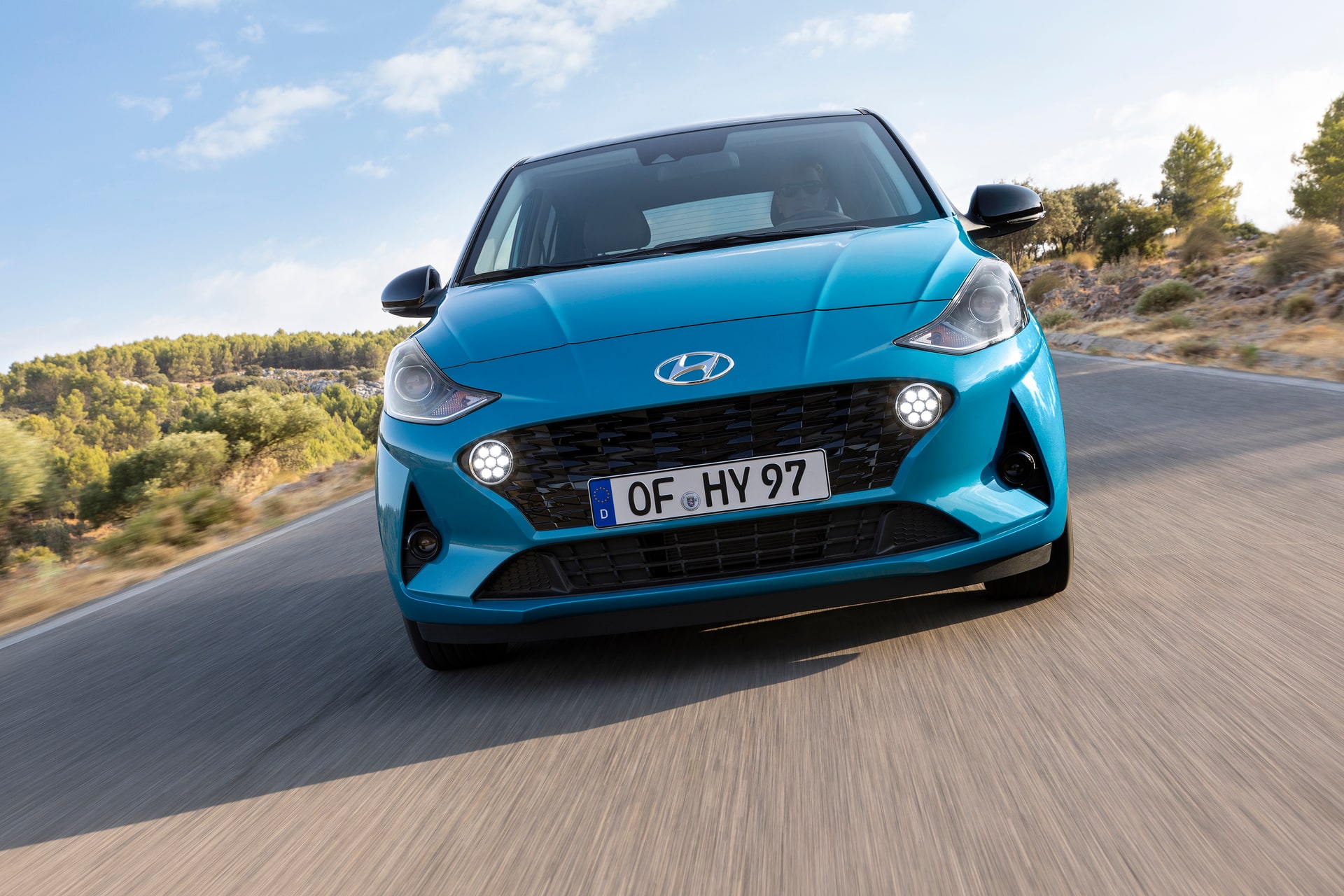
Hyundai i10 1.0 MPI 63 Essence — from ≈€17,800
The i10 is currently the most balanced city car on the Spanish market. The Essence version with the 63 hp 1.0 MPI three-cylinder is the one that comes close to €17,800, and it comes with climate control, a rear camera, wireless Apple CarPlay/Android Auto on an 8″ screen, cruise control and emergency braking. You could hardly ask for more for that money.
On the road, the naturally aspirated 1.0 holds its own in town without complaint. It is honest to acknowledge that outside urban use the lack of torque shows: overtaking on a secondary road requires planning. Reasonable real-world consumption of around 5–5.5 l/100 km in mixed use. The Hyundai 5-year unlimited-mileage warranty is one of the car’s best arguments — and one of those that weigh most on a city car that will probably stay in the family for a decade.
| Power kW | Power hp | Top speed | Consumption | Fuel |
|---|---|---|---|---|
| 50 kW | 60 hp | 140 km/h | 5 l/100 km | Petrol |
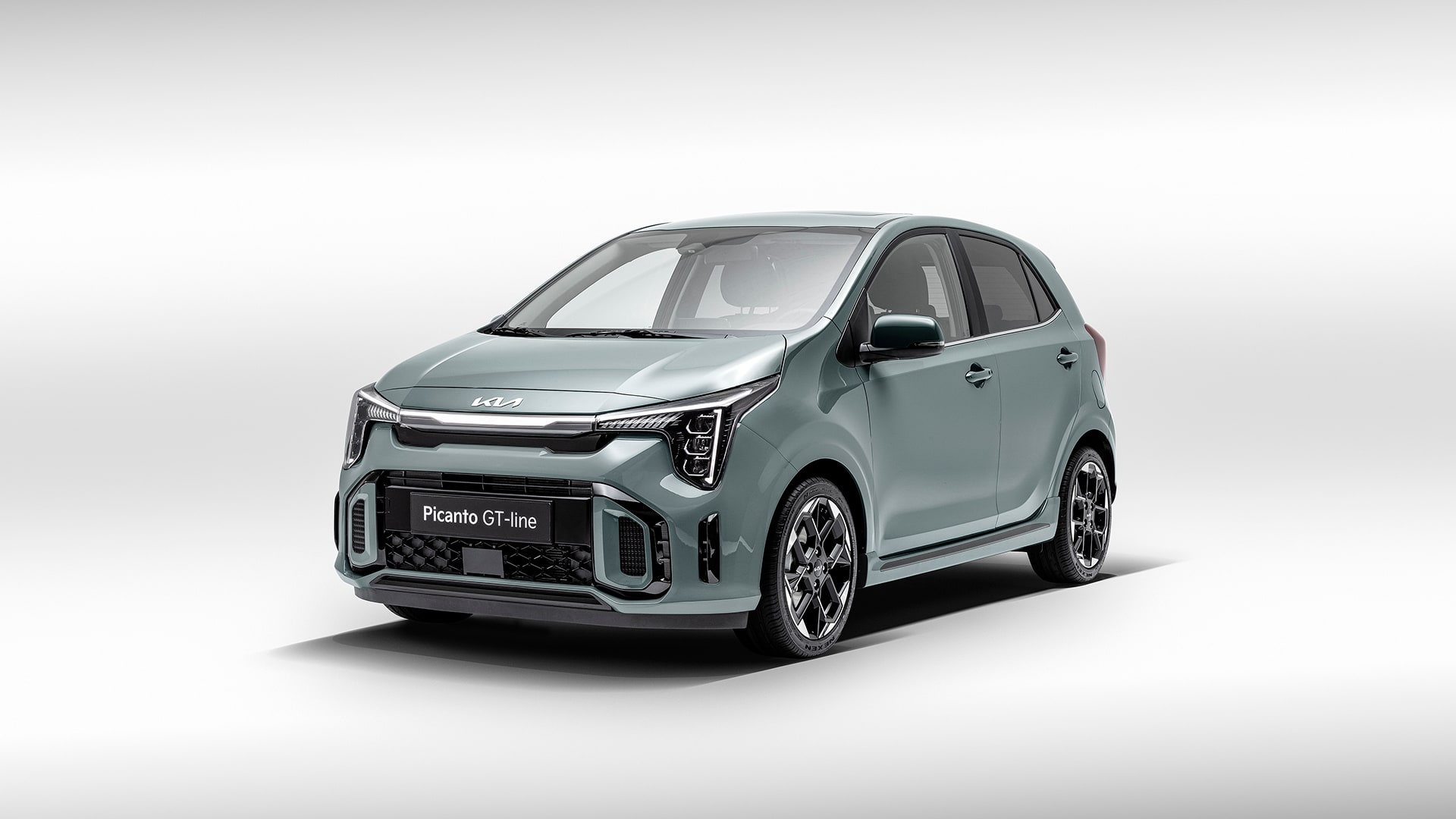
KIA Picanto 1.0 GDi 68 Concept — from ≈€18,400
A platform sibling of the i10, but with a different character. The Picanto feels slightly more agile behind the wheel, with more direct steering and a renewed, more aggressive look. The Concept version with the 68 hp 1.0 GDi gets an 8″ screen, a rear camera, climate control, rear parking sensors and emergency braking. The 5-speed manual gearbox is the usual one — there is an automated AMT option, with nuances we already know: economical on consumption, rough in response.
Important detail: the entry-level version is homologated for 4 seats. If you regularly need five rear seatbelts, you have to move up a trim level and the price moves beyond €18,000. KIA warranty of 7 years or 150,000 km, which remains the market reference and probably the car’s best commercial argument.
| Power kW | Power hp | Top speed | Consumption | Fuel |
|---|---|---|---|---|
| 50 kW | 70 hp | 160 km/h | 5 l/100 km | Petrol |
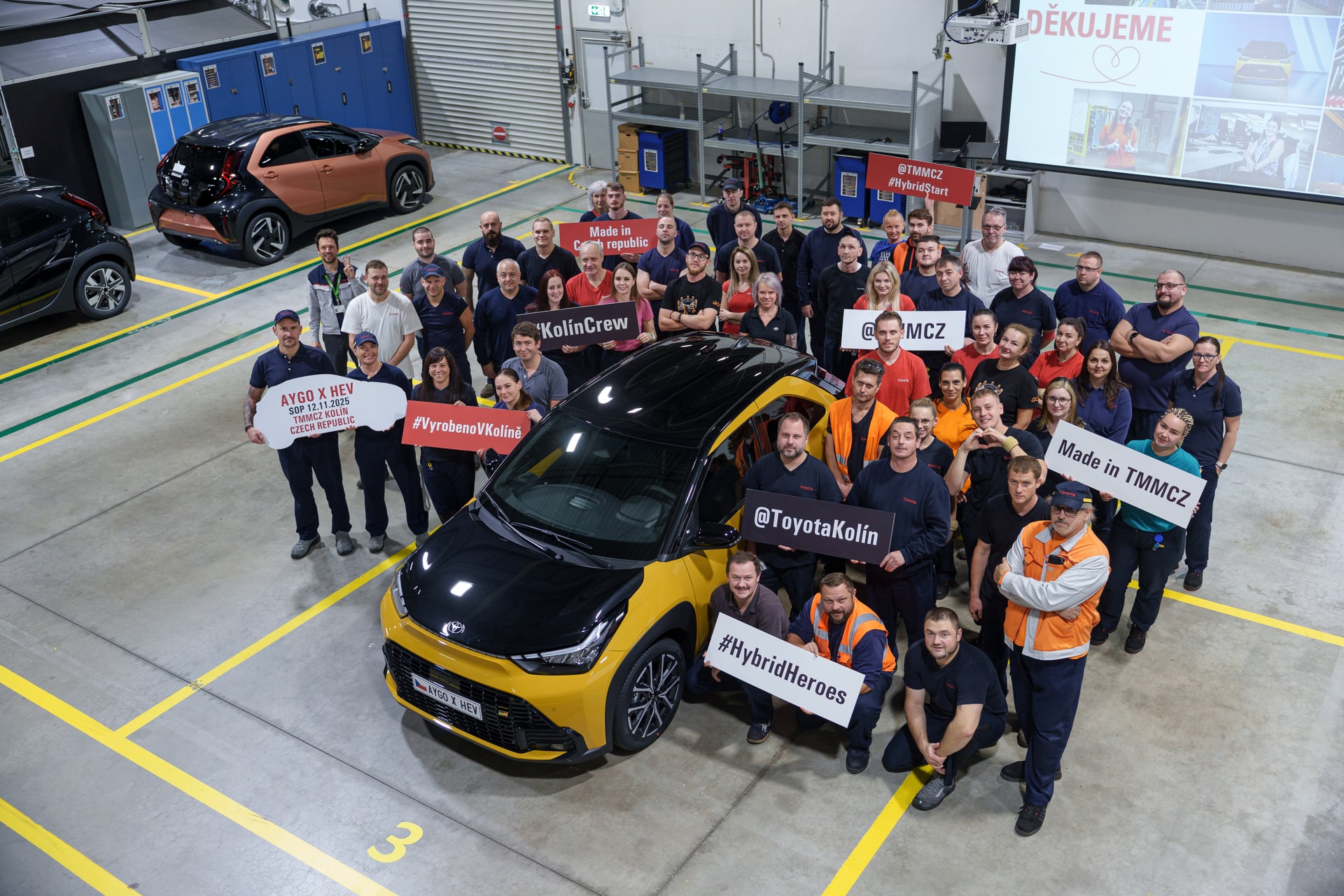
Toyota Aygo X Cross 1.5 Play — from ≈€23,900
The current Aygo X fits the 116 hp 1.5 hybrid system we already know from the Yaris. It is a different car from the original Aygo: taller, with crossover styling, improved interior materials and an excellent homologated consumption of around 4 l/100 thanks to the hybridisation. ECO environmental label versus the C of the Korean cars, a detail that changes the equation in cities with restrictions.
The problem, once again, is the price. Almost €6,000 more expensive than an i10 Essence. Do you recover it in fuel? Only if you drive a lot. At 12,000 km/year with a difference of 1 l/100, we are talking about roughly €200 a year — you would need 25–30 years to amortise the price premium in petrol. The justification has to come from elsewhere: ECO label, superior refinement, Toyota hybrid residual value.
| Power kW | Power hp | Top speed | Consumption | Label | Fuel |
|---|---|---|---|---|---|
| 90 kW | 120 hp | 170 km/h | 4 l/100 km | ECO | Hybrid |
Comparison table and scoring
| Model | Power | Consumption | Label | Warranty | Price from | Score /10 |
|---|---|---|---|---|---|---|
| Hyundai i10 1.0 Essence | 60 hp | 5 l/100 | C | 5 years unlimited km | ≈€17,800 | 8.3 |
| KIA Picanto 1.0 Concept | 70 hp | 5 l/100 | C | 7 years / 150,000 km | ≈€18,400 | 8.1 |
| Toyota Aygo X Cross 1.5 Play | 120 hp | 4 l/100 | ECO | Up to 10 years (Relax) | ≈€23,900 | 7.4 |
Where each one wins
Hyundai i10: best equipment-to-price ratio of the trio and the best rear seats in the A-segment. The most rational choice.
KIA Picanto: unbeatable warranty (7 years) and slightly livelier handling. Younger styling if that matters to you.
Toyota Aygo X: the only one with an ECO label and by far the most refined on the road. Also the only one that handles long journeys without suffering.
For more context on how to approach buying a small car according to your actual use, this guide by city/road use complements well what we summarise here, and to go deeper on the i10 we have its dedicated review.
Verdict by use case
- Tight budget and 100% urban use: Hyundai i10 1.0 Essence. For less than €18,000 you get the most complete city car with the best rear seat. Winner if the criterion is “new car, petrol, cheap, well equipped”.
- Priority on long-term peace of mind: KIA Picanto 1.0 Concept. The 7-year warranty makes a difference if you plan to keep the car for a decade. Just watch out for the 4-seat homologation on the entry trim — if you travel five, move up a level and you lose the price advantage.
- ZBE zones, occasional long trips and flexible budget: Toyota Aygo X Cross 1.5 Play. The ECO label and hybrid refinement justify the 34% premium over the i10 only if you drive into restricted cities daily or do a fair amount of motorway. Outside those scenarios, the difference does not pay off.
Our overall winner of the “petrol city car for less than €18,000 in 2026” filter is the Hyundai i10 Essence. For €600 less than the Picanto it offers the same with five homologated seats as standard. The KIA warranty is better on paper, yes, but it does not quite compensate for the small print on the entry trim.
Frequently asked questions
Is there any new city car below €15,000 in Spain in 2026?
Not in petrol from a mainstream brand with decent equipment. The real floor of the A-segment has moved to the €17,800–18,500 bracket with the i10 and Picanto in their entry versions. Below that only occasional dealer promotions remain.
Does the Toyota Aygo X hybrid make sense compared with a petrol i10?
Only if you do more than 15,000 km/year or live in a city with strict ZBE rules that penalise the C label. In moderate urban use, the almost €6,000 premium is not recovered in fuel over the car’s entire lifespan.
Does the entry-level KIA Picanto come with 4 or 5 seats?
The Concept ISG version is homologated for 4 seats. To have five as standard you need to move up a trim level, which puts the price above €19,000.
What environmental label does each one have?
The Hyundai i10 and KIA Picanto carry a C label as pure petrol cars. The Toyota Aygo X, being a self-charging hybrid, carries an ECO label. In cities such as Madrid or Barcelona, that difference can determine access to certain zones and time slots.
