

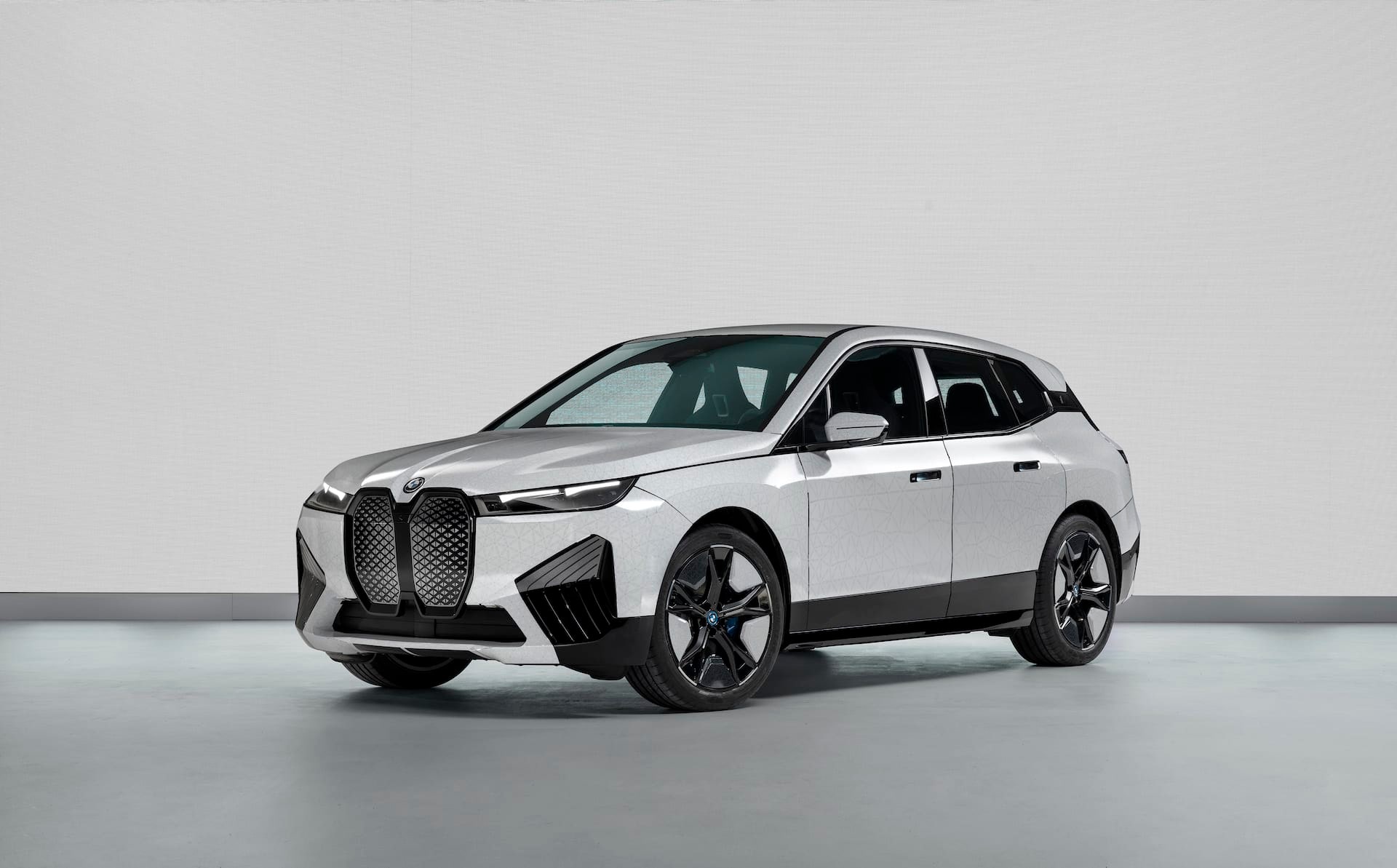
On paper, the pure electric mode of a PHEV SUV is the very reason this technology exists: driving without burning a drop of petrol until the battery runs out. In reality, however, it almost never matches the spec sheet. A driver who buys a plug-in with a 75 km WLTP range usually finds 45-55 km in real life, and when they ask the dealership they get an ambiguous answer. Here we break down why this happens, which physical and protocol factors explain it, and how three representative PHEV SUVs on the Spanish market perform: the Toyota RAV4 Plug-in, the BMW X3 xDrive30e and the Volvo XC60 Recharge.
One clarification before we get into the analysis: we have deliberately left out the PHEV offerings from BYD and Nissan. Both brands have current products in Spain, but to illustrate the specific phenomenon of the WLTP-real gap we have prioritised three models with a proven track record in independent tests and with battery packs representative of the segment. This is not a criticism of their technology; it is an editorial decision to avoid diluting the comparison.
What “pure electric mode” means in a PHEV SUV
In a plug-in hybrid, EV mode (or “Pure”, or “Electric”, depending on the brand) forces the vehicle to run solely on battery energy with the combustion engine switched off. In theory. In practice, this mode has boundary conditions that most drivers are unaware of: above a certain speed, with strong acceleration demands, when the battery is very cold or the heating is at full blast, the software may start the petrol engine even though you have selected electric mode. This is not a fault — it is by design.
How the WLTP range of a PHEV is homologated
The WLTP protocol for plug-in hybrids (the Utility Factor procedure) measures electric range over a mixed cycle of urban, extra-urban and motorway driving, but with a gentle speed and acceleration profile, a controlled temperature of 23°C and no aggressive climate control. The vehicle is weighed in running order, without passengers or additional load. A utility factor is applied, assuming the car is plugged in frequently. The result is an optimistic figure by construction, not through bad faith on the manufacturer’s part.
Why real-world range falls 30-40% short
The systematic shortfall between WLTP and reality is explained by five specific factors:
- Added mass: a PHEV SUV weighs between 2,000 and 2,300 kg. Add two adults, luggage and a child seat and you easily add 200 kg. Each extra 100 kg reduces range by roughly 3-5%.
- Speed: above 110 km/h, aerodynamic drag rises sharply. On the motorway at a real 120 km/h, an SUV’s electricity consumption can rise 40-50% compared with the WLTP cycle.
- Temperature: below 5°C, battery chemistry loses efficiency and the heater draws on electrical resistance. In winter, losing 20-25% of range from this alone is common.
- Climate control: air conditioning in summer and heating in winter consume a constant 1 to 3 kW. On a usable battery of 18 kWh, that amounts to several kilometres per hour of use.
- Involuntary activation of the combustion engine: hard acceleration, long gradients or “Sport” driving modes can start the petrol engine even when battery remains. That consumption counts.
Toyota RAV4 Plug-in 2.5L 306H AWD Advance — from €55,400
The RAV4 Plug-in is homologated for 75 km WLTP with its 18.1 kWh battery. In real use, barring a harsh winter and sustained motorway driving, it covers between 55 and 65 km. Its electronics are aggressive in maintaining electric mode: the combustion engine rarely starts involuntarily, something Toyota has spent years refining. In return, charging is slow (3.3 kW AC as standard) and the boot loses volume compared with the conventional hybrid.
| Power kW | Power hp | WLTP electric range | WLTP consumption | Label | Fuel |
|---|---|---|---|---|---|
| 225 kW | 306 hp | 75 km | 1.0 l/100 km | ZERO | PHEV |
BMW X3 xDrive30e — from €68,700
The X3 xDrive30e uses a more modest battery in usable capacity and is homologated at around 50 km WLTP in its current configuration. The real figure in mixed use sits around 35-40 km, slightly below what the RAV4 achieves relative to its homologation. Its advantage: the combustion-to-electric transition is among the smoothest on the market, and electric mode holds up better at high speeds than average. The counterpart is high consumption once the battery is depleted, an aspect we already analysed in our guide on the real cost per kilometre of overnight-charged SUV-C PHEVs.
| Power kW | Power hp | WLTP electric range | Label | Fuel |
|---|---|---|---|---|
| 215 kW | 292 hp | ~50 km | ZERO | PHEV |
Volvo XC60 Recharge T6 AWD Plus — from €68,100
The XC60 Recharge is one of the PHEVs with the most generous battery in the premium segment: 18.8 kWh usable and a homologation close to 78 km WLTP in the T6 configuration. On the road, with calm driving and mild weather, it covers between 55 and 65 km in real conditions. In winter the loss is notable: we have seen drops down to 40 km. It accepts AC charging up to 6.4 kW, faster than its rivals here. Pure mode is genuinely pure — it keeps the combustion engine off even on the motorway at 120 km/h, provided torque demand does not spike.
| Power kW | Power hp | WLTP electric range | WLTP consumption | Label | Fuel |
|---|---|---|---|---|---|
| 257 kW | 350 hp | 78 km | 1.1 l/100 km | ZERO | PHEV |
Comparison table: what to expect from each
| Model | Power | Usable battery | WLTP range | Estimated real range | Real shortfall | Max AC charging | Price from | Score |
|---|---|---|---|---|---|---|---|---|
| Toyota RAV4 Plug-in | 306 hp | 18.1 kWh | 75 km | 55-65 km | ~20-25% | 3.3 kW | €55,400 | 8.2 |
| BMW X3 xDrive30e | 292 hp | ~17 kWh | ~50 km | 35-40 km | ~25-30% | 7.4 kW | €68,700 | 7.6 |
| Volvo XC60 Recharge T6 | 350 hp | 18.8 kWh | 78 km | 55-65 km | ~20-30% | 6.4 kW | €68,100 | 8.5 |
Where each one wins
- Toyota RAV4 Plug-in: the most efficient of the trio when the battery runs out (pure Toyota hybrid) and by far the cheapest — 19% less than the BMW. Its electronics are the most stubborn at keeping the combustion engine off.
- BMW X3 xDrive30e: the best combustion-electric integration on the move and 7.4 kW AC charging that allows a refill in just over two hours on a home wallbox.
- Volvo XC60 Recharge: the largest battery in the comparison, the most disciplined Pure mode on the motorway and the only proposition combining 350 hp with a ZERO label in this analysis. Interesting for those with a plug at home who make daily journeys of 50-60 km.
How to reduce the WLTP-real gap in everyday use
To get close to the homologated figure you do not need to drive like a saint, but you should follow three rules: keep speeds below 110 km/h on electric stretches, pre-heat or pre-cool the car while it is plugged in before setting off, and use “Hybrid” or “Auto” mode on the motorway, reserving EV mode for city and secondary roads. That is where these cars perform as promised.
If you want to dig deeper into how these three models behave as a single family car, the three-way comparison between the Mercedes GLC 300e, BMW X3 xDrive30e and Volvo XC60 Recharge goes into detail on space and equipment.
Verdict
- For urban use with daily home charging: Volvo XC60 Recharge. The larger battery and the stricter Pure mode make it the most cost-effective proposition if your routine is 40-60 km a day with a guaranteed plug at night.
- For mixed driving without the obsession of plugging in every day: Toyota RAV4 Plug-in. When the battery runs out, its conventional hybrid still delivers below 6 l/100 km in real conditions. Neither BMW nor Volvo come close to that once discharged.
- Price-performance ratio: Toyota RAV4 Plug-in. A difference of over 15% against the German and Swedish models — €55,400 versus €68,000-68,700 — buys practically the same real electric range as the Volvo and considerably more than the BMW.
- For those who prioritise refinement and the combustion-electric transition: BMW X3 xDrive30e, accepting that its real electric range is the shortest of the trio and its price the highest.
FAQ
Why does my PHEV never reach the electric kilometres the manufacturer quotes?
Because WLTP homologation is carried out at 23°C, with no passengers, no aggressive climate control and a gentle speed profile. In real use, the combination of speed, temperature, weight and climate takes between 20% and 40% off that figure. It is not a fault in the car; it is a protocol gap.
Can the petrol engine start even if I have selected electric mode?
Yes. With hard acceleration, long climbs, very low temperatures or intense heating demands, most PHEVs start the combustion engine to assist. This is normal and is provided for in the software. Volvo and Toyota are among those that resist that activation the most.
How much real electric range do I need for a PHEV to make sense compared with a conventional hybrid?
The reasonable rule is that your usual daily journey should fit within 70% of the homologated WLTP range. If you drive 40 km a day, a PHEV with 60-70 km WLTP will serve you well. If you drive 80 km a day, the PHEV premium starts to dilute because you will end up burning petrol for much of the journey.
Is charging the PHEV from a normal domestic socket enough, or do I need a wallbox?
For batteries of 15-18 kWh usable, a standard Schuko socket at 2.3 kW fills it in 7-8 hours — sufficient if you charge every night. A 3.7 or 7.4 kW wallbox is justified if you need partial charges during the day or want to take advantage of electricity tariffs with very narrow time windows.

3 Comments
Pingback: Los 5 SUV-C PHEV familiares con mejor maletero real y batería bajo el suelo en 2026 – Comparativa de Coches
Pingback: Toyota RAV4 Plug-in vs Mitsubishi Outlander PHEV: qué SUV-C enchufable japonés rinde mejor como coche familiar en 2026 – Comparativa de Coches
Pingback: Los 5 SUV-C PHEV más recomendables bajo 50.000€ en 2026 por autonomía eléctrica y maletero útil – Comparativa de Coches