

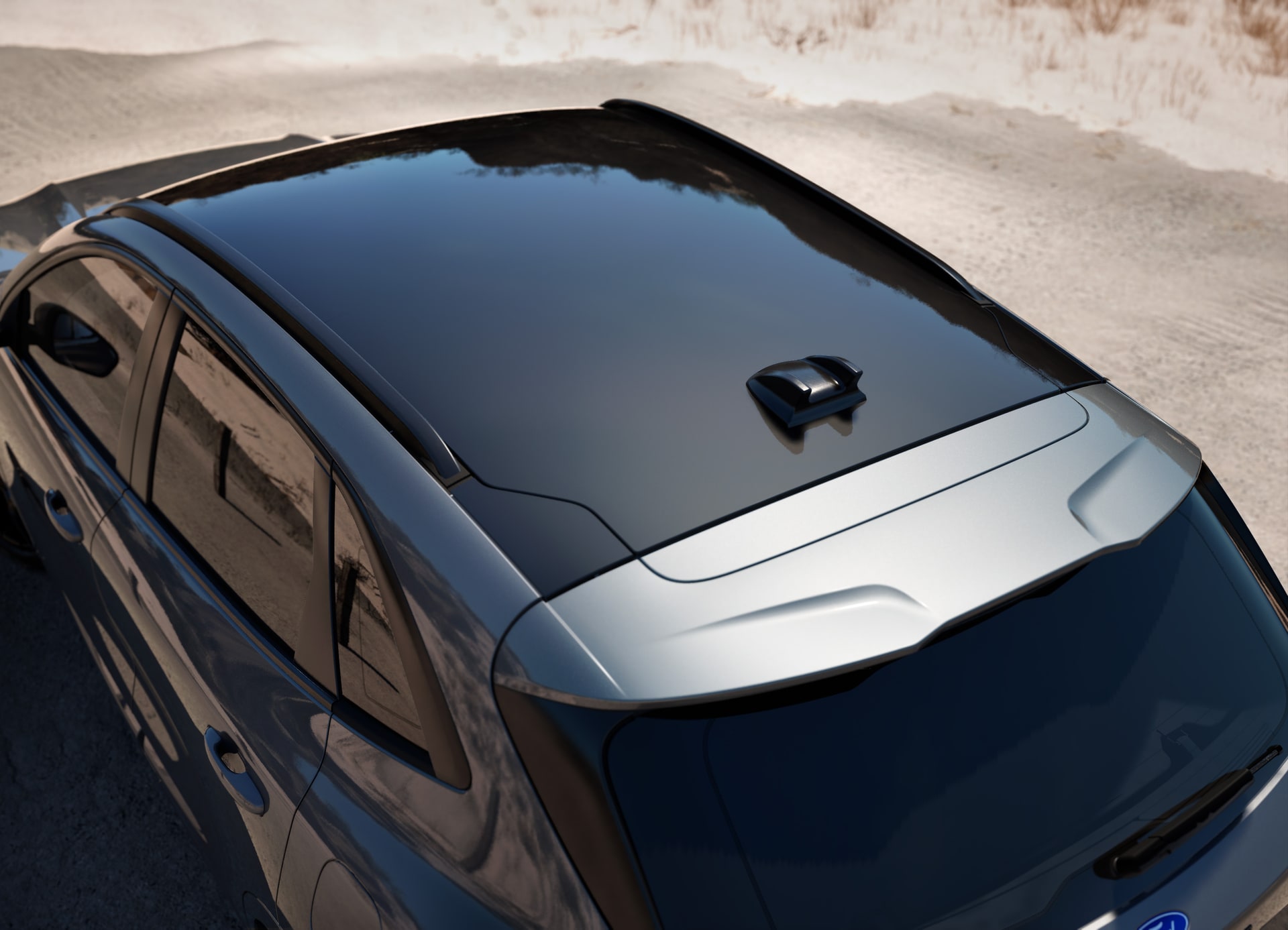
Two compact SUVs with a plug, two different philosophies for solving the same problem: getting around electrically in the city and not suffering on the motorway when the battery runs out. The Ford Kuga PHEV Titanium and the Cupra Formentor e-Hybrid 204 compete in the same price bracket, but they distribute power and range in almost opposite ways. One bets on horsepower, the other on electric kilometres. Let’s look at the details.
Ford Kuga PHEV Titanium: specs and price from 44,900 €
The Kuga PHEV combines the 2.5 Duratec with an electric motor for a total of 240 CV, with a 14.5 kWh battery that is homologated for 70 km in electric mode. It is the more powerful of the two, and you notice it when overtaking on the road or pulling away from a junction with the accelerator fully pressed.
| Power | Top speed | Electric range | Consumption | Label | Fuel |
|---|---|---|---|---|---|
| 180 kW / 240 CV | 200 km/h | 70 km | 3 l/100 km | CERO | PHEV (petrol/plug-in) |
Cupra Formentor e-Hybrid 204: specs and price from 47,300 €
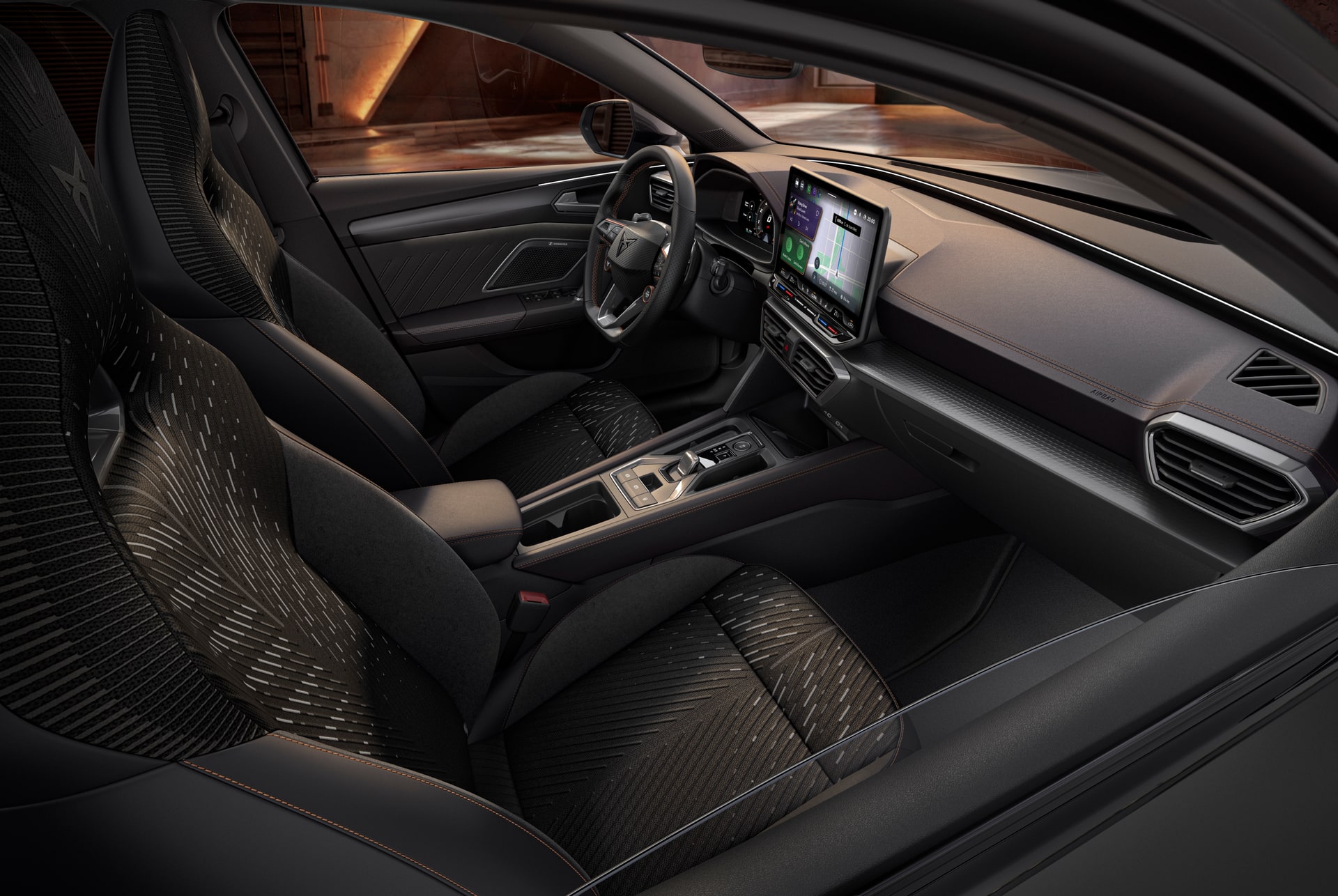
The Formentor e-Hybrid stays at 200 CV with the 1.5 TSI and electric motor, but makes up for it with a 25.5 kWh battery, almost double that of the Kuga, which allows it to be homologated for 130 km electric. For intensive urban use, that figure completely changes the equation.
| Power | Top speed | Electric range | Consumption | Label | Fuel |
|---|---|---|---|---|---|
| 150 kW / 200 CV | 210 km/h | 130 km | 1.5 l/100 km | CERO | PHEV (petrol/plug-in) |
Real electric range: city vs motorway
Here is the difference that really matters day to day. The Kuga is homologated for 70 electric km; in real use, with air conditioning and some traffic, it is reasonable to expect between 50 and 55 km before the petrol engine kicks in. The Formentor, with its homologated 130 km, can manage around 95-100 real km. For someone driving 30-40 km a day between home and work, the Cupra allows several days in a row without visiting a petrol station. The Ford, on a similar journey, will probably need recharging every day or to rely on the combustion engine before the week is over.
Consumption and CERO label
Both carry the CERO label, so in regulated car parks or traffic restrictions there is no difference. The homologated consumption is not entirely misleading either: the Formentor shows 1.5 l/100 km against the Kuga’s 3 l/100 km, a difference explained by its larger battery, which dilutes the weight of petrol consumption in the WLTP calculation. With the battery depleted and on the motorway, both move within a range of 6 to 7 l/100 km, quite similar to each other: there the Cupra’s advantage fades.
Boot and interior space
No verified technical boot-capacity figure accompanies this data, so we are not going to invent litres. What can be said from product experience: both sacrifice some load capacity compared with their petrol or diesel versions because of the space the battery occupies under the floor, something common in the PHEV segment that we already covered in our guide to PHEV SUVs with the CERO label.
Equipment and technology
The Kuga Titanium takes a more functional approach: complete driver-assistance systems, a central screen with good responsiveness and an interior designed to last. The Formentor e-Hybrid plays a different card, that of design: digital instrument cluster, sporty finishes as standard and an image that many buyers weigh as heavily as the technical specification. If the taste for exterior design is a decisive factor in your choice, we have already compared the Cupra Formentor against the Alfa Romeo Tonale along the same lines.
Starting price and compared versions
The Kuga PHEV Titanium starts at around 44,900 € (indicative), the Formentor e-Hybrid 204 at around 47,300 €. The difference is roughly 5%, below the threshold that would require qualifying it in the verdict, but it is not trivial if the budget is tight. Remember that both figures are recommended RRP, without dealer discounts or one-off campaigns, and that the Plan Auto+ can reduce the final outlay: it is worth checking the current amount on the official website before settling on a figure.
Summary comparison table
| Model | Power | Electric range | Consumption | Label | Starting price | Score |
|---|---|---|---|---|---|---|
| Ford Kuga PHEV Titanium | 240 CV | 70 km | 3 l/100 km | CERO | 44,900 € | 7.5/10 |
| Cupra Formentor e-Hybrid 204 | 200 CV | 130 km | 1.5 l/100 km | CERO | 47,300 € | 8.2/10 |
Verdict: which to choose according to your use
If your day is made up of short urban journeys and charging at home or at work, the Cupra Formentor e-Hybrid wins clearly: almost double the real electric range means fewer visits to the petrol station and a noticeably lower average monthly consumption. For those who need pulling power on the road, comfortable overtaking or who tow fairly often, the Ford Kuga PHEV prevails with its 240 CV, although that does not fully compensate for its 60 km less homologated electric range. And if what you are after is to tighten the budget without giving up the CERO label, the Kuga starts around 2,400 € below, a difference that may tip the balance if you are not going to make the most of electric mode every day.
Frequently asked questions
Which has more real electric range, the Kuga PHEV or the Formentor e-Hybrid?
The Cupra Formentor e-Hybrid is homologated for 130 km against the Ford Kuga PHEV’s 70 km, thanks to a 25.5 kWh battery versus the Ford’s 14.5 kWh.
Which PHEV compact SUV is better for pure urban use?
The Cupra Formentor e-Hybrid, thanks to its greater real electric range, which allows daily journeys of up to 90-100 km without using any petrol.
Which is better for long motorway trips?
The Ford Kuga PHEV, with 240 CV against the Formentor’s 200 CV, offers more power in reserve when the battery is depleted and the petrol engine takes over traction.
Do both have the DGT CERO label?
Yes, both the Ford Kuga PHEV and the Cupra Formentor e-Hybrid carry the CERO label as plug-in hybrids with homologated electric range above 40 km.
