

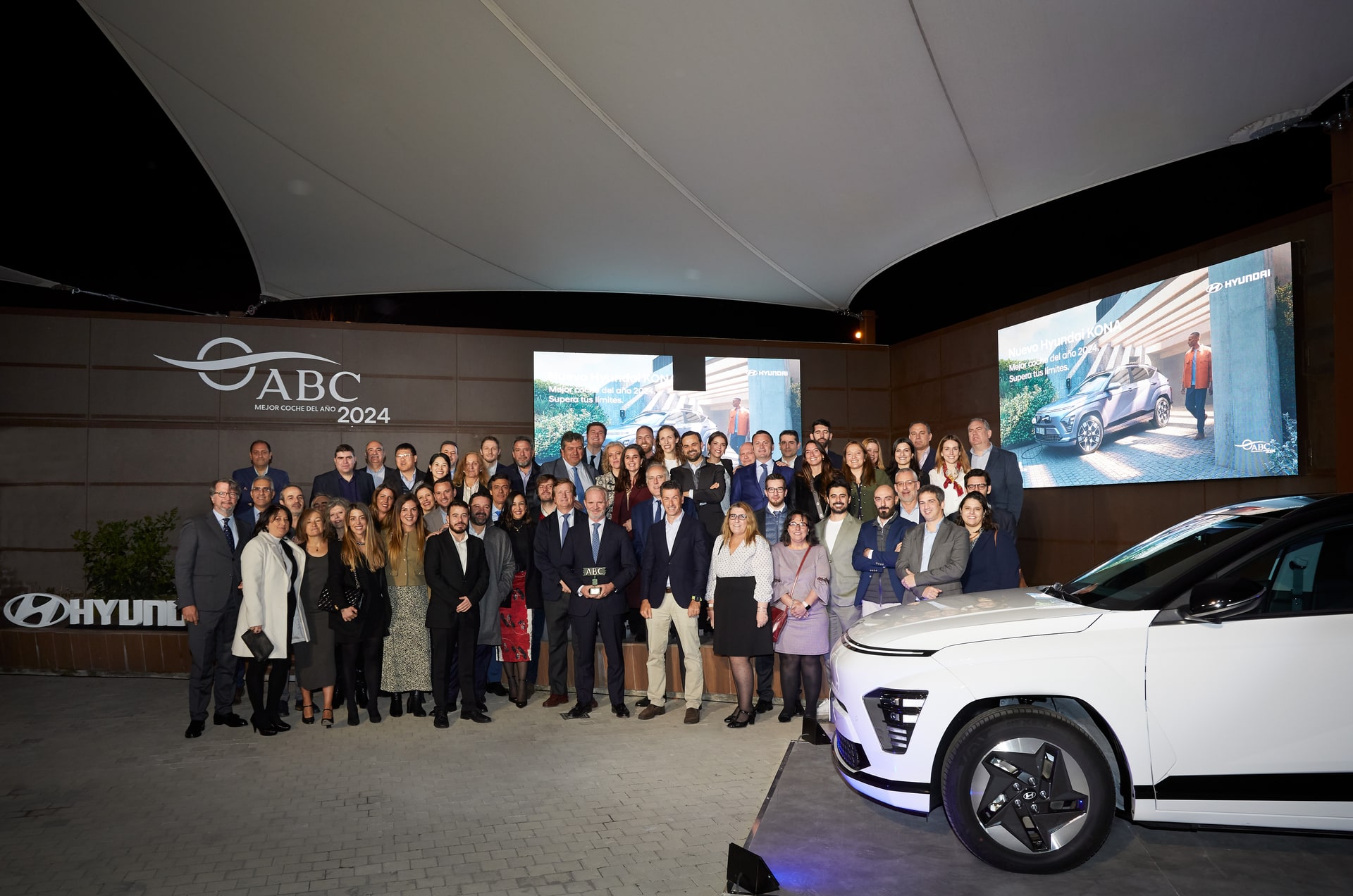
Choosing a hybrid SUV-B for city driving isn’t just a question of the ECO label. What matters is how the car feels at the traffic lights, how much it costs to get in and what it comes with as standard for that money. The Hyundai Kona Hybrid and the Nissan Juke Hybrid compete on the same ground, but they arrive there from different angles: one bets on overall balance, the other on a keener entry price. Let’s look at the details, with the official spec sheet data up front.
Hyundai Kona Hybrid from 33,500 €: balance in the hybrid SUV-B segment
The Hyundai Kona Hybrid uses a 1.6 GDi hybrid powertrain producing 90 kW (130 CV) and 270 Nm of torque, with a body measuring 4,350 mm that places it among the longest SUV-Bs in its category. Those extra centimetres are noticeable in real life: more legroom in the rear and a sense of roominess that not all of its rivals offer. Homologated consumption is around 4.5 l/100 km, with about 100 g/km of CO₂.
| Power (kW) | Power (CV) | Torque | 0-100 km/h | Top speed | Consumption | CO₂ | Fuel | Price from |
|---|---|---|---|---|---|---|---|---|
| 90 kW | 130 CV | 270 Nm | ≈12 s | 160 km/h | 4.5 l/100 km | 100 g/km | Hybrid | 33,500 € |
Nissan Juke Hybrid from 30,800 €: the most affordable entry price
The version compared here is the Hybrid 1.6 143 Acenta 5-door Automatic, with a 110 kW (140 CV) system combining petrol and electric power. On paper it is the more powerful of the two, and that translates into more decisive overtaking at motorway speeds. Its combined consumption is also around 4.5 l/100 km, practically level with the Kona, while emissions rise slightly to 110 g/km.
| Power (kW) | Power (CV) | Top speed | Consumption | CO₂ | Fuel | Price from |
|---|---|---|---|---|---|---|
| 110 kW | 140 CV | 170 km/h | 4.5 l/100 km | 110 g/km | Hybrid | 30,800 € |
Daily comfort and urban handling
This is the key to the title, and it’s worth not softening it. The Hyundai Kona Hybrid rides on a suspension that absorbs potholes and worn tarmac better, which is common in any Spanish city centre with patched-up roads. The Juke, on the other hand, prioritises a firmer, sportier feel, consistent with its character and with those 140 CV that invite you to press the pedal a little harder. For short trips and parking, the Kona feels more comfortable; for those who enjoy driving and don’t mind a bit of extra firmness, the Juke rewards with sharper responses.
Space and boot for everyday use
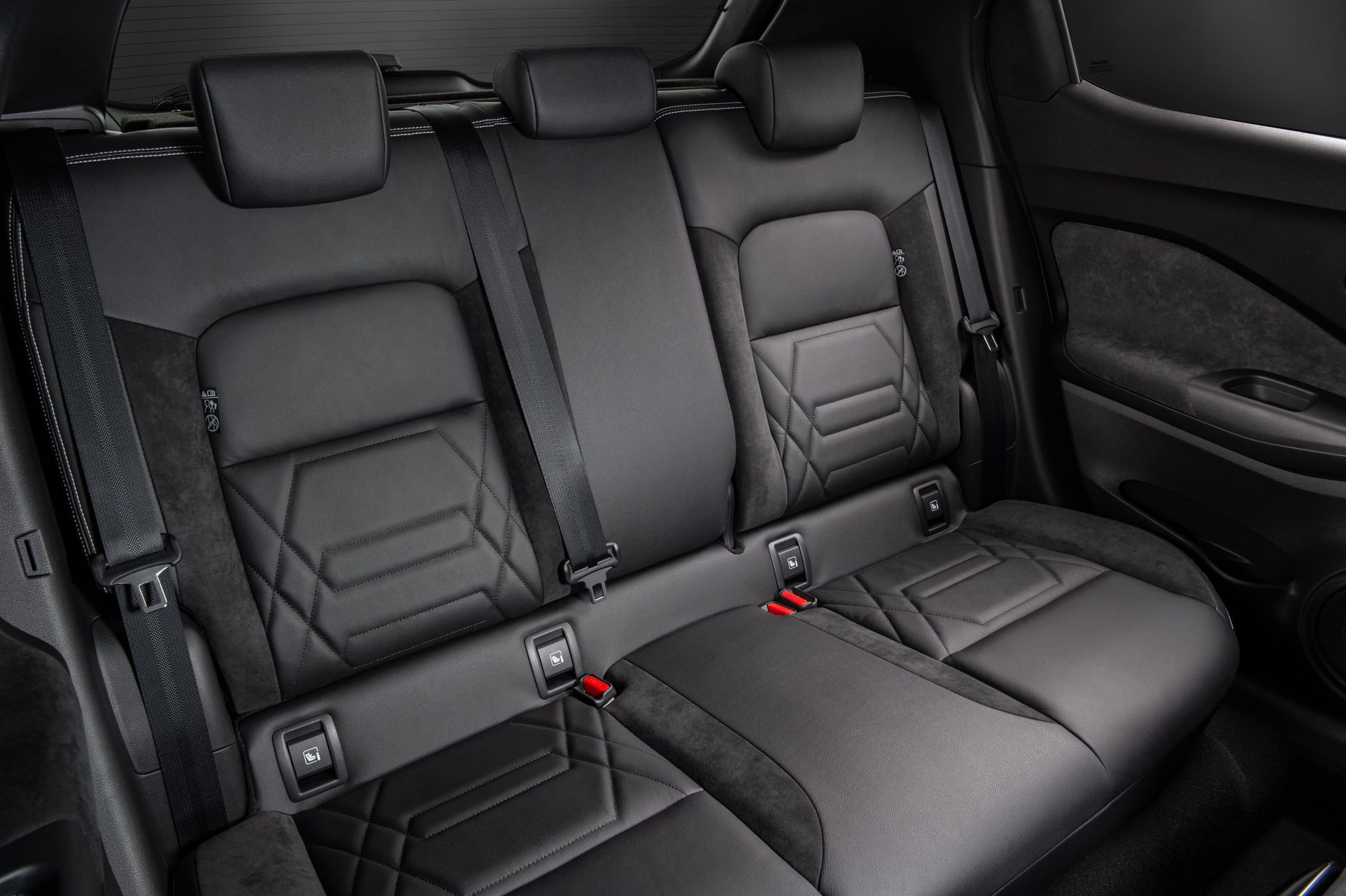
With 4,350 mm in length and 1,490 kg, the Kona offers rear accommodation that is noticeable on trips with two adults in the back, something the Juke, with its shorter body and coupé-style silhouette, partly sacrifices for design. We have no homologated boot capacity figure for either model in this comparison, so it’s best not to guess litres: what you do notice on getting in is that the Kona gives rear legs more room.
Equipment and price: where the RRP difference shows
Between the Juke Hybrid Acenta at 30,800 € and the Kona Hybrid at 33,500 € there is a difference of almost 9%, below the threshold that would warrant a major warning, but enough to influence the decision of many buyers. These prices are the manufacturer’s recommended RRP, without dealer discounts or one-off campaigns, so always check the current offer and, if applicable, the conditions of the Plan Auto+ on the official website before settling on figures.
Comparison table and score
| Model | Power | Consumption | Length | Price from | Score |
|---|---|---|---|---|---|
| Hyundai Kona Hybrid | 130 CV | 4.5 l/100 km | 4,350 mm | 33,500 € | 8.2/10 |
| Nissan Juke Hybrid | 140 CV | 4.5 l/100 km | not available in spec sheet | 30,800 € | 7.8/10 |
Where each one wins, no half measures
The Hyundai Kona Hybrid clearly wins on rear accommodation and on ride comfort over uneven surfaces, two weighty arguments if the car is going to serve as an urban family car. The Nissan Juke Hybrid, for its part, comes out ahead on power (140 CV versus 130) and on entry price, almost 2,700 € lower. Neither one beats the other on everything: each defends its own ground.
Verdict: which urban hybrid SUV to choose depending on your case
If your main use is the city with short trips, poor road surfaces and you need to carry rear passengers fairly often, the Hyundai Kona wins on comfort and space, although it costs a little more. If budget is the priority and you want a more dynamic character without going above 31,000 €, the Nissan Juke Hybrid is the most sensible option. In terms of price-performance, the Juke takes the point for the extra CV at the same consumption; in sustained daily comfort, the Kona is the one a consultant who had to use it every day would buy. Anyone also comparing alternatives in the segment can check how the Nissan Juke Hybrid holds up against the Renault Captur E-TECH, or how the Kona fits one step up against the Toyota Corolla Cross.
Frequently asked questions
Which is cheaper, the Hyundai Kona Hybrid or the Nissan Juke Hybrid?
The Nissan Juke Hybrid starts from an indicative RRP of 30,800 €, compared with 33,500 € for the Hyundai Kona Hybrid. These are manufacturer prices without dealer discounts.
Which uses less fuel in the city?
Both homologate very similar combined consumption, around 4.5 l/100 km, so day-to-day savings will depend more on driving style than on the model chosen.
Which has more power?
The Nissan Juke Hybrid produces 140 CV compared with the 130 CV of the Hyundai Kona Hybrid, a difference that is noticeable when overtaking on motorways.
Which is better for families with small children?
The Hyundai Kona Hybrid, thanks to its greater length (4,350 mm) and a more generous rear space, is more comfortable for fitting child seats and carrying rear passengers regularly.

3 Comments
Pingback: Omoda 5 SHS vs Nissan Juke Hybrid: qué SUV-B híbrido urbano ofrece más coche por menos de 28.000€ – Comparativa de Coches
Pingback: Cómo elegir un SUV-B con diseño diferenciador en 2026 según si priorizas línea exterior o interior tecnológico – Comparativa de Coches
Pingback: Peugeot 5008 vs Nissan X-Trail vs KIA Sorento: qué SUV de 7 plazas aguanta mejor un viaje familiar largo con niños y equipaje – Comparativa de Coches