

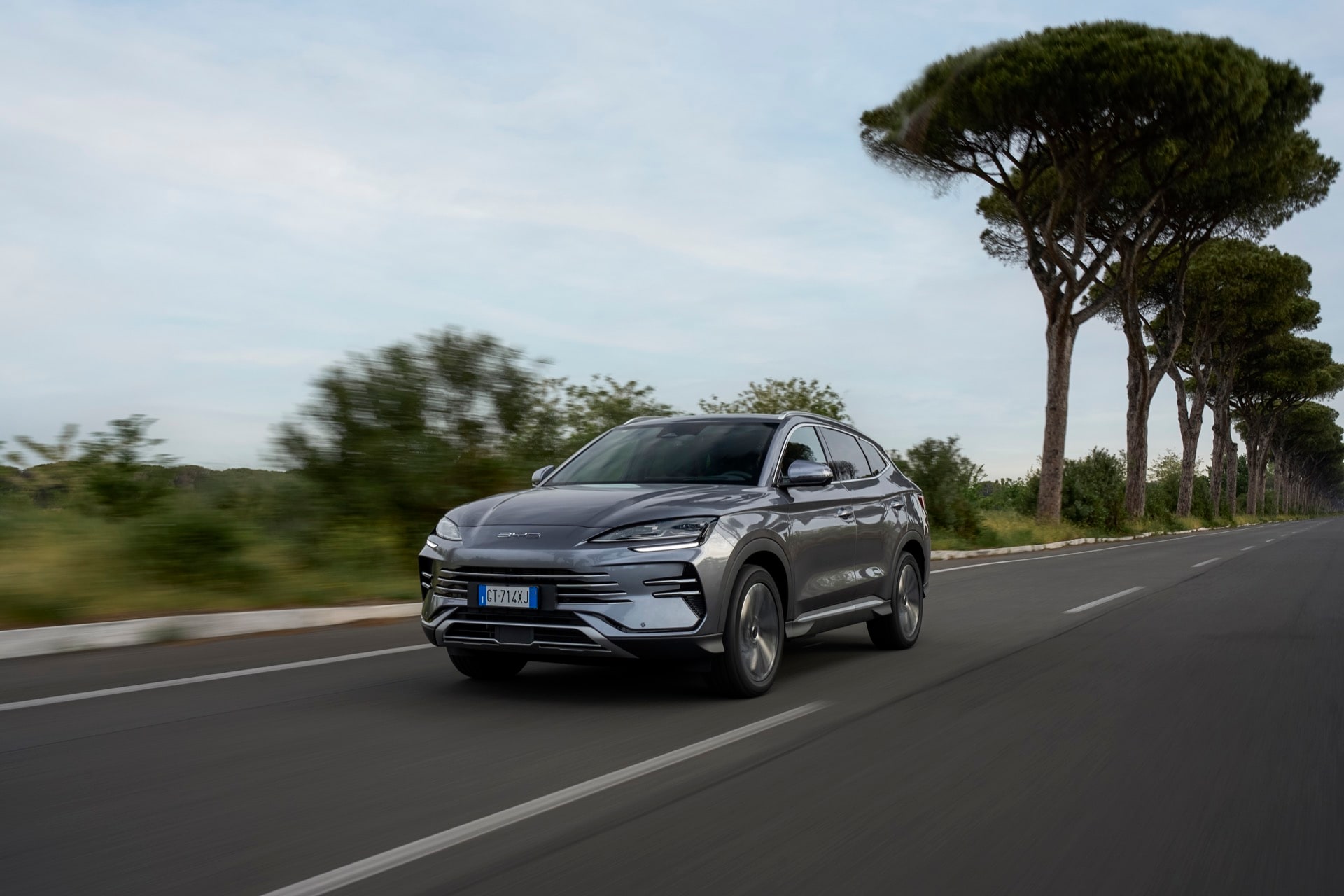
A plug-in hybrid SUV does not get a CERO label simply because it has a plug. The DGT requires a specific threshold of homologated electric range and an emissions limit, and not every PHEV sold in Spain reaches it. This creates confusion at the dealership: two seemingly similar PHEV SUVs can carry different stickers, and that changes access to low-emission zones, regulated parking and, in some cases, Plan Auto+ incentives.
What the CERO label is and why not every PHEV carries it
The CERO label identifies zero or low-emission vehicles: pure electric cars, hydrogen cars and also plug-in hybrids, but only those that meet two conditions at once. Being “plug-in” is not enough: the homologated electric-mode range must exceed a minimum, and CO2 emissions must stay below another minimum. A PHEV with a small battery can end up with an ECO label, the same one a conventional hybrid without a plug carries. For the buyer, that is a real difference in daily use.
The DGT’s exact requirements: 40 km WLTP and less than 50 g/km of CO2
The figure to remember is this: 40 kilometres of homologated electric range under the WLTP cycle and emissions below 50 g/km of CO2. Both requirements are cumulative, not alternatives. A PHEV SUV that homologates 38 km electric and 45 g/km of CO2 does not get the CERO label even though it meets the second criterion comfortably: it stays at ECO. The DGT leaves no room for interpretation here; the cutoff is in the manufacturer’s homologated technical sheet, not in the range the driver achieves in practice.
How electric range is homologated: WLTP and the EAER cycle
The figure shown on the technical sheet that certifies the ITV is not a manufacturer estimate, but the result of the WLTP test under the EAER indicator (Equivalent All-Electric Range), which measures how many kilometres the car covers exclusively on battery before the combustion engine comes into play. There are two variants of this figure, EAER city and EAER combined, and current regulations use the combined figure as the reference for the label. It is worth not confusing this number with real-world motorway range: an SUV that homologates 81 km WLTP may deliver 55-60 km on the motorway with cold weather and heating on. The label is granted based on the homologated figure, not on what the on-board computer shows on a January Tuesday.
Three CERO-label PHEV SUVs put to the test
BYD Seal U DM-i, from 36,490 €
This is the PHEV with the most homologated electric range of this trio, and it shows in everyday use: for urban journeys of under 70 km, it practically never touches petrol.
| Power | Electric range (WLTP) | Combined consumption | Label | Fuel |
|---|---|---|---|---|
| 175 kW / 238 CV | 81 km | 1.1 l/100 km | CERO | PHEV |
Cupra Terramar e-Hybrid, from 44,900 €
More expensive, but with a power distribution designed for those who don’t want to give up an SUV that is also enjoyable to drive once the battery runs out.
| Power | Electric range (WLTP) | Combined consumption | Label | Fuel |
|---|---|---|---|---|
| 200 kW / 272 CV | 122 km | 1.0 l/100 km | CERO | PHEV |
Volkswagen Tiguan eHybrid, from 45,990 €
The most frugal of the three when the battery is depleted, thanks to a very refined powertrain after several generations of development within the VW Group.
| Power | Electric range (WLTP) | Combined consumption | Label | Fuel |
|---|---|---|---|---|
| 150 kW / 204 CV | 100 km | 1.1 l/100 km | CERO | PHEV |
Comparison table
| Model | Price from | Electric range WLTP | Power | Label | Score |
|---|---|---|---|---|---|
| BYD Seal U DM-i | 36,490 € | 81 km | 238 CV | CERO | 8.5/10 |
| Cupra Terramar e-Hybrid | 44,900 € | 122 km | 272 CV | CERO | 8.2/10 |
| Volkswagen Tiguan eHybrid | 45,990 € | 100 km | 204 CV | CERO | 8/10 |
Where each one wins
The BYD wins on entry price and warranty: 6 years or 150,000 km versus the usual 3 years/100,000 km of the VW Group, a weighty argument if the car will stay in the garage for eight or ten years. The Cupra Terramar wins on homologated electric range: 122 km WLTP is a figure no combustion C-segment SUV from Germany or France matches today, and in driving character when the battery is empty. The Tiguan eHybrid doesn’t stand out in any specific figure, but its overall balance and the VW Group’s after-sales network in Spain are arguments many buyers value more than any technical table.
What happens if a PHEV doesn’t reach 40 km (and stays at ECO label)
The first generations of PHEV SUVs, with 10-13 kWh batteries, homologated ranges of 35-38 km WLTP. Enough to get around the city in electric mode, but insufficient for the DGT’s legal cutoff. Those models carry the ECO label, the same as a hybrid without a plug, and lose preferential access to low-emission zones in some municipalities. Before buying a PHEV new or second-hand, check the homologated technical sheet rather than trusting the trade name or what the seller says.
Plan Auto+ and the CERO label: why it matters when buying
The CERO label is not just a sticker. It conditions access to incentives such as Plan Auto+, to circulation tax reductions in several municipalities and to free parking in regulated zones of cities such as Madrid or Barcelona. The specific amounts and requirements of Plan Auto+ change with each call, so it is sensible to check the official website before signing, but the environmental badge itself is already a common eligibility criterion.
Verdict: which PHEV SUV to choose depending on your use case
For short urban journeys and daily charging at home, the BYD Seal U DM-i is the most sensible option: more electric range than its rivals in this trio and an entry price 23% below the Cupra, with a warranty that gives peace of mind in the long term. For those who combine city and motorway driving and want the car to respond when asked, the Cupra Terramar e-Hybrid offers the balance between real electric range and reserve power. And if the priority is the workshop network and a product without surprises, the Volkswagen Tiguan eHybrid complies without fuss, although it isn’t the flashiest in any figure. All three carry the CERO label, all three meet the 40 km threshold; the real decision lies in how much price weighs against homologated electric range in your case.
Frequently asked questions
How many electric kilometres must a PHEV homologate for the CERO label?
At least 40 km of electric range on the WLTP cycle (combined EAER), in addition to emitting less than 50 g/km of CO2.
Do all plug-in hybrid SUVs carry the CERO label?
No. Models with small batteries, below roughly 13-15 kWh, usually homologate less than 40 km and receive the ECO label instead of CERO.
Does real range match the homologated WLTP figure?
Not always. The WLTP figure is a standardised test; in real use, with cold weather or motorway driving, electric range usually falls 20-30% below the homologated figure.
Does the CERO label give automatic access to Plan Auto+?
The label is a common requirement, but not the only one. The exact conditions of Plan Auto+ vary by call and should be checked on the official website before buying.

1 Comment
Pingback: Cómo elegir un SUV PHEV con etiqueta CERO en 2026 según los kilómetros diarios que haces en modo eléctrico – Comparativa de Coches