


The ECO label has become the real purchasing filter for anyone driving in and out of the city every day. It doesn’t grant access to bus lanes or free parking everywhere, but it does exempt you from restrictions during pollution episodes in Madrid and Barcelona, and on many insurance policies it translates into a few euros less. The problem is that not all “hybrids” deserve it equally: a 48V mild hybrid may carry the blue and green sticker, but on the road it consumes like a regular petrol car. Here we are talking about genuine self-charging HEVs, the ones that recover energy when braking and start in electric mode in the city without a plug.
We have filtered five models with an RRP below 28,000€, standard equipment that includes Level 2 ADAS, a touchscreen with wireless Android Auto and Apple CarPlay, and automatic climate control. None of them is a bare-bones base version: all come with enough to avoid having to visit the dealership to ask for extras.
What changes between an HEV and a mild hybrid with the same label
The difference is noticed in everyday driving, not on paper. An HEV such as the Toyota Yaris Cross drives in pure electric mode for a large part of urban journeys, which explains city consumption below 4.5 l/100 km. A 48V mild hybrid, on the other hand, only adds a boost to the combustion engine during starts and accelerations: the ECO label is the same, but your wallet notices the difference at the end of the month.
Toyota Yaris Cross Hybrid, from 24,450€: the most efficient of the group
It is the real-world consumption benchmark of the segment, and not by chance: Toyota has spent two decades refining the same system. According to our tests, the Yaris Cross runs in pure electric mode almost 60% of the time in the city, something no rival on this list matches. That said, its boot (320 litres) is the smallest in the group and the interior feels functional rather than especially premium.
| Power (kW) | Power (CV) | WLTP consumption | Label | Fuel |
|---|---|---|---|---|
| 85 kW | 116 CV | 4.2 l/100 km | ECO | Hybrid (HEV) |
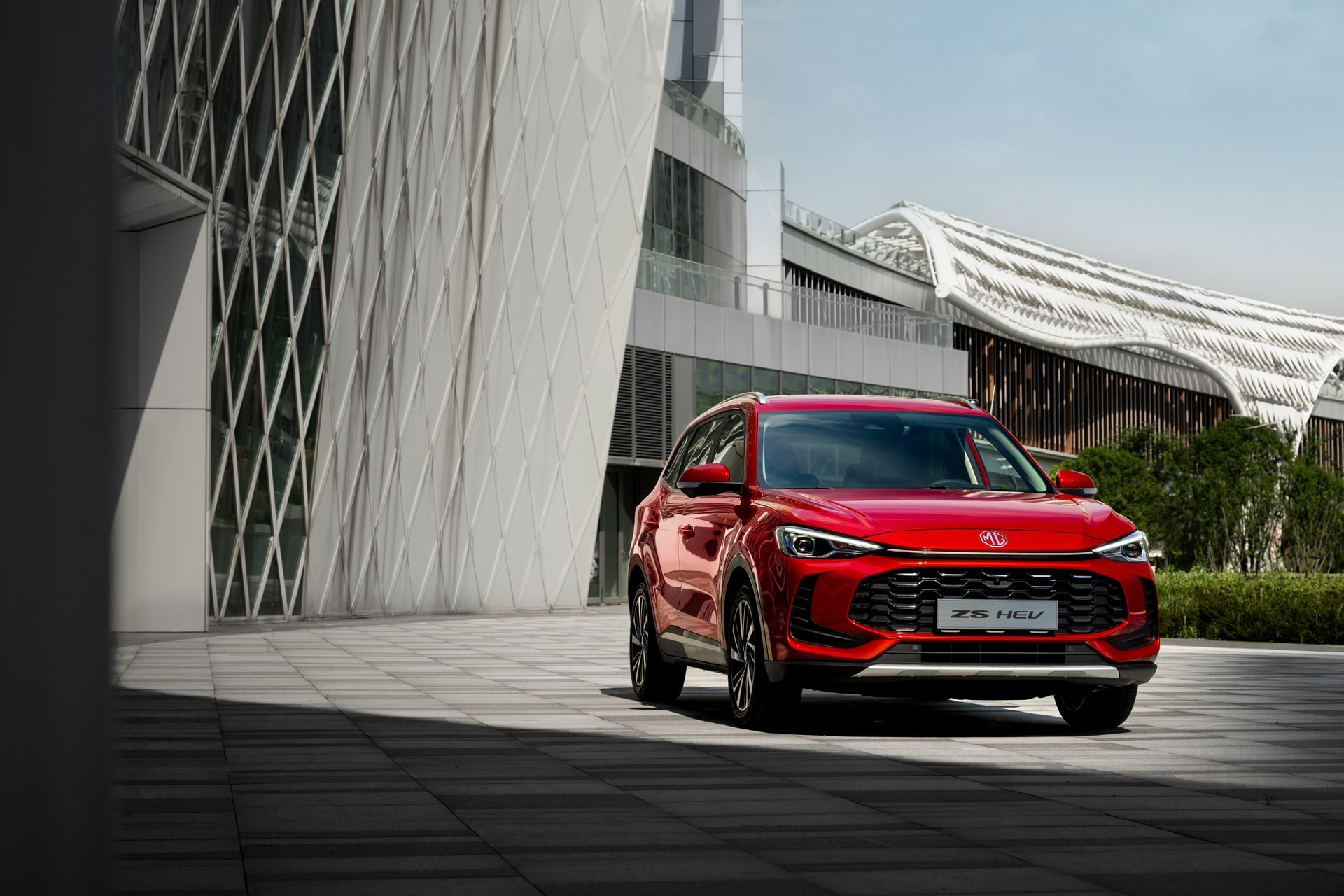
MG ZS Hybrid+, from 22,990€: the cheapest with the longest warranty
It is the lowest entry price of the five and, on top of that, it comes with a 7-year or 150,000 km warranty, twice the industry average. With 136 CV it is also one of the most powerful here. The fine print: the feel of the interior materials is a step below Toyota or Nissan, and the multimedia software still has room for improvement in smoothness.
| Power (kW) | Power (CV) | WLTP consumption | Label | Fuel |
|---|---|---|---|---|
| 100 kW | 136 CV | 5.0 l/100 km | ECO | Hybrid (HEV) |
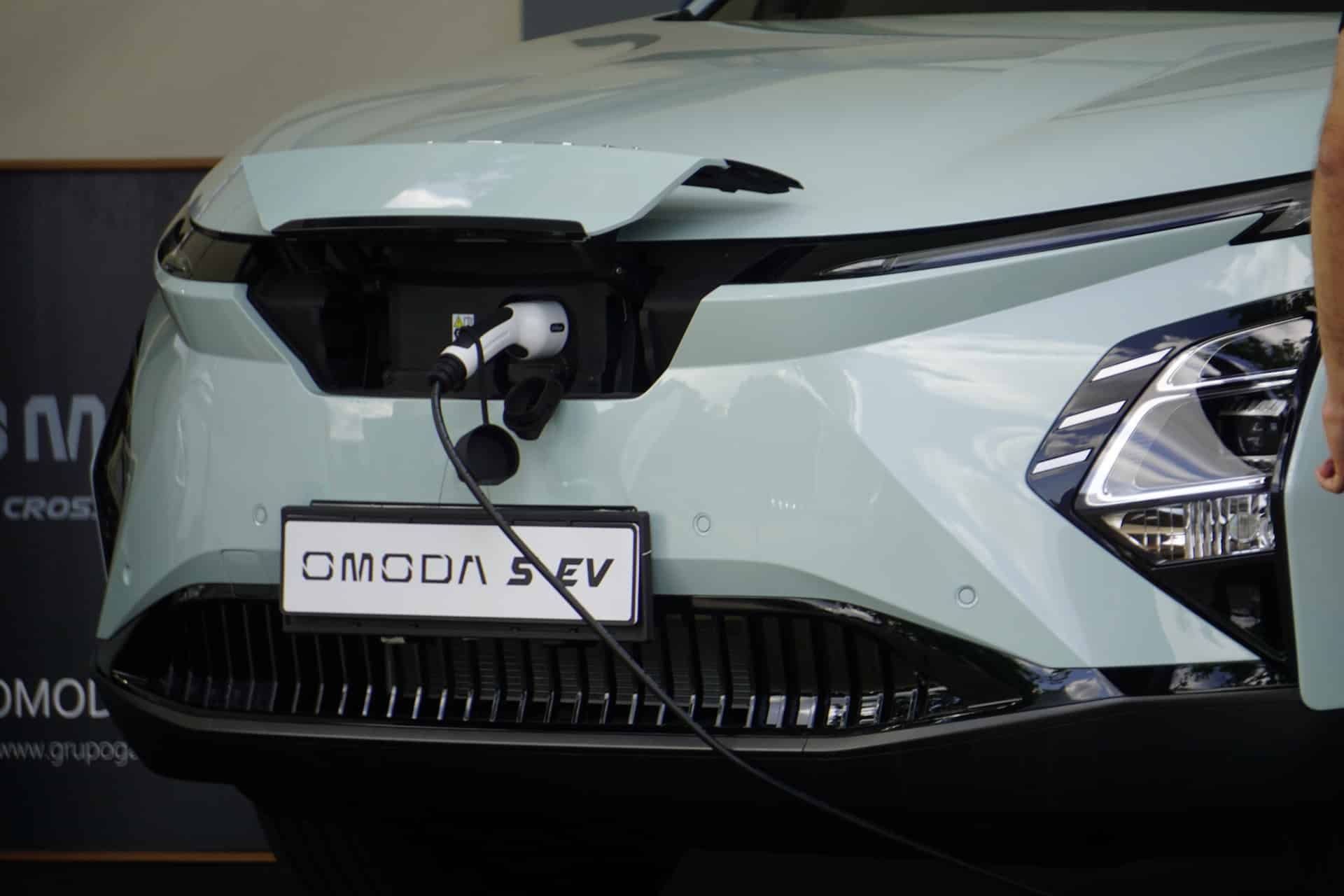
Omoda 5 SHS, from 24,900€: the best-equipped as standard
Chery, the Chinese giant behind Omoda, plays its card on equipment: a 540º camera, wireless charger, electric seats and a complete ADAS already in the entry trim. With 184 CV it is by far the most powerful on the list, which is noticeable when overtaking. Compared with the Nissan Juke Hybrid in our head-to-head test, the Omoda wins on power and equipment and loses a little on ride refinement.
| Power (kW) | Power (CV) | WLTP consumption | Label | Fuel |
|---|---|---|---|---|
| 135 kW | 184 CV | 5.1 l/100 km | ECO | Hybrid (HEV) |
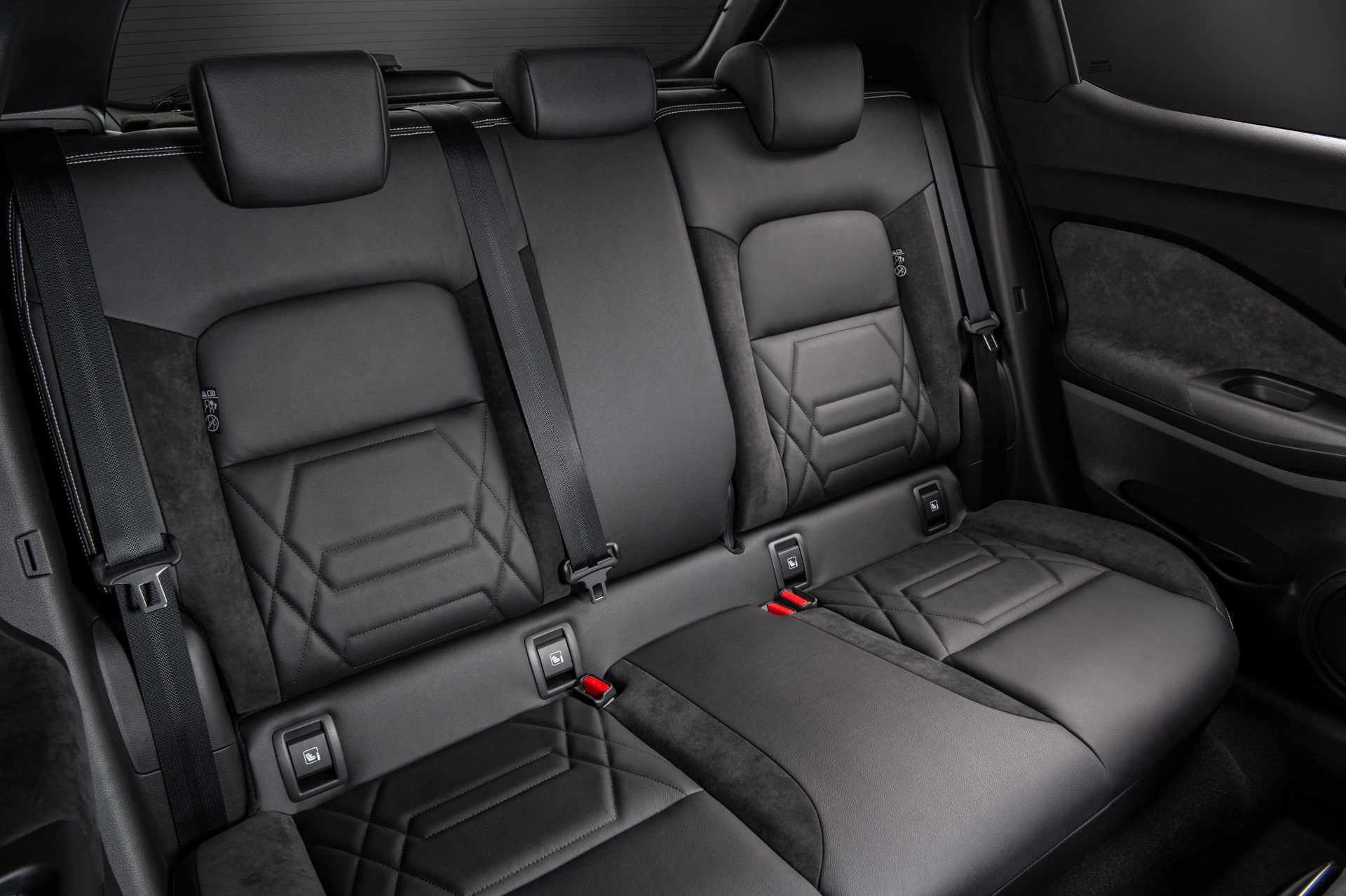
Nissan Juke Hybrid, from 25,600€: the most fun to drive
The Juke is the only one on this list designed first to please behind the wheel and then to save money. The chassis is firmer, the steering more direct, and the design remains the most daring in the segment. In return, the boot (354 litres) grows with the trailing battery that takes up some space under the floor compared with the petrol version.
| Power (kW) | Power (CV) | WLTP consumption | Label | Fuel |
|---|---|---|---|---|
| 105 kW | 143 CV | 4.8 l/100 km | ECO | Hybrid (HEV) |
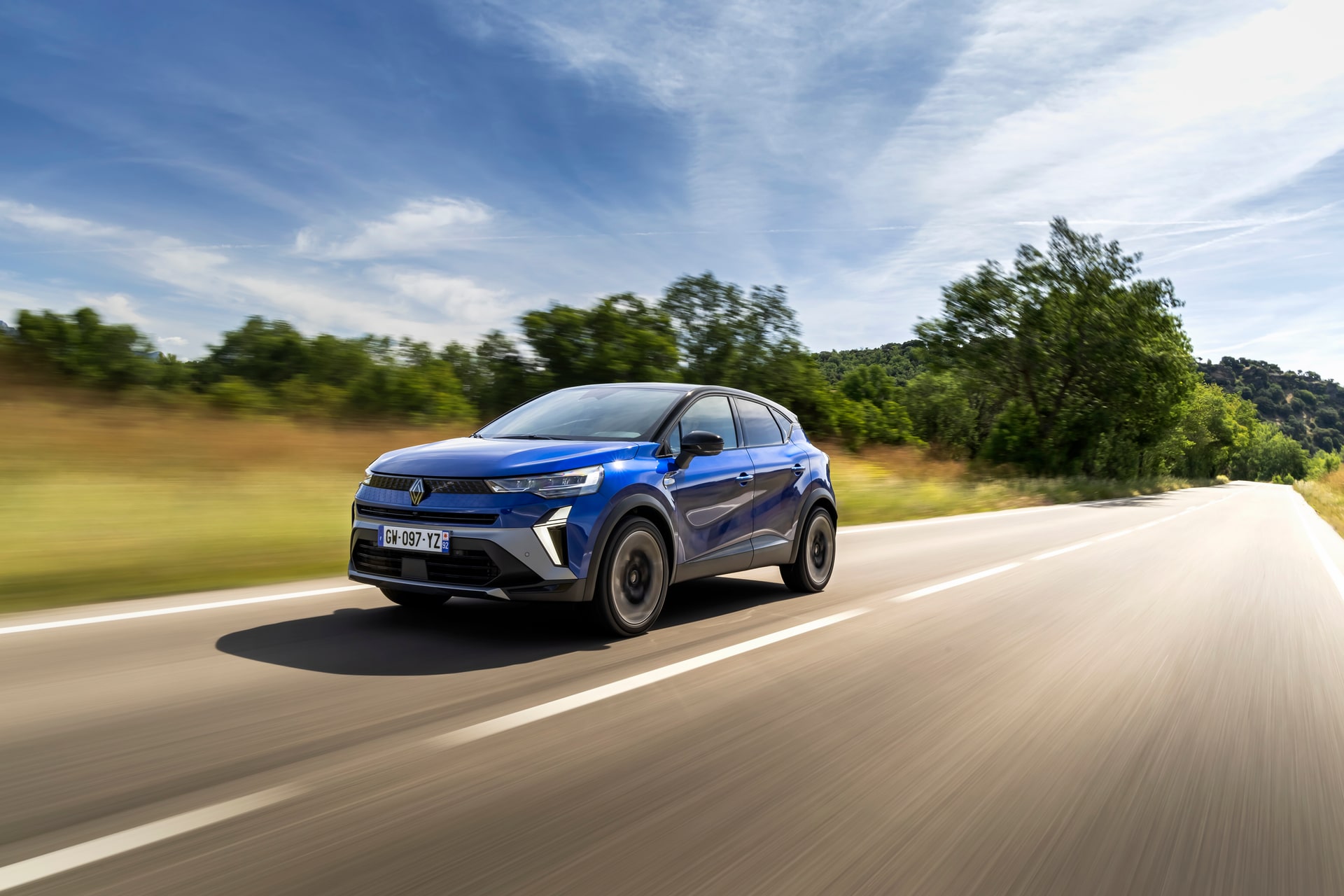
Renault Captur E-Tech full hybrid, from 27,650€: the most comfortable for long trips
It is the most expensive of the five, right at the edge of the budget, but also the only one designed for both city driving and covering motorway kilometres without sacrificing comfort. The Renault Captur E-Tech smooths out road imperfections better than any rival here, with a 422-litre boot that is the largest on the list.
| Power (kW) | Power (CV) | WLTP consumption | Label | Fuel |
|---|---|---|---|---|
| 105 kW | 145 CV | 4.3 l/100 km | ECO | Hybrid (HEV) |
Full comparison table
| Model | Price from | Power | WLTP consumption | Warranty | Score |
|---|---|---|---|---|---|
| Toyota Yaris Cross Hybrid | 24,450 € | 116 CV | 4.2 l/100 km | 3 years (up to 10 with servicing) | 8.5 |
| MG ZS Hybrid+ | 22,990 € | 136 CV | 5.0 l/100 km | 7 years/150,000 km | 8.2 |
| Omoda 5 SHS | 24,900 € | 184 CV | 5.1 l/100 km | 7 years/150,000 km | 8.4 |
| Nissan Juke Hybrid | 25,600 € | 143 CV | 4.8 l/100 km | 3 years/100,000 km | 8.0 |
| Renault Captur E-Tech | 27,650 € | 145 CV | 4.3 l/100 km | 2 years (extendable) | 7.9 |
The verdict: which ECO hybrid SUV to choose depending on your case
For pure city driving, barely leaving the M-30 or your city’s ring road, the Toyota Yaris Cross Hybrid wins on real-world consumption by a clear margin. If you are looking for a tight budget and the longest possible warranty, the MG ZS Hybrid+ gives the most peace of mind at 22,990€, almost 20% below the Captur, the most expensive rival on the list. For those who want more power and equipment without paying more, the Omoda 5 SHS offers 184 CV and standard equipment that no other matches in this range. If driving character weighs more than fuel savings, the Nissan Juke Hybrid remains the most entertaining. And if your real use combines weekday city driving with weekend trips with a loaded boot, the Renault Captur E-Tech offsets its higher price with the best ride comfort of the group.
Frequently asked questions
Do all self-charging hybrids carry the ECO label in Spain?
Not necessarily. The label depends on the emissions approval of the specific vehicle, not just on it being a hybrid. It is worth checking the DGT technical sheet before buying, especially for models offered with several engine options.
Can a hybrid SUV with an ECO label enter Madrid Central or other low-emission zones?
Yes, the ECO label allows driving and parking without restrictions in most Spanish low-emission zones, including those in Madrid and Barcelona, although free-parking conditions vary by town council.
Are there public grants to buy these hybrid SUVs in 2026?
The Plan Auto+ provides grants for certain electrified vehicles, with amounts and requirements that change depending on the current call. Before deciding, it is advisable to review the up-to-date conditions on the plan’s official website.
Is it worth paying more for an HEV over a mild hybrid with the same label?
If your use is mostly urban, yes: the fuel saving of an HEV over a 48V mild hybrid can be around 20-25% in the city, a difference that pays back the extra cost in a few years depending on annual mileage.
