

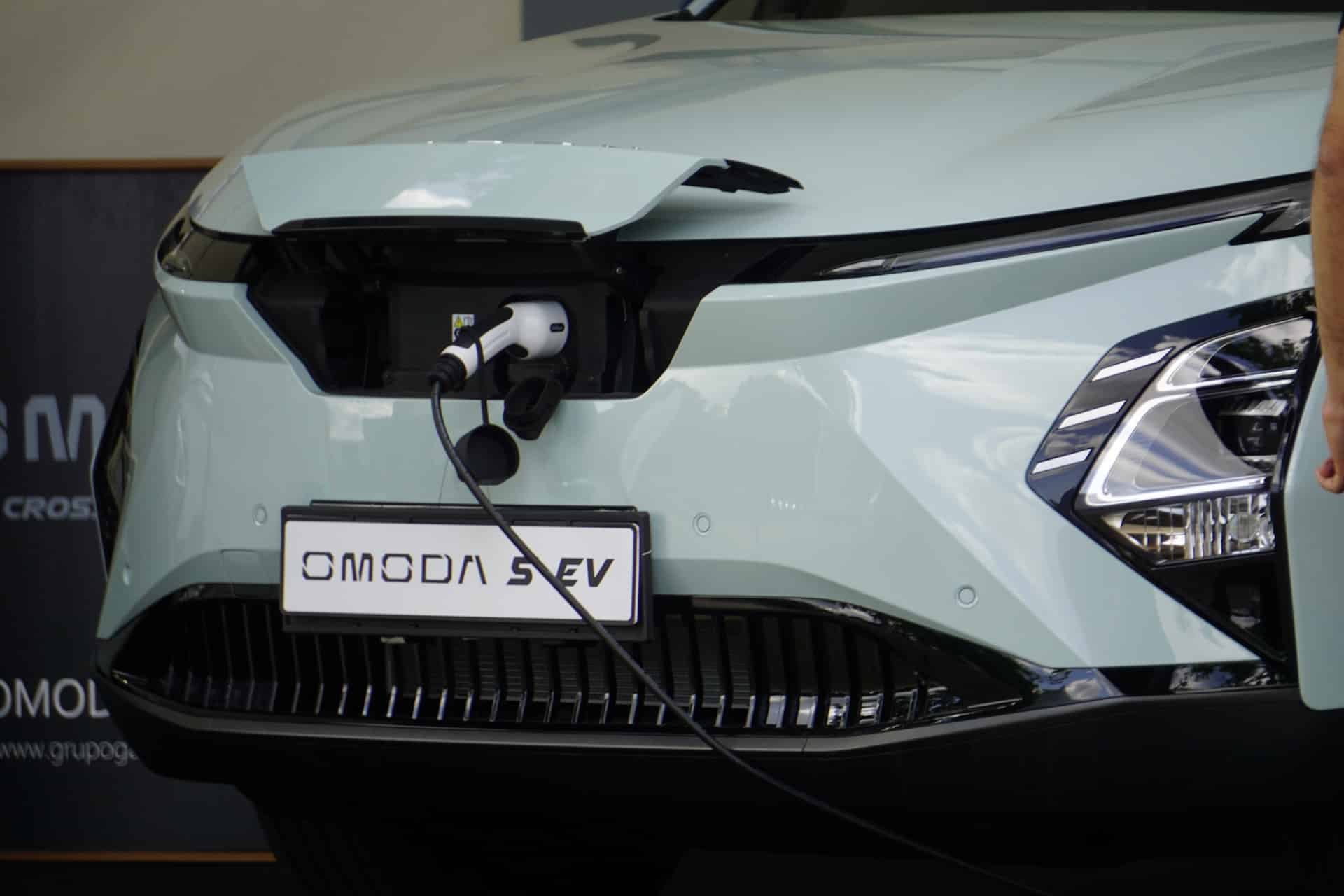
Three different ways of looking at the same problem: a compact, hybrid SUV for everyday use, without going over budget. The Omoda 5 SHS arrives making a strong impression with almost 220 CV, the Renault Captur E-TECH boasts of being one of the most fuel-efficient self-charging hybrids on the market, and the Suzuki Vitara Hybrid plays the card of longevity and known reliability. All three hover around the €28,000 recommended RRP, although with nuances that are worth not overlooking.
Before going into detail, a necessary clarification: the prices we use are the manufacturer’s recommended RRP, without dealer discounts or one-off campaigns. What you pay at your dealership may vary, and it is also worth asking about the current Plan Auto+, which may reduce the final bill.
Omoda 5 SHS: technical specs and price from €29,400
The Omoda 5 SHS is the most powerful of the trio, and it shows. Its 1.5 TGDI hybrid delivers a combined 220 CV, a figure that no rival in this group comes close to. That said, it sits slightly above the €28,000 threshold stated in the title.
| Power | Top speed | Consumption | CO₂ | Fuel | Price from |
|---|---|---|---|---|---|
| 220 CV (110 kW) | 180 km/h | 5.5 l/100 km | 120 g/km | Petrol hybrid | €29,400 |
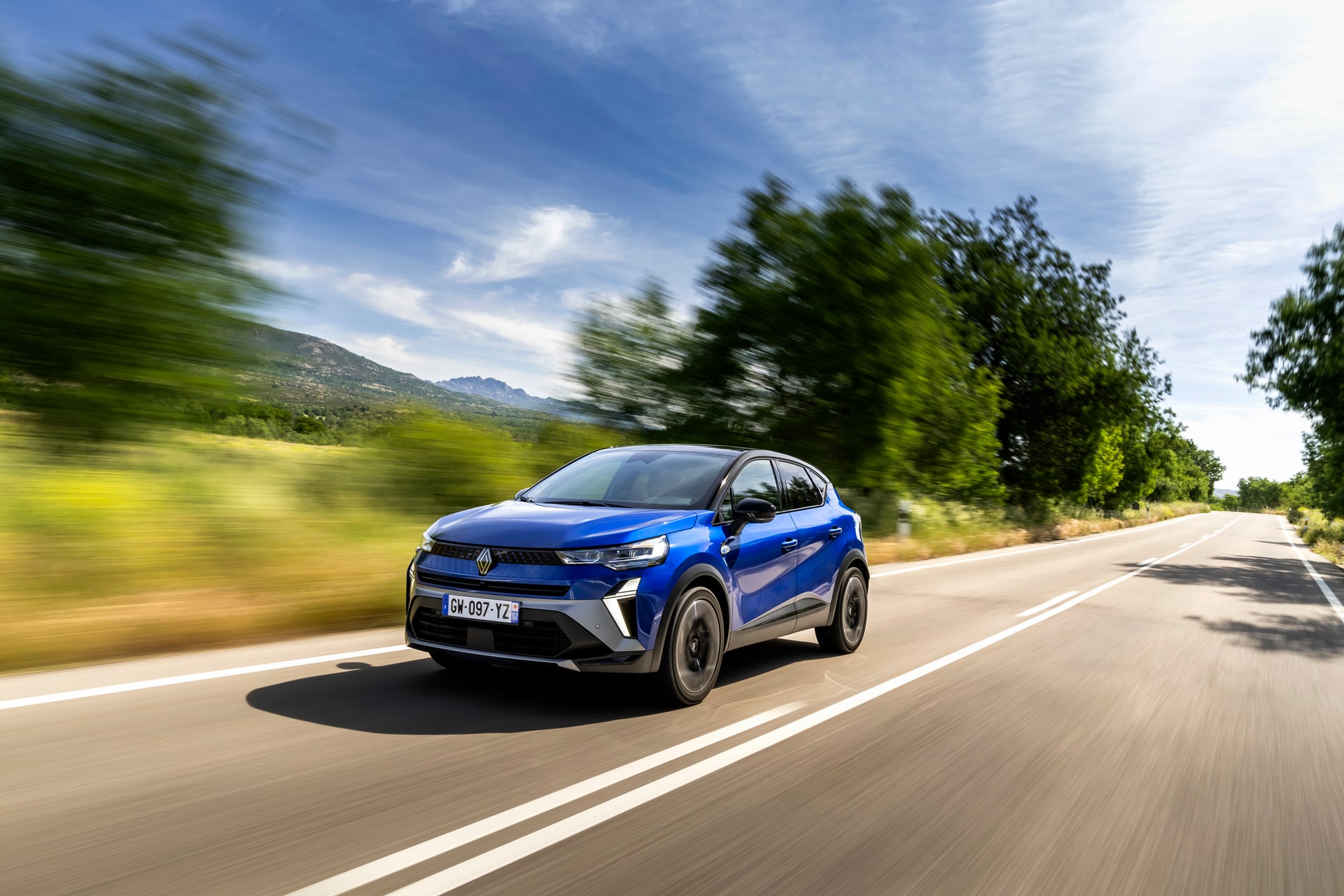
Renault Captur E-TECH: technical specs and price from €27,900
Here is the French car’s strongest argument: 4.5 l/100 km homologated, the lowest figure of the trio by a margin that is not anecdotal. With 150 CV it falls behind the Omoda in power, but it makes up for it with smoother, quieter behaviour in the city, the terrain where the E-Tech system truly shines. We have already analysed the Captur E-TECH in depth, and the real-world consumption figure holds up quite well outside the laboratory.
| Power | Top speed | Consumption | CO₂ | Fuel | Price from |
|---|---|---|---|---|---|
| 150 CV (110 kW) | 170 km/h | 4.5 l/100 km | 110 g/km | Petrol/electric hybrid | €27,900 |
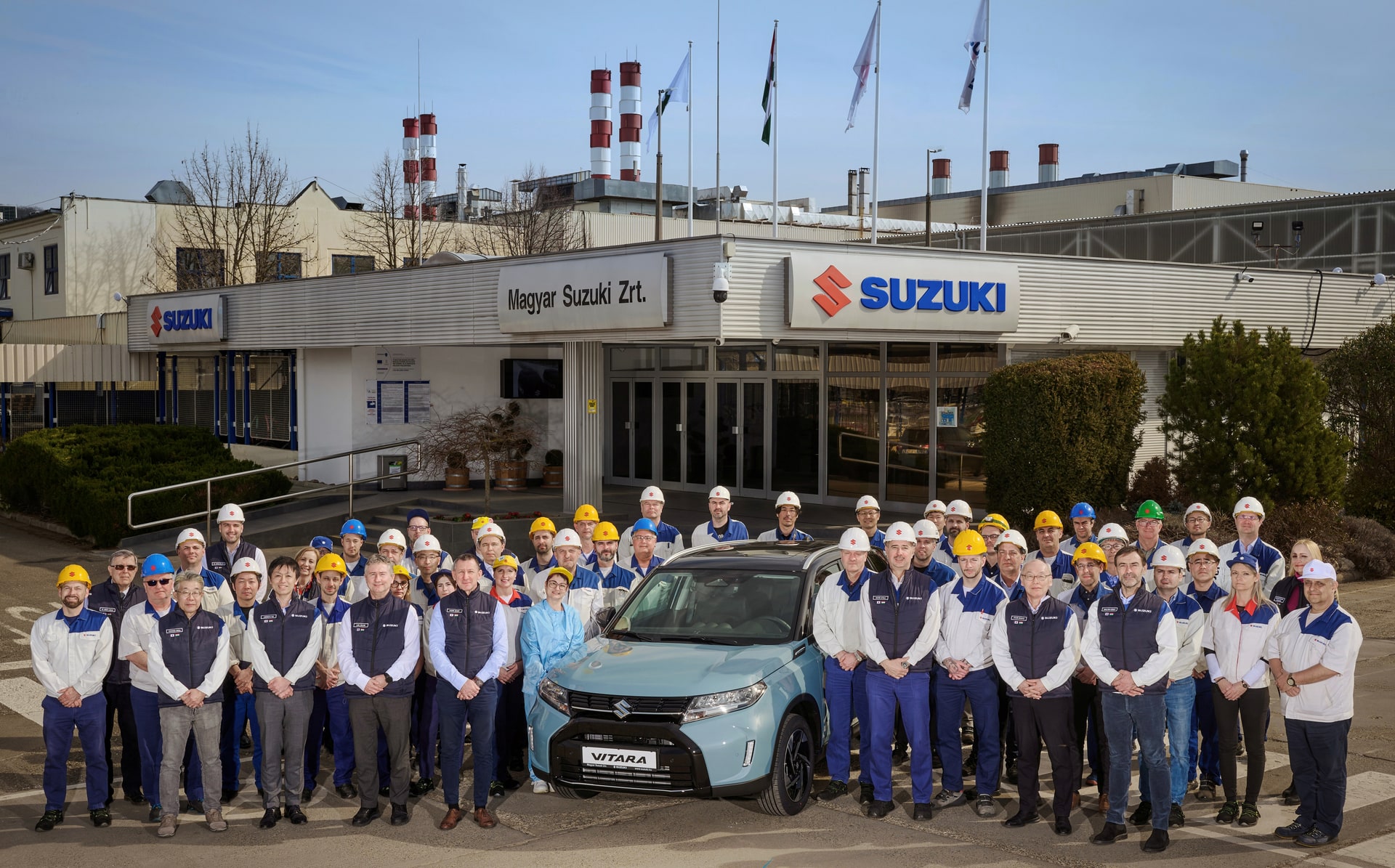
Suzuki Vitara Hybrid: technical specs and price from €27,900
The Vitara is not looking to surprise. It is a manual mild hybrid, with 110 CV and a much more conventional mechanical approach than its two rivals. It does not reduce consumption like the Captur nor offer the Omoda’s power, but its commercial track record in Spain is the longest of the three, and that weighs heavily for anyone who prioritises proven reliability over novelty. We compared it against another Japanese car in Toyota Yaris Cross vs Suzuki Vitara Hybrid, where the Vitara already showed its cards: solidity over spectacle.
| Power | Top speed | Consumption | CO₂ | Fuel | Price from |
|---|---|---|---|---|---|
| 110 CV (80 kW) | 180 km/h | 5.5 l/100 km | 120 g/km | Petrol/electric mild hybrid | €27,900 |
Power and mechanics: who leads on performance
There is no debate: the Omoda 5 SHS wins by a landslide in raw power, with 220 CV against the Captur’s 150 and the Vitara’s 110. It is the difference between a car that overtakes without a second thought and one that simply gets the job done. But power is not synonymous with efficiency, and there the scoreboard changes dramatically.
Consumption and environmental label
The Captur E-TECH takes this category without breaking a sweat: 4.5 l/100 km homologated is a figure that neither the Omoda nor the Vitara matches, both at 5.5 l/100 km. All three hybrid systems qualify for the DGT’s ECO environmental label, although the Renault’s real fuel saving translates into concrete euros at the end of the month if you do a lot of urban mileage.
Price and value for money
The Omoda starts at €29,400, 5.4% above its two rivals, which are almost exactly level at €27,900. It is not a difference that sets off alarm bells, but if your budget is tight, that margin matters. In terms of power delivered, the Omoda is still the one offering the most CV per euro invested.
Full comparison table
| Model | Power | Consumption | CO₂ | Price from | Score |
|---|---|---|---|---|---|
| Omoda 5 SHS | 220 CV | 5.5 l/100 km | 120 g/km | €29,400 | 8/10 |
| Renault Captur E-TECH | 150 CV | 4.5 l/100 km | 110 g/km | €27,900 | 8.5/10 |
| Suzuki Vitara Hybrid | 110 CV | 5.5 l/100 km | 120 g/km | €27,900 | 7/10 |
Where each model wins
The Omoda wins on power and on the sense of thrust, something that is noticeable when merging onto motorways and overtaking. The Captur wins on homologated consumption and emissions, the combination that weighs most on your wallet in the long run. The Vitara wins on brand track record and on the peace of mind of a well-known mild hybrid mechanism, without technological surprises that could fail.
Verdict: which hybrid SUV-B to choose depending on your needs
For intensive urban use and high mileage, the Renault Captur E-TECH wins on real consumption and on starting from €27,900, the most competitive price of the trio alongside the Vitara. For anyone seeking maximum power and not minding paying a bit more, the Omoda 5 SHS is the choice, with the caveat that its price from €29,400 sits above the €28,000 threshold in the title. For anyone prioritising a familiar, uncomplicated mechanism, the Suzuki Vitara Hybrid does the job, although it falls behind the Captur on consumption with the same 5.5 l/100 km figure as the Omoda. In terms of price-performance balance, the Captur E-TECH best balances the three variables that really matter: consumption, price and brand reliability.
Frequently asked questions
Which hybrid SUV-B has the lowest consumption for less than €28,000?
The Renault Captur E-TECH, with 4.5 l/100 km homologated, the lowest figure in this compared group.
Does the Omoda 5 SHS cost less than €28,000?
No. Its price starts at €29,400 RRP, above the threshold in the title, although it makes up for this with 220 CV, the highest power of the trio.
What is the difference between the Suzuki Vitara’s mild hybrid and the Captur’s hybrid?
The Vitara uses a 48V mild hybrid system that assists the combustion engine, while the Captur E-TECH can run in pure electric mode on short trips, which explains its lower homologated consumption.
Is it worth paying more for the Omoda 5 SHS over the Captur or the Vitara?
If you prioritise power and performance, yes. If you prioritise consumption and a tight budget, the Captur E-TECH offers the better overall value for less money.
