

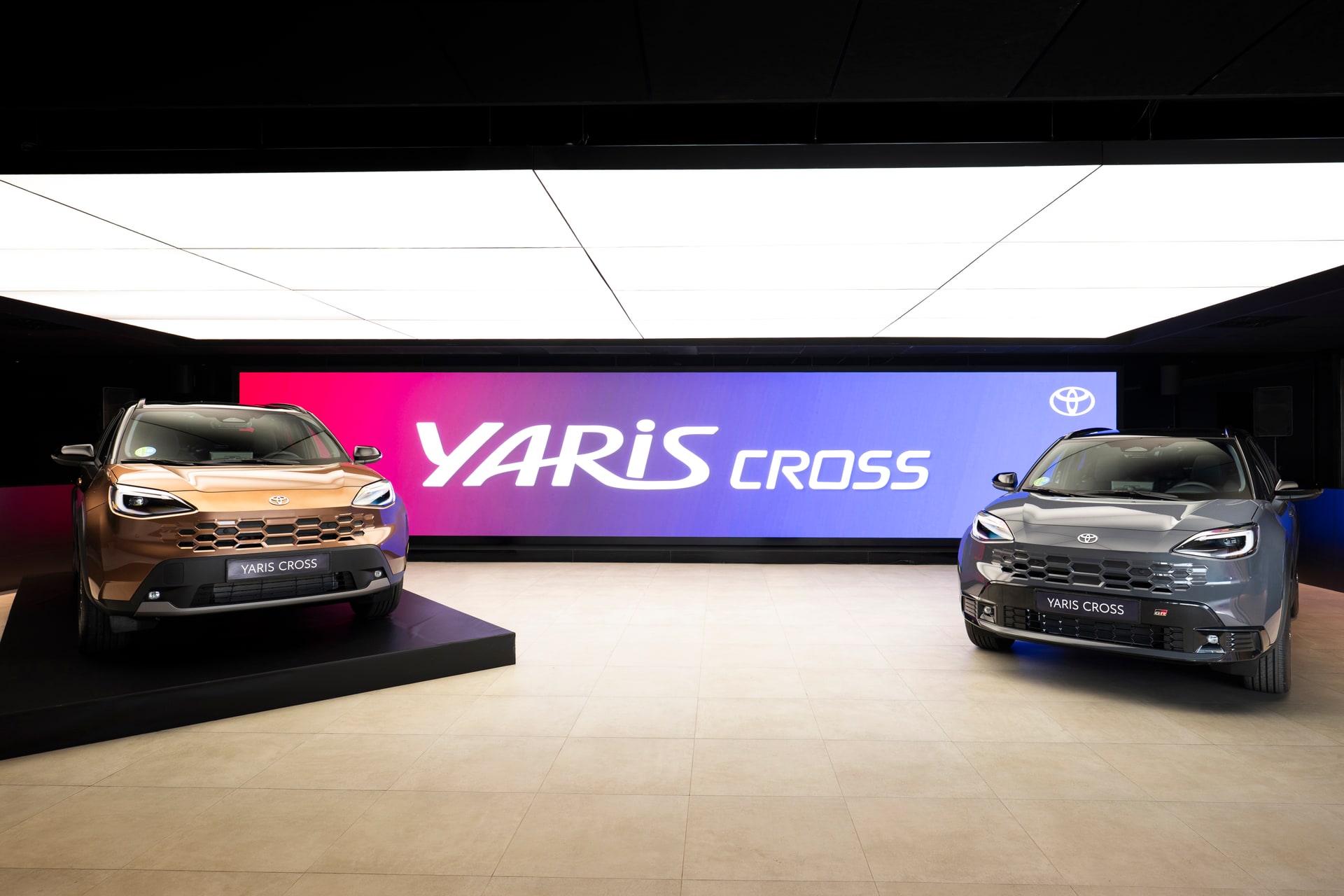
Buying a self-charging hybrid SUV-B under €28,000 no longer means giving up LED headlights, a large screen or level 2 ADAS. The segment has matured so much that the real battle is in the details: what the well-equipped entry trim includes as standard, not the top-of-range version that inflates the price. We have reviewed five candidates that have been vying for the Spanish buyer’s attention for months and that, in their best-equipped version within that budget, cover very different profiles.
Toyota Yaris Cross 1.5 Hybrid 116H Active Tech: from €24,900
The Yaris Cross remains the benchmark for real-world consumption in the segment. With its 1.5-litre hybrid and 116 CV of combined power, it drops to 4.5 l/100 km in the city effortlessly, something none of the rivals on this list matches. The Active Tech trim, which comes in under €25,000, already includes LED headlights, a rear camera, Toyota Safety Sense (its standard ADAS package) and an 8-inch screen with wireless Apple CarPlay and Android Auto.
What it lacks is presence: it is the smallest of the five and its 320-litre boot feels short if you travel with two children and weekend luggage.
| Power (kW) | Power (CV) | Consumption | Label | Fuel |
|---|---|---|---|---|
| 85 kW | 116 CV | 4.2 l/100 km | ECO | Hybrid (HEV) |
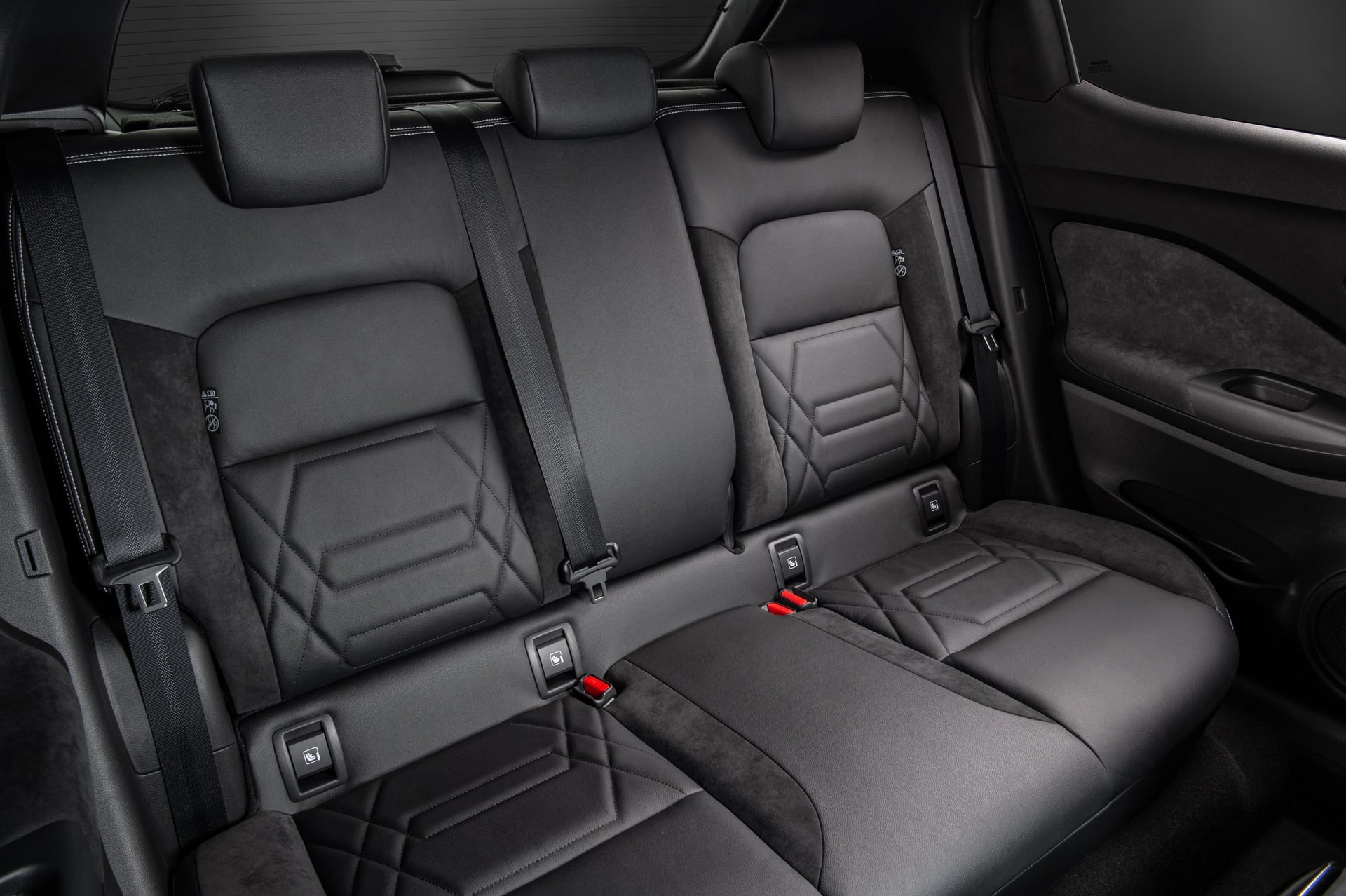
Nissan Juke Hybrid N-Connecta: from €27,200
The Juke Hybrid uses the same 1.6 unit as other models in the alliance, with 143 CV that make themselves felt when overtaking on the road: it is the most agile of the five on motorways. The N-Connecta trim, just below the €28,000 limit, adds dual-zone climate control, a 360º camera and the ProPILOT system with full level 2 ADAS.
The downside comes in consumption: its homologated 4.8 l/100 km becomes a little over 6 l/100 km in real driving if you move from city to motorway with a light right foot, a difference the Yaris Cross does not suffer as much.
| Power (kW) | Power (CV) | Consumption | Label | Fuel |
|---|---|---|---|---|
| 105 kW | 143 CV | 4.8 l/100 km | ECO | Hybrid (HEV) |
We already compared this engine in detail in our analysis of Hyundai Kona Hybrid vs Nissan Juke Hybrid, where the Juke came out ahead for comfort in urban driving.
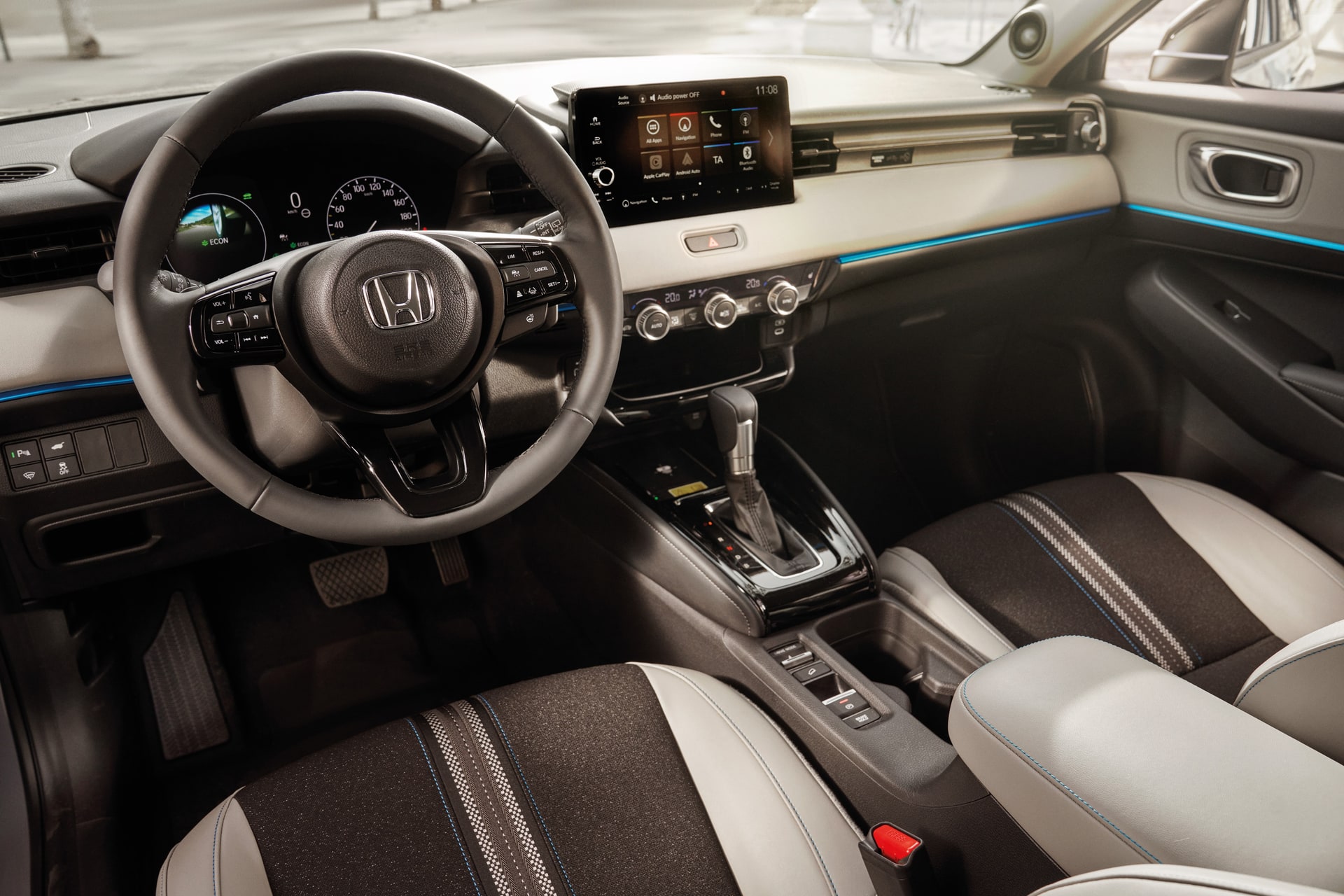
Honda HR-V e:HEV Comfort: from €27,900
Honda applies its i-MMD technology here, which in the city works almost like an electric car with a support generator. The Comfort, the real entry trim (not the one usually shown in promotional catalogues), includes Honda Sensing with level 2 ADAS, dual-zone climate control and a rear camera. However, CarPlay comes by cable in this trim, something that surprises in 2026 and forces you to move up a grade if you want it wireless.
It is, by far, the most refined to drive of the five. The HR-V has nothing to envy in a compact when it comes to sound insulation, and that comes at a price: it is the one with the least margin below the €28,000 limit.
| Power (kW) | Power (CV) | Consumption | Label | Fuel |
|---|---|---|---|---|
| 96 kW | 131 CV | 5.4 l/100 km | ECO | Hybrid (HEV) |
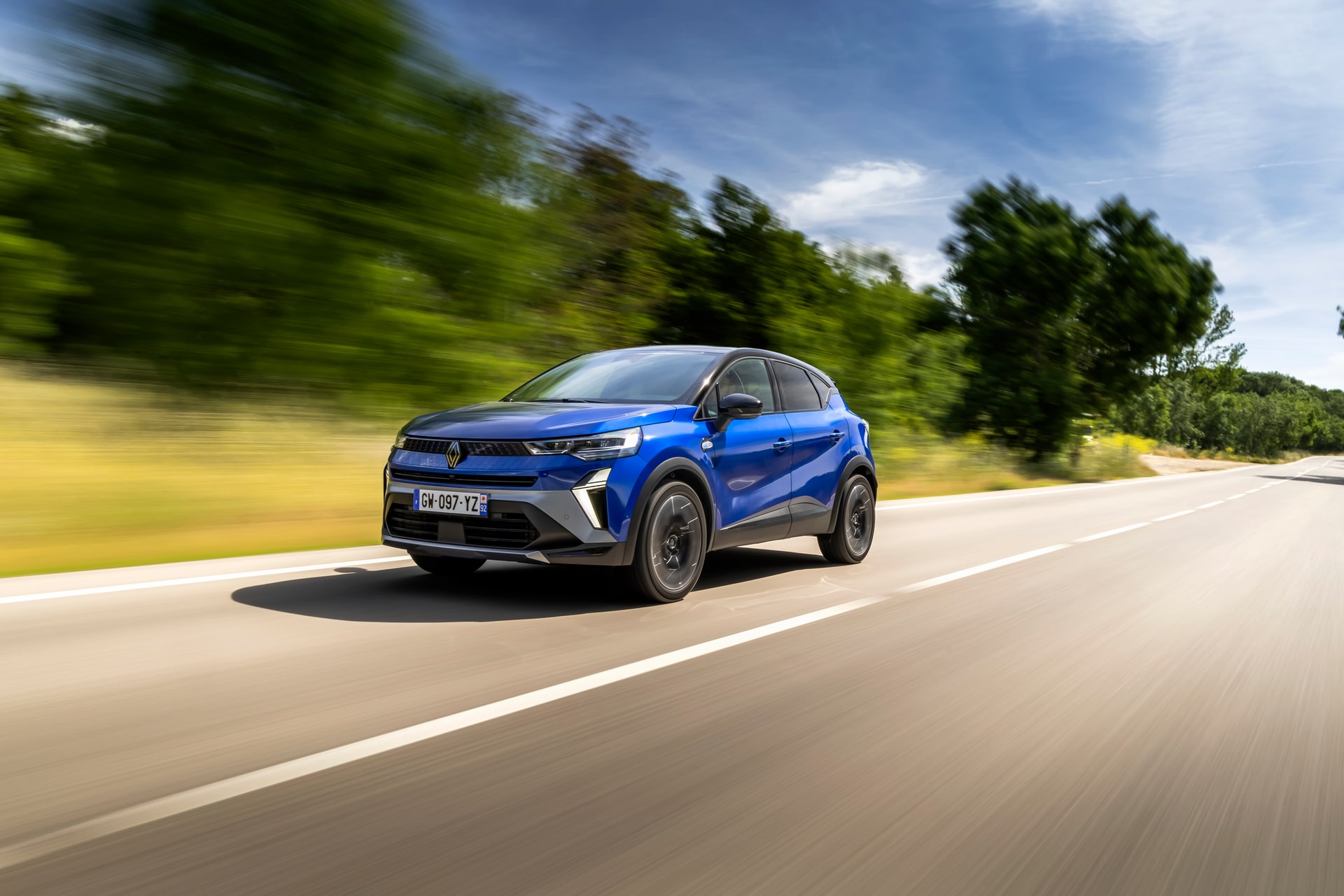
Renault Captur E-Tech full hybrid Techno: from €25,900
Of the five, the Captur E-Tech is the one that best balances power and screen equipment. Its 145 CV make it the most powerful in the group, and its OpenR Link system with a 9.3-inch vertical screen gives a sense of modernity that neither the Yaris Cross nor the Kona matches. The Techno trim comes as standard with dual-zone climate control, LED Matrix headlights and level 2 ADAS with sign recognition.
We analysed it in detail in our review of the Renault Captur E-Tech, where we already noted that its 422-litre boot is the most generous in this comparison.
| Power (kW) | Power (CV) | Consumption | Label | Fuel |
|---|---|---|---|---|
| 107 kW | 145 CV | 4.7 l/100 km | ECO | Hybrid (HEV) |
Hyundai Kona HEV Tecno: from €26,900
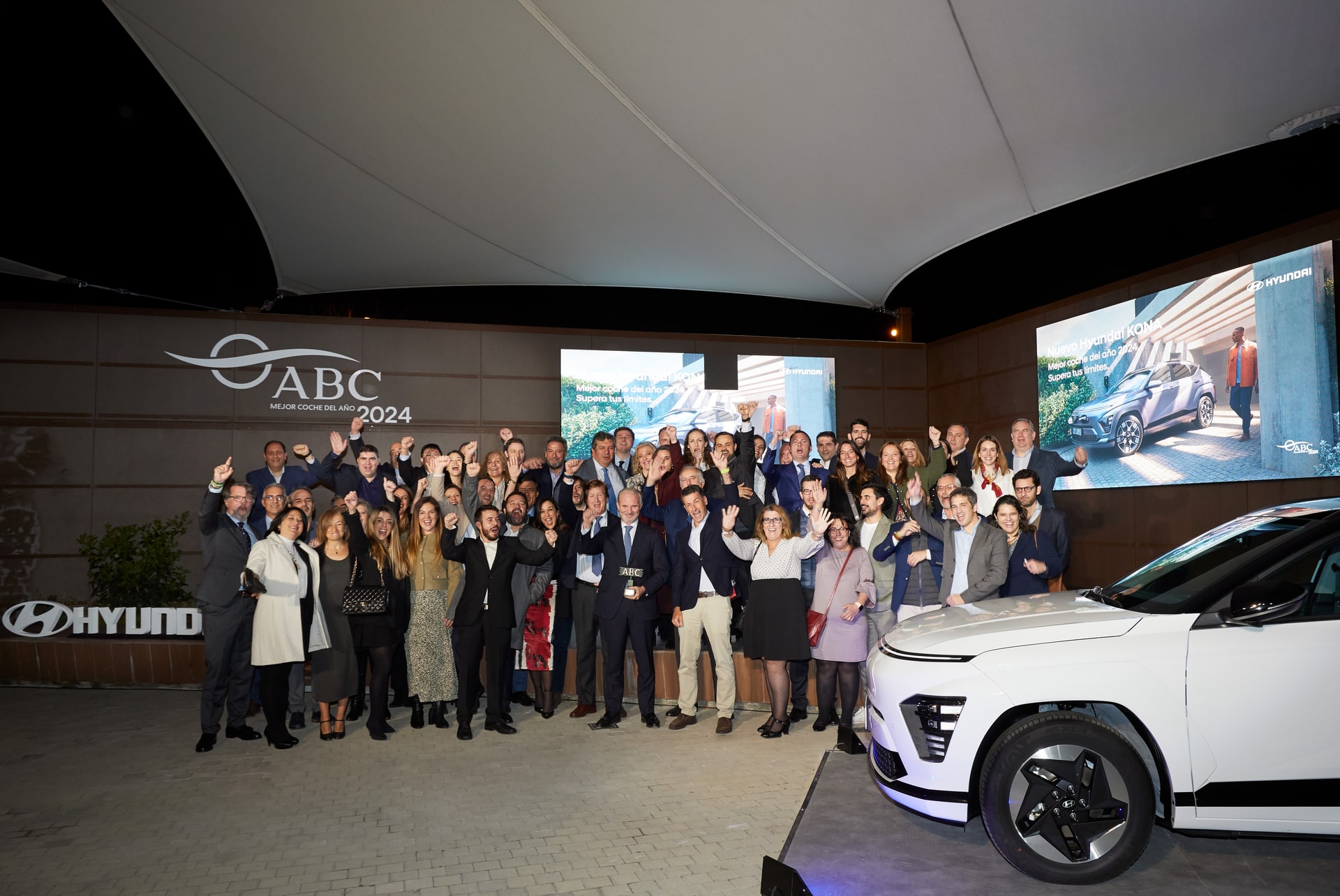
The Kona HEV wins on warranty: 5 years with no mileage limit, two more than any of its rivals here. The Tecno trim adds a 12.3-inch screen, dual-zone climate control, a rear view camera and SmartSense with full level 2 ADAS, all as standard below €27,000.
What it loses is dynamic presence: it is not slow, but it does not convey the agility of the Juke or the refinement of the HR-V. For those who prioritise having no surprises over ten years, it is the most reassuring on the list.
| Power (kW) | Power (CV) | Consumption | Label | Fuel |
|---|---|---|---|---|
| 104 kW | 141 CV | 5.0 l/100 km | ECO | Hybrid (HEV) |
Summary table and score
| Model | Starting price | Power | Consumption | Warranty | Score |
|---|---|---|---|---|---|
| Toyota Yaris Cross | €24,900 | 116 CV | 4.2 l/100 km | 3 years (up to 10 with servicing) | 8.5/10 |
| Nissan Juke Hybrid | €27,200 | 143 CV | 4.8 l/100 km | 3 years / 100,000 km | 7.8/10 |
| Honda HR-V e:HEV | €27,900 | 131 CV | 5.4 l/100 km | 3 years | 7.5/10 |
| Renault Captur E-Tech | €25,900 | 145 CV | 4.7 l/100 km | 2 years (battery 8 years) | 8.2/10 |
| Hyundai Kona HEV | €26,900 | 141 CV | 5.0 l/100 km | 5 years unlimited | 8.3/10 |
Verdict: which to choose according to your use
For pure urban use, with hardly any open road, the Toyota Yaris Cross wins on real-world consumption and for being by far the cheapest to get into. For those who do mixed journeys with motorway stretches and value engine response, the Nissan Juke Hybrid holds up better thanks to its 143 CV, although it pays a toll in consumption. If you seek ride comfort above all and don’t mind paying a little more, the Honda HR-V e:HEV is the most refined, with the caveat that its cable-only CarPlay in the entry trim is an uncomfortable concession in 2026.
The best value for price and equipment goes to the Renault Captur E-Tech: more power, a bigger boot and a screen that looks like it belongs to a higher category, all for under €26,000. And if long-term peace of mind is the priority, the Hyundai Kona HEV takes the point with its 5-year warranty, a difference that over ten years weighs more than any acceleration figure. The price gap between the Yaris Cross and the HR-V is close to 12%, not enough to rule out Honda if you want comfort, but enough to think twice if budget is the deciding factor.
Frequently asked questions
What is the cheapest self-charging hybrid SUV-B under €28,000 in 2026?
The Toyota Yaris Cross 1.5 Hybrid 116H in Active Tech trim, from €24,900, is the most affordable in this comparison and also the one with the lowest real-world consumption in the city.
Which self-charging hybrid SUV-B has the best standard warranty?
The Hyundai Kona HEV, with a 5-year warranty and no mileage limit, doubles the standard coverage offered by Nissan and Honda in this segment.
Are there public subsidies for buying a self-charging hybrid SUV-B in Spain?
Self-charging hybrids (HEV) are generally not eligible for the Plan Auto+ aid, which targets plug-in electrified vehicles and pure electric cars. It is advisable to check the official plan website to confirm the conditions in force at the time of purchase.
Which self-charging hybrid SUV-B is best if I do a lot of motorway driving?
The Nissan Juke Hybrid and the Renault Captur E-Tech, with 143 and 145 CV respectively, respond better in overtaking and fast stretches than the Yaris Cross, which is designed mainly for the city.
