

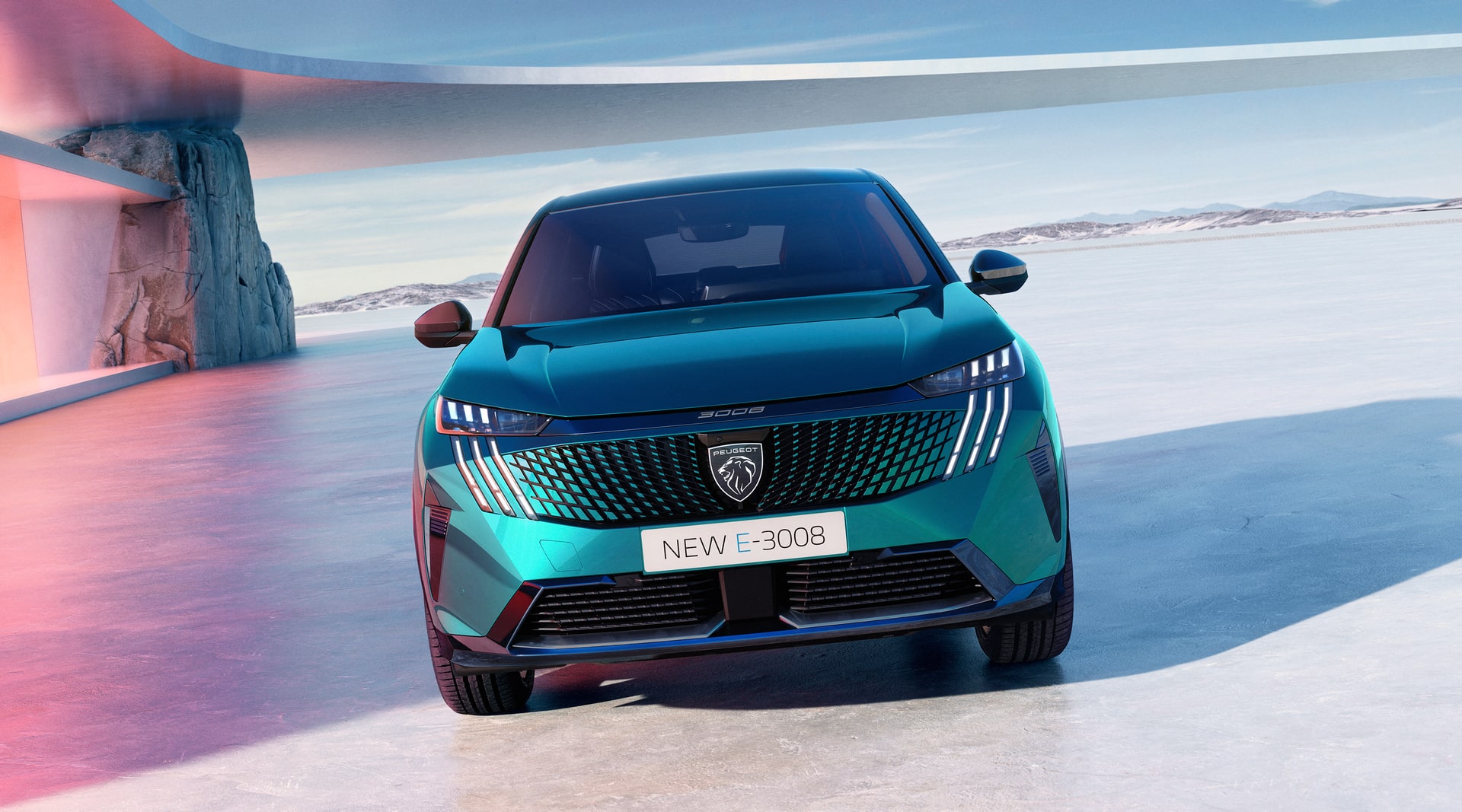
Fitting five or seven people and their luggage into an SUV and covering 600 km on the motorway is the test that really separates these cars from what the spec sheet promises. Here we compare three different approaches to solving that same problem: the Peugeot 5008 Plug-in 1.6 225 Allure, the Nissan X-Trail 1.5 VC-Turbo 163 Acenta and the KIA Sorento Hybrid PHEV 252 Drive 4×4. Three propulsion philosophies, three quite different prices and one single goal: arriving rested and without arguments over the boot.
Peugeot 5008 PHEV, from 46,700 €: the balance between electric range and price
The plug-in 5008 uses a 170 kW (230 CV) powertrain combining petrol and electric motors, with a 21 kWh battery that allows up to 90 km of electric driving according to homologation figures. For a round trip to school or most daily journeys, that means driving without touching the fuel tank. On the motorway, with the battery already depleted, consumption rises considerably compared with the combined figure of 2.5 l/100 km on the spec sheet, which is logical for any PHEV travelling as a conventional hybrid while carrying a battery pack of over 100 kg.
| Power (kW) | Power (CV) | Top speed | Electric range | Consumption | Battery | CO₂ emissions | Fuel | Price from |
|---|---|---|---|---|---|---|---|---|
| 170 kW | 230 CV | 220 km/h | 90 km | 2.5 l/100 km | 21 kWh | 60 g/km | PHEV | 46,700 € |
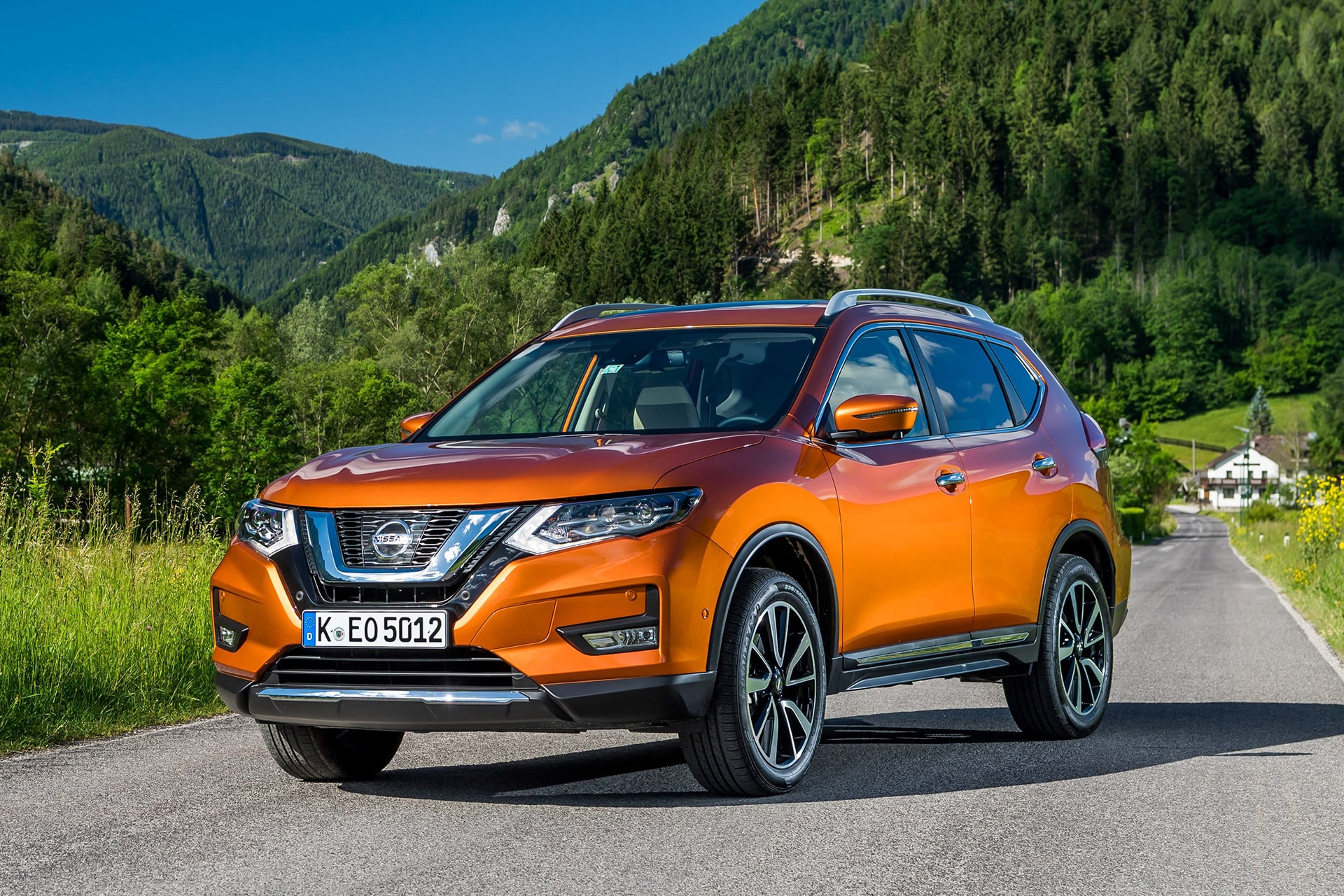
Nissan X-Trail 1.5 VC-Turbo 163 CV, from 38,200 €: the most affordable route without a plug-in
The X-Trail forgoes plug-in electrification and opts for a petrol mild hybrid with a 120 kW (160 CV) engine and light electric assistance. There is no electric range to homologate and no battery to charge from a socket: you get in, start up and drive like any petrol car of the old school. That translates into more predictable motorway consumption, 7 l/100 km homologated average, without the variability that managing battery charge and discharge introduces in a PHEV.
| Power (kW) | Power (CV) | Top speed | Consumption | CO₂ emissions | Fuel | Price from |
|---|---|---|---|---|---|---|
| 120 kW | 160 CV | 200 km/h | 7 l/100 km | 160 g/km | Petrol mild hybrid | 38,200 € |
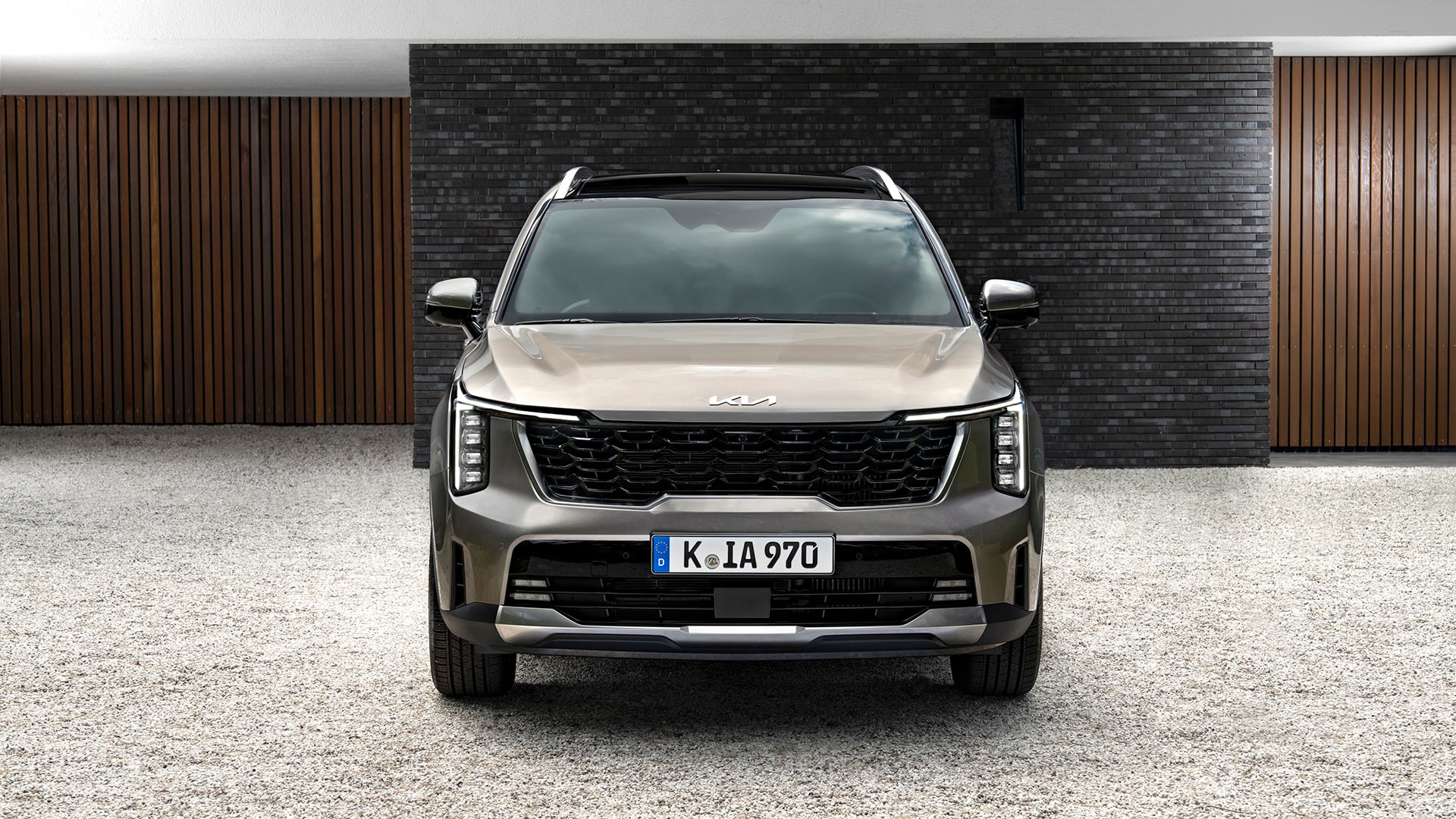
KIA Sorento PHEV 252 CV 4×4, from 61,400 €: the most capable for carrying family and luggage
The Sorento PHEV adds 190 kW (250 CV) and four-wheel drive 4×4, something that neither the 5008 nor the X-Trail offer in these versions. Its 14 kWh battery is smaller than the Peugeot’s, but its homologated electric range of 60 km still comfortably covers daily urban use. The combined consumption of 1.5 l/100 km is the best figure on paper of the three, although, as with any PHEV, it is better treated as a laboratory reference than as real-road consumption with the battery depleted.
| Power (kW) | Power (CV) | Top speed | Electric range | Consumption | Battery | CO₂ emissions | Fuel | Price from |
|---|---|---|---|---|---|---|---|---|
| 190 kW | 250 CV | 180 km/h | 60 km | 1.5 l/100 km | 14 kWh | 40 g/km | PHEV | 61,400 € |
Real third-row space: where each one wins and loses
This is where the Sorento pulls ahead. Its platform, longer than the X-Trail’s, makes the third row a seat usable by teenagers and not merely an emergency seat for small children. The 5008 manages reasonably well on short journeys, but the rear seats sit slightly lower, which penalises adult passengers on trips of several hours. The X-Trail, in the entry-level version analysed here, is the one that suffers most from the lack of knee room in the third row: it works, but it is not where you would choose to sit for a 500 km journey.
Boot with all 7 seats in use: real litres for the luggage of a long trip
With all seven seats in use, cargo space shrinks drastically in all three, as happens in almost any SUV of this size. The Sorento again gains an advantage thanks to its longer wheelbase, which leaves a slightly larger space behind the third row for backpacks and baby buggies. The 5008 PHEV suffers a little more due to the battery’s location, which reduces usable loading height compared with the petrol version of the same model. The X-Trail, without that large-battery constraint, makes better use of the available space despite being the most compact of the three in wheelbase.
Motorway consumption and range: PHEV vs mild hybrid
For those who drive many motorway kilometres without the option of recharging daily, the calculation changes. A PHEV such as the 5008 or the Sorento, driven with the battery depleted, consumes like a conventional hybrid of its power: nothing scandalous, but far from the homologated figures of 2.5 and 1.5 l/100 km respectively. The X-Trail, not depending on electric charging, offers more stable and predictable consumption on long journeys without a plug nearby, although it starts from a higher combined figure.
Acoustic and mechanical comfort on long journeys
The Sorento is the quietest of the three at motorway speeds, with better insulation and a suspension that filters road irregularities well. The 5008 is not far behind in ride comfort, although the combustion engine’s gear changes are noticeable when the battery runs out. The X-Trail performs correctly and without jolts, but its soundproofing is the most discreet of the three when sustained speeds exceed 120 km/h.
General comparison table
| Model | Fuel | Power | Electric range | Homologated consumption | Price from | Space/journey score (1-10) |
|---|---|---|---|---|---|---|
| Peugeot 5008 PHEV | PHEV | 230 CV | 90 km | 2.5 l/100 km | 46,700 € | 7.5 |
| Nissan X-Trail 163 | Mild hybrid | 160 CV | Not applicable | 7 l/100 km | 38,200 € | 6.5 |
| KIA Sorento PHEV | PHEV | 250 CV | 60 km | 1.5 l/100 km | 61,400 € | 8.5 |
Prices are indicative manufacturer RRPs, without dealer discounts or one-off promotions. If you are considering buying a PHEV, it is also worth checking the current conditions of the Plan Auto+ on the official website, as they may change the final price equation.
Verdict: which SUV to choose according to your use case
For urban use with short journeys and a tight budget: the Nissan X-Trail, from 38,200 €, is 18% cheaper than the 5008 and 38% cheaper than the Sorento. That difference is offset by less electric range and a tighter third row.
For regular long journeys with older children or teenagers: the KIA Sorento PHEV clearly wins thanks to its 4×4 traction, its quietness on the move and its genuinely usable third row, at a notably higher outlay.
For those seeking the middle ground between daily electric range and a restrained price: the Peugeot 5008 PHEV is the most balanced option, with 90 electric km that cover day-to-day needs and a price between the other two. If you have already analysed similar options in our comparison of the Peugeot 5008 versus the Skoda Kodiaq, you will know that its travel comfort performance is consistent across tests.
Frequently asked questions
Which of the three is best for seven seats with real everyday use and not just emergency use?
The KIA Sorento PHEV, thanks to its longer wheelbase and greater real third-row space for adult passengers.
Does the Nissan X-Trail have a plug-in version in Spain?
The version analysed here, 1.5 VC-Turbo 163, is a petrol mild hybrid, not a PHEV, so it requires no external charging.
Is it worth paying more for the KIA Sorento PHEV over the Peugeot 5008 PHEV?
It depends on use: if you often travel at full occupancy and need 4×4, yes. If your priority is daily urban driving with the occasional long trip, the 5008 offers almost the same electric advantages for less money.
Which one consumes least on a long motorway journey with the battery depleted?
None of the PHEVs maintains its homologated consumption under those conditions; the X-Trail, not depending on a battery, is more predictable in that specific scenario.
