

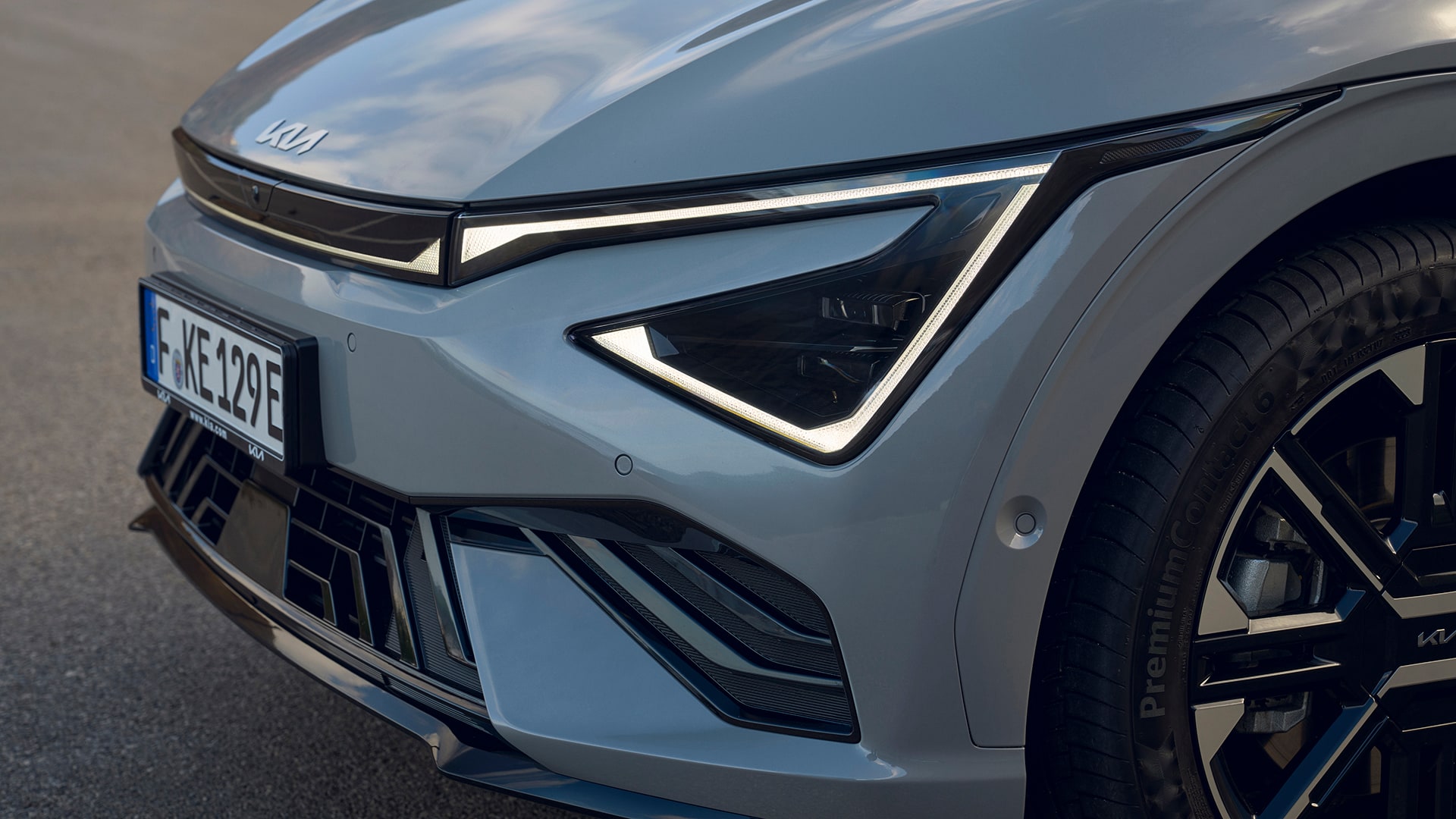
They share a platform, battery, power and even top speed. And yet the Kia EV6 and the Hyundai IONIQ 5 are not the same car. Not even close. The question that reaches the dealership is always the same: if both come from the same technical factory—the 800V E-GMP, one of the strong points of the Korean group against much of the European electric competition—why pay more for one than the other? Let’s break it down.
The context: two cars, one platform, two philosophies
The E-GMP is the most interesting technical base to come out of Korea in years. 800-volt architecture as standard—not only in the top versions—which translates into real ultra-rapid charging at the high-power chargers starting to appear on the Spanish network. Both models share this, including the 63 kWh entry version. It is an advantage that no European rival in the segment yet offers with the same consistency at this price.
From there, each brand has made its own reading. Hyundai opted for a tall retro-futuristic hatchback with a lounge-style interior. Kia went for a more dynamic fastback, sloping roofline and driver-focused approach. Same skeleton, different skin and attitude.
Kia EV6 Standard Range Air — from ≈49,000 €
The entry-level EV6 comes with the 63 kWh battery, rear-wheel drive and 170 CV. Homologated range around 430 km. As a car, the EV6 is the more “European” of the two: more direct steering, slightly firmer tuning, lower driving position. It shows that Kia sought an SUV-C that did not give up the emotional component.
The Air trim is the entry level and already brings the essentials: dual-zone climate control, 11 kW AC on-board charger, 12.3″ dual screens, automatic emergency braking and level 2 driver assistance. What it does not bring at this price are ventilated seats, a panoramic roof or a heat pump—something that, for an electric car in northern Spain, matters.
| Power kW | Power CV | Max speed | Range | Battery | Label | Fuel |
|---|---|---|---|---|---|---|
| ≈130 kW | ≈170 CV | ≈190 km/h | ≈430 km | ≈63 kWh | 0 emissions | Electric |
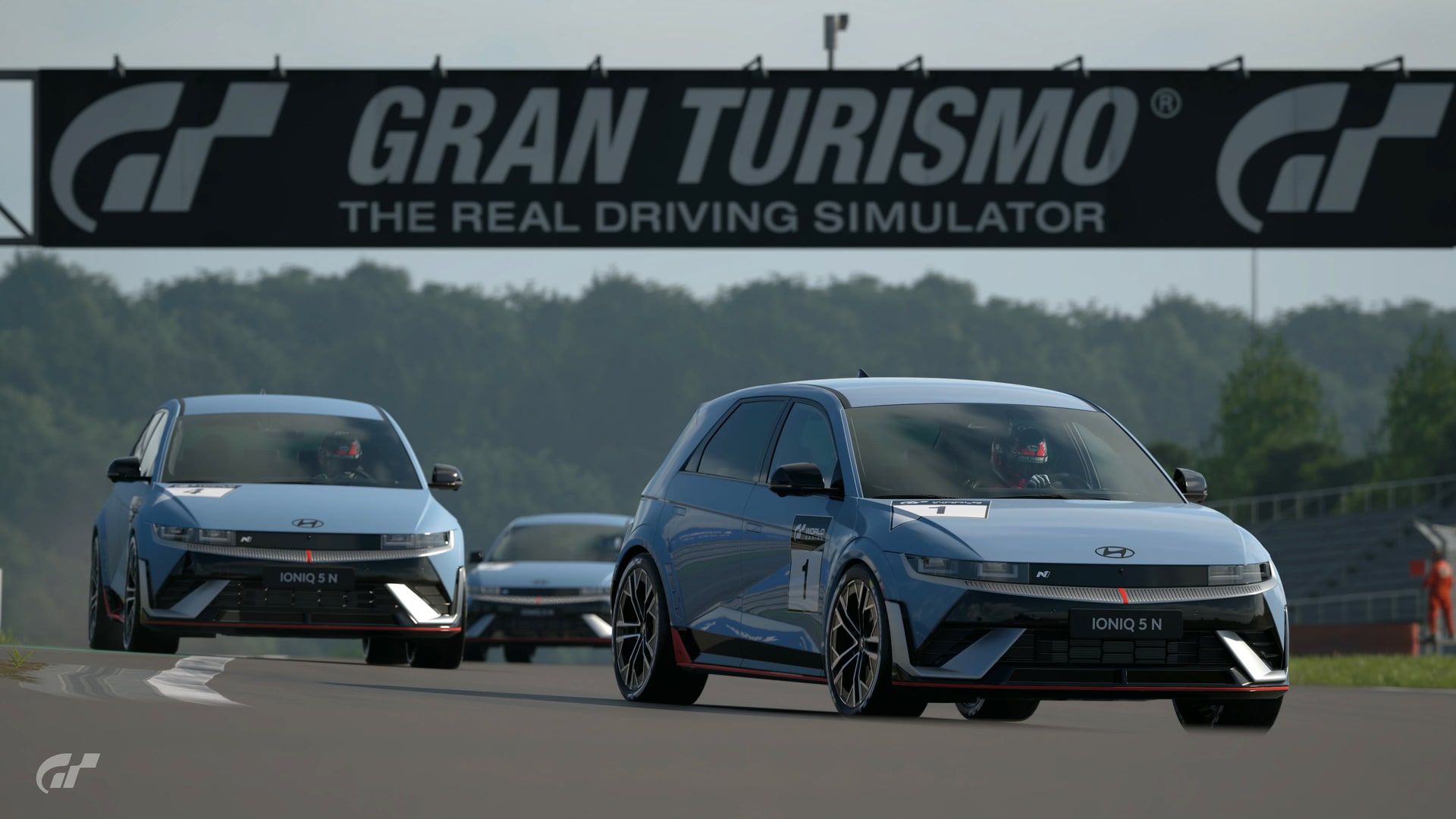
Hyundai IONIQ 5 Light 63 kWh — from ≈44,700 €
The IONIQ 5 Light shares the motor and battery down to the millimetre, but homologates about 440 km thanks to slightly different aerodynamics and weight distribution. And here is the fact that changes everything: it starts from about 44,700 €, that is, roughly 4,300 € less than the equivalent EV6 Air. A 9% saving for a technically identical car under the chassis.
What do you give up? Nothing structural. The IONIQ 5 offers a roomier-feeling interior—sliding centre console, larger windows, rear seats with more headroom. It is the more practical of the two. As a counterpoint, its driving is calmer, less playful. If you are looking for something fun, this is not it.
| Power kW | Power CV | Max speed | Range | Battery | Label | Fuel |
|---|---|---|---|---|---|---|
| ≈130 kW | ≈170 CV | ≈190 km/h | ≈440 km | ≈63 kWh | 0 emissions | Electric |
Bodywork: dynamic fastback vs spacious hatchback
More is at stake here than it seems. The EV6 measures 4.69 m, with a coupé-style sloping roof. Visually more aggressive, but worse access to the rear seats for tall adults: the head brushes the frame. The IONIQ 5, at 4.65 m with a flat roof, looks smaller from the outside but is clearly more habitable inside. Its 3-metre wheelbase is one of the most generous in the segment.
Boots are similar on paper (around 480-520 litres depending on load), but the IONIQ 5’s has a better loading shape and a higher opening. The EV6 makes up for it with a design that, in our view, ages better.
Charging: where both play in a different league
The 800V is not marketing. On a real 350 kW charger, both go from 10 to 80% in just over 18 minutes. This makes the long journey manageable—provided the charging network along the route is up to it, which in Spain remains uneven. For someone making three or four long trips a year, the argument holds. For someone making ten, it becomes a matter of planning according to usage profile.
Where each one wins, plainly
The Kia EV6 is objectively better at:
- Driving dynamics. More precise tuning, steering with more feel.
- More striking exterior design—a matter of taste, but with more personality.
The Hyundai IONIQ 5 is objectively better at:
- Price. About 4,300 € less for the same thing under the chassis.
- Real habitability for 4 adults and boot practicality.
Comparison table
| Dimension | Kia EV6 Air | Hyundai IONIQ 5 Light |
|---|---|---|
| Power | ≈170 CV | ≈170 CV |
| Battery | ≈63 kWh | ≈63 kWh |
| WLTP range | ≈430 km | ≈440 km |
| Max speed | ≈190 km/h | ≈190 km/h |
| 800V fast charging | Yes (standard) | Yes (standard) |
| Length | 4.69 m | 4.65 m |
| Price from | ≈49,000 € | ≈44,700 € |
| Warranty | 7 years | 5 years (8 battery) |
| Overall score | 8.2 / 10 | 8.6 / 10 |
Manufacturer’s recommended retail prices (PVP), without dealer discounts, occasional campaigns or aid schemes such as Plan Auto+ applied.
Verdict by use case
For a single family car and practical daily use: Hyundai IONIQ 5. More space, less money and 10 km more homologated range. The price difference exceeds 9%—close to 10%—and at this equipment level there is nothing structural that justifies paying more.
For those seeking personality and enjoyment at the wheel: Kia EV6. More sporty tuning, a design with more character and a 7-year warranty that shows its value after five years. If you value how it drives as much as what it carries, this is the one you would choose.
Best price-performance ratio: IONIQ 5 Light, no contest. It is the most rational entry point to the 800V platform in Spain.
The technical tie is real. The tie-break is set by the wallet and by the bodywork. If your use is family-oriented and pragmatic, the Hyundai; if it is emotional, the Kia.
Frequently asked questions
Is it worth paying more for the Kia EV6 over the IONIQ 5 if under the chassis they are identical?
Only if you specifically value its more sporty dynamics, its fastback styling and Kia’s 7-year warranty. In pure car-per-euro terms, the IONIQ 5 Light wins.
Does the 800V E-GMP platform work the same in the entry 63 kWh versions?
Yes. Unlike other manufacturers, Hyundai-Kia does not reserve 800V for the top versions. Both the EV6 Air and the IONIQ 5 Light charge at high power on compatible chargers.
Which has the better real-world motorway range?
Both hover around 320-350 real km at 120 km/h with the 63 kWh battery. The IONIQ 5 has a slight homologated advantage (440 vs 430 km), but on the motorway the difference is marginal, within the margin of error between drives.
Are they good cars as a sole vehicle for a family without a second combustion car?
Yes, as long as you can charge at home or at work. With 400 real km in mixed use and an 18-minute fast charge, they cover practically any scenario, including the occasional long trip. Without a home wallbox, the equation becomes harder for any electric car in this range.
