

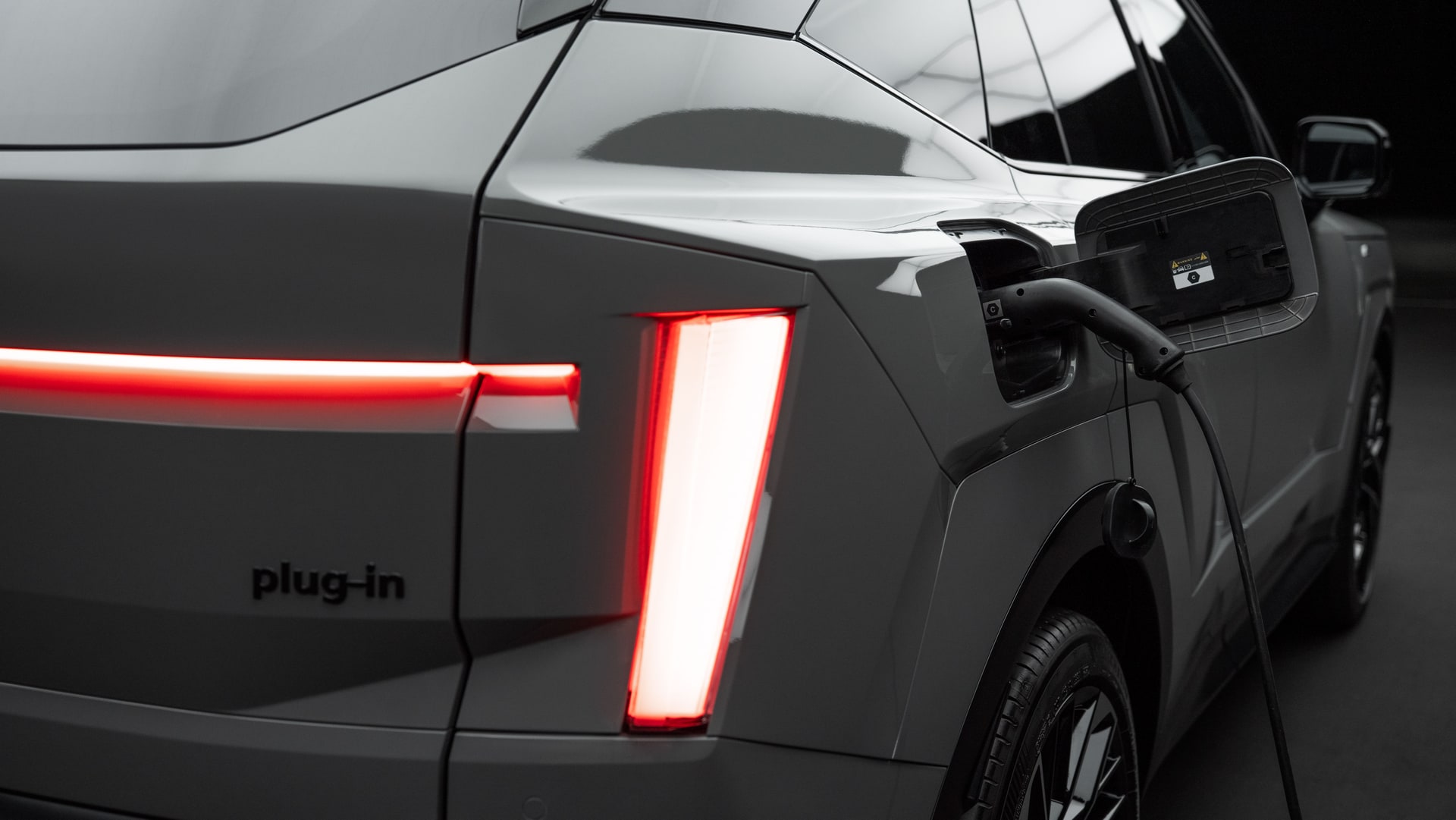
Three petrol SUV-Bs, three different philosophies and a price gap that, between the cheapest and the most expensive, comes close to 9%. Nothing scandalous, but enough to influence the decision if budget is the deciding factor. Here we compare the Hyundai Bayon 1.0 TGDi 90 Essence, the Volkswagen Taigo 1.0 TSI 95 and the SEAT Arona 1.0 TSI 95 Arona+, all three in their entry-level versions with the base naturally aspirated-turbo petrol engine. We are not comparing one model’s top trim with another’s basic version: here each car comes in its real catalogue specification.
The prices we use are the manufacturer’s recommended RRP, without dealer discounts or occasional promotions, so on the street it is common to find reductions of several hundred euros on these figures.
Hyundai Bayon 1.0 TGDi 90 Essence — from €25,100
The Bayon is the most expensive of the three and, in pure power, the one that falls behind: 90 CV compared with the 100 CV of its two rivals. This shows when pulling out onto motorways and, above all, when driving with the car loaded. In return it offers the longest warranty in the Korean segment and an exterior design that, for better or worse, does not go unnoticed.
| Power | Top speed | Consumption | CO₂ emissions | Fuel |
|---|---|---|---|---|
| 70 kW / 90 CV | 170 km/h | 6 l/100 km | 130 g/km | Petrol |
Volkswagen Taigo 1.0 TSI 95 — from €24,300
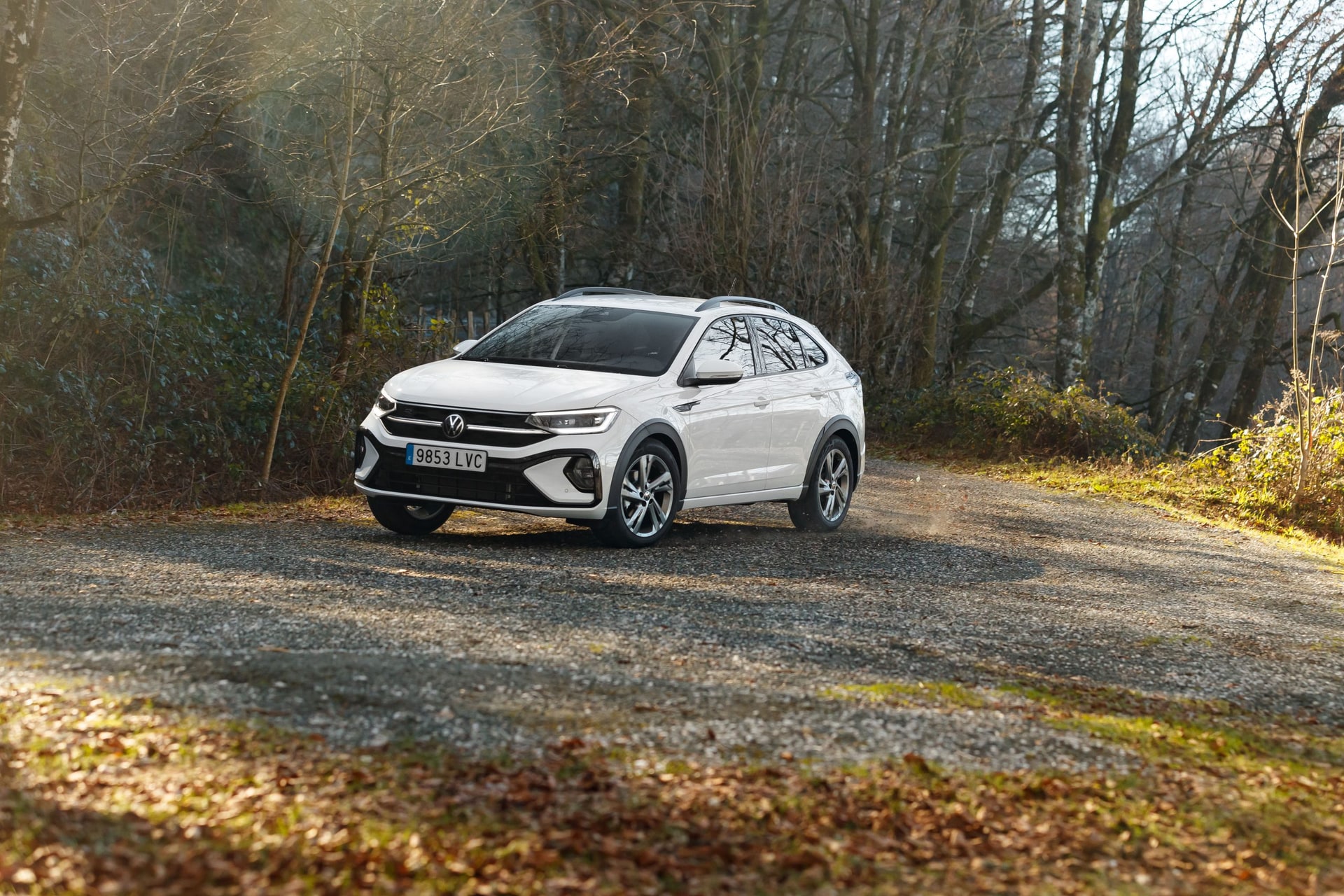
The Taigo matches the Arona’s power (100 CV) and boasts the best consumption figure of the trio on the official data sheet, at 5.5 l/100 km. It is also the fastest on paper, with a top speed of 180 km/h shared with the SEAT. Its real difference lies in the perceived quality of the interior: materials that feel slightly firmer to the touch than in the Arona, but a finish that feels more sober and less "playful". For those who value the German badge above all else, it is the natural candidate, although they will pay a premium of €1,200 over the SEAT.
| Power | Top speed | Consumption | CO₂ emissions | Fuel |
|---|---|---|---|---|
| 70 kW / 100 CV | 180 km/h | 5.5 l/100 km | 120 g/km | Petrol |
SEAT Arona 1.0 TSI 95 Arona+ — from €23,100
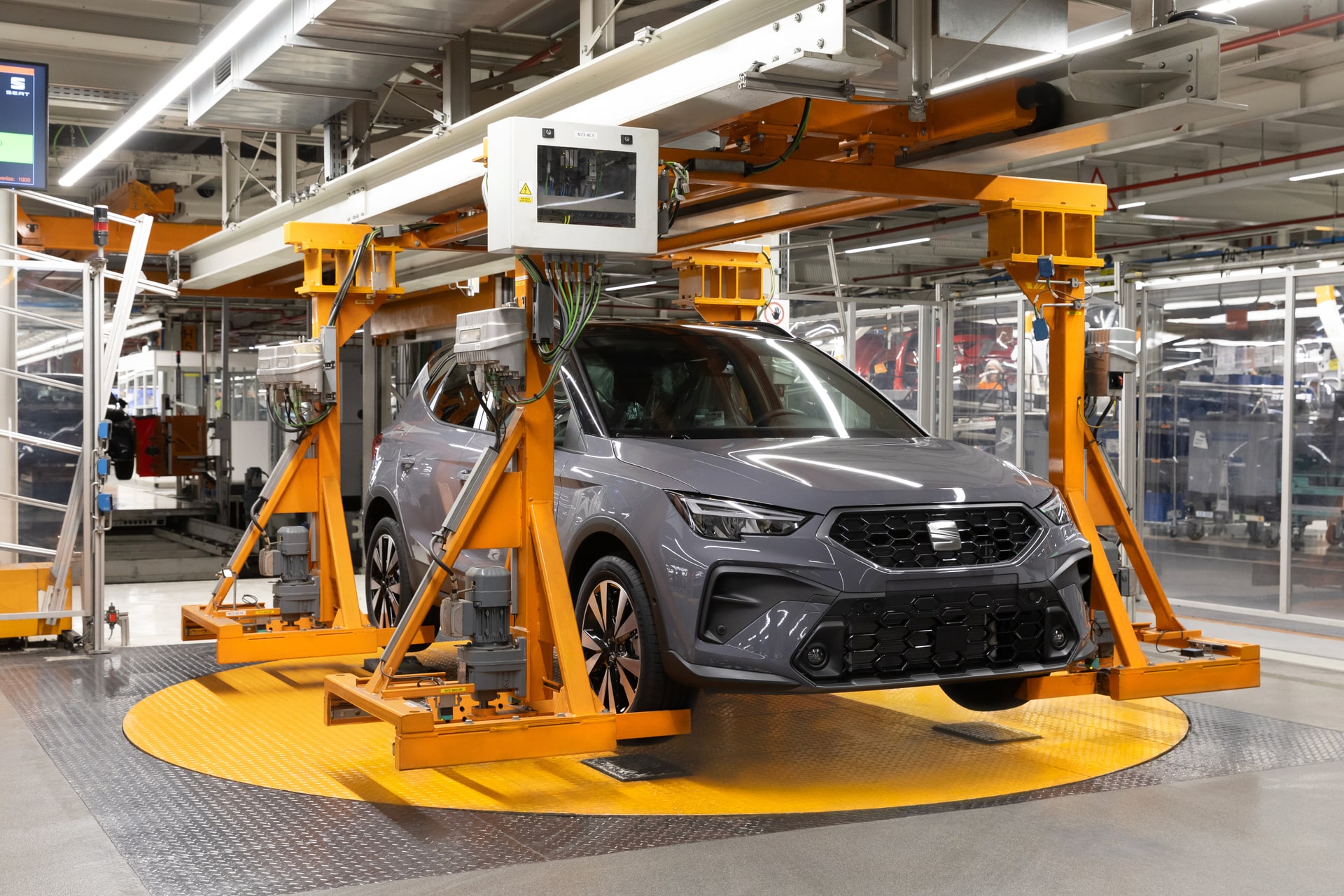
The Arona shares its platform and mechanicals with the Taigo, so it is no surprise that it matches its 100 CV and its 180 km/h top speed. What does change is the homologated consumption, slightly better on paper (5 l/100 km) and, above all, the price: it is the cheapest of the three by a margin that is not anecdotal. If what you are looking for is the best balance between proven mechanics and initial outlay, here is the most direct candidate. We already analysed it in detail against its German cousin in SEAT Arona vs Volkswagen T-Cross, where the Arona also came out ahead on price.
| Power | Top speed | Consumption | CO₂ emissions | Fuel |
|---|---|---|---|---|
| 70 kW / 100 CV | 180 km/h | 5 l/100 km | 120 g/km | Petrol |
General comparison table
| Model | Power | Consumption | Price from | Score (1-10) |
|---|---|---|---|---|
| Hyundai Bayon 1.0 TGDi 90 | 90 CV | 6 l/100 km | €25,100 | 6.5 |
| Volkswagen Taigo 1.0 TSI 95 | 100 CV | 5.5 l/100 km | €24,300 | 7.5 |
| SEAT Arona 1.0 TSI 95 Arona+ | 100 CV | 5 l/100 km | €23,100 | 8.5 |
The score weighs price, power and consumption equally. Boot space and dimensions are not included because, in these entry-level versions, the available data sheets do not offer that verified figure for all three equally, and we prefer to omit it rather than fill the gap with approximate numbers.
Where each one wins, no half measures
The Bayon has only one objective advantage: the warranty. Hyundai offers coverage that no rival in the Volkswagen group matches in Spain, and that matters if you plan to keep the car for more than eight years. Beyond that, it costs more and delivers less.
The Taigo wins on homologated consumption (5.5 against the Bayon’s 6 l/100 km) and on brand perception, which influences residual value after five years, although this last point does not appear on any data sheet and should be taken as a market trend.
The Arona wins on price, with almost €2,000 less than the Bayon, and on official consumption, the best of the three. It is the proposal with the least friction for anyone buying with the calculator in hand.
Verdict: which to buy depending on your case
For urban use on a tight budget, the SEAT Arona is the most rational option: same engine as the Taigo, lower price and slightly better official consumption. For those who prioritise brand image and do not mind paying €1,200 more, the Volkswagen Taigo delivers without surprises. The Hyundai Bayon is only justified if the extended warranty weighs more than price and power in your decision; for all other cases, it comes third of three.
If your priority is getting the most standard equipment without going over €25,000, it is also worth reviewing the SUV-Bs with the best standard equipment below that threshold, where these three models do not always come out on top against other brands.
Frequently asked questions
Which is the cheapest petrol SUV-B among these three under €24,000?
The SEAT Arona 1.0 TSI 95 Arona+, with an indicative price from €23,100, is the only one of the three that clearly falls below that threshold.
What is the power difference between the Hyundai Bayon and its rivals?
The Bayon 1.0 TGDi has 90 CV, ten fewer than the Volkswagen Taigo and the SEAT Arona, which share the 100 CV of the Volkswagen group’s 1.0 TSI engine.
Are the Volkswagen Taigo and the SEAT Arona mechanically identical?
They share the platform and the 1.0 TSI 100 CV engine, with identical top speed figures (180 km/h). The main differences are homologated consumption, trim levels and final price.
Is it worth paying more for the Hyundai Bayon?
Only if Hyundai’s extended warranty is a decisive factor for you. In power, consumption and price, both the Taigo and the Arona surpass it with verified figures.

2 Comments
Pingback: Hyundai Kona vs Volkswagen T-Cross vs Ford Puma: qué SUV-B gasolina convence más como coche único por menos de 28.000€ – Comparativa de Coches
Pingback: Qué es realmente un SUV familiar cómodo para viajar y qué dimensiones concretas marcan la diferencia en un trayecto de 500 km – Comparativa de Coches