

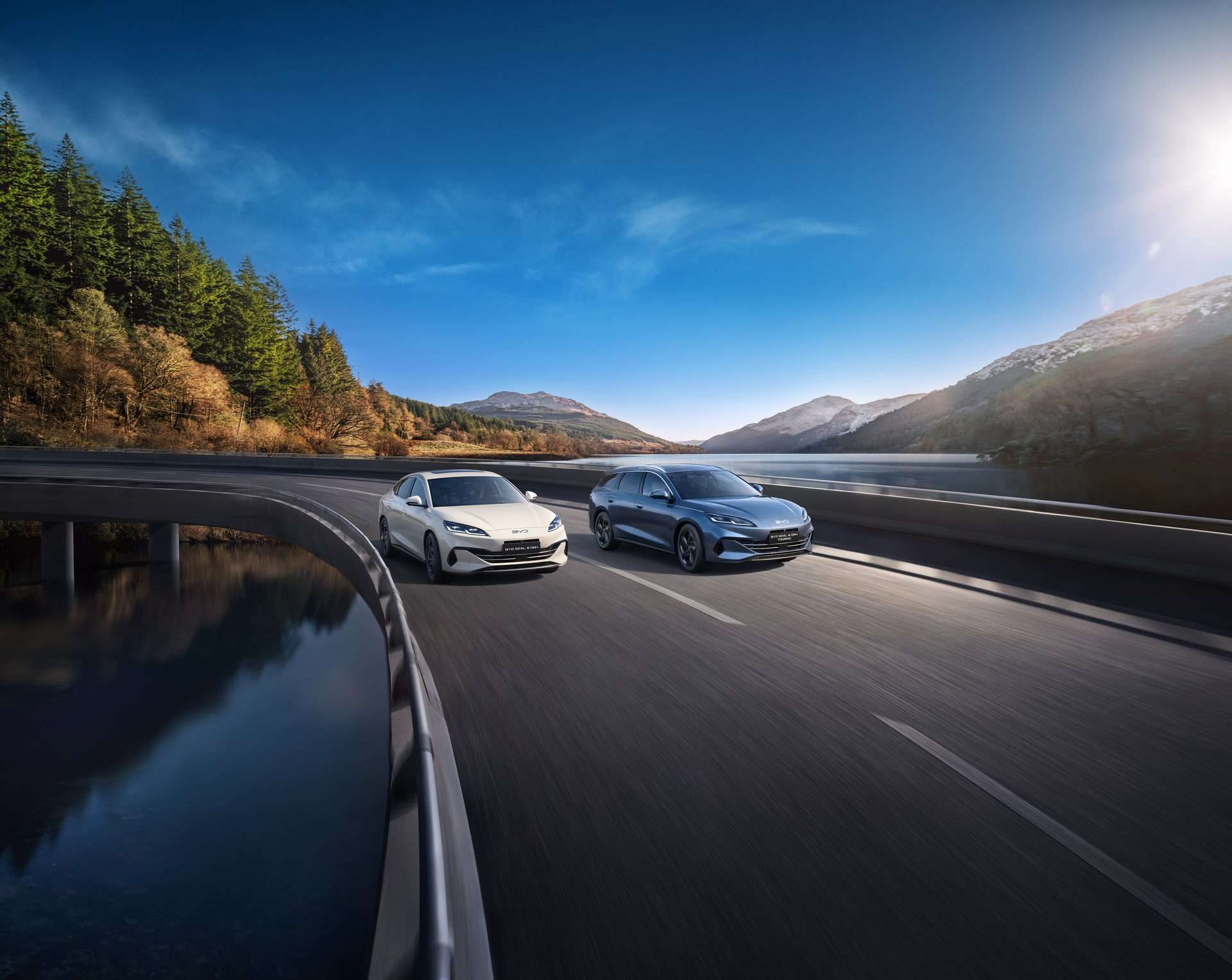
Three Chinese brands, three compact SUV PHEV proposals and a budget that, except in one case, stays below €40,000. The question any family looking at this segment asks is not which one has the most power on paper, but which will save the most fuel day to day without sacrificing space or equipment. We have put the BYD Seal U DM-i, the Omoda 7 PHEV and the MG HS PHEV head to head to answer exactly that.
BYD Seal U DM-i, from €37,000: the least powerful of the three, the cheapest
The Seal U DM-i comes in the 1.5 DM-i 184 Boost version with automatic gearbox. It is the least powerful of the trio, with 180 CV, and also the one with the shortest electric range: around 60 km homologated, enough for most urban trips but tight if home is far from the office. Its strong point is something else: with a homologated consumption of 2.5 l/100 km and an entry price clearly below its two rivals, it is the most affordable PHEV in the comparison.
| Power | Top speed | Electric range | Consumption | Battery | CO₂ label | Fuel |
|---|---|---|---|---|---|---|
| 140 kW / 180 CV | 180 km/h | 60 km | 2.5 l/100 km | 10 kWh | 50 g/km | PHEV (petrol/electric) |
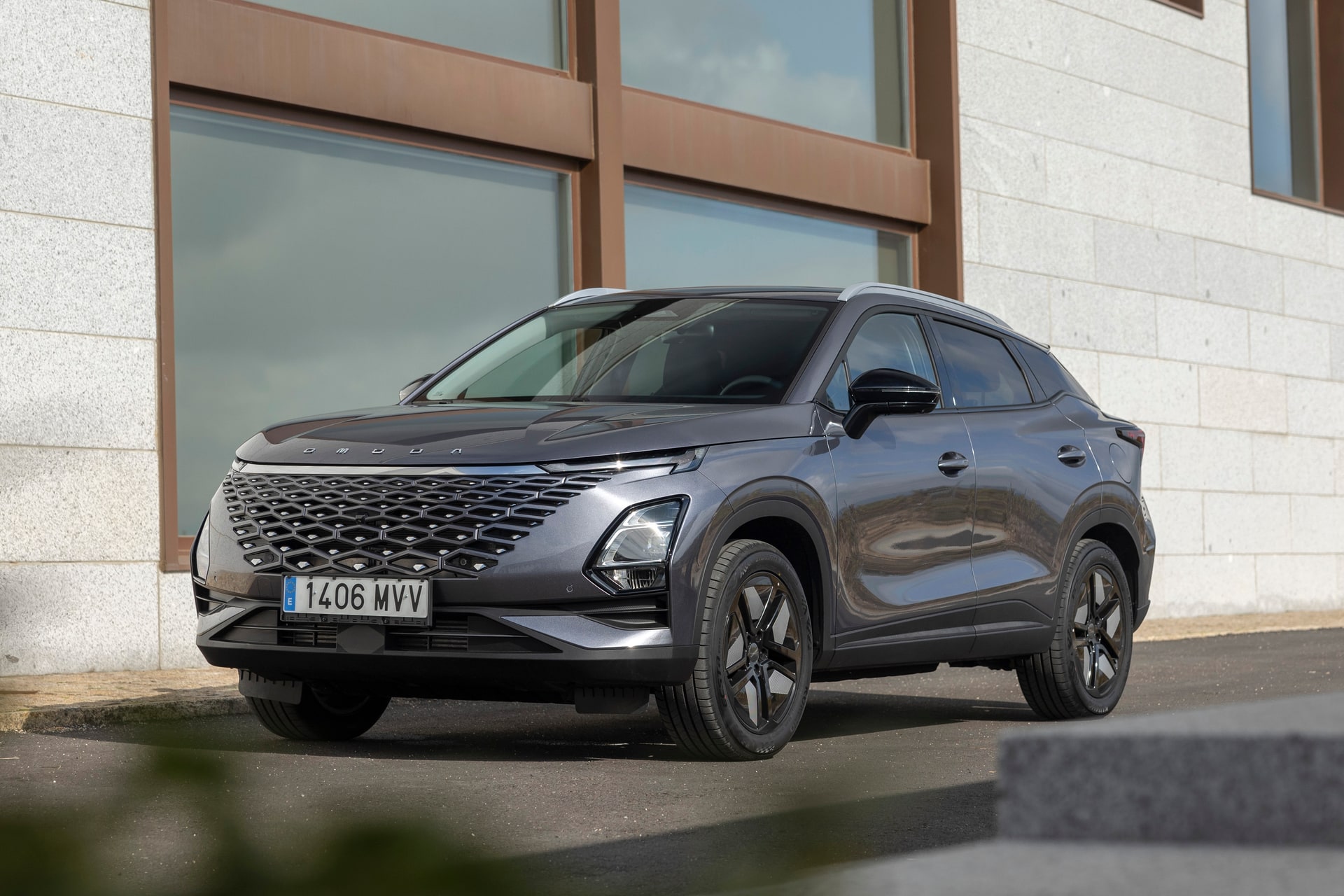
Omoda 7 PHEV, from €42,900: the most powerful, also the one that strays furthest from the €40,000 budget
The Omoda 7 PHEV, in the 1.5 TGDI 279 Pure trim, sits in a different power league: 280 CV versus the BYD’s 180. Its electric range rises to around 90 km, with an 18.5 kWh battery that nearly doubles the Seal U’s. The problem is the price: it starts around €42,900, 15.9% more expensive than the BYD and 15% above the MG. For a comparison that has “under €40,000” in its title, it is the only piece that falls outside the frame, and it is worth saying so plainly.
| Power | Top speed | Electric range | Consumption | Battery | CO₂ label | Fuel |
|---|---|---|---|---|---|---|
| 210 kW / 280 CV | 180 km/h | 90 km | 2.5 l/100 km | 18.5 kWh | 50 g/km | PHEV (petrol/electric) |
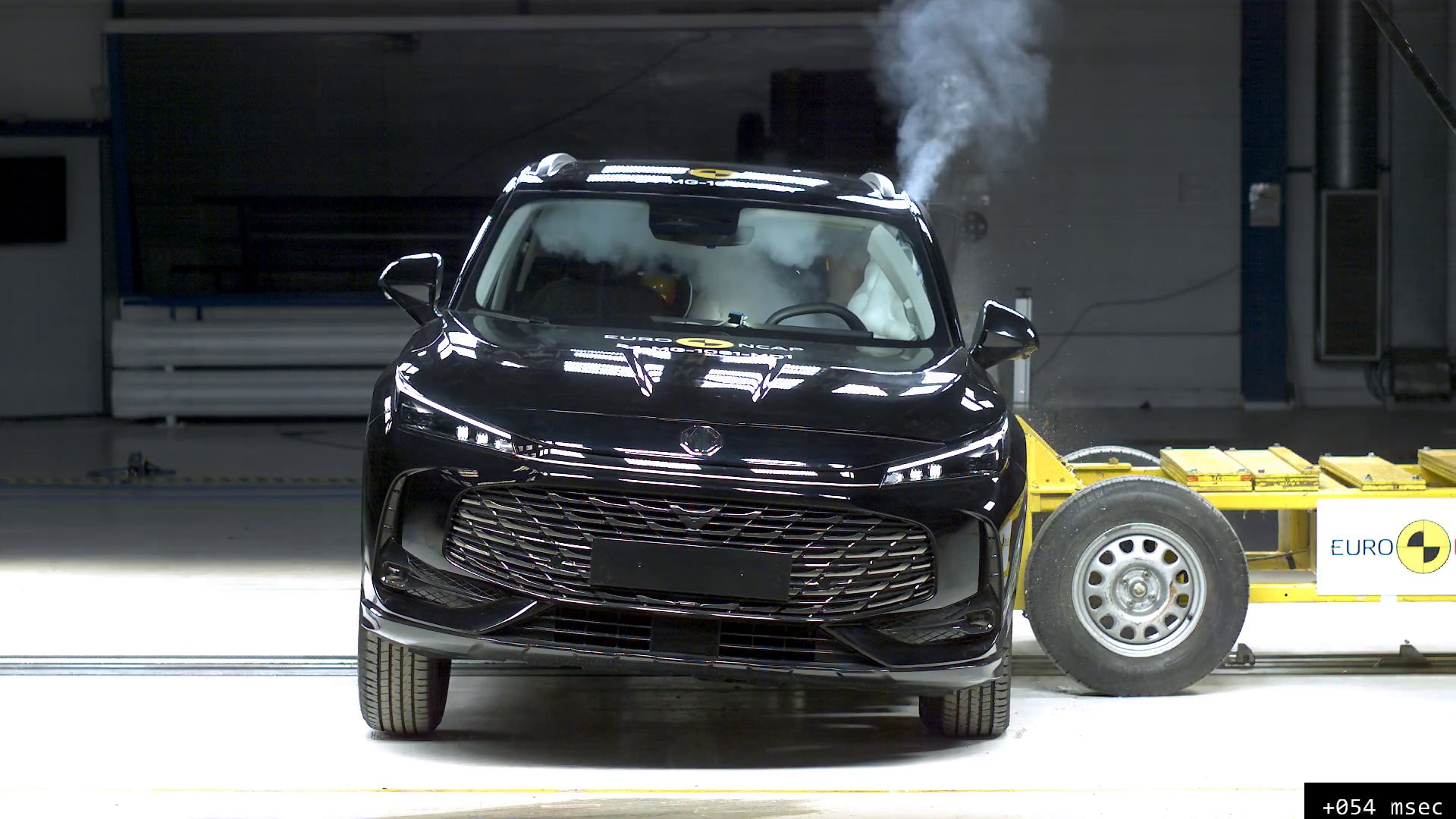
MG HS PHEV, from €37,300: the one that best balances power and electric range for the money
The MG HS PHEV, in its 1.5T 339 Comfort version, is the one that best combines the two things a PHEV is asked for: muscle and electric driving. With 340 CV it is the most powerful of the three, its homologated electric range is around 100 km (the highest of the group) and its homologated consumption, 0.5 l/100 km, is simply incomparable with the rest. The figure that stands out most is its CO₂ label: just 10 g/km, against 50 g/km for its two rivals. And all of this for €37,300, practically the same money as the BYD.
| Power | Top speed | Electric range | Consumption | Battery | CO₂ label | Fuel |
|---|---|---|---|---|---|---|
| 250 kW / 340 CV | 200 km/h | 100 km | 0.5 l/100 km | 21.5 kWh | 10 g/km | PHEV (petrol/electric) |
Comparison table: the three, side by side
| Model | Power | Electric range | Consumption | Price from | Score |
|---|---|---|---|---|---|
| BYD Seal U DM-i | 180 CV | 60 km | 2.5 l/100 km | €37,000 | 7.2/10 |
| Omoda 7 PHEV | 280 CV | 90 km | 2.5 l/100 km | €42,900 | 7.5/10 |
| MG HS PHEV | 340 CV | 100 km | 0.5 l/100 km | €37,300 | 8.6/10 |
Prices are the manufacturer’s recommended retail price (RRP), without dealer discounts or one-off campaigns; it is advisable to check the official listing before signing, and to remember that the Plan Auto+ may reduce the final amount depending on the autonomous community.
Where each one wins, without sugar-coating the numbers
The BYD wins on pure entry price: it is the only one clearly below €37,500, which matters if budget is the deciding factor. The Omoda wins on raw power over the BYD and on a sportier feel behind the wheel, with a battery almost twice the size of the Seal U’s, although that extra is paid for well in the RRP. The MG wins in what really measures a well-engineered PHEV: electric range, homologated consumption and emissions, with an advantage that is not a nuance but a category difference over its two rivals.
Verdict: which to choose based on your use case
For those seeking the lowest entry price and making short trips where the BYD’s 60 electric km cover them each day, the Seal U DM-i is the logical choice. For those with no ceiling at €40,000 who prioritise power and equipment over saving a few hundred euros a month on fuel, the Omoda 7 PHEV justifies its premium, though you must accept that extra 15% over the other two. But for most families looking for a single compact SUV PHEV, with more real-world electric range, lower homologated consumption and a price almost identical to the BYD’s, the MG HS PHEV offers the most car for the money: it wins in almost every column that matters without paying the Omoda’s price difference.
If you are still torn between charging at home or relying on fast-charging stations, this article on how to choose a family SUV PHEV clears up the picture considerably before you decide on any of the three.
Frequently asked questions
Which of the three has the most real-world electric range?
The MG HS PHEV, with around 100 homologated km, ahead of the Omoda 7 PHEV’s 90 km and the BYD Seal U DM-i’s 60 km.
Which is the cheapest Chinese compact SUV PHEV of the three?
The BYD Seal U DM-i, from around €37,000 RRP, closely followed by the MG HS PHEV from €37,300. The Omoda 7 PHEV falls outside the €40,000 range, starting around €42,900.
Is it worth paying more for the Omoda 7 PHEV over the MG HS PHEV?
Only if you prioritise raw power and finish over consumption and electric range, because in those last two areas the MG HS PHEV has a clear advantage while costing less.
Do these prices include public aid such as the Plan Auto+?
No. They are the manufacturer’s RRP without dealer discounts or aid. The Plan Auto+ may reduce the final outlay; check the current amount on the official website before buying.

1 Comment
Pingback: Qué es realmente un SUV PHEV con etiqueta CERO y cuántos kilómetros eléctricos reales necesita homologar para conseguirla – Comparativa de Coches