


Comparing these two cars is, at heart, comparing the same car dressed in two different ways. They share the MQB Evo platform, the same 1.5 TSI eHybrid engine block, the same 25.5 kWh battery and even the same DSG6 gearbox. What changes is the character, the tuning and, above all, the starting price. If your case is the typical Spanish plug-in hybrid buyer, short weekday trips with a home charger and the occasional long weekend drive, here is the answer to which one suits you better.
Cupra Terramar e-Hybrid from €50,400 RRP: the C-SUV that prioritises character
The Terramar is Cupra’s bet on a C-SUV with a more dynamic focus. Same engine, combined output of around 200 CV, but with firmer suspension and steering tuning, aimed at those who want to feel the car when they floor it on a motorway slip road. The 25.5 kWh battery gives it a homologated electric range of about 120 km, enough to cover most urban journeys without touching the petrol engine.
| Power (kW) | Power (CV) | Top speed | Electric range | Consumption | CO₂ emissions | Fuel |
|---|---|---|---|---|---|---|
| 150 kW | 200 CV | 210 km/h | 120 km | 1.5 l/100 km | 40 g/km | PHEV (petrol/plug-in) |
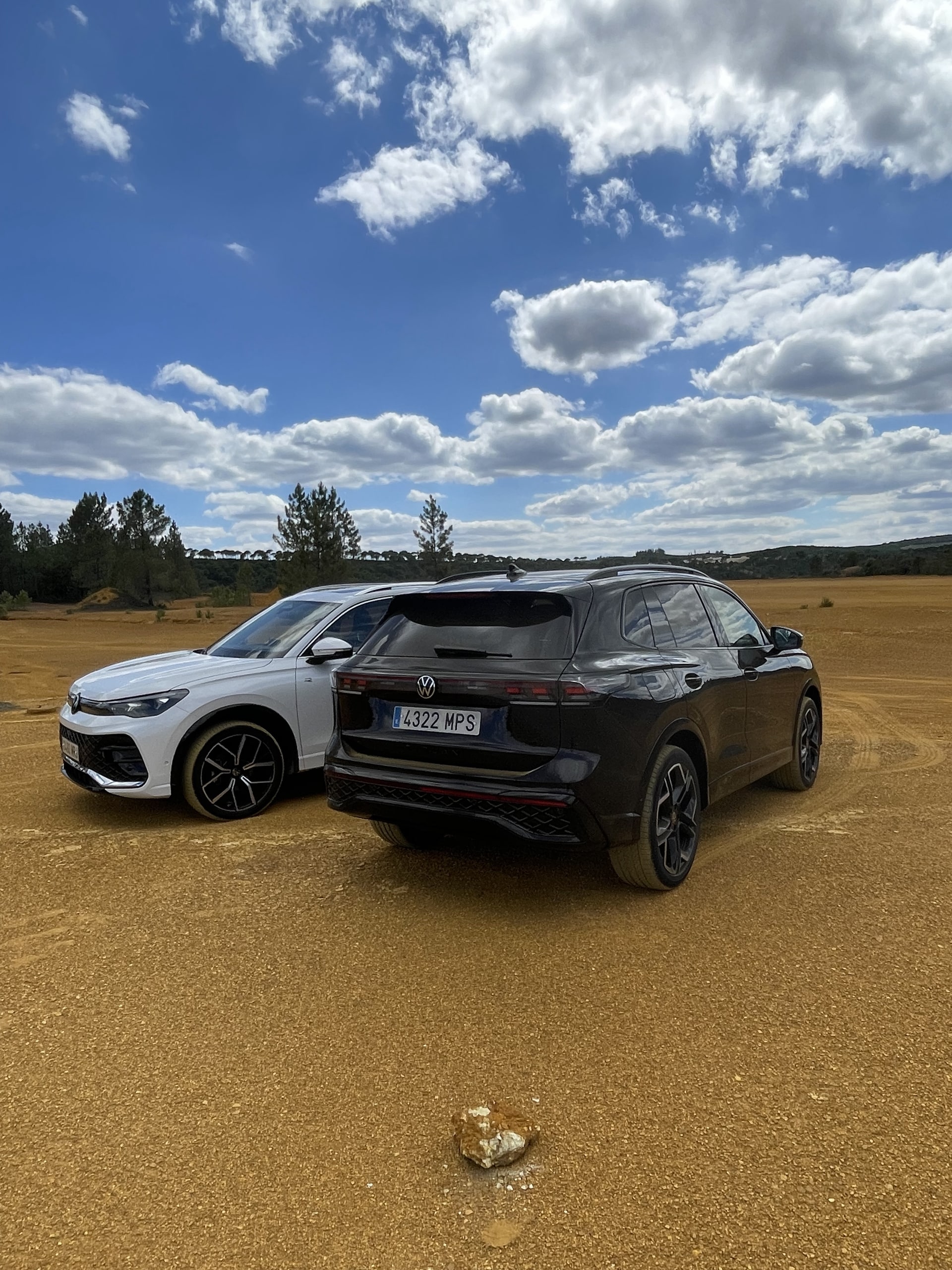
Volkswagen Tiguan eHybrid from €47,600 RRP: the C-SUV that prioritises comfort and price
The Tiguan shares the same mechanical base but with a more conservative approach to tuning: more comfortable suspension, lighter steering and a general philosophy of a “family car” rather than a “car you want to drive”. This is, in fact, Volkswagen’s usual positioning against Cupra within the same group: less edge, more practicality. The figure that really weighs on the decision is the price, almost 2,800 € less than the Terramar in its equivalent specification.
| Power (kW) | Power (CV) | Top speed | Electric range | Consumption | CO₂ emissions | Fuel |
|---|---|---|---|---|---|---|
| 150 kW | 200 CV | 210 km/h | 120 km | 1.5 l/100 km | 40 g/km | PHEV (petrol/plug-in) |
Shared mechanics, different character
On paper there are no surprises here: 150 kW, 200 CV combined, the same 210 km/h top speed and the same 25.5 kWh battery in both. What you do notice behind the wheel is something else. The Terramar responds more quickly to the accelerator, controls body roll better through corners and conveys a sense of control that the Tiguan does not try to replicate. That firmness in the Terramar does come at a cost day to day, though: on poorly surfaced urban roads the Tiguan filters bumps better and is less tiring in long traffic jams.
Electric range and real-world consumption
The 120 km WLTP range is identical in both, as is the homologated consumption of 1.5 l/100 km. In practice, anyone who plugs in every night at a home charger can do the entire working week in electric mode with either car. The difference appears once the charge runs out: there, the extra weight of the Terramar’s sport suspension and its wider-section tyres slightly penalise consumption in pure hybrid mode compared with the Tiguan, although the gap is not dramatic.
Everyday urban use: which performs better?
For pure city driving, the Tiguan wins on comfort and on lighter steering at low speeds, something appreciated when parking or in dense traffic. The Terramar is not uncomfortable, but its sportier set-up is noticeable on certain road surfaces.
Long motorway journeys: which performs better?
On the motorway, with the battery depleted and running as a conventional hybrid, the Terramar holds its own better in overtaking and keeps more stability at high cruising speeds thanks to its more controlled chassis. The Tiguan is perfectly competent, but this is where the difference in character between the two becomes clear.
Equipment and price: the small print
The Tiguan eHybrid tested is the “Más” trim, which already comes with a generous standard equipment level. The Terramar e-Hybrid is positioned as the premium option within the group, with more refined interior finishes and design details specific to Cupra. The price difference, from €47,600 to €50,400, is close to 6%. It does not reach the threshold that would force a rethink of the decision on budget alone, but it does weigh if the buyer values every euro. Remember that both prices are manufacturer RRPs, without dealer discounts or special campaigns, so it is worth requesting a real offer before deciding.
Comparative summary table
| Model | Power | Electric range | Consumption | Price from | Character | Score |
|---|---|---|---|---|---|---|
| Cupra Terramar e-Hybrid | 200 CV | 120 km | 1.5 l/100 km | €50,400 | Sporty | 8.3/10 |
| Volkswagen Tiguan eHybrid | 200 CV | 120 km | 1.5 l/100 km | €47,600 | Comfort/practical | 8.2/10 |
Verdict: which to choose based on your use case
For someone who mainly drives in the city during the week and wants the more comfortable and cheaper of the two, the Volkswagen Tiguan eHybrid wins with its more comfortable suspension and almost 2,800 € less on the starting price. For someone who combines city driving with frequent long trips and wants the car to respond when they press the accelerator, the Cupra Terramar e-Hybrid is the option, even if that extra has to be paid for. In terms of value for money, since the powertrain and range are identical, the Tiguan comes out ahead for the buyer who does not need that sporty edge. If you travel a lot and value dynamic behaviour above the initial saving, the Terramar justifies the difference. Before signing, it is also worth checking public aid schemes such as the Plan Auto+, which can reduce the upfront outlay in both cases, and comparing real dealer offers, which usually shift these RRP figures.
If your search is more in the compact segment, the same shared-platform logic applies to the Cupra Leon e-Hybrid versus the Volkswagen Golf eHybrid, and if what you need is to filter between several C-SUV PHEVs by real electric range, it is worth reviewing how to choose a family PHEV SUV based on real electric range and whether you can charge at home.
Frequently asked questions
Do the Cupra Terramar e-Hybrid and the Volkswagen Tiguan eHybrid have the same engine?
Yes. Both use the same 1.5 TSI eHybrid setup with 200 CV combined and a 25.5 kWh battery, with a homologated electric range of 120 km in both cases.
Which one is cheaper, the Terramar or the Tiguan?
The Volkswagen Tiguan eHybrid starts at around €47,600 RRP, compared with approximately €50,400 for the Cupra Terramar e-Hybrid. These are indicative prices without discounts or aid applied.
Which performs better on the motorway with the battery depleted?
The Cupra Terramar behaves slightly better on the motorway at sustained speeds thanks to its more controlled chassis, although the Volkswagen Tiguan offers very similar performance in real-world consumption.
Is it worth paying more for the Cupra Terramar instead of the Tiguan?
It depends on your use: if you prioritise urban comfort and price, the Tiguan makes sense. If you make frequent long journeys and value more sporty behaviour, the extra cost of the Terramar is justified.
