

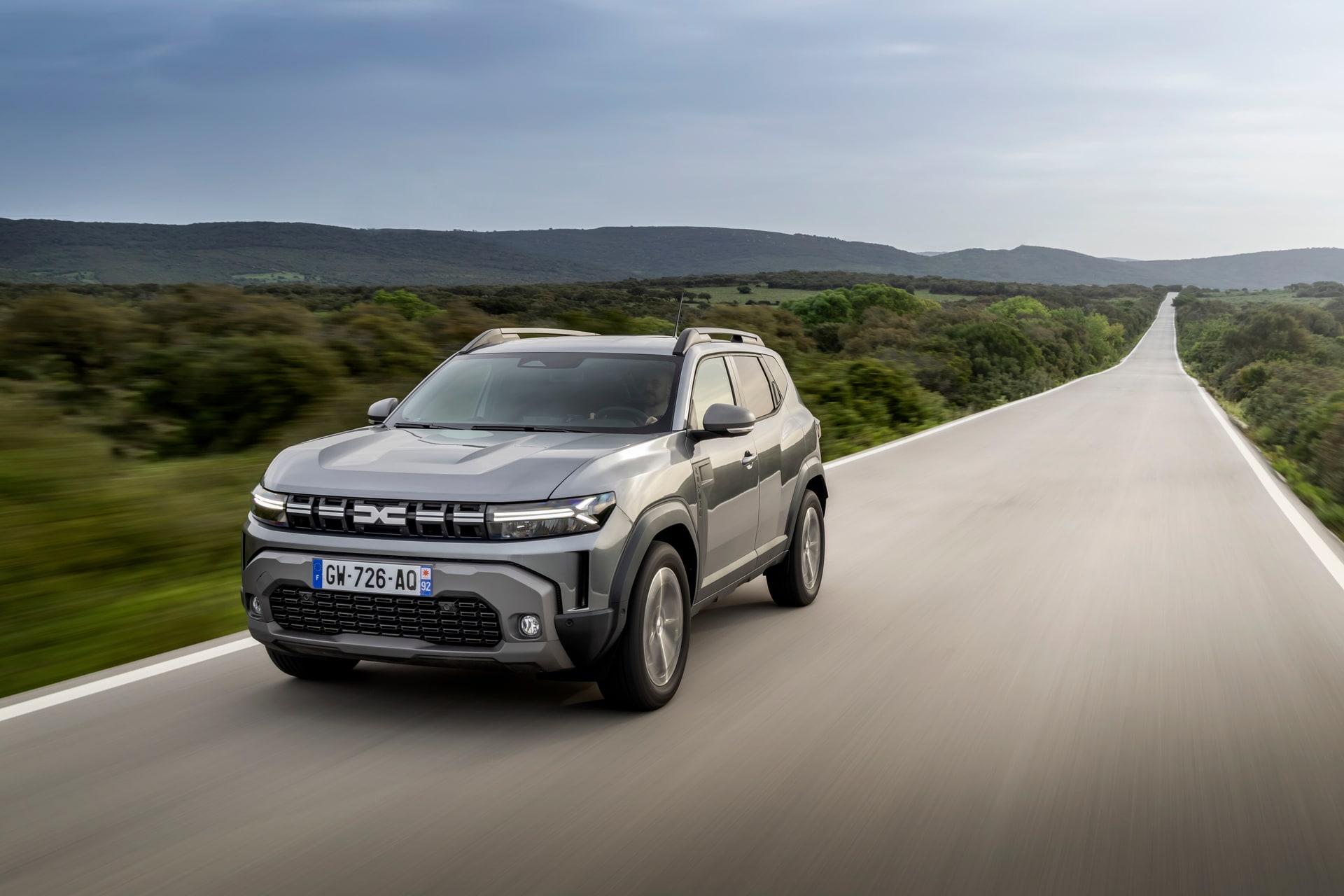
There is a trap that SUV buyers keep falling into: we look at the spec sheet as if we were going to race on track on Sundays. In practice, the car is used to get to work, fit the child’s car seat, park in narrow bays and make two long trips a year. That is where standard equipment matters more than horsepower. And that is where the best value-for-money SUV 2026 is really decided.
This article compares three real candidates on the Spanish market, with their entry or volume trim levels, and gives a clear-headed verdict: what is worth paying for as standard and what is not.
What “value for money” means when the car lives your everyday life
Forget the headline on the brochure. An SUV at €25,000 that forces you to pay €1,800 more for wireless CarPlay, a decent rear camera and dual-zone climate control is no longer that cheap. The real equation is: final price including what you use every day, not bare list price.
What you use every day, to be honest, is not much but very specific: wireless phone connection, a camera for parking without scraping the wheel rim, climate control that does not force you to touch the screen while driving, and mandatory ADAS working without getting in the way (which is a different story). Everything else, such as panoramic roof, head-up display or leather upholstery, is preference, not value for money.
The three candidates: compact segment, real entry prices in Spain
We have chosen three SUVs that represent three different philosophies within the same segment and price range. No comparing a top trim with a stripped-down rival.
Dacia Duster Expression TCe 130 — from €19,640
The third-generation Duster remains the reference for “a lot of car for little money”, but watch out: the entry-level Essential trim falls very short on what matters. The Expression is the honest balance point. It comes with a 10.1″ screen with wireless Apple CarPlay and Android Auto, manual climate control, rear sensors and the ADAS required by European regulation.
What is missing? A rear camera (you have to step up to Journey, +€1,600) and automatic climate control. In my view, it is a defensible trade-off if you live in a village or small town; in Madrid or Barcelona, the camera stops being a luxury.
| Power CV | Fuel | DGT Label |
|---|---|---|
| 130 CV | Mild-hybrid 48V petrol | ECO |
Hyundai Tucson Maxx 1.6 T-GDI 150 CV — from €28,390
A different price bracket, yes, but the Tucson Maxx comes loaded as standard with what the Duster requires you to add on: rear camera, automatic dual-zone climate control, CarPlay and Android Auto (wired on the 12.3″ screen, wireless on the smaller one), 17″ alloy wheels, driver’s seat with electric lumbar adjustment, and the full Hyundai SmartSense ADAS package, which on motorways works without the typical false alarms of other rivals.
The 5-year warranty with unlimited mileage weighs as much as the equipment in this equation. Over five years, the numbers change.
| Power CV | Fuel | DGT Label |
|---|---|---|
| 150 CV | Mild-hybrid 48V petrol | ECO |
Toyota C-HR 140H Advance — from €32,400
The C-HR plays a different card: a full hybrid that drops below 5 l/100 km in town without effort, with a solid ECO label. The Advance trim includes a 360° camera, wireless CarPlay and Android Auto, dual-zone climate control, 18″ wheels and the latest-generation Toyota Safety Sense, probably the least intrusive ADAS on the market, which is appreciated every single day.
That said, the boot (364 l) is clearly smaller than that of its rivals, and the rear seats are not for tall adults on long journeys. It is a compact SUV for mixed urban use with well-finished trims, not a family estate for long trips.
| Power CV | Fuel | DGT Label |
|---|---|---|
| 140 CV | Full hybrid (HEV) | ECO |
Where each one wins (without false equivalence)
Duster Expression: unbeatable on entry price. Nobody gives you a 4.34 m SUV with 130 CV, an ECO label and wireless CarPlay for under €20,000. Full stop.
Tucson Maxx: the most complete standard equipment of the three per euro invested, with the longest warranty in the segment. If you compare raw equipment lists, it wins by a mile. It also appears in our selection of petrol compact SUVs under €30,000 for the same reasons.
C-HR 140H: real-world consumption in town that the other two cannot match, and interior finish one step above. For someone who drives 70% urban, the fuel saving offsets the premium over 3-4 years.
Summary table with scores
| Model | Price from | Power | Boot | Warranty | Key standard equipment | Score /10 |
|---|---|---|---|---|---|---|
| Dacia Duster Expression TCe 130 | €19,640 | 130 CV | 472 l | 3 years / 100,000 km | Wireless CarPlay, rear sensors, basic ADAS | 8.5 (price); 6.5 (equipment) |
| Hyundai Tucson Maxx 1.6 T-GDI 150 | €28,390 | 150 CV | 620 l | 5 years unlimited km | Camera, dual-zone climate control, full ADAS, 12.3″ screen | 8.5 (equipment); 8 (warranty) |
| Toyota C-HR 140H Advance | €32,400 | 140 CV | 364 l | Up to 10 years (Toyota Relax) | 360° camera, wireless CarPlay, Toyota Safety Sense | 9 (urban consumption); 7 (space) |
The list price difference between the Duster and the C-HR exceeds 60%: they are not the same car nor the same buyer. We compare them together because all three are presented at dealerships as “value-for-money SUVs”, and it is worth seeing what that label means in each case.
Verdict by use case
- Pure urban use and low annual mileage: Toyota C-HR 140H. Hybrid consumption in town justifies the premium, and daily equipment (360° camera, wireless CarPlay, gentle ADAS) makes life easy. Do not buy it if you need a large boot.
- Best pure equipment-to-price ratio: Hyundai Tucson Maxx. It gives you the most car per euro, properly calculated, with a 5-year warranty that changes the ownership equation. Our recommended option for a family that does everything.
- Maximum budget of €22,000 and I want everything that matters: Dacia Duster Expression. Accept that the camera and automatic climate control do not come; in return, you keep €8,000 compared with the Tucson for fuel, insurance and whatever extras you fancy.
If your case is a family with three car seats or frequent long trips, our guide on real boot space and room for child seats is worth reading before you make the final decision.
Frequently asked questions
Which SUV should I buy in 2026 in Spain if I prioritise standard equipment over brand?
In our view, the Hyundai Tucson Maxx 1.6 T-GDI is the best equipment-to-price ratio in the C segment in 2026: it includes a camera, dual-zone climate control, a 12.3″ screen, full ADAS and a 5-year warranty with unlimited mileage from €28,390.
Is it worth paying for a hybrid SUV if I drive under 10,000 km a year?
If most of your driving is urban, yes: the Toyota C-HR 140H drops below 5 l/100 km in town and the saving offsets the premium in 4-5 years. If you drive few kilometres and mostly mixed motorway driving, a mild-hybrid petrol such as the Duster or the Tucson will be more cost-effective.
What standard equipment is essential in an SUV in 2026?
A rear camera (or 360° if you live in the city), wireless CarPlay/Android Auto, automatic dual-zone climate control and well-calibrated level 2 ADAS. Everything else is preference. If the base trim does not include them, add the cost of stepping up a trim to the final price before comparing.
Does the Plan Auto+ apply to these three SUVs?
The Plan Auto+ is the current framework of public purchase aid for vehicles in Spain and mainly covers electrified cars (BEV and PHEV). None of the three models in this comparison is eligible, as they are mild-hybrid or full hybrid. Check the official website for current amounts and conditions.
