

The Chinese push into the C segment has stopped being a curiosity and has become a real threat to Japanese and Korean brands. In 2026, three names account for almost all the conversation among those who want a family SUV without paying the 45,000 € asked for a well-equipped Tucson: Jaecoo 7, MG HS and Omoda 7. All three share an ambitious platform approach, giant screens and long warranties, but they play different games. One is pure petrol, the other two are PHEVs with serious electric ranges. Let’s see which one makes more sense depending on what you need.
A warning before we get into the details: the prices we use are the manufacturer’s recommended RRP, without dealer discounts, financing campaigns or aid such as the Plan Auto+. In practice, all three can move quite a lot from their list price.
Why compare these three Chinese C-SUVs
All three compete for the same typical customer: a family looking for an SUV measuring 4.50-4.60 metres, generous standard equipment, modern styling and, above all, paying less than for an equivalent European or Japanese rival. The conceptual differences are large—the Jaecoo bets on simple mechanics and a low price, the other two on PHEV technology with a CERO label—and that shapes the decision far more than finish or design.
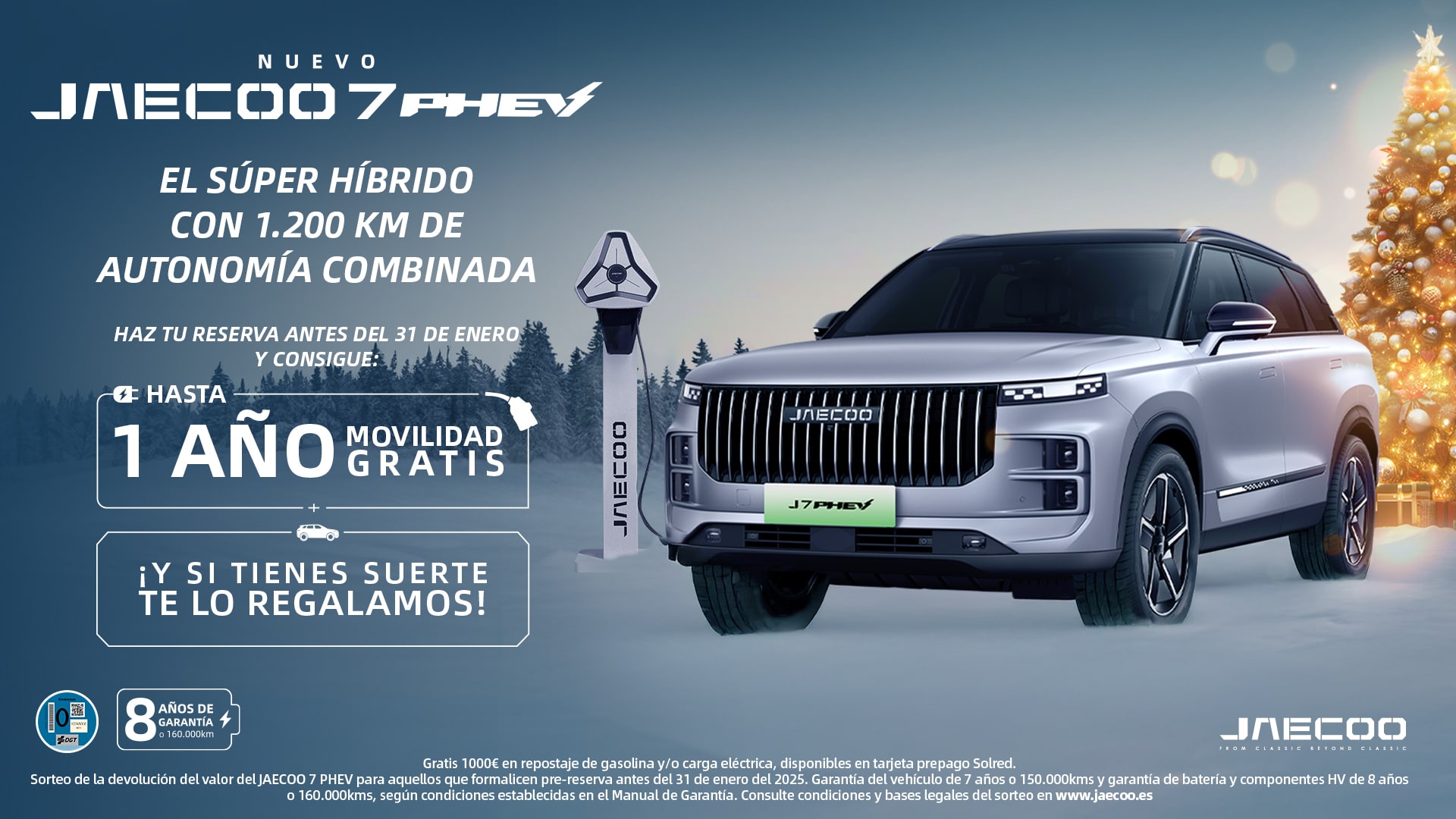
Jaecoo 7 1.6 TGDI 145 Select — from ≈33,900 €
Of the three, the Jaecoo 7 is the only one that keeps a pure petrol proposition and, not by chance, the cheapest. Its 150 hp 1.6 TGDI with a seven-speed DCT gearbox invents nothing, but it works: enough power for a family, homologated consumption around 7.5 l/100 km and a C label. No overnight charging, no wallbox, no calculating routes around the battery.
The interior surprises for its finish at this price—giant central screen, materials better than expected—and Chery group’s long warranty works in its favour. That said, on the motorway the 1.6 needs revving and real consumption climbs easily above 8 litres. It is not a car for doing 40,000 km a year at 130 km/h.
| Power | Top speed | Consumption | Emissions | Fuel | Label |
|---|---|---|---|---|---|
| 110 kW / 150 CV | 180 km/h | 7.5 l/100 km | 170 g/km CO₂ | Petrol | C |
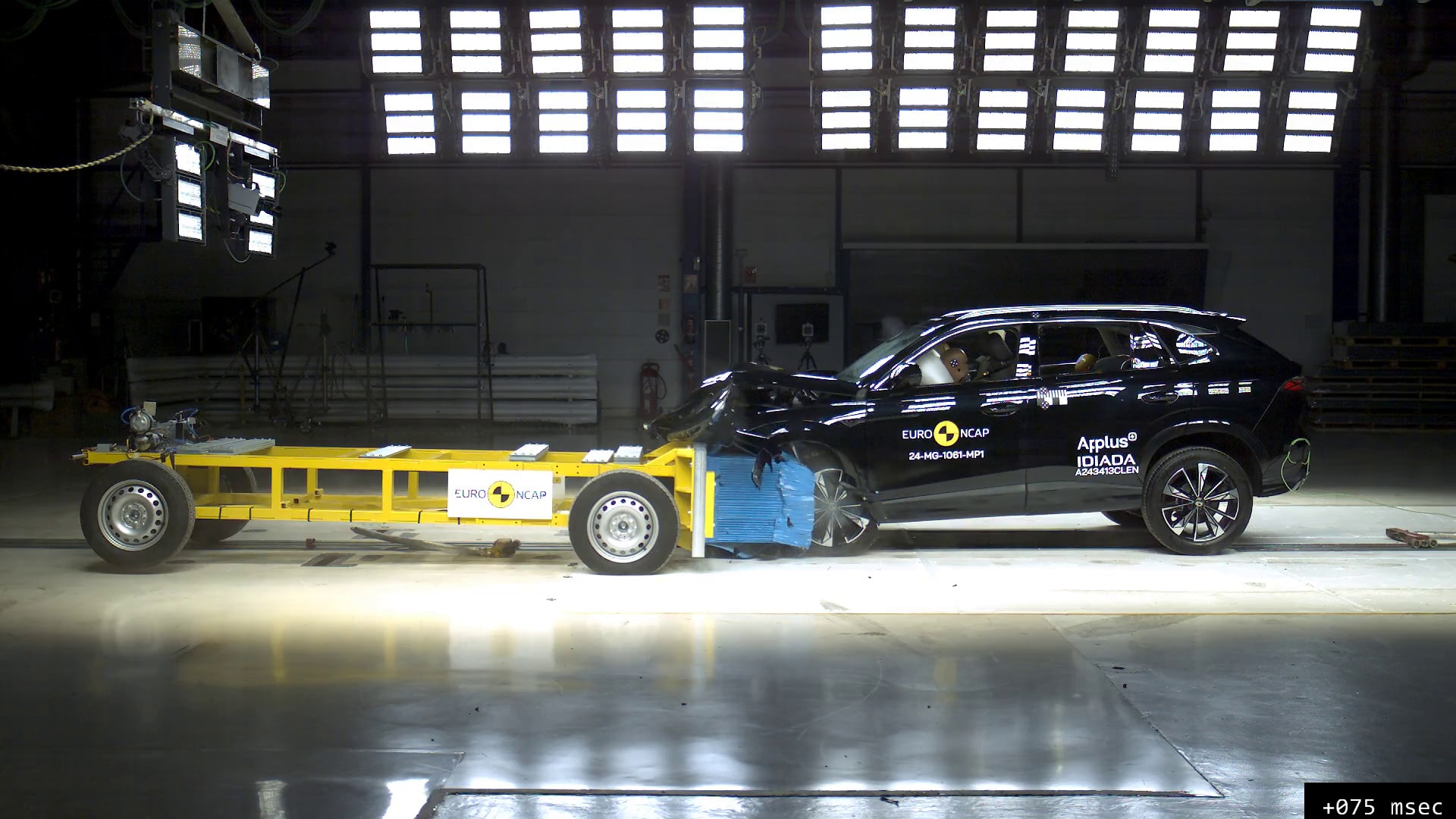
MG HS PHEV 1.5T 339 Comfort — from ≈37,300 €
The MG HS in PHEV form is the one that best balances price and technology. 340 CV combined, close to 100 km of homologated electric range and a 21.5 kWh battery that, by segment standards, is generous. With the CERO label on the windscreen, it enters Madrid Central and the Catalan ZBEs without problems, and parks for free in many cities.
In our view, the HS is the best-matured of the recent MGs. The driving feel is serious, consumption with the battery depleted sits around 6-6.5 l/100 in real use—reasonable for a 1.8-tonne SUV—and the standard equipment in the Comfort trim includes almost everything an average buyer looks for. The catch is the boot: the battery takes litres away compared with the petrol HS, and you notice it with a pram and suitcases.
| Power | Top speed | Electric range | Consumption | Battery | Emissions | Fuel | Label |
|---|---|---|---|---|---|---|---|
| 250 kW / 340 CV | 200 km/h | 100 km | 0.5 l/100 km | 21.5 kWh | 10 g/km CO₂ | PHEV | CERO |
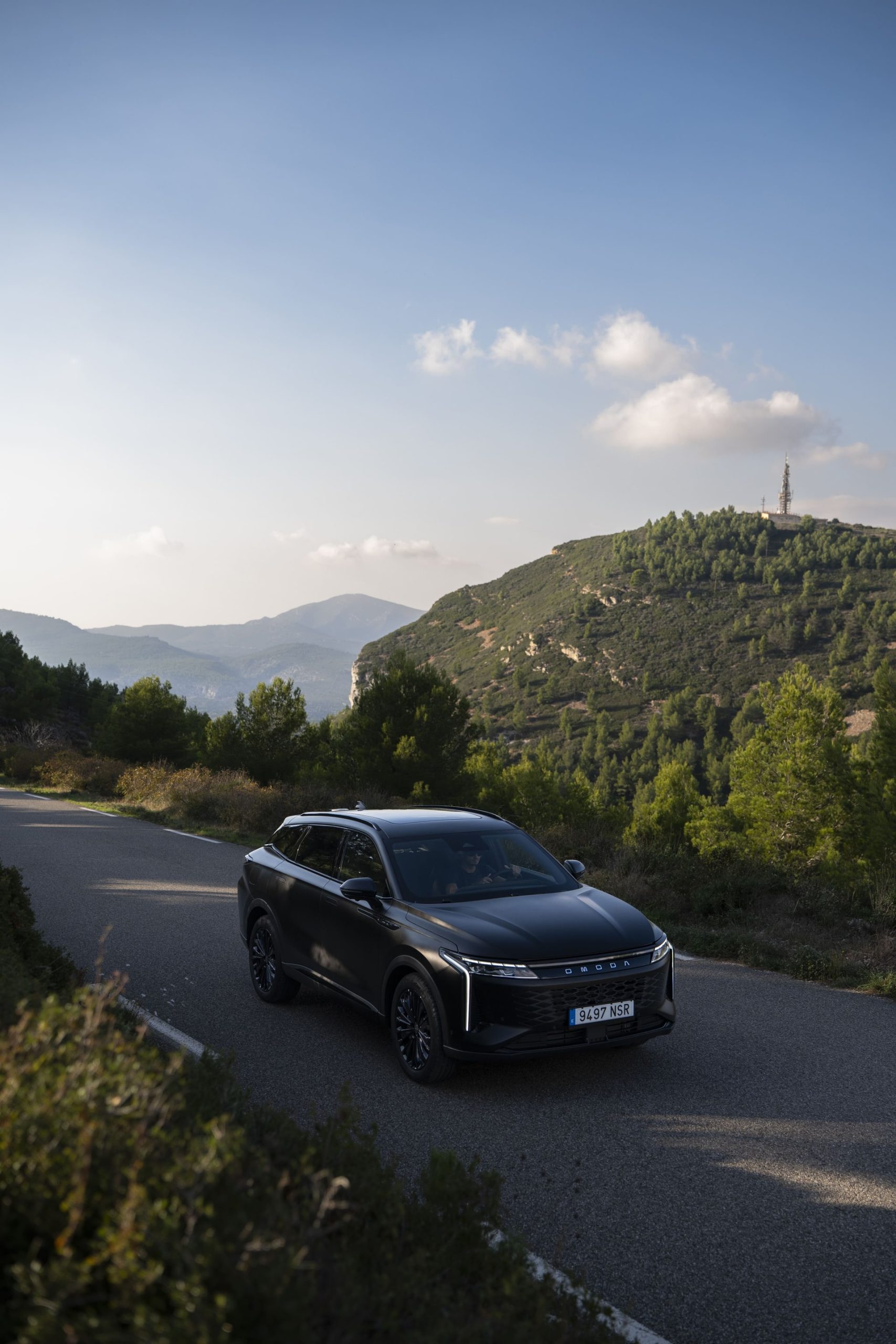
Omoda 7 PHEV 1.5 TGDI 279 Pure — from ≈42,900 €
The Omoda 7 arrives as the most expensive and, at the same time, the most ambitious in terms of image. 280 CV combined, 90 km of homologated electric range and an interior presentation that brushes against premium: padded materials where rivals use hard plastic, integrated screens with good resolution and an exterior design that, to my taste, is the most accomplished of the three.
The problem is the price jump. It asks about 5,600 € more than the MG HS PHEV, with lower combined power, less electric range and higher homologated consumption (2.5 l/100 against the HS’s 0.5). On paper, the HS wins almost every direct technical comparison. The Omoda defends itself on finish and user experience, but the bill shows. If budget is the priority, it is hard to justify over the MG.
| Power | Top speed | Electric range | Consumption | Battery | Emissions | Fuel | Label |
|---|---|---|---|---|---|---|---|
| 210 kW / 280 CV | 180 km/h | 90 km | 2.5 l/100 km | 18.5 kWh | 50 g/km CO₂ | PHEV | CERO |
Comparison table and score
| Model | Power | Electric range | Consumption | Label | Price from | Score |
|---|---|---|---|---|---|---|
| Jaecoo 7 1.6 TGDI Select | 150 CV | Not applicable (petrol) | 7.5 l/100 km | C | ≈33,900 € | 7.5 / 10 |
| MG HS PHEV Comfort | 340 CV | 100 km | 0.5 l/100 km | CERO | ≈37,300 € | 8.5 / 10 |
| Omoda 7 PHEV Pure | 280 CV | 90 km | 2.5 l/100 km | CERO | ≈42,900 € | 7.8 / 10 |
Where each one wins
- Jaecoo 7: unbeatable entry price and mechanical simplicity. You don’t need a plug or to change habits.
- MG HS PHEV: the best ratio of power, electric range and price in the trio. For anyone who can charge at home, it is mathematically the most rational.
- Omoda 7 PHEV: interior finish and exterior presence. It is the one that least looks like a “cheap car”.
Verdict: which Chinese car suits you
If you charge at home every night and do fewer than 80 km a day, the MG HS PHEV is the clear choice. CERO label, 340 CV and a price that, compared with the Omoda, sits 13% lower with a better spec sheet. For most buyers with a garage and a wallbox, there is no debate.
If you have nowhere to plug in and want to pay the minimum, the Jaecoo 7 petrol makes complete sense. You save around 3,400 € against the MG and forget about the battery. Just accept the petrol consumption and the C label—with what that implies for ZBEs in the medium term, something we already covered when choosing petrol C-SUVs under 30,000 €.
If what you want is the best presentation and you have budget to spare, the Omoda 7 PHEV is justified. But the premium over the MG HS exceeds 15%, and that must be said: you are paying for design and materials, not performance. For anyone prioritising the most complete PHEV package for the least outlay, the MG still wins. If you want to explore more plug-in options at the same price, it is worth reviewing the most recommended C-SUV PHEVs under 50,000 €.
Frequently asked questions
Which Chinese SUV has the best warranty in Spain in 2026?
All three offer long warranties, typically 7 years in the case of the Chery group (Jaecoo and Omoda) and up to 7 years for MG as well. Check the exact conditions by mileage at each dealer, as they usually include limitations.
Is a Chinese PHEV worth it if I can’t plug it in at home?
No. A PHEV without regular charging becomes a heavy petrol car with real consumption above 8 l/100. If you have no wallbox or accessible socket, the petrol Jaecoo 7 is the rational option.
Does the MG HS PHEV keep the CERO label with more than 40 km of electric range?
Yes. The DGT grants the CERO label to PHEVs with a homologated electric range above 40 km, and the MG HS PHEV far exceeds that threshold with its 100 homologated km.
Which of the three has the most useful boot for a family?
The Jaecoo 7, as it does not carry a battery under the floor, keeps the most usable boot of the trio. The two PHEVs lose useful litres to the battery pack, with the Omoda 7 slightly more generous than the MG HS in its five-seat configuration.

1 Comment
Pingback: Dacia Bigster review: hasta dónde llega el SUV familiar más barato del mercado como coche único en 2026 – Comparativa de Coches