

Start the car at -2 degrees, set the heating to 22 and check the remaining range on the display. That number has dropped just from turning on the climate control, before the wheels have even turned. It is the question this site receives most often when someone considers an electric SUV as their only car: how much real range do I lose in winter? The short answer is uncomfortable: between 20% and 35% off the WLTP figure, depending on the model, the outside temperature and whether the climate system uses a heat pump or only electric resistance.
That range is not a statistical quirk. Heating a cabin with a traditional PTC resistor draws directly from the traction battery, much like running a domestic heater plugged into the same circuit that powers the motor. A heat pump, by contrast, moves heat from the outside air rather than generating it from scratch, and uses considerably less energy for the same comfort. On a 150 km motorway journey at 2 degrees, the difference between having one or the other can mean arriving with 15% more battery.
Why an electric SUV loses range in winter
Lithium-ion batteries perform worse in the cold: internal resistance rises, the available power drops, and the thermal management system itself consumes energy to keep the cells within their optimal range. On top of that come the cabin heating, the windscreen defrosting and, in some cases, the warming of the battery pack before a fast charge. All of that draws from the same source: the pack.
In the city, with short trips and constant cold starts, the hit is proportionally greater because the battery never reaches a stable working temperature. On the motorway, although aerodynamic consumption rises, the motor produces more residual heat that helps keep the cabin warm, so the relative loss is usually somewhat smaller.
The heat pump as a buying criterion, not an extra
This is where it pays to check the technical specifications before the design or the upholstery colour. An electric SUV with a heat pump fitted as standard starts with a structural advantage over one that offers it as a paid option, because in practice almost nobody adds it later if it is not included in the entry-level trim.
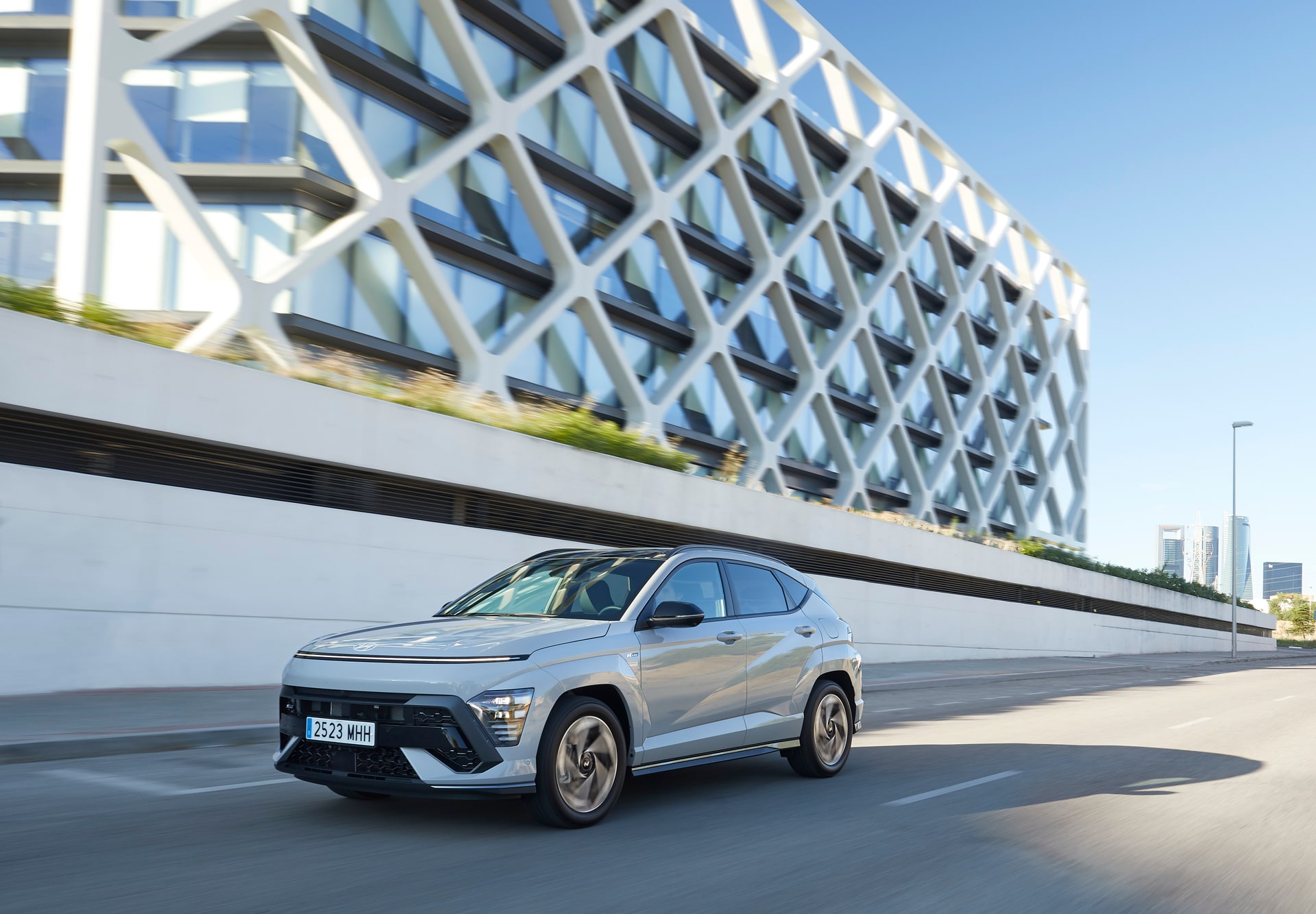
The Hyundai KONA Electric fits a heat pump as standard across much of its range, something not all its direct rivals match without moving up a trim level. Together with the programmable thermal preconditioning available through the app, it is Hyundai’s strongest argument for positioning itself as a reference for winter efficiency in the electric SUV-B segment. It is not the KONA’s only asset, but it is the one that matters most when the thermometer drops below 5 degrees.
Kia Niro EV: shares technical DNA, but not always the same approach to trims
The Kia Niro EV is based on a platform related to that of the Hyundai KONA Electric, which explains similar thermal behaviour in cold conditions. The difference usually lies in which specific version includes the heat pump as standard and which one leaves it in the options list, so it is worth checking the exact trim before comparing prices between the two, not just the model name.
Renault Scenic E-Tech: standard preconditioning, with battery management as a strong point
The Renault Scenic E-Tech Electric relies on an active thermal management system designed to minimise cold-weather losses, with battery preconditioning before a fast charge. This helps especially in winter, when stops at fast-charging stations take place at low temperatures. It is an SUV-C, one size up from the KONA Electric and the Niro EV, so its range comparison should be read with that difference in category in mind.
Peugeot e-2008: the most urban of the three, and the one that feels the cold most on short trips
The Peugeot e-2008 sits in the electric SUV-B segment, like the KONA Electric, and is especially suitable for someone who mostly drives in the city. This is precisely where the winter range loss is most noticeable: repeated cold starts, short journeys and little time for the battery to reach its optimal working temperature.
| Model | Segment | Heat pump | Preconditioning | Winter score (1-10) |
|---|---|---|---|---|
| Hyundai KONA Electric | Electric SUV-B | Standard (depending on version) | Yes, programmable | 8.5 |
| Kia Niro EV | Electric SUV-B/C | Depending on trim | Yes | 7.5 |
| Renault Scenic E-Tech | Electric SUV-C | Standard | Yes, before fast charging | 8 |
| Peugeot e-2008 | Electric SUV-B | Optional in some versions | Limited | 6.5 |
Prices for these models vary across different levels depending on trim and battery, always quoted as the manufacturer’s recommended retail price, without dealer discounts or one-off campaigns. If your purchase depends on public incentives, the current framework is the Plan Auto+: check the up-to-date amount on the official website before settling your budget, as it changes and a figure should not be taken from memory.
Verdict: which electric SUV to choose based on your real winter
For those who mainly drive in the city with short trips and constant cold starts, the Hyundai KONA Electric is the safest choice: the standard heat pump and programmable preconditioning cushion exactly the scenario where range is lost most. For those who combine city and road driving and need a bit more space, the Renault Scenic E-Tech offsets its larger size with well-resolved battery thermal management before fast charging. The Kia Niro EV is a valid alternative if the specific trim includes the heat pump as standard, but its price needs checking against the spec sheet before comparing. The Peugeot e-2008 handles urban cold worst of the four unless the thermal option is added, so I would only recommend it to someone who parks in a garage with a charging point and does not depend on covering long distances in the middle of January.
Frequently asked questions
How much range does an electric SUV really lose in winter?
Between 20% and 35% off the homologated WLTP figure, with the heating on and temperatures below 5 degrees. The exact percentage depends on the model, whether it has a heat pump and the type of journey.
Why does a heat pump save so much range?
Because it moves heat from the outside into the cabin instead of generating it from scratch with an electric resistor, drawing considerably less energy from the traction battery for the same thermal comfort.
Does thermal preconditioning only serve the cabin?
No. It also heats or cools the battery before a fast charge, which improves charging speed in cold conditions and reduces long-term wear on the cells.
Is it worth paying more for a trim with a standard heat pump?
In areas with cold winters and intensive daily use, yes: the difference in comfort and recovered range usually justifies the higher initial cost, especially if the car is going to be the family’s only vehicle.

1 Comment
Pingback: Cómo elegir un SUV eléctrico en 2026 según la autonomía real que necesitas para tu uso semanal – Comparativa de Coches