

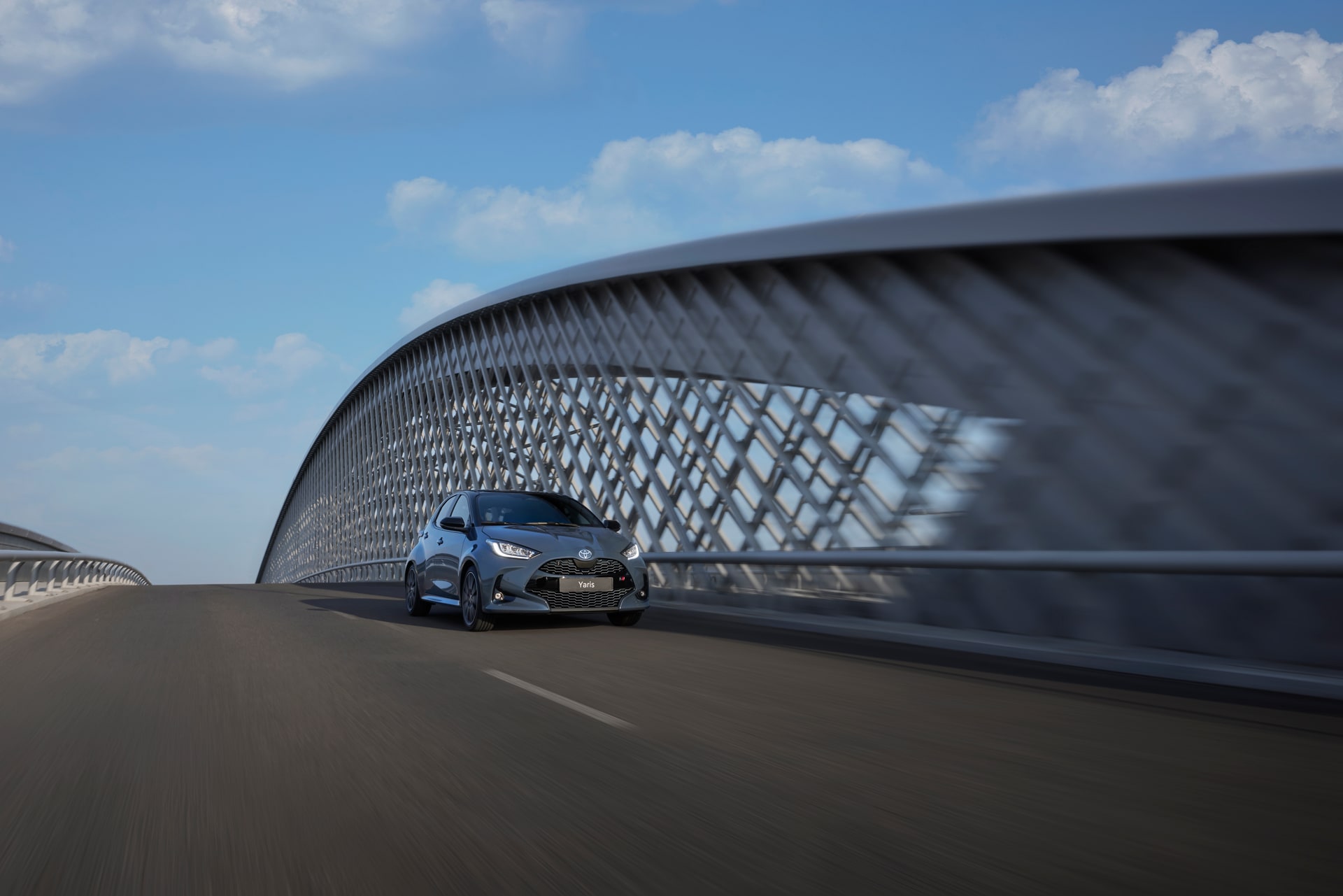
If you do more city driving than motorway driving, the consumption of a hybrid B-SUV is decided at the traffic lights, not on the motorway. That is where the electric motor does almost all the work and the petrol engine stays silent for kilometres. We have reviewed the five self-charging hybrid B-SUVs that perform best in that scenario, all below €30,000 and on sale in Spain in 2026.
What we look for in a city hybrid B-SUV
Not all “hybrids” perform the same when stuck in traffic. What makes the difference is how power is shared between the combustion and electric motors, and how long the car can run without burning petrol in slow traffic. A B-SUV with good hybrid management can drop below 4 l/100 km real-world in the city; a poorly optimised one stays near 5.5. All the cars on this list carry the ECO label from the DGT, but real consumption varies between them more than it looks on paper.
The ranking: the 5 most efficient hybrid B-SUVs in the city under €30,000
1. Toyota Yaris Cross Hybrid 120H — the segment benchmark
Toyota has spent more than two decades perfecting its self-charging hybrid system, and it shows. The Yaris Cross can run in pure electric mode on short city trips, something few rivals match with such a small engine. It is, quite simply, the car to beat for urban consumption in the whole segment.
| Power (kW) | Power (CV) | Estimated urban consumption | DGT label | Fuel |
|---|---|---|---|---|
| 85 kW | 116 CV | 3.6-3.8 l/100 km | ECO | Hybrid |
Price from €24,950.
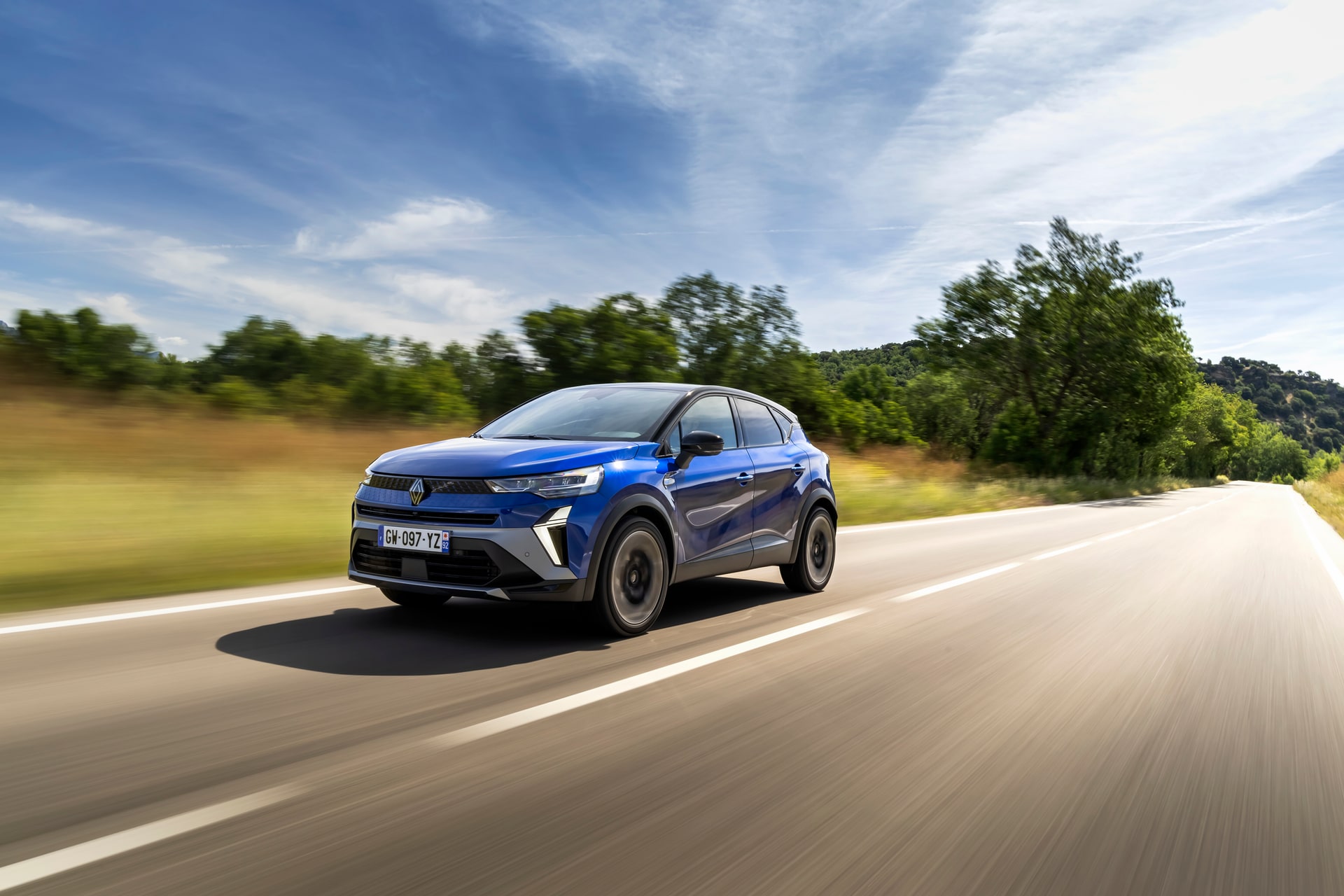
2. Renault Captur E-Tech full hybrid — the most powerful in the city
Renault’s E-Tech system adds a clutchless multimode gearbox that feels more abrupt at low speeds than the Toyota’s, but it makes up for it with 145 CV of combined power, the highest in this group. In the city it uses slightly more than the Yaris Cross, but the gap does not reach a full litre per 100 km.
| Power (kW) | Power (CV) | Estimated urban consumption | DGT label | Fuel |
|---|---|---|---|---|
| 105 kW | 145 CV | 4.0-4.2 l/100 km | ECO | Hybrid |
Price from €27,950.
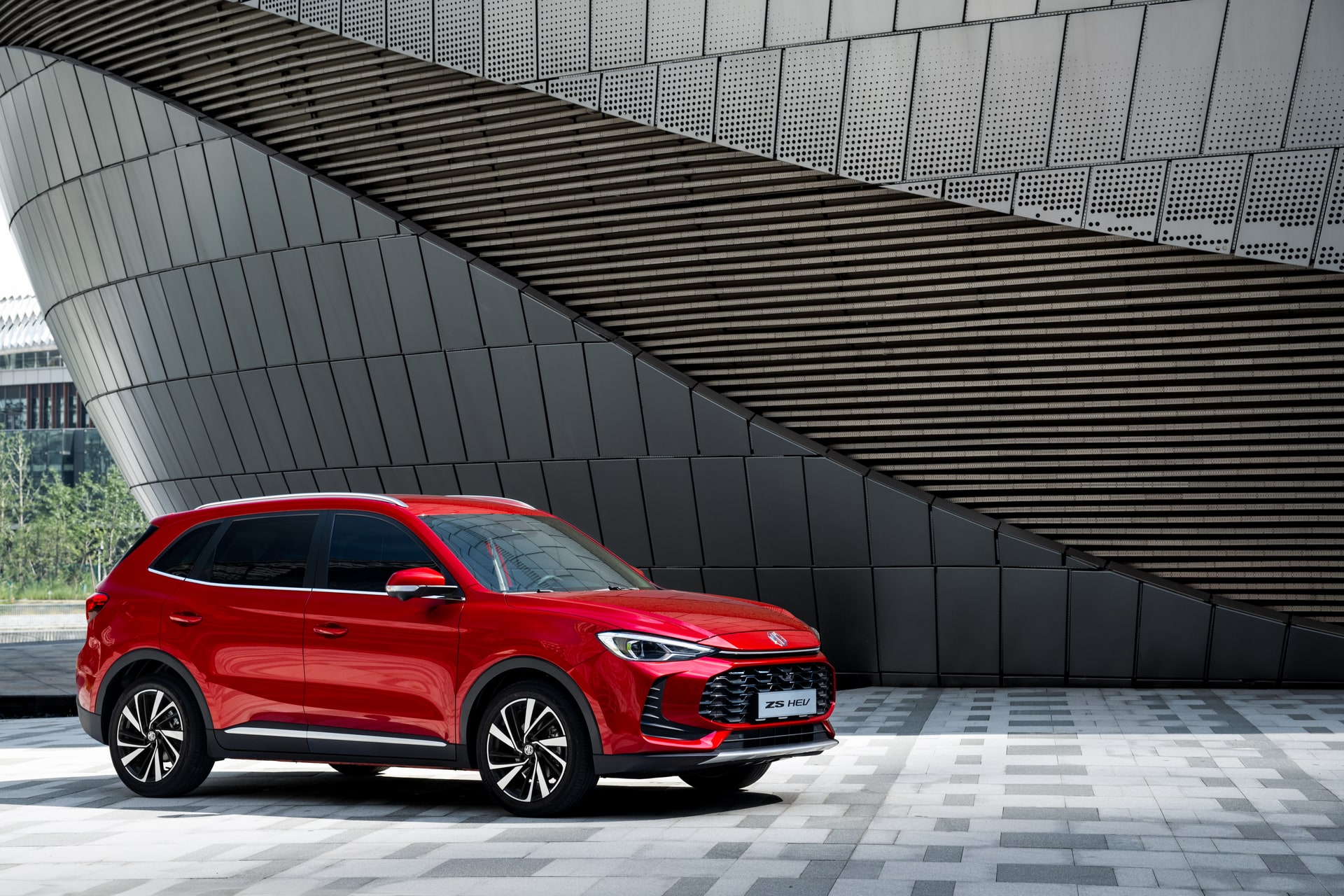
3. MG ZS Hybrid+ — the cheapest on the list
MG has entered the segment strongly with a three-speed hybrid system that prioritises savings over refinement. It uses slightly more than the Toyota in the city, but its entry price is the most aggressive of the five, nearly €1,000 below the next cheapest.
| Power (kW) | Power (CV) | Estimated urban consumption | DGT label | Fuel |
|---|---|---|---|---|
| 125 kW | 170 CV | 4.2-4.4 l/100 km | ECO | Hybrid |
Price from €23,990.
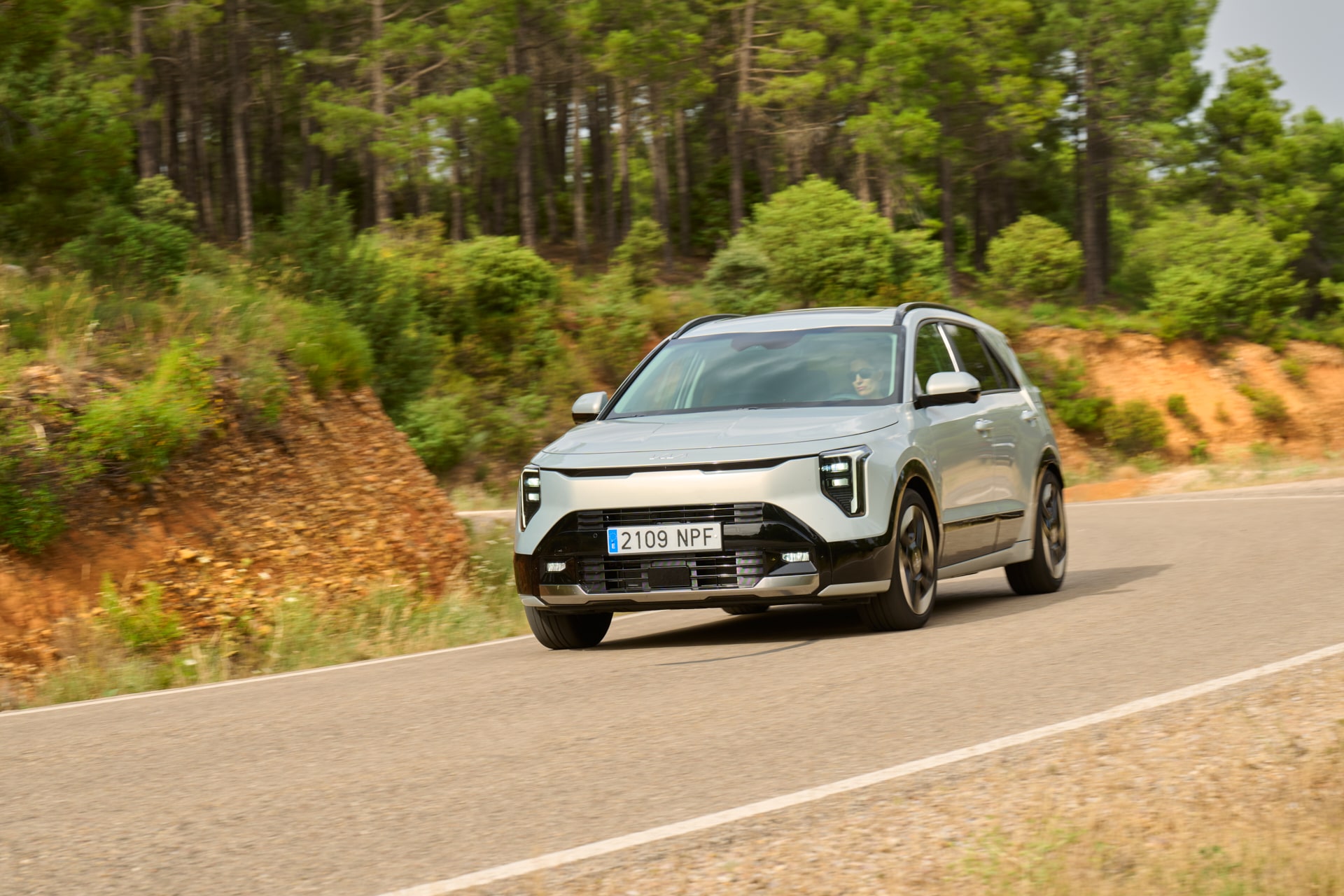
4. Kia Niro HEV — the most spacious
The Niro plays in a slightly larger category than its rivals on this list, and that shows in the boot and rear seats. In exchange it loses some agility in tight urban manoeuvres. Its city consumption is good, although it does not reach the level of the Yaris Cross.
| Power (kW) | Power (CV) | Estimated urban consumption | DGT label | Fuel |
|---|---|---|---|---|
| 104 kW | 141 CV | 4.0-4.3 l/100 km | ECO | Hybrid |
Price from €29,850.
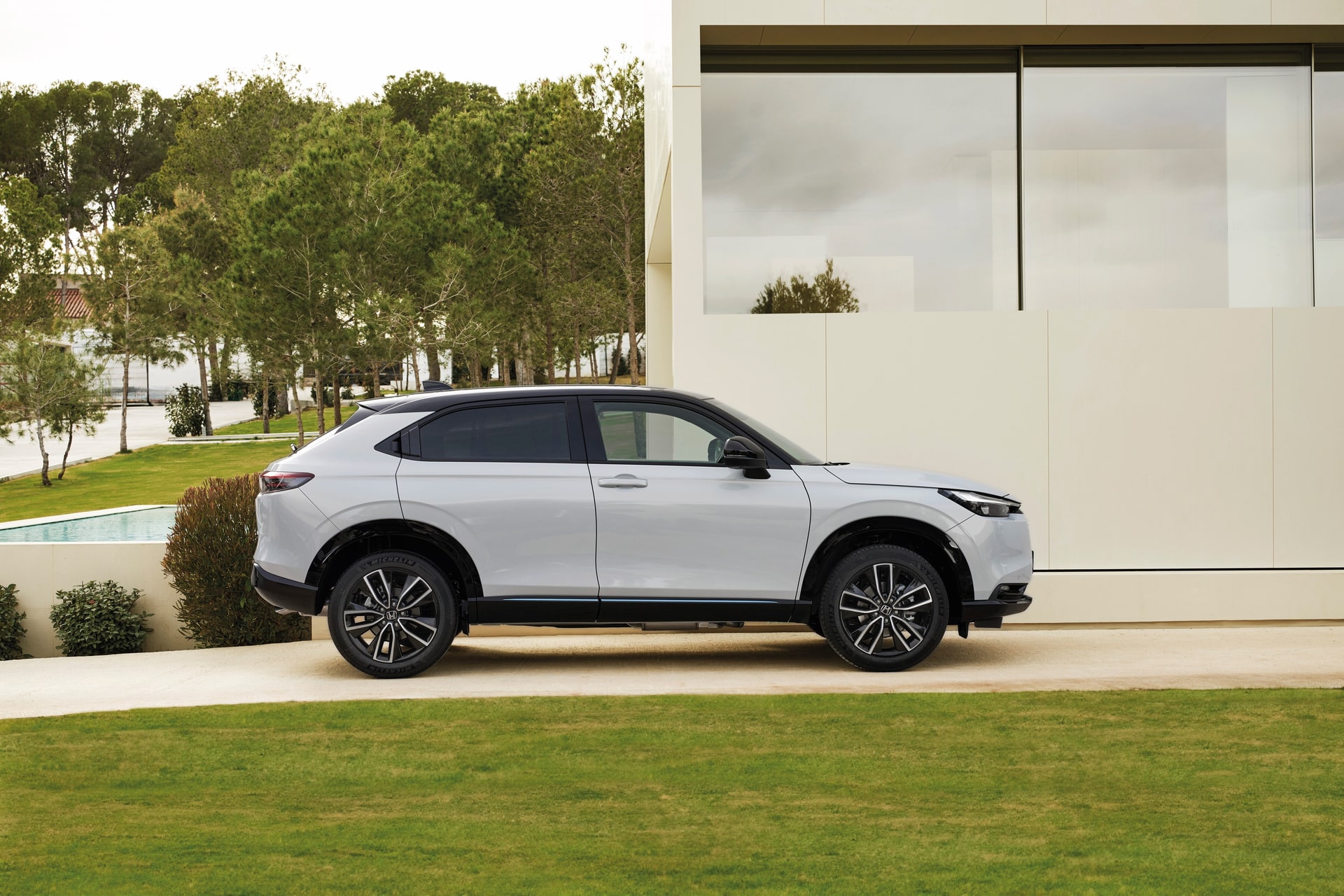
5. Honda HR-V e:HEV — the smoothest in response

Here Honda applies its e:HEV, a system where the electric motor drives the wheels almost all the time and the combustion engine acts as a generator. The result is very linear driving in the city, without jerks, although consumption does not drop as much as one might expect from that approach. It is also the most expensive model of the five.
| Power (kW) | Power (CV) | Estimated urban consumption | DGT label | Fuel |
|---|---|---|---|---|
| 96 kW | 131 CV | 4.3-4.6 l/100 km | ECO | Hybrid |
Price from €29,900.
Comparison table: the 5 hybrid B-SUVs side by side
| Model | Power (CV) | Estimated city consumption | Price from | Label | Score |
|---|---|---|---|---|---|
| Toyota Yaris Cross Hybrid 120H | 116 CV | 3.6-3.8 l/100 km | €24,950 | ECO | 9/10 |
| Renault Captur E-Tech full hybrid | 145 CV | 4.0-4.2 l/100 km | €27,950 | ECO | 8/10 |
| MG ZS Hybrid+ | 170 CV | 4.2-4.4 l/100 km | €23,990 | ECO | 7.5/10 |
| Kia Niro HEV | 141 CV | 4.0-4.3 l/100 km | €29,850 | ECO | 8/10 |
| Honda HR-V e:HEV | 131 CV | 4.3-4.6 l/100 km | €29,900 | ECO | 7/10 |
Where each one wins (objective strengths)
The Toyota Yaris Cross wins on real consumption and entry price, a combination no rival on this list matches at the same time. The Renault Captur wins on power and dynamic feel, feeling livelier on short overtakes. The MG ZS Hybrid+ wins on absolute price: almost €6,000 less than the Honda HR-V, a gap that exceeds 15% between the cheapest and the most expensive on the list. The Kia Niro wins on interior space and boot capacity. The Honda HR-V wins on throttle smoothness, although that advantage does not fully offset its starting price, the highest of the five.
Verdict: which hybrid B-SUV to choose based on your use
For city-only driving and difficult parking
The Toyota Yaris Cross Hybrid 120H. Nothing in this group uses less in slow traffic, and its compact dimensions make it easier to park than the Kia Niro or the Honda HR-V.
For a family with mixed journeys
The Kia Niro HEV. Its boot and rear seats justify the nearly €2,000 difference over the Captur if you often carry child seats or luggage.
For those who prioritise price above all
The MG ZS Hybrid+. It offers the most car for the least money, with 170 CV of combined power and a still-competitive urban consumption, although the interior finish feels a step below the Toyota. If you want more context on how to split your budget between consumption and equipment, it is worth reviewing how to choose an urban hybrid SUV based on real consumption in traffic jams.
If you are looking to offset the price with current public aid, remember to check the current conditions of the Plan Auto+ on the official website before closing the purchase: the amount may vary by autonomous community and type of vehicle.
Frequently asked questions
Which hybrid B-SUV uses the least in the city in 2026?
The Toyota Yaris Cross Hybrid 120H, with an estimated urban consumption of 3.6 to 3.8 l/100 km, thanks to its ability to run in pure electric mode in slow traffic.
Is it worth paying more for the Honda HR-V e:HEV over the MG ZS Hybrid+?
Only if you value smoothness of driving above price. In consumption and entry cost, the MG ZS Hybrid+ offers the better overall value.
Are all these models plug-in hybrids?
No. All five are self-charging hybrids (HEV), not PHEVs. They do not need to be charged at a charging point; they run only on petrol and energy recovered when braking.
What DGT label do these hybrid B-SUVs carry?
All the models on this list carry the ECO label, not ZERO, as they are non-plug-in hybrids.
