

Buying a hybrid C-segment SUV in 2026 for less than €32,000 no longer means settling for low power. The segment has matured so much that today you can find full hybrids with over 200 CV without going beyond the €32,000 starting price, something unthinkable just three years ago. The catch is that not all of them deliver those horses at the same price per unit, and that is where this ranking makes a real difference.
We have calculated the €/CV ratio of five hybrid C-segment SUVs on sale in Spain by dividing the starting price by the combined power of the system. The lower the number, the better the power-to-price ratio. It is not the only criterion for choosing a car, far from it, but it best answers a very specific question: how many horses do I get for each euro I put on the table?
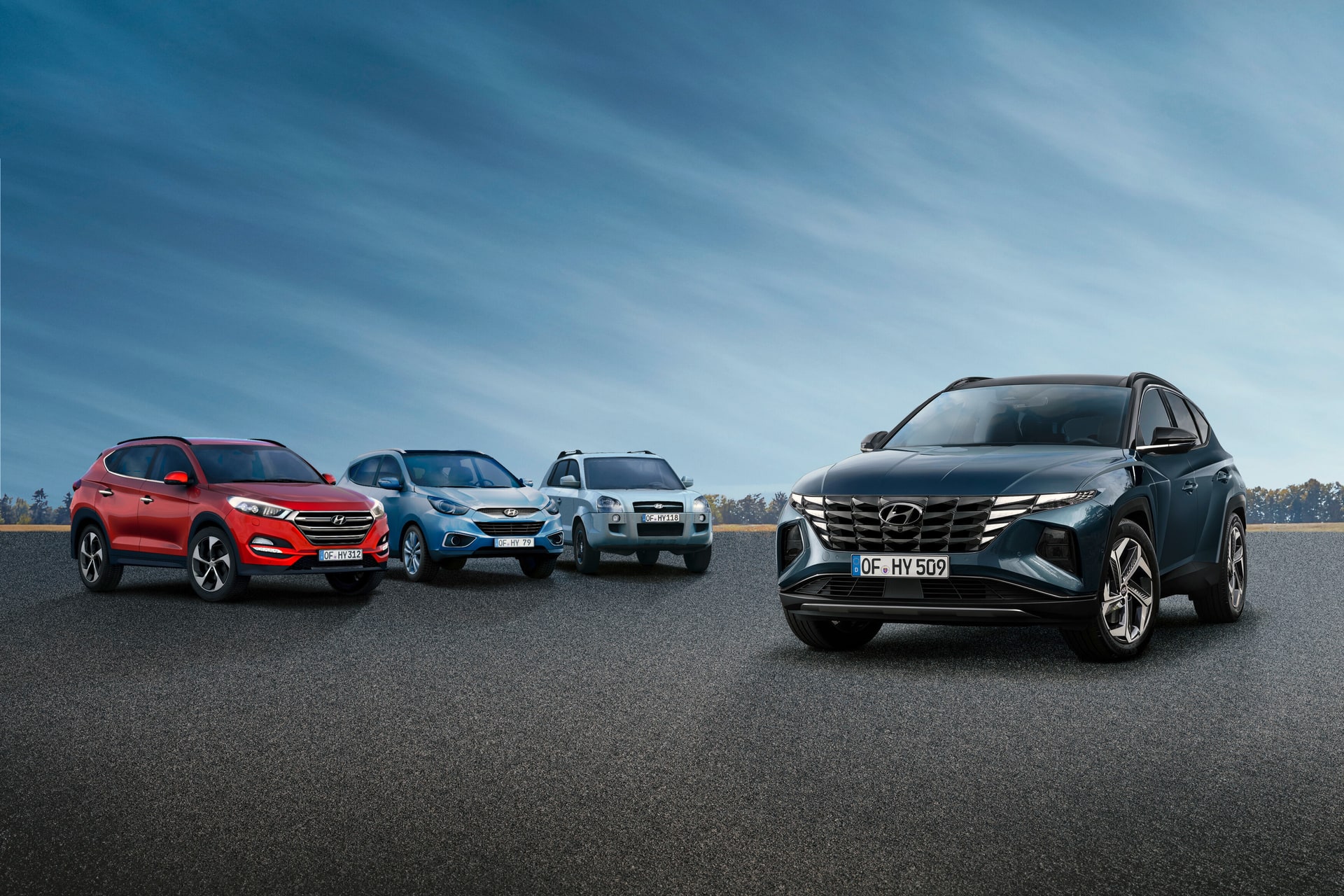
1. Hyundai Tucson 1.6 GDI HEV 215CV: the best ratio in the group
With 215 CV (158 kW) for a starting price of €31,600, the hybrid Tucson posts the best ratio of the five: €147/CV. It is the most powerful car in the ranking alongside the Sportage, and it achieves this without pushing the price up. The downside is that this price corresponds to the entry-level trim, fairly stripped of extras that in practice almost everyone ends up adding.
| Power kW | Power CV | WLTP consumption | Label | Fuel |
|---|---|---|---|---|
| 158 kW | 215 CV | 5.3 l/100 km | ECO | Hybrid |
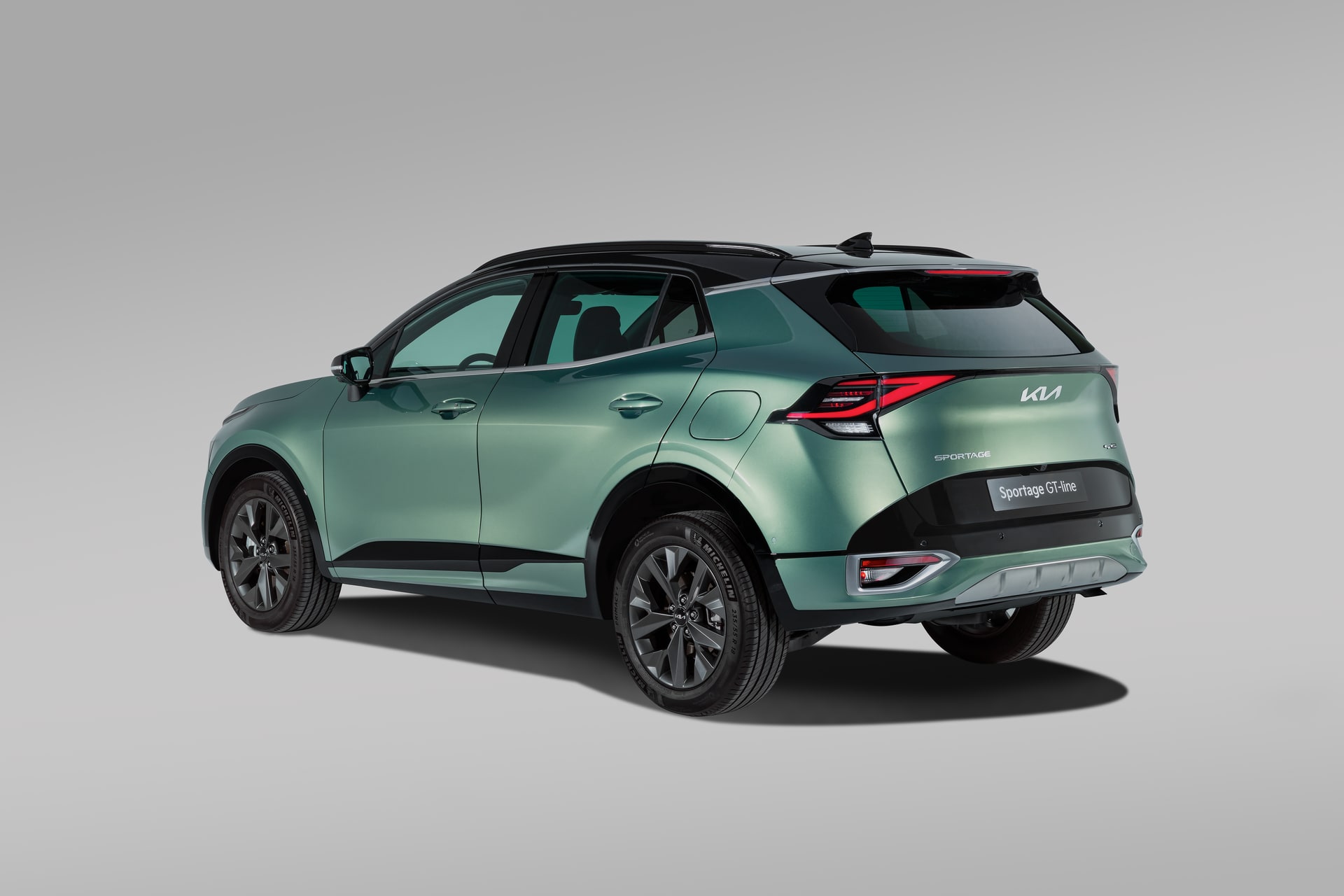
2. Kia Sportage 1.6 GDI HEV 215CV: identical power, longer warranty
The Sportage shares its powertrain with the Tucson, the same 215 CV, but starts at €31,900, three hundred euros more. That margin translates into a slightly worse ratio, €148.4/CV, although Kia compensates with a 7-year or 150,000 km warranty versus the Korean sibling’s 5. For anyone planning to keep the car for a decade, that figure weighs more than a three-hundred-euro initial difference.
| Power kW | Power CV | WLTP consumption | Label | Fuel |
|---|---|---|---|---|
| 158 kW | 215 CV | 5.4 l/100 km | ECO | Hybrid |
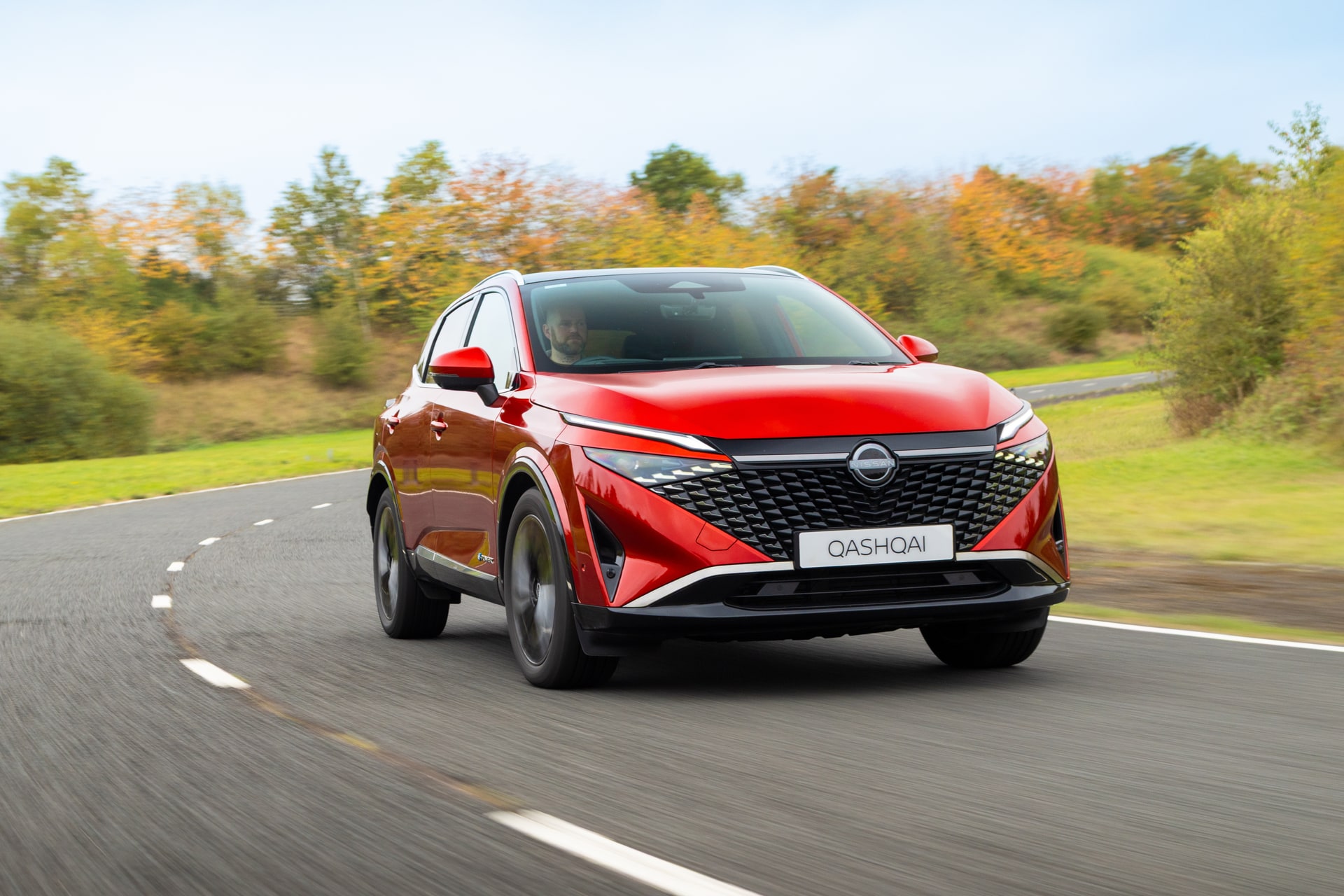
3. Nissan Qashqai e-Power 190CV: the most mechanically distinct proposal
The Qashqai e-Power works differently from the others: the petrol engine only generates electricity and never drives the wheels directly. This gives it an almost electric-car feel at the wheel, something especially noticeable in town. With 190 CV (140 kW) and a starting price of €32,000, right at the limit of the ranking, its ratio comes out at €168.4/CV. It is not the cheapest per horsepower, but it is the only one that offers that driving sensation.
| Power kW | Power CV | WLTP consumption | Label | Fuel |
|---|---|---|---|---|
| 140 kW | 190 CV | 5.2 l/100 km | ECO | Hybrid |
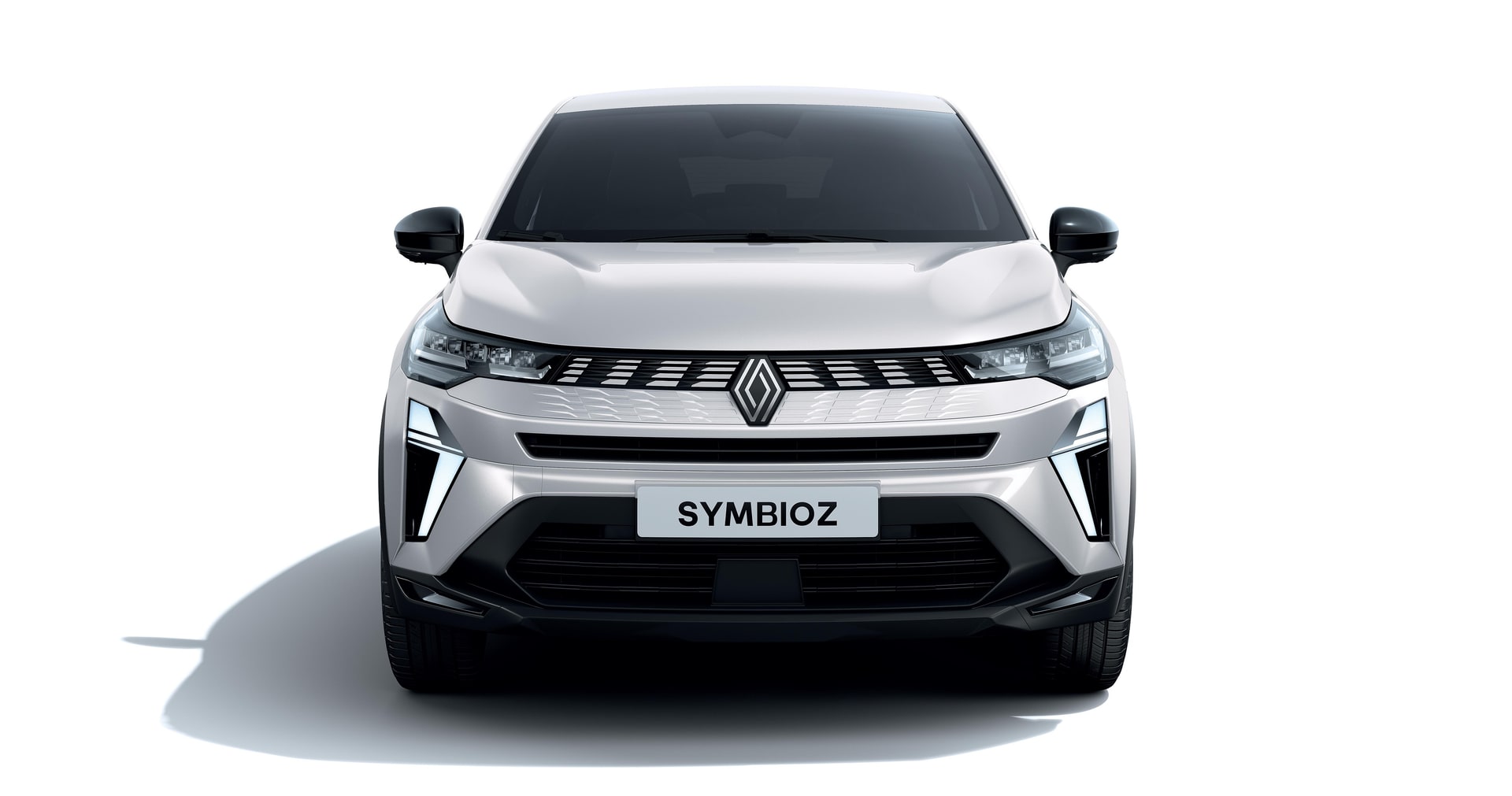
4. Renault Symbioz E-Tech full hybrid 145CV: the cheapest in absolute euros
The Symbioz has the lowest entry price in the group, €27,900, which makes it the most accessible way into the segment. Its ratio, €192.4/CV, falls behind the Koreans and the Japanese model because its 145 CV are modest by comparison. That said, its 624-litre boot is the largest of the five, an advantage that doesn’t appear in any euros-per-horsepower calculation but weighs heavily in everyday use.
| Power kW | Power CV | WLTP consumption | Label | Fuel |
|---|---|---|---|---|
| 107 kW | 145 CV | 4.9 l/100 km | ECO | Hybrid |
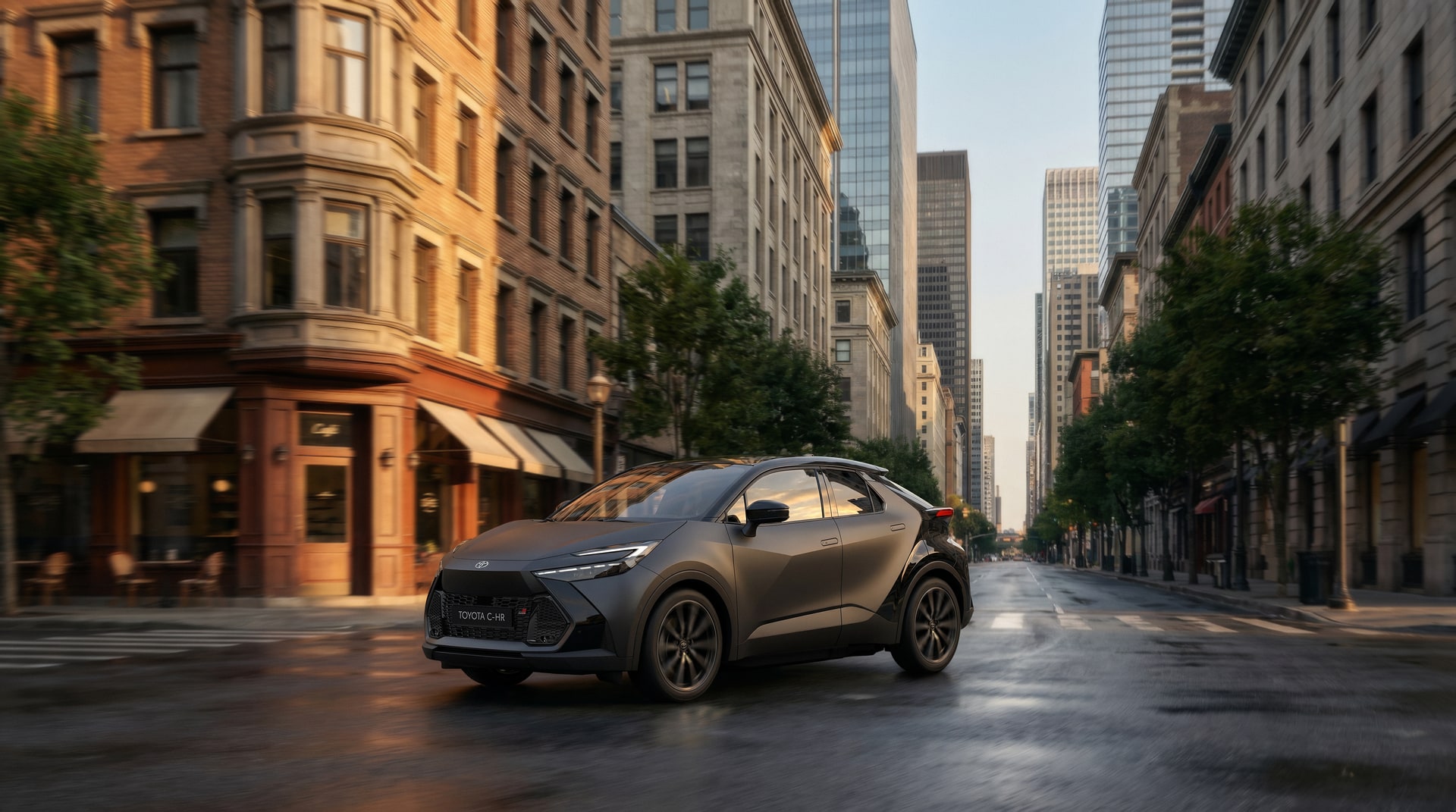
5. Toyota C-HR 1.8 Hybrid 140CV: the worst ratio, the lowest consumption
The C-HR closes the table at €213.9/CV, the worst of the five. With 140 CV and a starting price of €29,950, it is the least powerful C-segment SUV in the lot. But it has an advantage that the €/CV calculation does not capture: it consumes 4.8 l/100 km WLTP, the lowest figure in the group, and its warranty can be extended to 10 years with the Toyota Relax maintenance plan. Anyone who prioritises spending less at the pump over horsepower will find their car here.
| Power kW | Power CV | WLTP consumption | Label | Fuel |
|---|---|---|---|---|
| 103 kW | 140 CV | 4.8 l/100 km | ECO | Hybrid |
Summary table: the five hybrid C-segment SUVs head to head
| Model | Starting price | Power | €/CV ratio | Boot | Warranty | Score /10 |
|---|---|---|---|---|---|---|
| Hyundai Tucson HEV | €31,600 | 215 CV | 147.0 | 582 l | 5 years unlimited | 8.8 |
| Kia Sportage HEV | €31,900 | 215 CV | 148.4 | 587 l | 7 years/150,000 km | 8.7 |
| Nissan Qashqai e-Power | €32,000 | 190 CV | 168.4 | 504 l | 3 years/100,000 km | 7.8 |
| Renault Symbioz E-Tech | €27,900 | 145 CV | 192.4 | 624 l | 5 years/100,000 km | 7.6 |
| Toyota C-HR Hybrid | €29,950 | 140 CV | 213.9 | 388 l | 5 years (extendable to 10) | 7.2 |
The price difference between the Symbioz (€27,900) and the Qashqai e-Power (€32,000) is around 15%, enough that they are not direct rivals in terms of cost even though they compete in the same segment.
Which car wins in each area, no half measures
The Tucson and the Sportage win on raw power and on €/CV ratio, no question: they are the only ones that exceed 200 CV under €32,000. The Sportage has the edge on warranty, with 7 years versus the Tucson’s 5. The Symbioz wins on boot space and entry price, a combination that makes it unbeatable for anyone who prioritises cargo space over horsepower. The C-HR wins on real-world consumption and extended warranty durability. The Qashqai e-Power wins on driving feel, although its 3-year warranty falls short compared with the rest.
Verdict: which to choose depending on your needs
For anyone seeking maximum power at the best price, the Hyundai Tucson HEV wins the ranking on €/CV ratio: 215 CV for €147 each. For anyone planning to keep the car for more than eight years, the Kia Sportage HEV is the most sensible option thanks to its 7-year warranty, despite costing 300 euros more than its Korean sibling. If what you need is boot space for a family on a tight budget, the Renault Symbioz wins on entry price and its 624 litres of capacity, the largest in the group. And if your priority is spending as little as possible on fuel month to month, the Toyota C-HR remains the most efficient hybrid of the five, even though it sacrifices power and €/CV ratio to achieve it.
Before signing, it is worth checking whether your autonomous community still has active Plan Auto+ aid for hybrids: these can shift the final price more than any €/CV ratio can anticipate. If the budget is tighter still, it is also worth comparing Chinese alternatives in the segment, as we already did when pitting the MG HS Hybrid+ against the Jaecoo 7 SHS.
Frequently asked questions
Which C-segment hybrid has the best power-to-price ratio in 2026?
The Hyundai Tucson 1.6 GDI HEV with 215 CV, with a ratio of €147/CV on a starting price of €31,600, is the one that best spreads horsepower per euro among the five models analysed.
Is a full hybrid or an e-Power better for the city?
The Nissan Qashqai e-Power, as it always runs on electric traction, offers a smoother driving feel in town. Full hybrids such as the Toyota C-HR or the Renault Symbioz usually offer lower consumption on mixed journeys.
How much does the cheapest hybrid C-segment SUV in this ranking cost?
The Renault Symbioz E-Tech full hybrid starts at €27,900, the lowest entry price of the five models compared, although with the least power in the group (145 CV).
What warranties do these hybrid C-segment SUVs have?
The Kia Sportage offers the longest warranty, 7 years or 150,000 km. The Hyundai Tucson and the Renault Symbioz give 5 years, the Toyota C-HR can be extended to 10 years with its official maintenance plan, and the Nissan Qashqai keeps the standard 3-year warranty.
