

The electric range that each brand advertises on its WLTP spec sheet rarely survives the first winter with the heating on or a climb back from the school run. That is why this comparison does not rank compact SUV PHEVs by the number that shines brightest in the brochure, but by what the kilometres in electric mode really deliver when a family uses the car: short trips, the occasional traffic jam, real-world climate control.
The five models that follow are the only compact SUV PHEVs sold in Spain in 2026 under €50,000 that deserve a place in this discussion. All of them carry the DGT CERO label, all can enter ZBE low-emission zones without restrictions, and all, with some nuances, handle the daily commute without touching the petrol engine.
What “real-world electric range” means and why it matters more than the WLTP figure
The WLTP cycle measures electric consumption under laboratory conditions that almost nobody reproduces in everyday driving. In a PHEV, moreover, the combustion engine kicks in as soon as you demand hard acceleration or tackle certain gradients, so the battery empties sooner than the spec sheet promises. Real-world range usually lands between 20% and 30% below the official figure, and that margin is exactly what separates a PHEV that covers the school run in pure electric mode from one that fires up the petrol engine halfway there.
For this comparison we have cross-checked the WLTP figure against typical mixed city-and-outskirts use, which is how a family compact SUV is really driven.
The 5 compact SUV PHEVs with the longest real-world electric range in 2026
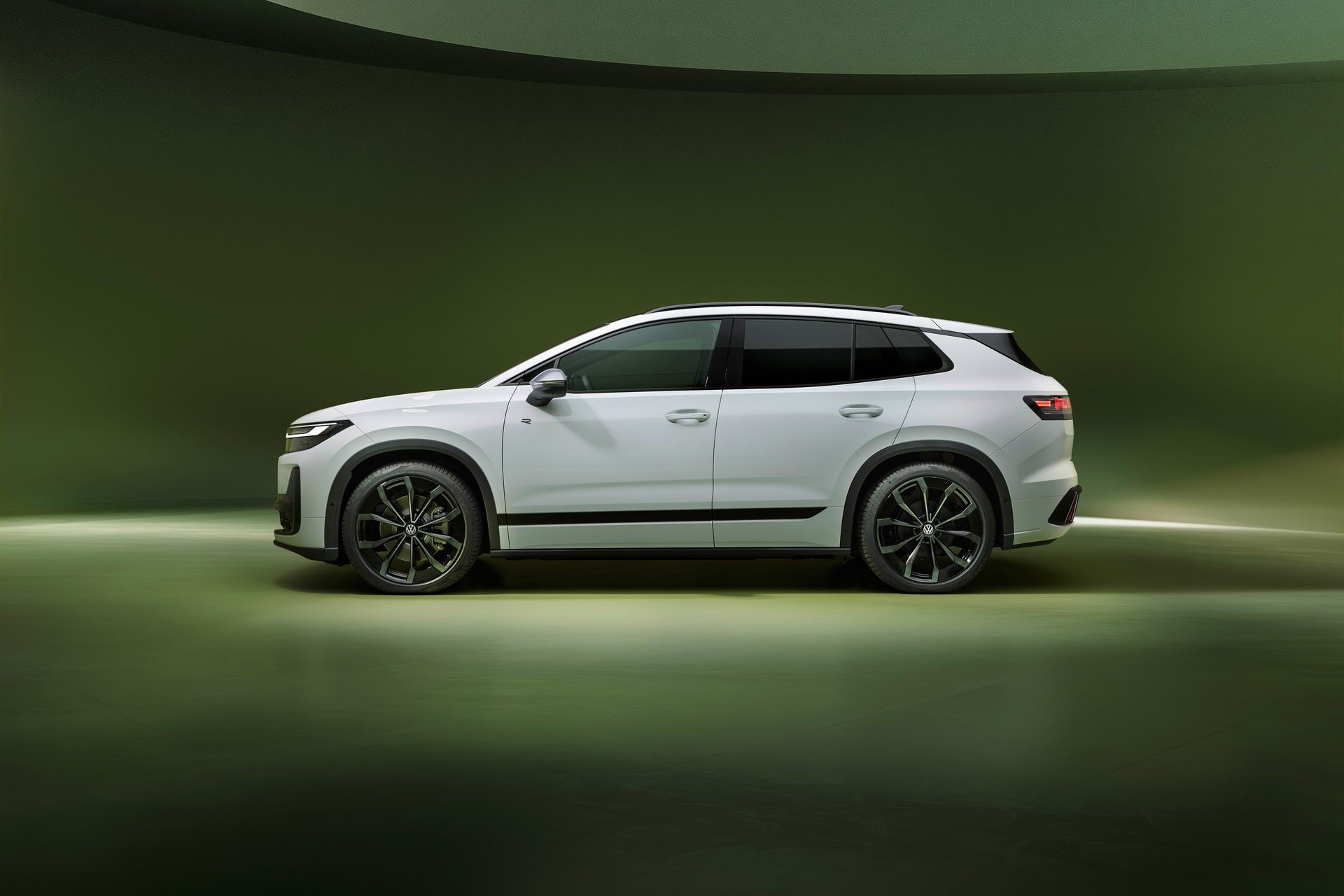
1. Volkswagen Tiguan eHybrid, from €46,990
The Tiguan eHybrid tops this ranking for a simple reason: it fits the largest battery in the group, 19.7 kWh usable, which translates into the highest real-world electric range in the entire segment, around 95-100 km in mixed use. It is the only one of the five capable of covering a full week of urban trips without the 1.5 TSI having to step in.
| Power | WLTP electric range | Boot | Label | Fuel |
|---|---|---|---|---|
| 150 kW / 204 CV | 125 km | 490 l | CERO | PHEV |
2. Cupra Formentor eHybrid, from €40,950
It shares its platform and battery with the Tiguan, the same 19.7 kWh, but the sportier software calibration of the Formentor means it draws somewhat more of its electric reserve as soon as you press the accelerator with conviction. Even so, it hovers around 90 km of real range, and it is the cheapest of the two large-battery cars in the Volkswagen Group.
| Power | WLTP electric range | Boot | Label | Fuel |
|---|---|---|---|---|
| 150 kW / 204 CV | 120 km | 345 l | CERO | PHEV |
3. Kia Sportage PHEV, from €42,845
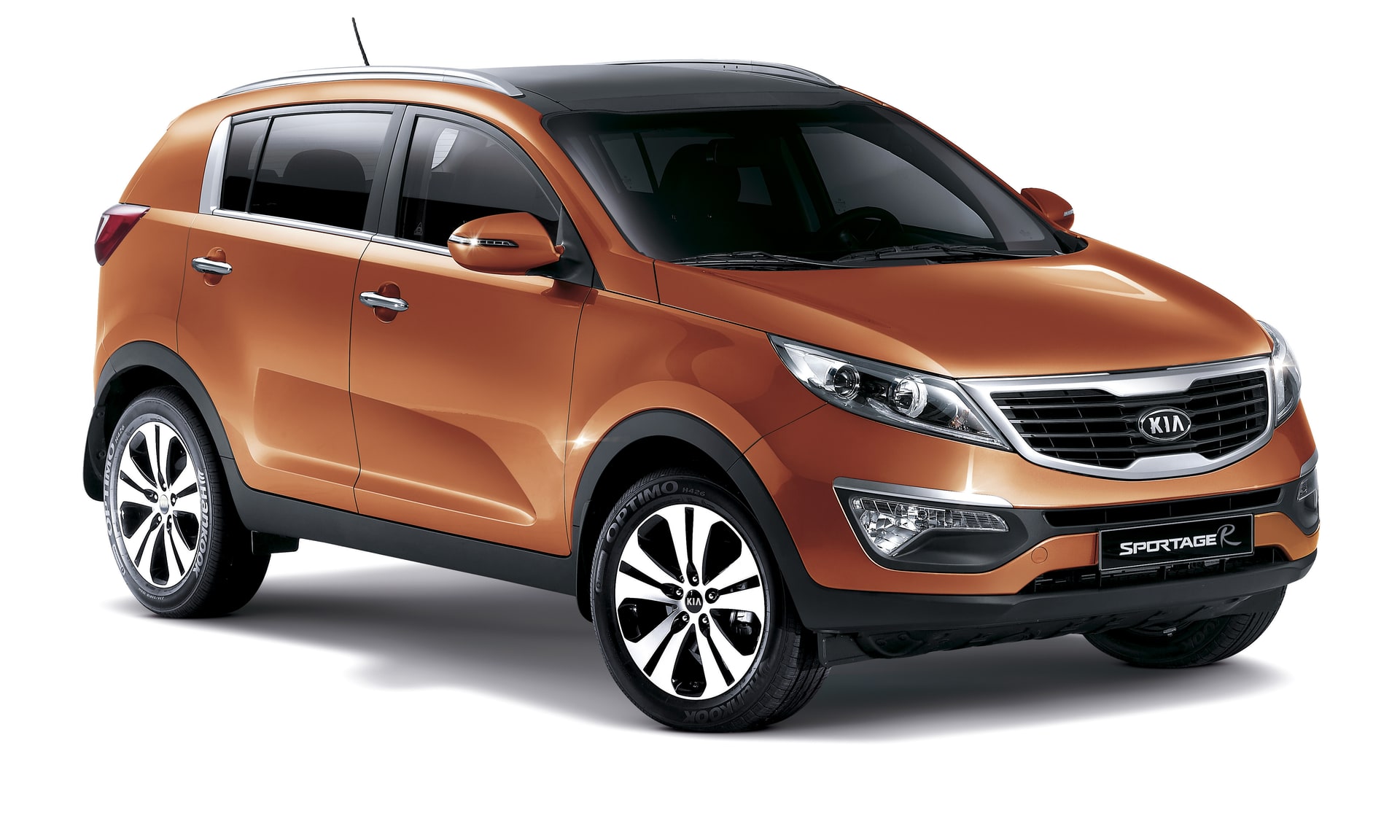
With a considerably smaller battery, 13.8 kWh, the Sportage PHEV cannot compete on electric kilometres with the two above, but its energy recovery management under braking is the finest in the Korean group. In real use it moves around 55 km in pure electric mode, enough for the daily routine of a family that does not make long journeys every day.
| Power | WLTP electric range | Boot | Label | Fuel |
|---|---|---|---|---|
| 195 kW / 265 CV | 75 km | 540 l | CERO | PHEV |
4. Toyota C-HR PHEV, from €43,000
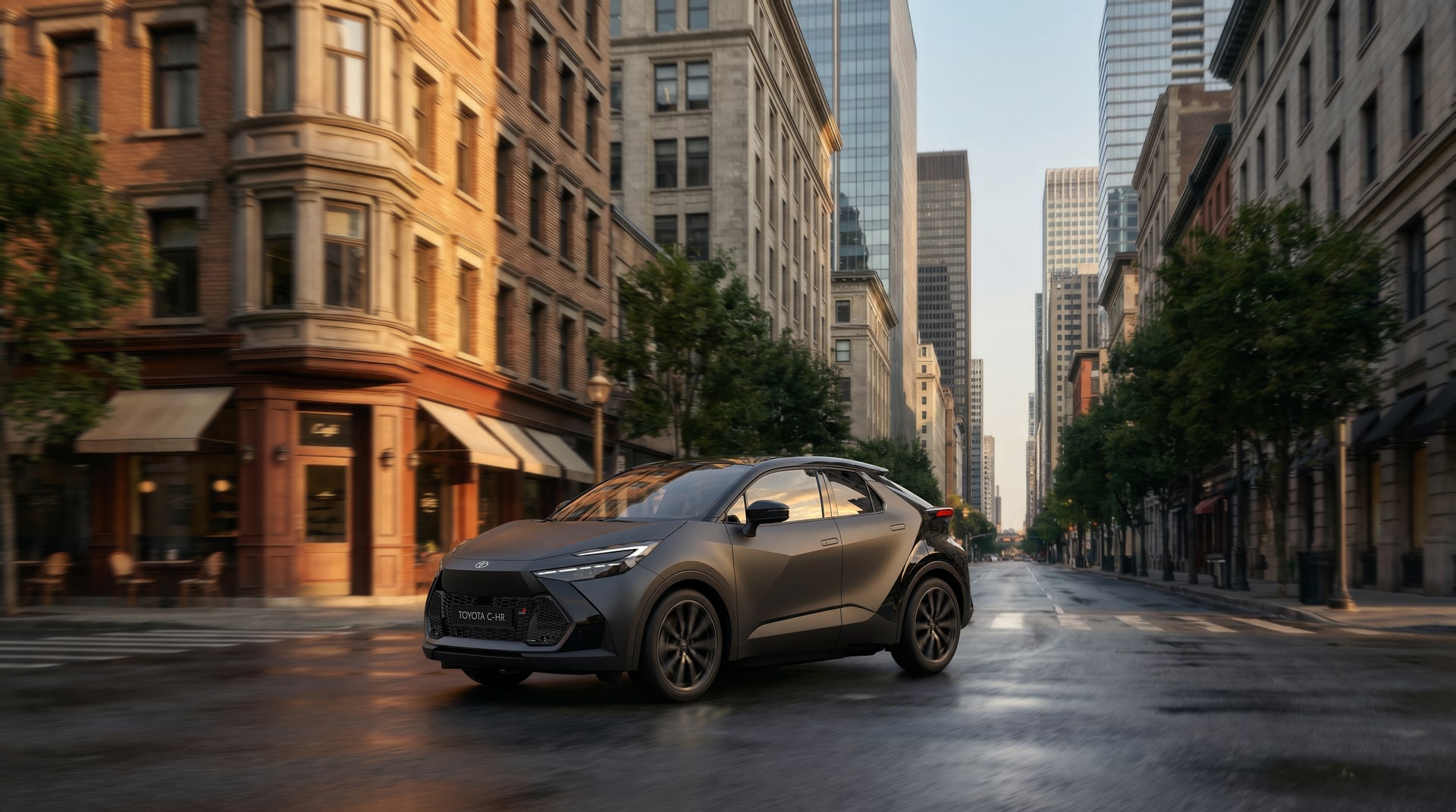
The C-HR PHEV starts from a 13.6 kWh battery, and its strong point is not the range itself but how little the transition between electric and petrol is noticed, something Toyota has been refining for years. In practice it manages around 50 km of real range, below the Koreans, but its 362-litre boot is the tightest of the five because of the coupé-style bodywork.
| Power | WLTP electric range | Boot | Label | Fuel |
|---|---|---|---|---|
| 164 kW / 223 CV | 66 km | 362 l | CERO | PHEV |
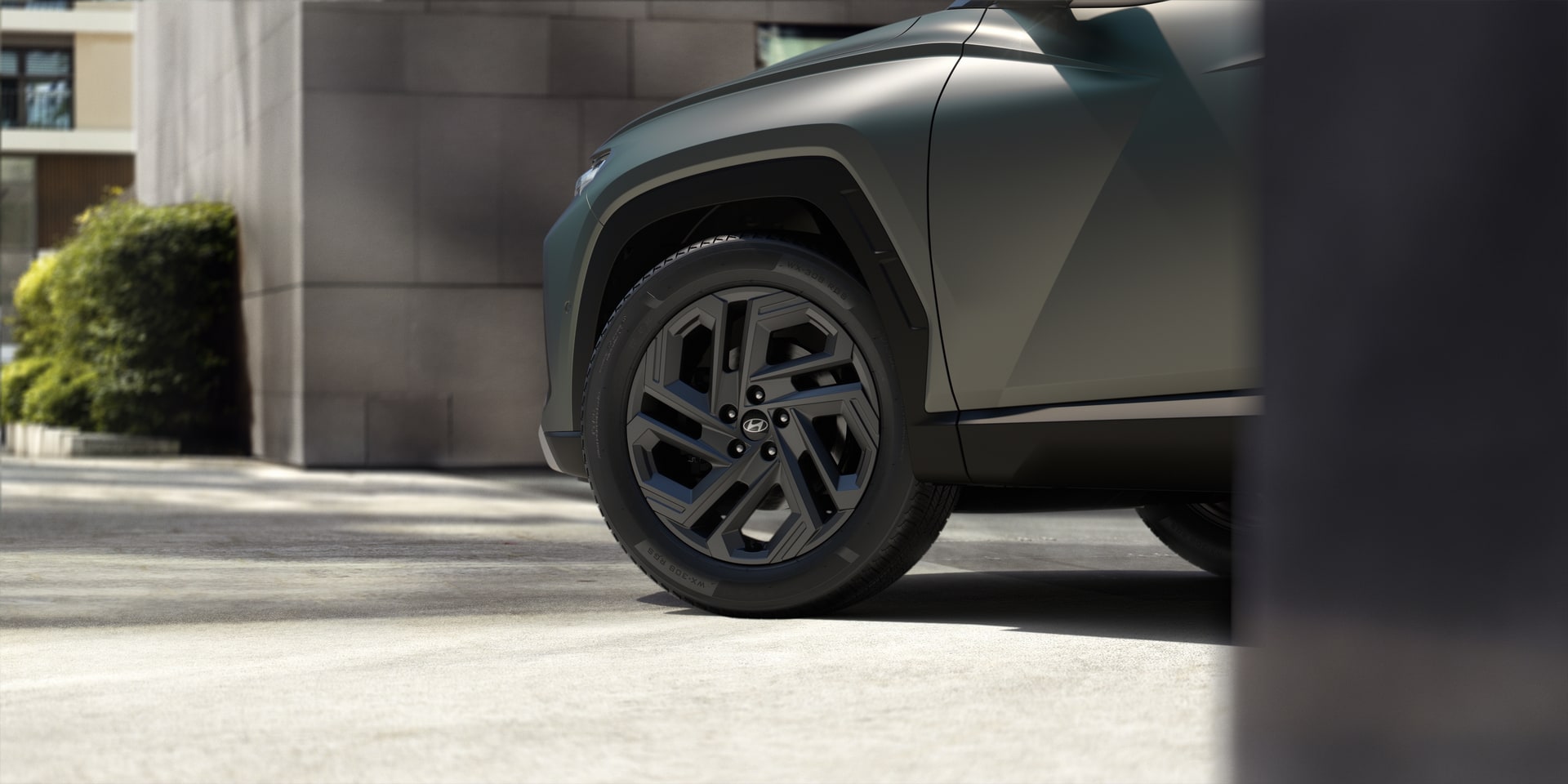
5. Hyundai Tucson PHEV, from €41,700
It closes the list with the same mechanics as the Sportage but a slightly less efficient calibration in town, which costs it some real-world range, around 48 km. In return it has the largest boot in the entire ranking, 558 litres, and it is the cheapest of the five PHEVs.
| Power | WLTP electric range | Boot | Label | Fuel |
|---|---|---|---|---|
| 195 kW / 265 CV | 62 km | 558 l | CERO | PHEV |
Summary comparison table
| Model | Usable battery | Estimated real-world electric range | Starting price | Score |
|---|---|---|---|---|
| Volkswagen Tiguan eHybrid | 19.7 kWh | 95-100 km | €46,990 | 9/10 |
| Cupra Formentor eHybrid | 19.7 kWh | 85-90 km | €40,950 | 8.5/10 |
| Kia Sportage PHEV | 13.8 kWh | 50-55 km | €42,845 | 7.5/10 |
| Toyota C-HR PHEV | 13.6 kWh | 45-50 km | €43,000 | 7/10 |
| Hyundai Tucson PHEV | 13.8 kWh | 45-48 km | €41,700 | 7/10 |
Strengths and weaknesses of each model
The Tiguan eHybrid wins on range and on perceived finish, but it is the most expensive of the five, almost 14% above the Tucson. The Formentor offers the same battery at a tighter price, although its 345-litre boot is among the smallest in the group, penalised by the sporty character of the bodywork. The Sportage makes up for its modest battery with the most practical boot of the Korean-Japanese trio. The C-HR appeals with the smooth transitions typical of Toyota, but sacrifices cargo space for styling. And the Tucson, with the lowest entry price, is the logical choice for anyone who prioritises budget and boot space over electric kilometres.
Verdict: which compact SUV PHEV to choose based on your use case
For those who make daily trips of under 80 km and can charge at home every night, the Volkswagen Tiguan eHybrid is the option that brings the petrol bill closest to zero, although a higher upfront outlay has to be accepted. If budget comes first and the large battery makes up for the rest of the price, the Cupra Formentor eHybrid offers the same range for almost €6,000 less.
For a family that needs more boot space than home charging capacity, the Hyundai Tucson PHEV is the most reasonable price-to-space ratio in the group, with the caveat that it will cover considerably fewer kilometres in pure electric mode. Whoever values above all the invisible transition between engines and does not mind paying a little more will find the Toyota C-HR PHEV fulfils that need, although its boot is the shortest of the five.
The price gap between the most expensive (Tiguan, €46,990) and the cheapest (Tucson, €41,700) exceeds 12%, so before deciding it is worth being clear about whether those extra kilometres of range justify the jump in price for your real use. Anyone who wants to compare against non-plug-in hybrid alternatives in the same segment can review the 5 most recommended compact hybrid SUVs for families, where the consumption approach differs considerably from a PHEV.
Frequently asked questions
Which compact SUV PHEV has the longest real-world electric range in 2026?
The Volkswagen Tiguan eHybrid, with its 19.7 kWh battery, covers the most kilometres in pure electric mode in real mixed use, above 90 km.
Why is the real-world range lower than the WLTP figure in a PHEV?
Because the WLTP cycle is measured under controlled conditions that do not reflect hard acceleration, gradients, cold weather or climate control use, all of which drain the battery sooner than expected.
Is it worth paying more for a compact SUV PHEV with a large battery?
It depends on daily mileage and whether you can charge at home. If daily trips exceed 50-60 km and a charging point is available each night, a larger battery such as that of the Tiguan or the Formentor pays back the price difference better than small-battery PHEVs.
Are there public subsidies for buying a compact SUV PHEV in Spain in 2026?
Yes, through the Plan Auto+, the current aid framework for electrified vehicles. The amounts and conditions change fairly often, so always check the plan’s official website before closing the purchase.

1 Comment
Pingback: Los 5 SUV eléctricos con mayor autonomía real por debajo de 60.000€ en 2026 – Comparativa de Coches