

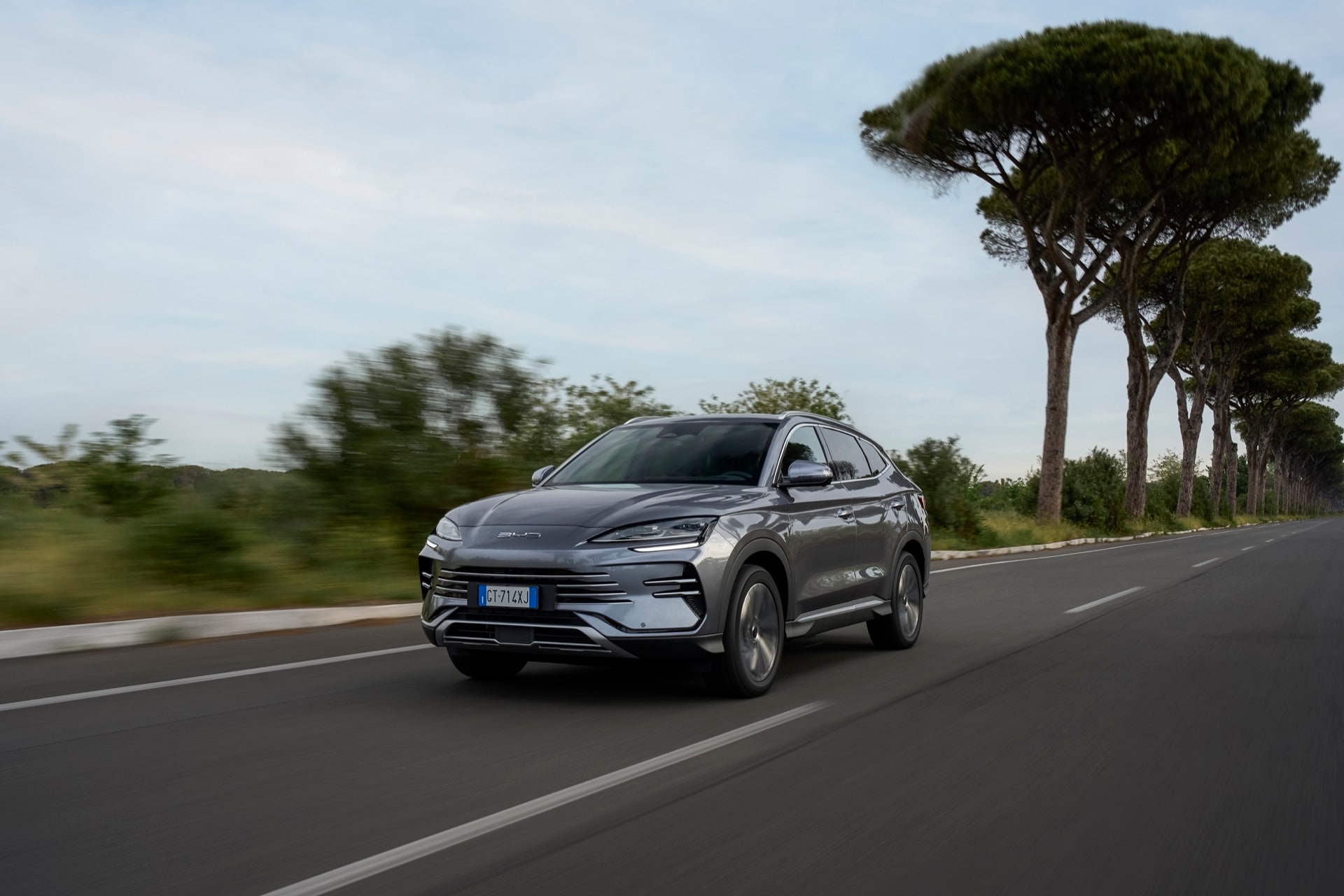
A family PHEV SUV only makes sense if you plug it in. It sounds obvious, but every year thousands are sold that spend their entire working life burning petrol while their battery sits there as decoration. The question anyone considering a plug-in hybrid in 2026 should really ask is not “how much power does it have?” but two far more uncomfortable ones: how many electric kilometres does it really do, not on the brochure, and do I have somewhere to charge it every night?
What real-world electric range is and why the WLTP figure misleads you
The WLTP cycle measures electric range under laboratory conditions: mild temperatures, no air conditioning, moderate driving. On real roads, with motorway driving, climate control and a bit of haste, a PHEV loses between 25% and 35% of that approved figure. An SUV that promises 100 electric km may drop to 65-70 real ones in winter. That gap decides whether you get to the office and back without touching the combustion engine, or whether the petrol engine kicks in halfway through the journey and consumption shoots up.
Can you charge at home? The question that decides whether a PHEV suits you
If you have a garage space with a wallbox, or even just an accessible standard socket, a properly sized PHEV can cover 80-90% of your daily trips in pure electric mode. If you have nowhere to charge and rely on public points, the equation changes completely: you end up moving a car of more than 1,900 kg with a flat battery, mediocre self-charging hybrid consumption, and none of the real tax advantages. In that scenario, a conventional hybrid without a plug usually performs better day to day, something we already covered when comparing the real consumption of compact hybrid SUVs.
The 3 family PHEV SUVs to compare in 2026
BYD Seal U DM-i (from 36,900 €)
The one with the most real electric range of the trio, and by a wide margin. Its larger-capacity battery allows around 80-85 real km in town, enough for many users not to touch the petrol engine during the week.
| Power | WLTP electric range | Electric consumption | Label | Fuel |
|---|---|---|---|---|
| 238 CV (175 kW) | 105 km | 17.9 kWh/100 km | CERO | PHEV |
Mitsubishi Outlander PHEV (from 45,900 €)
The most versatile for large families: it is the only one of the three offering an optional third row, although for occasional use. Its all-wheel drive with two electric motors on the axles makes it safer on wet roads than its front-wheel-drive rivals.
| Power | WLTP electric range | Combined consumption | Label | Fuel |
|---|---|---|---|---|
| 249 CV (183 kW) | 84 km | 1.5 l/100 km | CERO | PHEV |
Volvo XC60 Recharge T6 (from 59,900 €)
The fastest and the one that behaves best as a long-distance road SUV, with a chassis that absorbs road joints better and soundproofing that puts its two Asian rivals to shame. It does cost 62% more than the BYD, a difference that has to be justified by more than the badge.
| Power | WLTP electric range | Label | Fuel |
|---|---|---|---|
| 350 CV (257 kW) | 81 km | CERO | PHEV |
Other options in the segment worth keeping on your radar, although not covered in depth in this comparison, are the Kia Sportage PHEV (from 44,900 €, WLTP electric range of around 65 km) and the Jaecoo 7 PHEV (from 35,500 €, aimed at those seeking high equipment for little money). None of them surpasses the BYD in real electric range.
Summary comparison table
| Model | Power | WLTP electric range | Price from | Warranty | Score |
|---|---|---|---|---|---|
| BYD Seal U DM-i | 238 CV | 105 km | 36,900 € | 6 years / 150,000 km | 8.5/10 |
| Mitsubishi Outlander PHEV | 249 CV | 84 km | 45,900 € | 5 years / 100,000 km | 7.8/10 |
| Volvo XC60 Recharge T6 | 350 CV | 81 km | 59,900 € | 3 years / no km limit | 7.9/10 |
Where each model wins
The BYD clearly wins on electric range and price: it is, by far, the one that can accumulate the most CERO km without visiting a petrol station. The Outlander wins on family practicality, with that third row that neither the Volvo nor the BYD offers, and on standard all-wheel drive. The Volvo wins on dynamics, finish and behaviour on long motorway stretches, terrain where the other two fall a little short on soundproofing.
Verdict: which family PHEV SUV to choose based on your situation
If you have a wallbox at home and mostly make urban and short-distance trips, the BYD Seal U DM-i is the option that makes most sense: its real electric range covers most days without the petrol engine coming into play, and it costs 38% less than the Volvo. If you occasionally need seats for seven and make mixed trips with motorway driving, the Mitsubishi Outlander PHEV offsets its shorter range with real versatility. If budget is not the issue and you prioritise road comfort and finish, the Volvo XC60 Recharge justifies its price, but only if you will make use of its power, not just its CERO label. For anyone without a place to charge, none of the three is worth it compared with an equivalent conventional hybrid.
Frequently asked questions
Is a family PHEV SUV worth it if I don’t have a garage?
In most cases, no. Without regular charging, the PHEV carries a heavy battery without making use of it, and petrol consumption rises above what an equivalent conventional hybrid would show.
Which family PHEV SUV has the most real electric range in 2026?
The BYD Seal U DM-i, with an approved range of 105 km WLTP which in real urban use translates into 75-85 km, the highest figure in this comparison.
Does a family PHEV SUV always qualify for the CERO label?
Not necessarily: the DGT requires a minimum electric range of 40 km WLTP to qualify for the CERO label. All three models in this article clear that comfortably.
Are there public grants to buy a family PHEV SUV?
Yes, through the Plan Auto+, which provides aid for plug-in hybrids with a minimum electric range. Amounts and conditions vary, so always check the official plan website before closing the purchase.
