


Choosing a hybrid C-SUV in 2026 is no longer an act of faith in whichever brand the dealership pushes hardest. It is a calculation with three variables: how much you spend on city driving during the week, how well it copes on the motorway at weekends with the family and luggage loaded up, and how much you are willing to pay upfront to avoid nasty surprises later. We have ranked the five models that best solve that calculation, with spec-sheet data and nuances that only show up after driving them with kids in the back and the boot full.
Before getting into the ranking, it is worth being clear about how you really split your driving between city and road: a conventional hybrid is not the same as one with an e-Power-type generator, and the difference shows up in real-world consumption more than in the WLTP figure. We already explained this in detail in how to choose a family hybrid SUV based on the real split between urban and motorway kilometres.
1. Toyota RAV4 Hybrid, from €39,900: the most reliable for long road trips
The RAV4 Hybrid has been the benchmark in its segment for over a decade, and in 2026 it still performs without a hitch on the motorway with a full load. Its 2.5-litre hybrid delivers 218 CV in the front-wheel-drive version, with a combustion engine that does not labour when pushing past 120 km/h, something not all of its rivals manage. The 580-litre boot comfortably takes two large suitcases and the children’s pushchair.
| Power | WLTP consumption | Boot | Label | Fuel | Warranty |
|---|---|---|---|---|---|
| 160 kW / 218 CV | 5.4 l/100 km | 580 L | ECO | Hybrid | 5 years (extendable to 10 with servicing) |
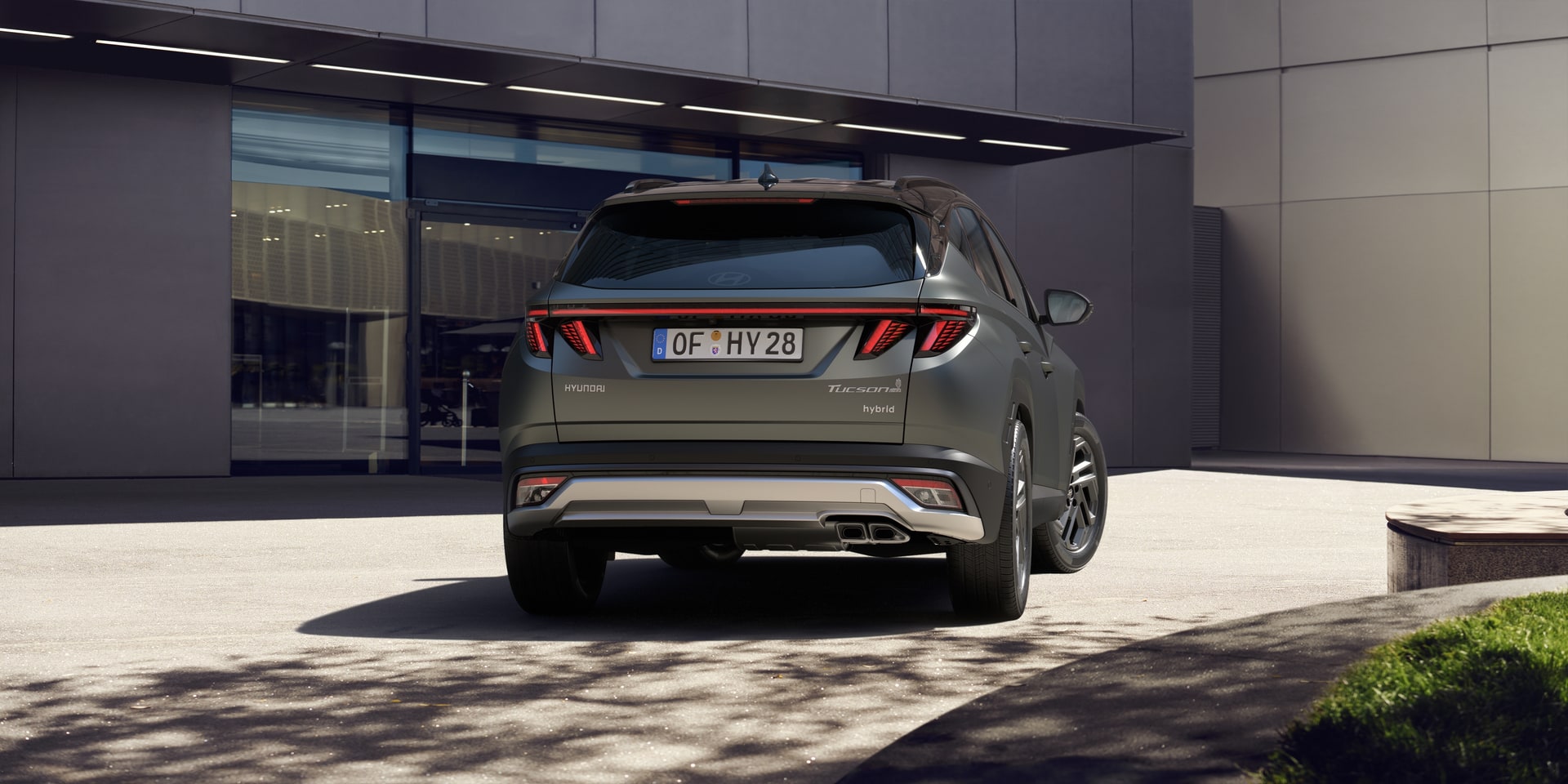
2. Hyundai Tucson Hybrid, from €36,900: the largest boot and the longest warranty
The Tucson Hybrid wins on two very specific counts: 616 litres of boot space, the largest in the group, and five years of warranty with no mileage limit, something neither Toyota nor Honda matches under their standard conditions. Its 1.6 T-GDI hybrid producing 230 CV is the most powerful of the five, which is welcome when overtaking with the family on board. That said, consumption in dense city traffic climbs a little faster than the Symbioz’s when the traffic gets heavy.
| Power | WLTP consumption | Boot | Label | Fuel | Warranty |
|---|---|---|---|---|---|
| 169 kW / 230 CV | 5.6 l/100 km | 616 L | ECO | Hybrid | 5 years with no mileage limit |
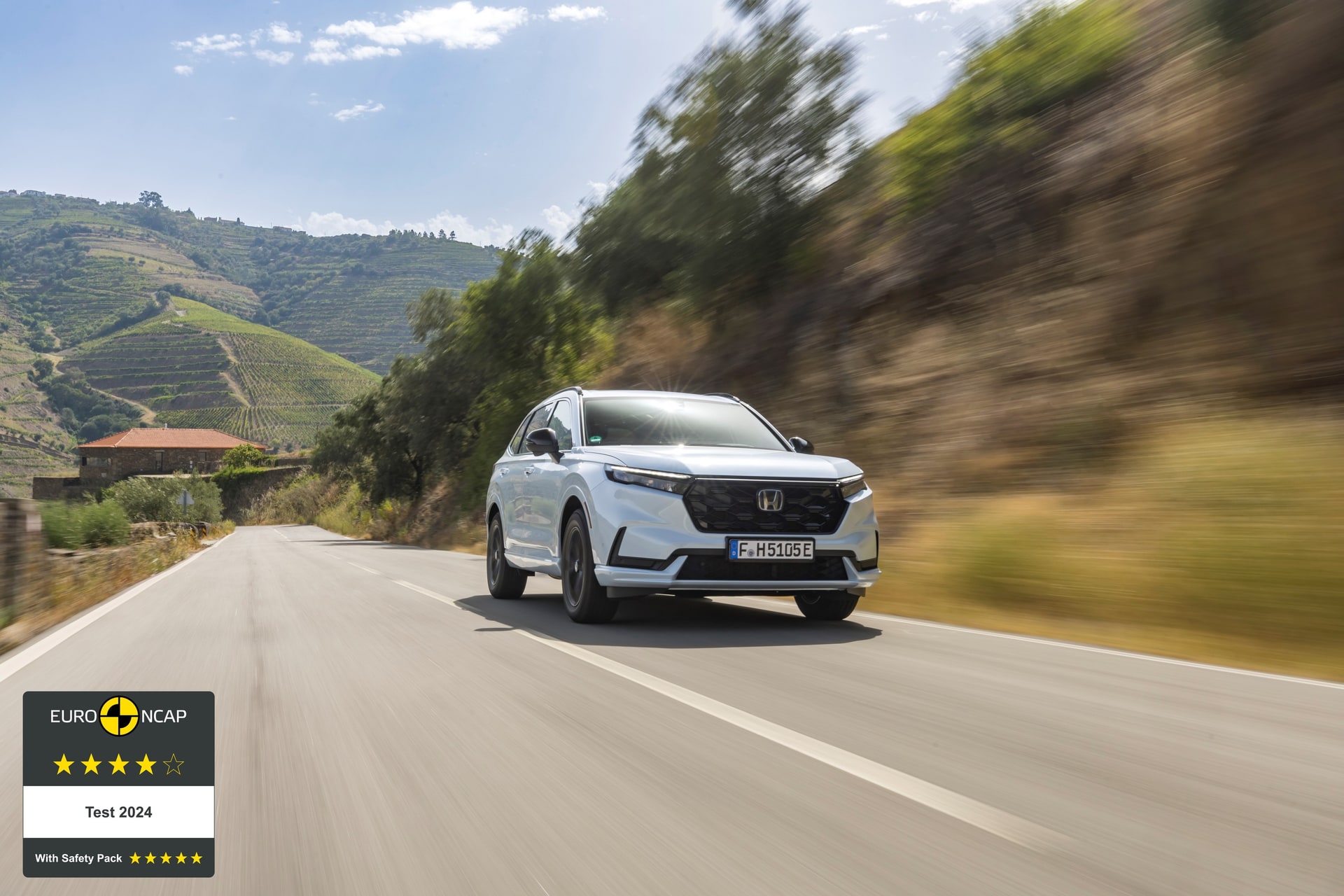
3. Honda CR-V Hybrid, from €42,900: the quietest for long journeys
If the criterion is acoustic comfort on a 600-kilometre journey, the CR-V Hybrid wins on distance. Its 184 CV e:HEV system prioritises the electric motor in more situations than its rivals, and that translates into a noticeably quieter cabin on the motorway. The price, €42,900 to start, is the highest on the list, and that is its real problem: it asks 43% more than the Symbioz for a car that does not offer clear advantages in everyday urban driving.
| Power | WLTP consumption | Boot | Label | Fuel | Warranty |
|---|---|---|---|---|---|
| 135 kW / 184 CV | 6.0 l/100 km | 589 L | ECO | Hybrid | 3 years/100,000 km |
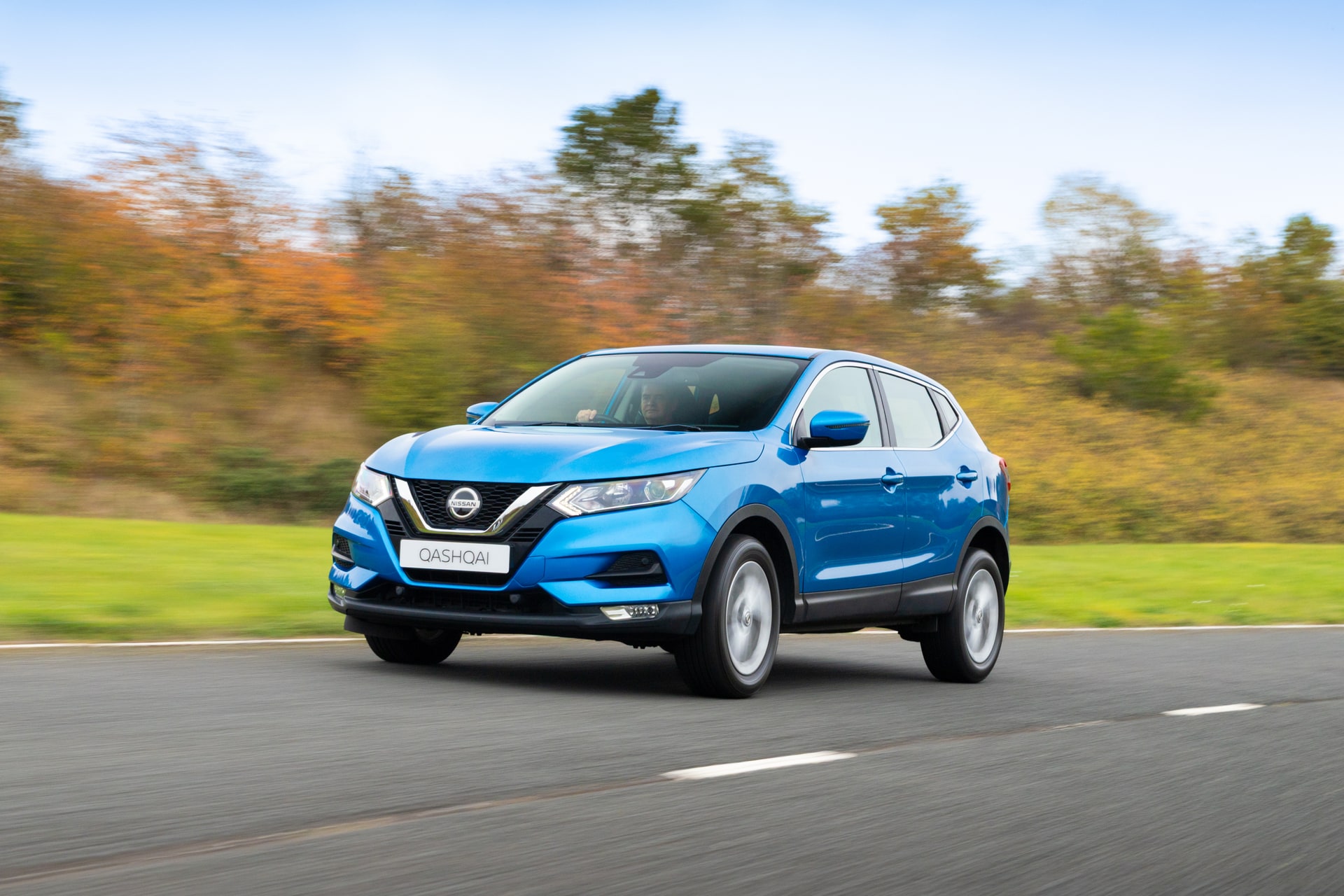
4. Nissan Qashqai e-Power, from €33,900: the best to drive in the city
The e-Power is, in practice, an electric car with a petrol generator on board: the combustion engine never drives the wheels, it only recharges the battery, so response in the city is instant and free of the jerkiness of a CVT gearbox. This is especially noticeable at roundabouts and chained traffic lights. The 504-litre boot falls short of the Tucson or the RAV4 if you travel four people with full luggage.
| Power | WLTP consumption | Boot | Label | Fuel | Warranty |
|---|---|---|---|---|---|
| 140 kW / 190 CV | 5.3 l/100 km | 504 L | ECO | Hybrid | 3 years/100,000 km |
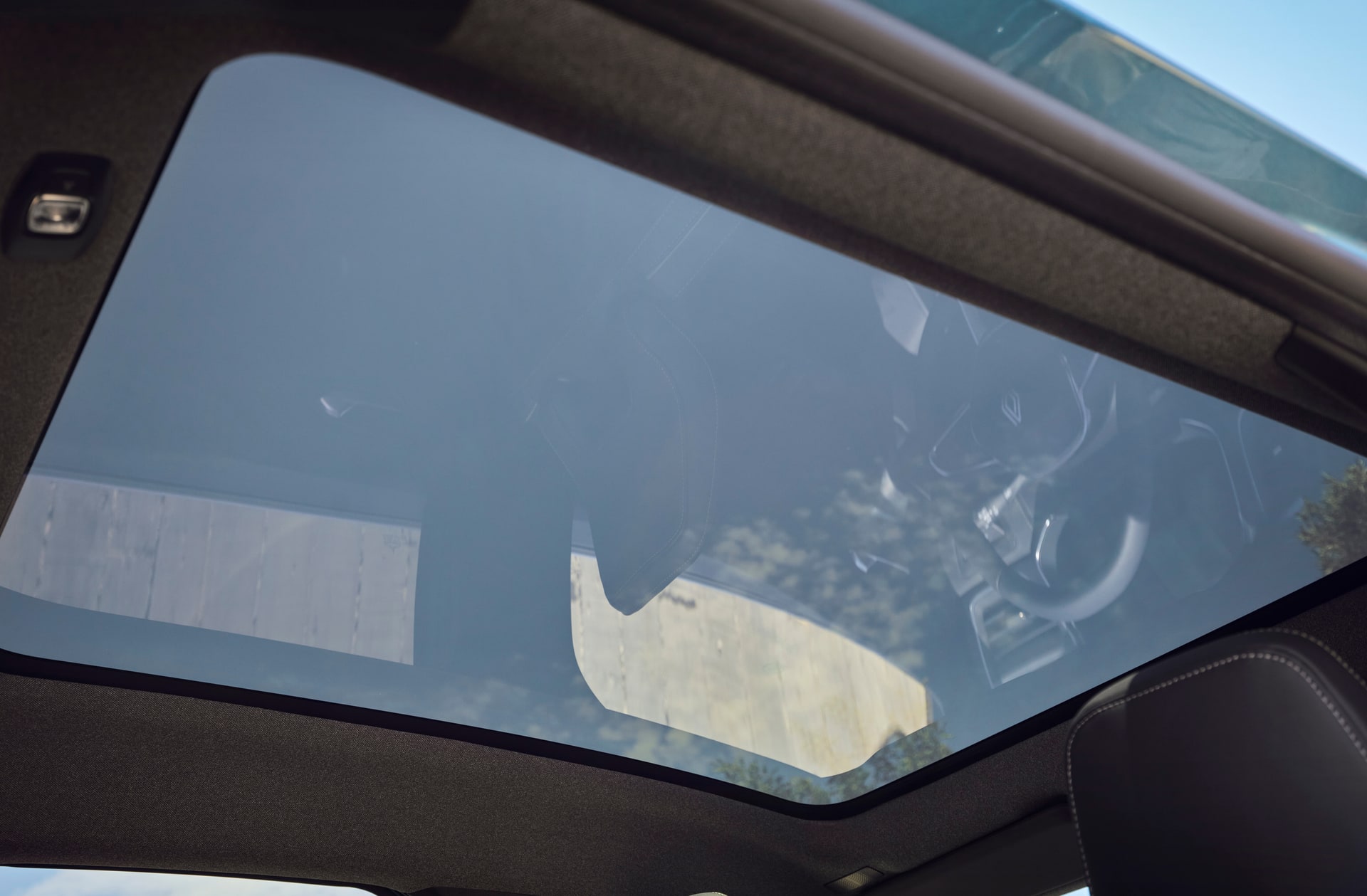
5. Renault Symbioz, from €29,900: the cheapest and the one that consumes least
The Symbioz makes the ranking for a weighty reason: it costs 25% less than the Tucson and 30% less than the CR-V, and yet it posts the lowest WLTP consumption of the five, 4.9 l/100 km. Its 1.6-litre full hybrid producing 145 CV does not impress on power, and you notice it when overtaking loaded lorries, but for a family that does more city than road driving it is the one that best fits the budget.
| Power | WLTP consumption | Boot | Label | Fuel | Warranty |
|---|---|---|---|---|---|
| 107 kW / 145 CV | 4.9 l/100 km | 492 L | ECO | Hybrid | 5 years/100,000 km |
Comparison table: the 5 family hybrid C-SUVs of 2026 head to head
| Model | Price from | Power | Boot | WLTP consumption | Warranty | Score |
|---|---|---|---|---|---|---|
| Toyota RAV4 Hybrid | €39,900 | 218 CV | 580 L | 5.4 l/100 km | 5-10 years | 8.7 |
| Hyundai Tucson Hybrid | €36,900 | 230 CV | 616 L | 5.6 l/100 km | 5 years | 8.5 |
| Honda CR-V Hybrid | €42,900 | 184 CV | 589 L | 6.0 l/100 km | 3 years | 7.6 |
| Nissan Qashqai e-Power | €33,900 | 190 CV | 504 L | 5.3 l/100 km | 3 years | 8.0 |
| Renault Symbioz | €29,900 | 145 CV | 492 L | 4.9 l/100 km | 5 years | 7.9 |
Verdict: which hybrid C-SUV to choose based on your use case
For a family that makes long journeys regularly and does not want to think about the car for a decade, the Toyota RAV4 Hybrid is the safest bet: a proven engine, a generous boot and a warranty that, with servicing at an official network, reaches ten years.
If boot space trumps everything else, because there is a pushchair, bags and a dog all at once, the Hyundai Tucson Hybrid wins that battle with its 616 litres, and it does so with the most powerful engine of the five.
For city driving with constant stops and no desire to feel gearbox jerks, the Nissan Qashqai e-Power convinces with its pure electric response, although some boot space has to be sacrificed.
And if the priority is spending less upfront and less each month at the pump, the Renault Symbioz offers the best price-to-consumption ratio, with 25-30% less outlay upfront than the CR-V or the Tucson, a difference that falls squarely within the 15% rule of this analysis. The Honda CR-V Hybrid is for those who value silence on the road above price, a more niche profile but a real one.
Before signing, it is worth checking whether your purchase can benefit from the current Plan Auto+, whose exact amount should be confirmed on the official website before closing your budget. And if your real doubt lies between two of these five specific models, our comparison Toyota RAV4 Hybrid vs Honda CR-V Hybrid vs Nissan X-Trail e-Power goes into even more detail on mixed city-and-road use.
Frequently asked questions
Which hybrid C-SUV has the lowest real-world consumption in the city in 2026?
The Nissan Qashqai e-Power and the Renault Symbioz perform best in dense traffic, because they prioritise electric traction when starting off and braking. The Symbioz also has the lowest combined WLTP consumption of the five, at 4.9 l/100 km.
Which hybrid C-SUV has the largest boot for long journeys?
The Hyundai Tucson Hybrid, with 616 litres, ahead of the Honda CR-V Hybrid (589 L) and the Toyota RAV4 Hybrid (580 L).
Is it worth paying more for the Toyota RAV4 Hybrid over the Renault Symbioz?
It depends on your use. If you do a lot of motorway driving and want long-term reliability, yes: the RAV4 offers more power, more boot space and a warranty extendable to ten years. If your use is mostly urban, the Symbioz covers the same service for 25% less.
Are all these models plug-in hybrids?
No. All five are conventional hybrids (HEV) that do not need plugging in, which simplifies daily use compared with a PHEV and keeps the DGT ECO label in every case.
