

Same engine, same battery, almost the same car underneath the bodywork. And yet there is a 4,000 euro difference at the starting price between two models that share the MQB Evo platform and even the cell supplier. This isn’t about which one has better engineering, because the engineering is the same. It’s about how much you are willing to pay for the character, the feel and the name on the bonnet.
The Cupra Leon e-Hybrid and the Volkswagen Golf eHybrid both start from the same 1.5 TSI 204 CV block combined with an electric motor and a 25.5 kWh battery. But the tuning, the energy management electronics and the differently distributed weight make the homologated figures diverge somewhat more than you would expect between siblings from the same family.
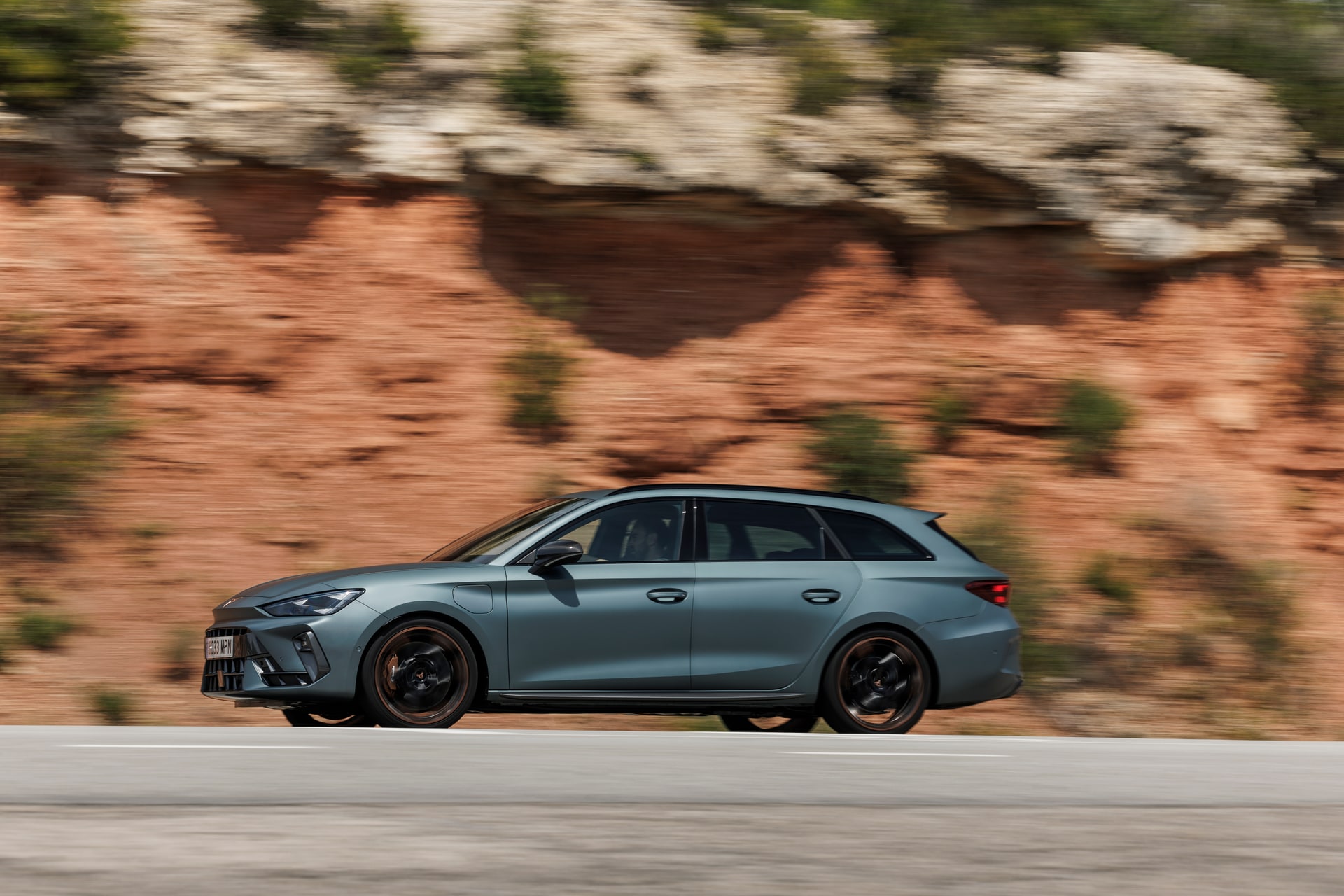
Cupra Leon e-Hybrid: starting price from ≈44,600 € and what it offers
The Leon e-Hybrid opts for a sportier character, firmer suspension tuning and styling that sets it apart from the Golf at first glance: darkened grille, specific alloy wheels, interior with more pronounced bucket seats. The homologated electric range is around 130 km, a figure more than enough for most daily journeys if you charge at home every night.
| Version | Power | Top speed | Electric range | Consumption | CO₂ emissions | Fuel |
|---|---|---|---|---|---|---|
| Cupra Leon e-Hybrid 1.5 204 DSG6 | 150 kW / 200 CV | ≈220 km/h | ≈130 km | ≈1.5 l/100 km | ≈30 g/km | PHEV (petrol/electric) |
Where the Leon clearly wins is in the feeling behind the wheel: the chassis responds with more eagerness in corners, and the exhaust sound, although muffled by the hybrid operation, keeps some of the character one would expect from the brand. For anyone who values the emotional side of driving, this is not a minor nuance.
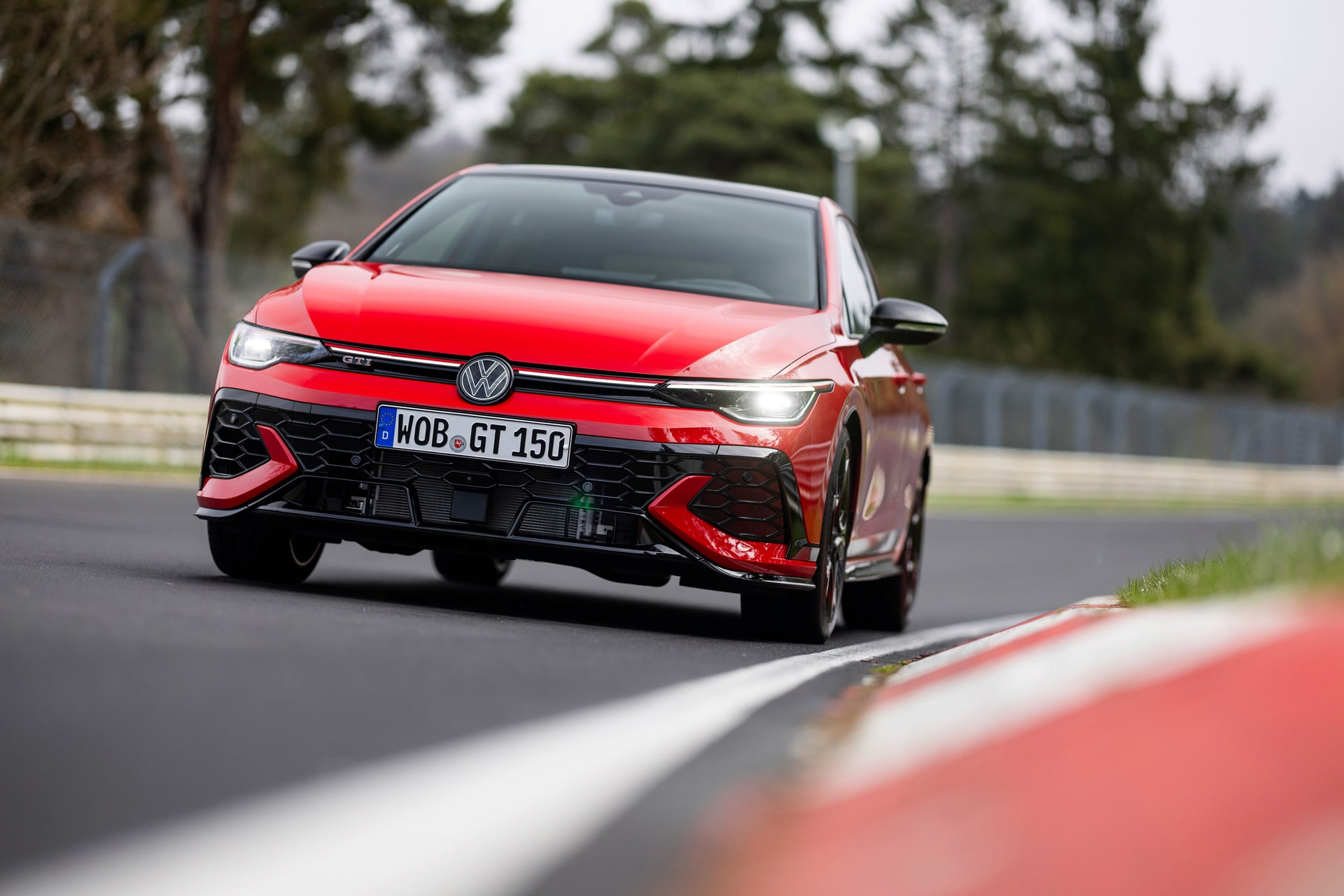
Volkswagen Golf eHybrid: starting price from ≈40,600 € and what it offers
The Golf eHybrid, in its Match trim, plays the opposite card: discretion, comfortable ride and a homologated electric range somewhat higher, around 140 km. Combined consumption drops to close to 1 l/100 km on the WLTP cycle, one tenth less than the Leon which, added to the extra electric mileage, translates into fewer visits to the petrol station if your daily route is between 40 and 60 km.
| Version | Power | Top speed | Electric range | Consumption | CO₂ emissions | Fuel |
|---|---|---|---|---|---|---|
| Volkswagen Golf eHybrid 1.5 TSI 204 Match DSG6 | 150 kW / 200 CV | ≈220 km/h | ≈140 km | ≈1 l/100 km | ≈30 g/km | PHEV (petrol/electric) |
The Golf’s interior feels a little more sober than the Leon’s, but also more functional: the menus of the multimedia system are practically identical (they share the software platform), although the suspension calibration prioritises comfort over precision. If what you need is to cover motorway kilometres without the car reminding you of every bend, this is where it shows.
Electric range and consumption: which one performs better day to day
The 10 km homologated difference between the Leon’s 130 and the Golf’s 140 is not a minor detail if your daily commute is around 50-60 km: the Golf leaves you more margin to complete the entire journey in electric mode without drawing on petrol. The combined consumption also slightly favours the Golf, with its 1 l/100 km against the Leon’s 1.5, although in real use with the battery depleted both cars behave almost identically, because the combustion engine is the same.
Design, equipment and character: where the brand difference shows
This is where each buyer leans towards one brand or another, more than towards a technical sheet. The Leon offers more expressive design, with copper-coloured details and an interior atmosphere that seeks to differentiate it from the rest of the group. The Golf, in its eighth generation, opts for a more timeless language, designed not to tire after five or seven years of use. Neither is objectively better on this point: it is a question of what you want people to think of you when you park outside your workplace.
Full comparison table
| Model | Power | Electric range | Consumption | Starting price | Score |
|---|---|---|---|---|---|
| Cupra Leon e-Hybrid 1.5 204 DSG6 | 150 kW / 200 CV | ≈130 km | ≈1.5 l/100 km | ≈44,600 € | 7.8/10 |
| Volkswagen Golf eHybrid 1.5 TSI 204 Match DSG6 | 150 kW / 200 CV | ≈140 km | ≈1 l/100 km | ≈40,600 € | 8.3/10 |
Prices are the manufacturer’s recommended retail price (RRP), without dealer discounts, one-off campaigns or public purchase aid such as the Plan Auto+, which can significantly reduce the final outlay in both cases: always check the current conditions on the official website.
Where each one clearly wins
The Leon wins on dynamic behaviour and design personality, something we had already seen when comparing the Cupra Born against the Volkswagen ID.3: the Spanish brand prioritises emotion over pure rationality. The Golf, for its part, wins on homologated electric range, combined consumption and, above all, price: almost 10% cheaper at entry level, a difference that is not negligible in a segment where every euro counts.
Verdict: which to choose according to your use case
For urban use with daily charging at home and commutes of no more than 60 km round trip: the Golf eHybrid, thanks to its higher electric range and more modest starting price. For those who value sporty driving and are willing to pay a little more for character and distinctive design: the Leon e-Hybrid. In terms of car-to-price ratio, the Golf takes the point: same powertrain, more electric range and 4,000 euros less at the starting price is a difficult equation to argue against, unless the Leon wins you over for reasons that don’t fit into a table.
Frequently asked questions
Do the Cupra Leon e-Hybrid and the Volkswagen Golf eHybrid share the same powertrain?
Yes, both use the same 1.5 TSI 204 CV set combined with an electric motor and a 25.5 kWh battery. The difference lies in the calibration, the weight and the energy management software.
Which one has more real-world electric range?
The Golf eHybrid homologates around 140 km against the Leon e-Hybrid’s 130 km. In real use, both fall within similar ranges depending on driving style and climate control.
Is it worth paying more for the Cupra Leon e-Hybrid?
It depends on how much you value design and sporty feel. On range, consumption and price, the Golf eHybrid comes out ahead.
Are there public grants to buy these PHEVs in 2026?
Yes, through the Plan Auto+, which provides aid for electrified vehicles. It is advisable to check the exact amounts and requirements on the official website before closing the purchase.

3 Comments
Pingback: Cupra Terramar e-Hybrid vs Volkswagen Tiguan eHybrid: qué SUV-C PHEV del grupo VW convence más para uso mixto ciudad-viaje – Comparativa de Coches
Pingback: Cupra Leon e-Hybrid review: hasta dónde llega el compacto PHEV deportivo como coche único para uso mixto en 2026 – Comparativa de Coches
Pingback: Ford Kuga PHEV vs Cupra Formentor e-Hybrid: qué SUV-C híbrido enchufable aguanta mejor el uso diario urbano y los viajes largos – Comparativa de Coches