

An electric car’s WLTP figure is useful for comparing brochures, but on the motorway at 120 km/h it drops by between 25% and 35% depending on the model. If your usual journey includes motorway kilometres (commuting along a fast road, or weekend getaways), what matters is not the homologated figure but what the car actually does with the air conditioning on and the speedometer fixed at 120. We have compared five electric compacts on sale in Spain for under €40,000 before subsidies, keeping an eye on real consumption on the motorway and on the final price after the Plan Auto+.
How we measure real-world motorway range
We do not use the WLTP figure as it stands. We start from the consumption measured at 120 km/h with climate control active, which is the scenario that really drains the battery on the road, and cross it with the usable capacity of each pack. The result is an effective range that typically falls between 60 and 75 km below the homologated figure, depending on each car’s aerodynamics and weight. DC charging power and the real time needed to recharge from 10% to 80% also matter, because a compact with good range but slow charging loses all its advantage at a refuelling stop.
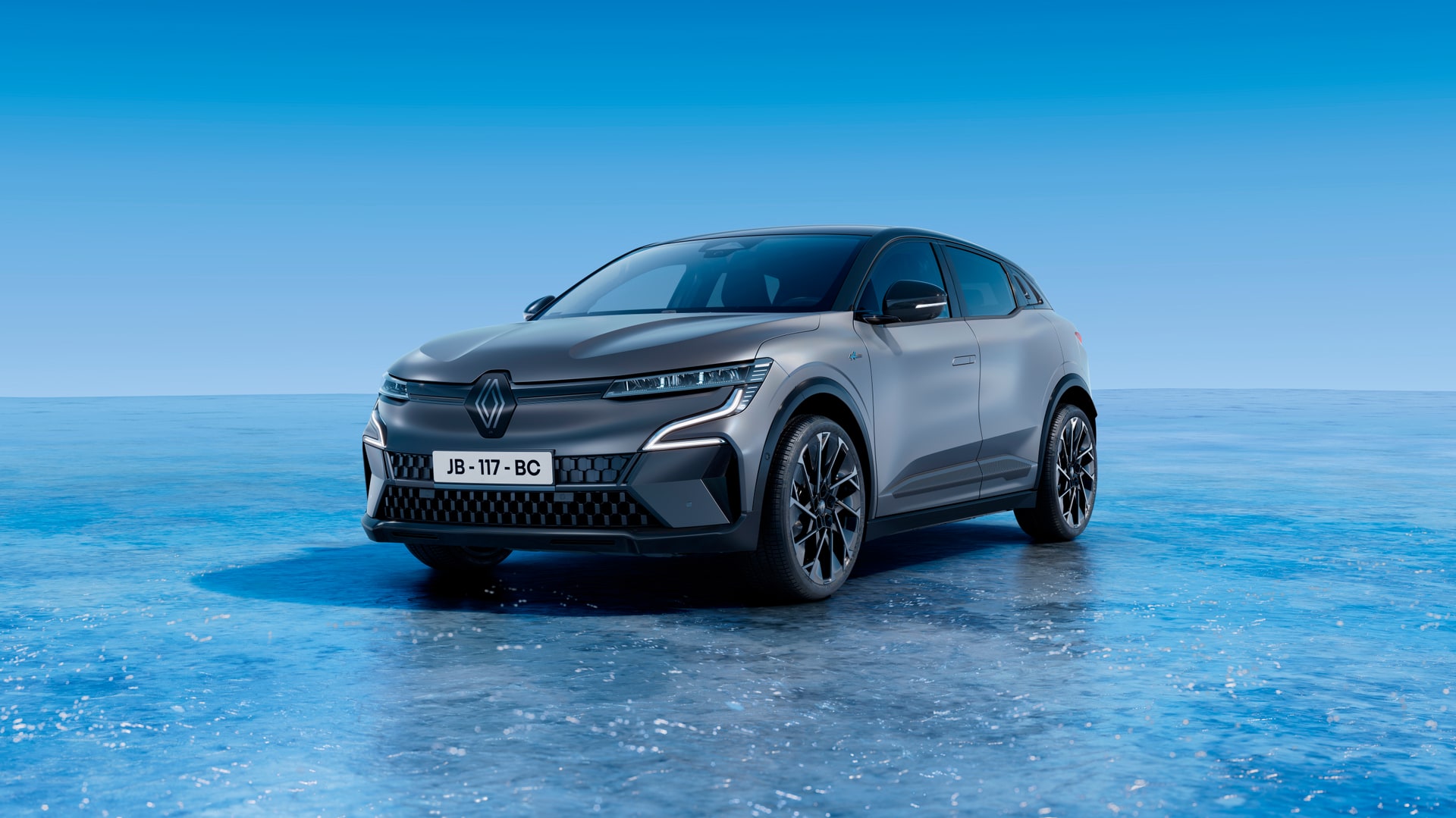
1. Renault Megane E-Tech — from €35,900
Of the five, the Megane E-Tech is the one that best balances aerodynamics and battery capacity. With 60 kWh of usable battery and a body engineered to minimise the drag coefficient, its motorway consumption stays restrained even above 120 km/h. It is the strongest candidate if your journey is mostly on fast roads and you want to stop as little as possible.
| Power | Real motorway range | Consumption at 120 km/h | Peak DC charging | Time 10-80% | Battery | Price from | Warranty |
|---|---|---|---|---|---|---|---|
| 160 kW / 218 CV | ~310 km | 19.3 kWh/100 km | 130 kW | ~30 min | 60 kWh | €35,900 | 5 years / unlimited km |
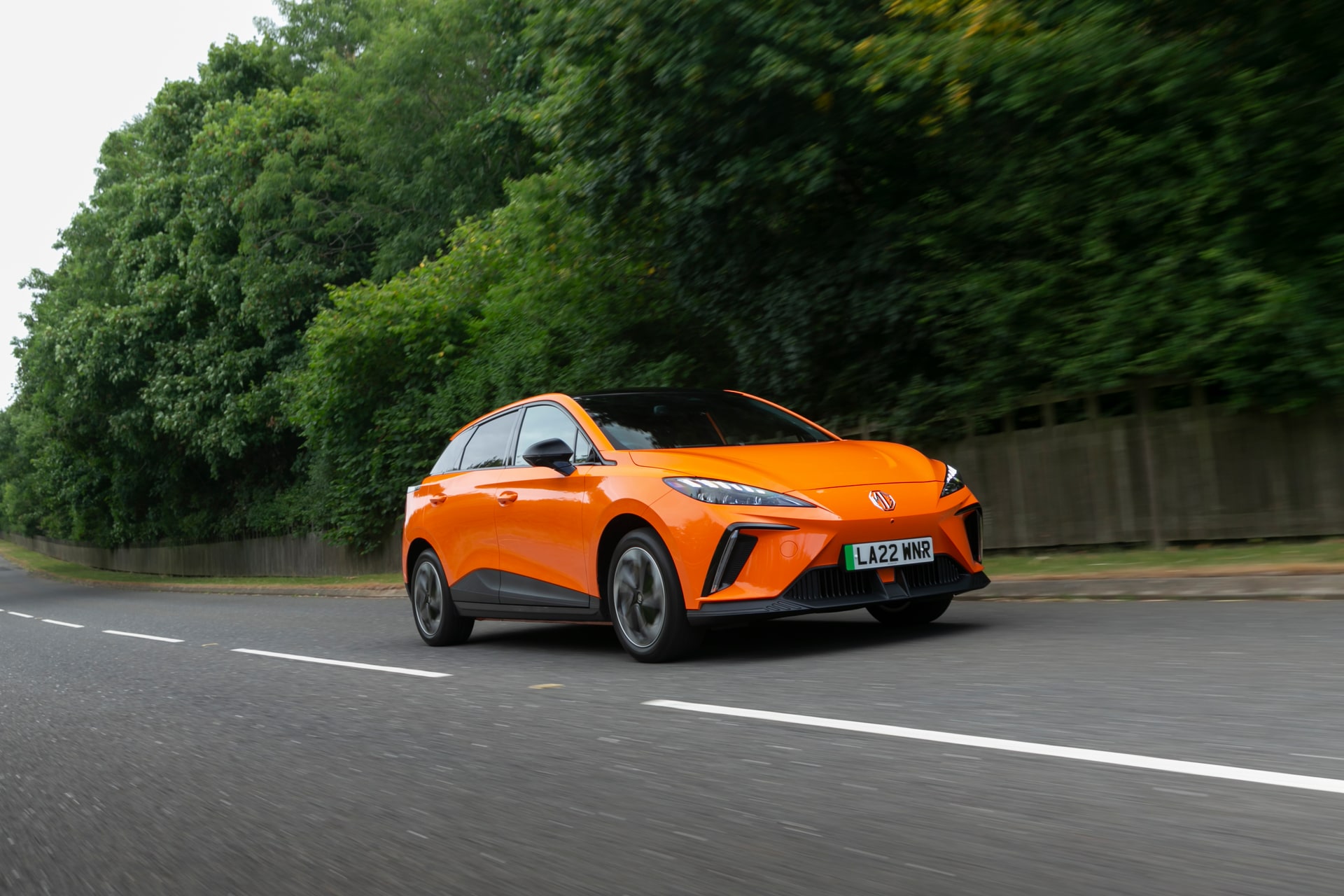
2. MG4 — from €29,990
The MG4 in its Long Range version is, with no real competition in this group, the one that offers the most real kilometres per euro invested. With a 64 kWh battery and an entry price almost €6,000 below the rest, its range-to-price ratio is the best in the segment. Its DC charging does drop to 135 kW peak, which on long trips with several stops does show on the clock.
| Power | Real motorway range | Consumption at 120 km/h | Peak DC charging | Time 10-80% | Battery | Price from | Warranty |
|---|---|---|---|---|---|---|---|
| 150 kW / 204 CV | ~320 km | 20.1 kWh/100 km | 135 kW | ~35 min | 64 kWh | €29,990 | 7 years / 150,000 km |
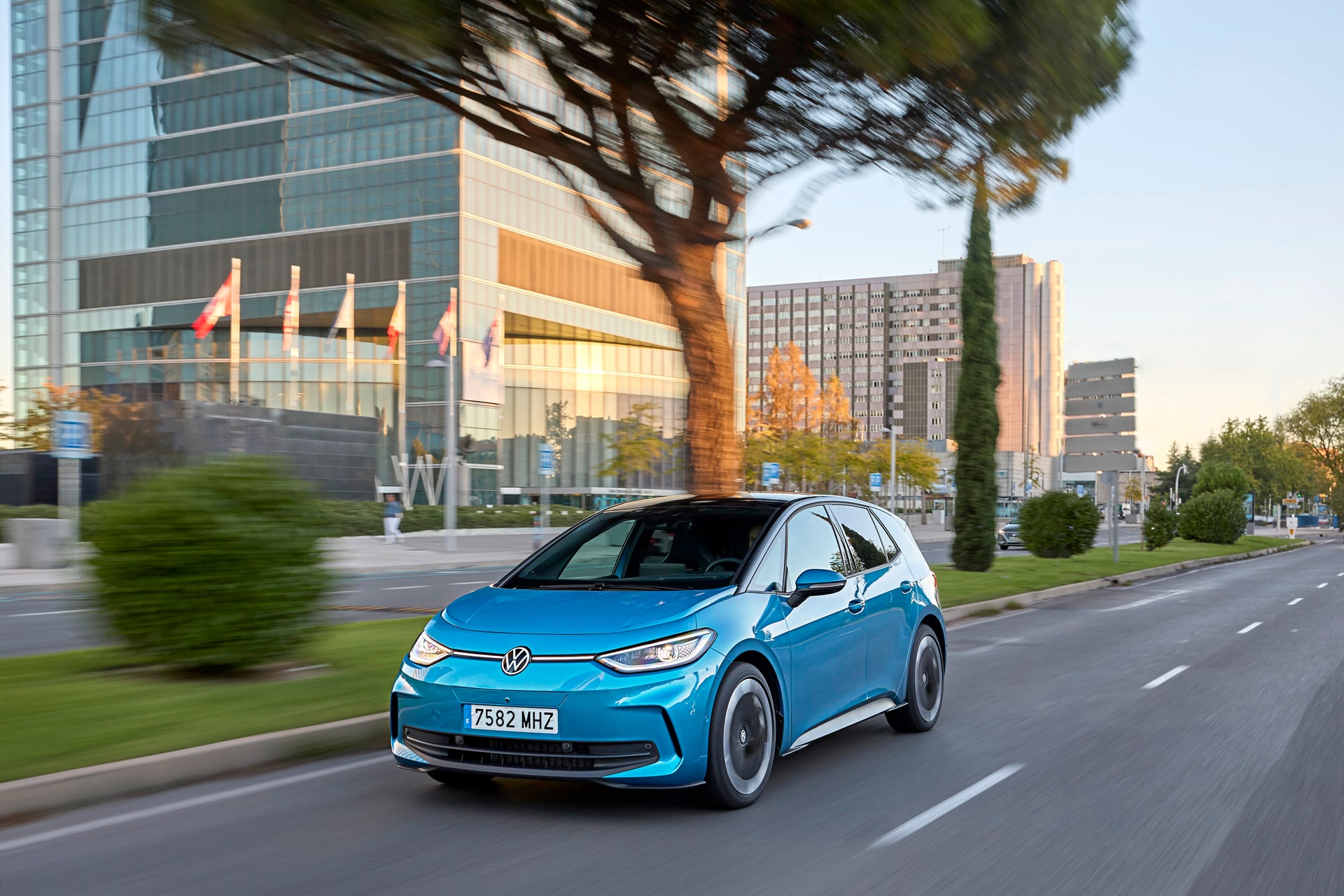
3. Volkswagen ID.3 — from €36,740
The ID.3 in its Pro trim with 59 kWh combines fast charging at 170 kW, among the highest in the group, with competitive motorway consumption. It is not the one that offers the most real range, but it recovers minutes at every stop thanks to that charging power, which on a 600 km journey matters more than five extra kilometres of range.
| Power | Real motorway range | Consumption at 120 km/h | Peak DC charging | Time 10-80% | Battery | Price from | Warranty |
|---|---|---|---|---|---|---|---|
| 150 kW / 204 CV | ~295 km | 19.8 kWh/100 km | 170 kW | ~26 min | 59 kWh | €36,740 | 3 years / 100,000 km (battery 8 years/160,000 km) |
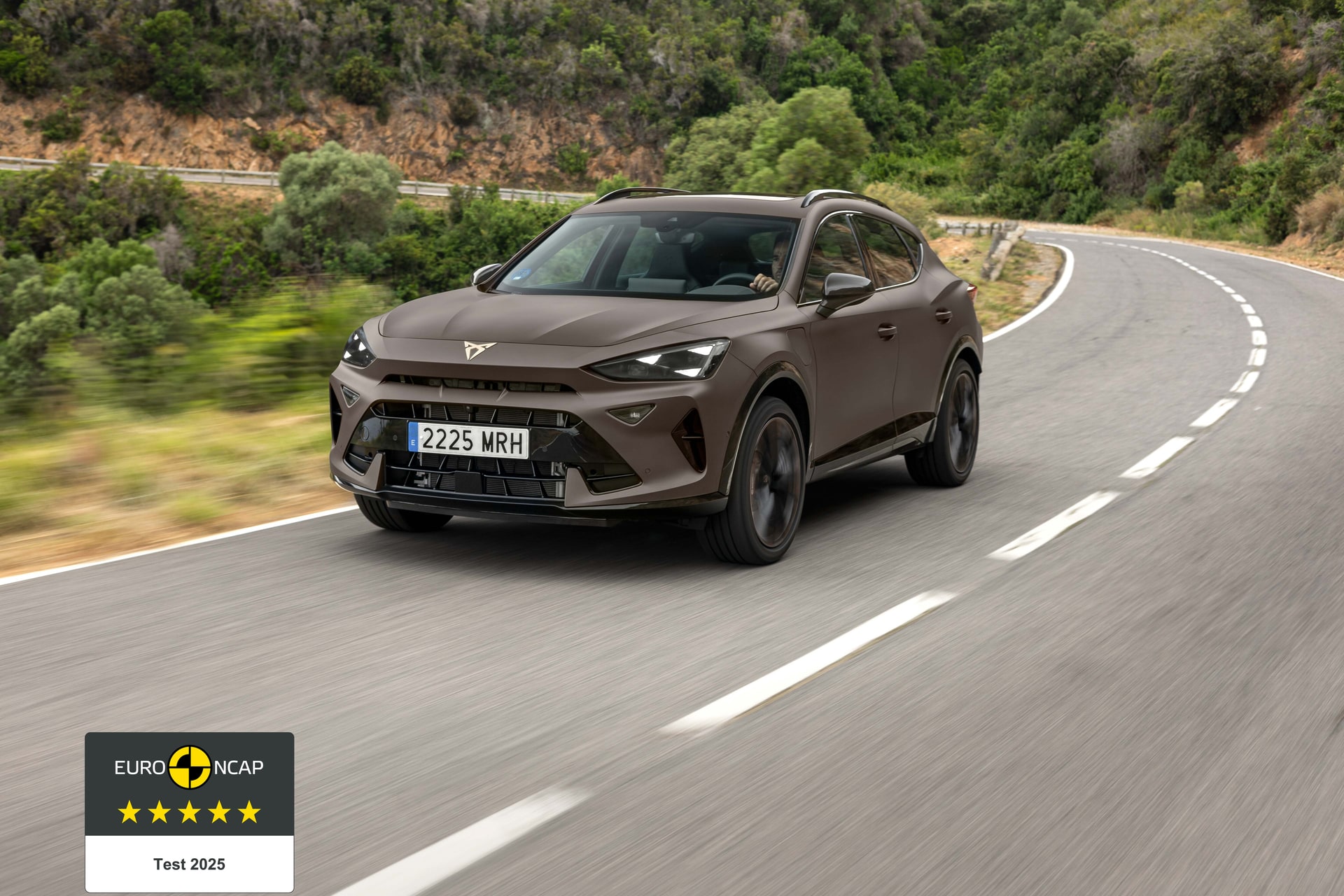
4. Cupra Born — from €37,990
It shares its platform and battery with the ID.3, but the firmer suspension tuning and similar weight mean its real motorway consumption is practically identical. What changes is the character: the Born is more eager to be driven, but that does not translate into more kilometres, and its entry price already sits at the €40,000 limit set for this ranking.
| Power | Real motorway range | Consumption at 120 km/h | Peak DC charging | Time 10-80% | Battery | Price from | Warranty |
|---|---|---|---|---|---|---|---|
| 150 kW / 204 CV | ~293 km | 20.0 kWh/100 km | 170 kW | ~26 min | 59 kWh | €37,990 | 3 years / 100,000 km (battery 8 years/160,000 km) |

5. BYD Dolphin — from €29,490
The Dolphin, in its Comfort trim with a 60.4 kWh battery, is the cheapest of the five and holds up well on the motorway thanks to restrained consumption. Its weak point is DC charging, limited to 88 kW peak: during a 20-minute stop it recovers considerably less energy than the rest, which penalises long journeys with frequent refuelling stops.
| Power | Real motorway range | Consumption at 120 km/h | Peak DC charging | Time 10-80% | Battery | Price from | Warranty |
|---|---|---|---|---|---|---|---|
| 150 kW / 204 CV | ~290 km | 19.6 kWh/100 km | 88 kW | ~38 min | 60.4 kWh | €29,490 | 6 years / 150,000 km |
Comparison table of the 5 electric compacts
| Model | Real motorway range | Peak DC charging | Price from | Warranty | Score |
|---|---|---|---|---|---|
| Renault Megane E-Tech | ~310 km | 130 kW | €35,900 | 5 years | 8.3/10 |
| MG4 Long Range | ~320 km | 135 kW | €29,990 | 7 years | 8.6/10 |
| Volkswagen ID.3 Pro | ~295 km | 170 kW | €36,740 | 3 years (battery 8) | 8.0/10 |
| Cupra Born | ~293 km | 170 kW | €37,990 | 3 years (battery 8) | 7.7/10 |
| BYD Dolphin Comfort | ~290 km | 88 kW | €29,490 | 6 years | 7.8/10 |
The price difference between the MG4 and the Cupra Born exceeds 25%, yet real motorway range favours the cheaper car. This is the figure that should most make pause anyone who had already decided on the Born for its looks.
Verdict: which electric compact to choose based on your use
If your priority is to cover the most real kilometres on the motorway at the lowest cost, the MG4 Long Range wins clearly: 320 km of real range at 120 km/h for less than €30,000 is a combination no rival on this list matches. Its 7-year warranty covers much of the uncertainty that comes with a brand with less track record in Spain.
If you travel a lot and stop to charge frequently, the Volkswagen ID.3 is the most sensible choice: it loses about 25 km of range compared with the MG4, but more than makes it up thanks to its 170 kW peak charging, which translates into considerably shorter stops.
For those seeking the best middle ground between range, dynamic behaviour and a mainstream brand, the Renault Megane E-Tech is the most complete: the greatest real range after the MG4, reasonable charging and a price that does not soar.
The Cupra Born only makes sense if sporty character outweighs the kilometre count, because on range and price it trails its ID.3 sibling. And the BYD Dolphin is the most affordable entry point, valid if your real motorway use is occasional and you don’t mind longer charging stops on long journeys.
Frequently asked questions
Which electric compact has the most real motorway range in 2026?
Among the models analysed under €40,000, the MG4 Long Range offers the most real kilometres at 120 km/h, at around 320 km compared with 290-310 km for the rest.
How much does an electric car’s range drop at 120 km/h compared with the WLTP figure?
Depending on the model, between 25% and 35%. A car homologated for 450 km WLTP can settle at around 300-310 real km when driven sustainedly at 120 km/h with climate control active.
What DC charging power should I look for when travelling on the motorway?
Above 130 kW peak, stop time stops being a serious problem. Below 100 kW, as with the BYD Dolphin, charging stops on long journeys become noticeably longer.
Do these prices include the Plan Auto+?
No. The “from” prices shown are RRP before subsidies. The Plan Auto+ can reduce the final outlay by several thousand euros depending on the autonomous community and the current call; check the official website for the updated amount before signing.
