

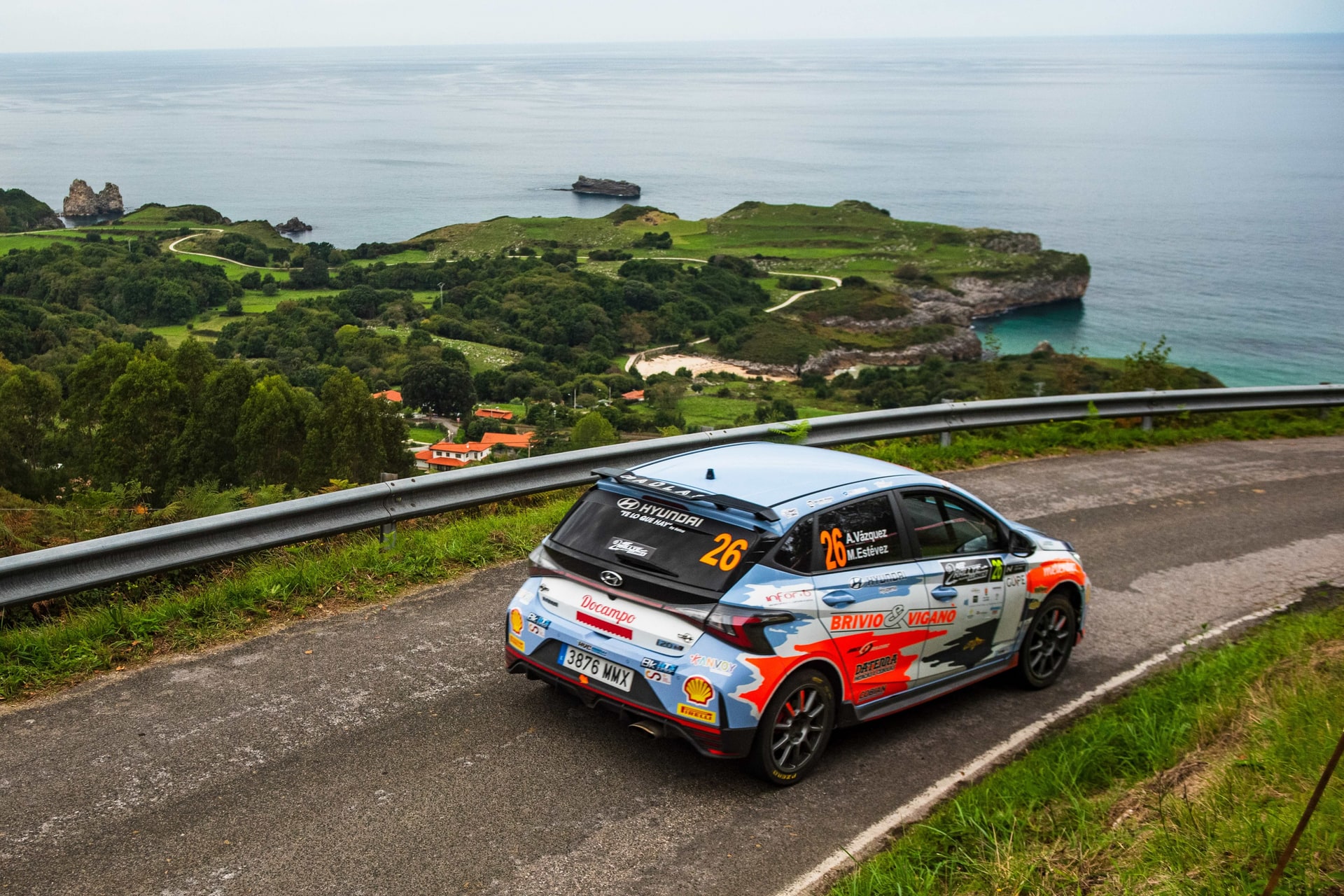
Two cars, the same power on paper and a price gap that is no small matter. If you’re looking at a petrol B-segment city car this year, the Hyundai i20 and the Renault Clio will almost certainly appear on your list. We have put them head to head in their entry-level versions with the 90 CV engine to answer one very specific question: where does your money go and what do you get in return?
Hyundai i20 1.0 TGDi 90 CV Essence: from 21,500 €
The i20 comes with the 90 CV 1.0 TGDi, the Essence trim as its entry point and a price of around 21,500 € RRP. It is the more expensive of the two in this comparison, and that difference weighs on the final decision, but the Korean car makes up for it with a warranty that remains one of the longest in the segment and an interior that feels somewhat more polished than that of the entry-level Clio.
| Engine | Power | Top speed | Consumption | CO₂ emissions | Fuel |
|---|---|---|---|---|---|
| 1.0 TGDi | 70 kW / 90 CV | ≈180 km/h | ≈5.5 l/100 km | ≈130 g/km | Petrol |
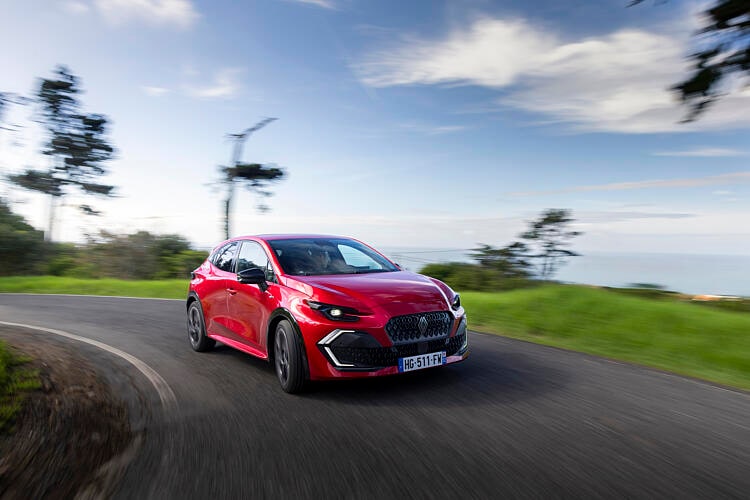
Renault Clio 1.0 TCe 90 CV Evolution MY25: from 18,500 €
The MY25 update of the Clio fits the same 90 CV engine, but in Evolution trim, and it sells for around 18,500 € RRP. That three-thousand-euro difference with the i20 is no minor detail: it is 16% cheaper, just above the threshold that makes it worth mentioning plainly. In addition, the Clio consumes slightly less on the homologated cycle, 5 versus 5.5 l/100 km, and emits 120 g/km of CO₂ compared with the Korean car’s 130.
| Engine | Power | Top speed | Consumption | CO₂ emissions | Fuel |
|---|---|---|---|---|---|
| 1.0 TCe | 70 kW / 90 CV | ≈180 km/h | ≈5 l/100 km | ≈120 g/km | Petrol |
Comparison table Hyundai i20 vs Renault Clio
| Model | Power | Consumption | Emissions | Price from | Score |
|---|---|---|---|---|---|
| Hyundai i20 1.0 TGDi 90 CV Essence | 90 CV | 5.5 l/100 km | 130 g/km | 21,500 € | 7.5/10 |
| Renault Clio 1.0 TCe 90 CV Evolution MY25 | 90 CV | 5 l/100 km | 120 g/km | 18,500 € | 8/10 |
The scores reflect the overall balance between price, consumption and standard equipment in the trim compared, not an exhaustive dynamic assessment.
Where the Hyundai i20 wins
The i20 wins on warranty, an argument that is not minor when we are talking about a car that many buyers plan to keep for eight or ten years. It also feels somewhat better in terms of perceived cabin quality in the entry trim: the plastics in frequently touched areas (steering wheel, door controls) feel a little firmer than in the Clio Evolution. If your priority is to sit back and not think about the car for a decade, the Korean car has the advantage.
Where the Renault Clio wins
The Clio wins on what really moves the needle for many buyers: price. 18,500 € versus 21,500 € is a difference that covers a good comprehensive insurance policy for several years, or lets you finance a substantial part of the car without touching your savings. And on top of that it consumes less and emits less CO₂, which in circulation through low-emission zones is not a cosmetic detail.
Consumption and emissions: the real difference day to day
Half a litre per 100 km does not sound like much until you multiply it by 15,000 km a year. There the Clio recovers part of the i20’s price advantage in the form of savings at the pump, although to be honest, with today’s petrol prices that difference takes years to show up in your bank account. What does weigh immediately is the environmental label, identical in both cases since they are both low-emission petrol cars, so in that respect there is no real distinction for driving into the centre of large cities.
Standard equipment: what each trim includes
The i20’s Essence and the Clio’s Evolution are both entry-level trims, and here it is worth not fooling ourselves: neither is the best-equipped version of its range. Both include air conditioning, a multimedia screen and the safety assistance systems mandatory under European regulations. The difference lies in comfort details (seats, soundproofing), where the i20 has a slight edge, consistent with its higher price.
Price and equipment-to-price ratio
Here lies the core of the question that gives this article its title. If you divide equipment by price, the Clio comes out ahead: it offers practically the same for three thousand euros less. The i20 only justifies its premium if you especially value the extended warranty and that small extra in perceived quality. The prices given are the manufacturer’s recommended RRP, without dealer discounts or special campaigns, so it is worth asking for a real offer before deciding. If your purchase also falls within the conditions of the Plan Auto+, check the official plan website for the current amount before settling on a figure.
Verdict: which petrol B-segment car to choose in 2026
For urban use on a tight budget, the Renault Clio clearly wins: same engine, lower price, lower consumption. For those who prioritise the peace of mind of a long warranty and do not mind paying a little more for a slightly better-finished interior, the Hyundai i20 is the reasonable choice. On equipment-to-price ratio, the winner is the Clio, unambiguously: it offers equivalent performance for 16% less upfront outlay. If your case is “I want the cheapest car that won’t give me mechanical scares for years”, also look at the Hyundai Kona if you need one step more space, although that is already a different category.
Frequently asked questions
Which is cheaper, the Hyundai i20 or the Renault Clio?
The Renault Clio 1.0 TCe 90 CV Evolution starts at an indicative price of 18,500 €, compared with the 21,500 € of the Hyundai i20 1.0 TGDi 90 CV Essence, a difference of around 16%.
Which car consumes less, the i20 or the Clio?
The Clio homologates a consumption of about 5 l/100 km compared with the i20’s 5.5 l/100 km, with CO₂ emissions of 120 and 130 g/km respectively.
Do the Hyundai i20 and the Renault Clio compared here have the same power?
Yes, both fit 90 CV (70 kW) engines and reach a similar top speed, around 180 km/h.
Which offers a better warranty, the i20 or the Clio?
Hyundai has historically offered one of the longest warranties in the segment, which is a significant advantage for anyone planning to keep the car for many years, compared with Renault’s standard warranty.
