

Asking which of these three electric cars "gives the most range" without specifying at what speed is the quickest way to get a nasty surprise at the first charging station. WLTP is measured on a mixed cycle that favours urban stretches and moderate speeds. On a real motorway, at a sustained 120 km/h, with air conditioning on and a bit of headwind, all three lose range noticeably. The question that really matters for a 400 km trip is not "what the spec sheet says", but "how many charging stops will I actually have to make".
Why the WLTP figure misleads on the motorway
The WLTP cycle includes urban phases and gentle acceleration that no driver replicates on a toll road at 130 km/h. At that speed, aerodynamic drag grows exponentially rather than linearly, so consumption spikes exactly where the most kilometres are covered in one go. It is common for an electric car to lose between 20% and 30% of its homologated range when held at a constant motorway speed, compared with a much smaller drop in urban traffic where regenerative braking is frequent. That turns the figure on the spec sheet into a theoretical ceiling, not a promise for the journey.
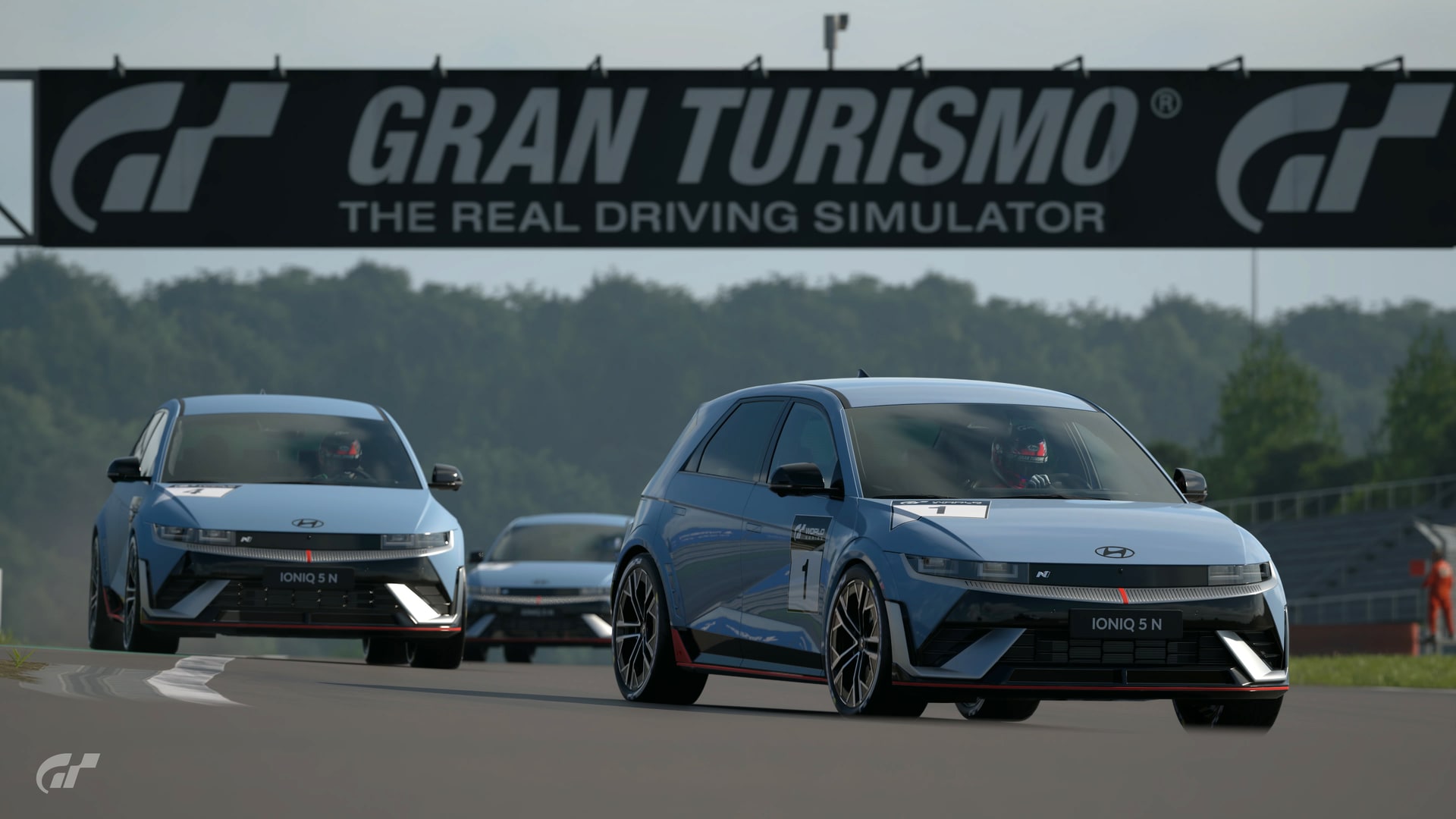
Hyundai IONIQ 5 170 63kWh Light: real-world motorway range
The IONIQ 5 in its 170 63kWh Light version starts from 440 km WLTP with a 63 kWh battery. It is the entry-level engine in the range, with 130 kW (170 CV), enough for everyday use but without the margin of the more powerful trims when it comes to managing consumption at high speed. Its design, with those straight-edged body lines, is not the most favoured in the wind tunnel, and that shows on the motorway: consumption rises more than in a car with smoother shapes.
| Version | Power | Top speed | WLTP range | Battery | Fuel |
|---|---|---|---|---|---|
| IONIQ 5 170 63kWh Light | 130 kW / 170 CV | 190 km/h | 440 km | 63 kWh | Electric |
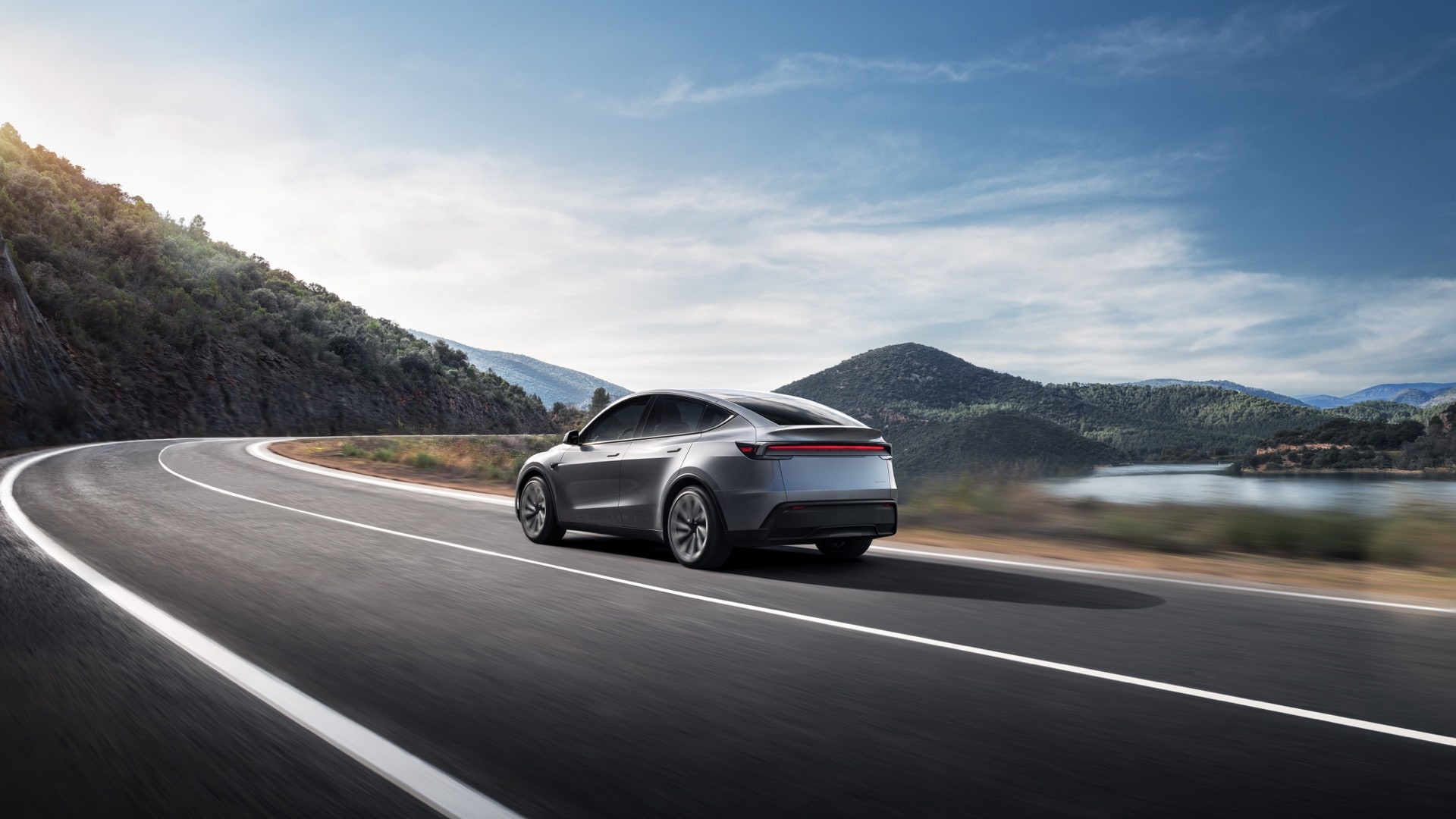
Tesla Model Y 272 60kWh Rear-Wheel Drive: the most efficient at 120 km/h
Here is the surprise of the trio. The Model Y in its 272 60kWh Rear-Wheel Drive version declares 530 km WLTP with a 64 kWh battery, which gives the best kilometres-per-kWh ratio of the three, by a fair margin. And that efficiency is not just on paper: the shape of the car, more aerodynamic than the IONIQ 5 or the Enyaq, translates into more restrained consumption in the scenario that treats electric cars worst, motorway driving at constant speed. With 200 kW (270 CV) and a top speed of 200 km/h, it also does not sacrifice performance for overtaking without stress on the road.
| Version | Power | Top speed | WLTP range | Battery | Fuel |
|---|---|---|---|---|---|
| Model Y 272 60kWh Rear-Wheel Drive | 200 kW / 270 CV | 200 km/h | 530 km | 64 kWh | Electric |
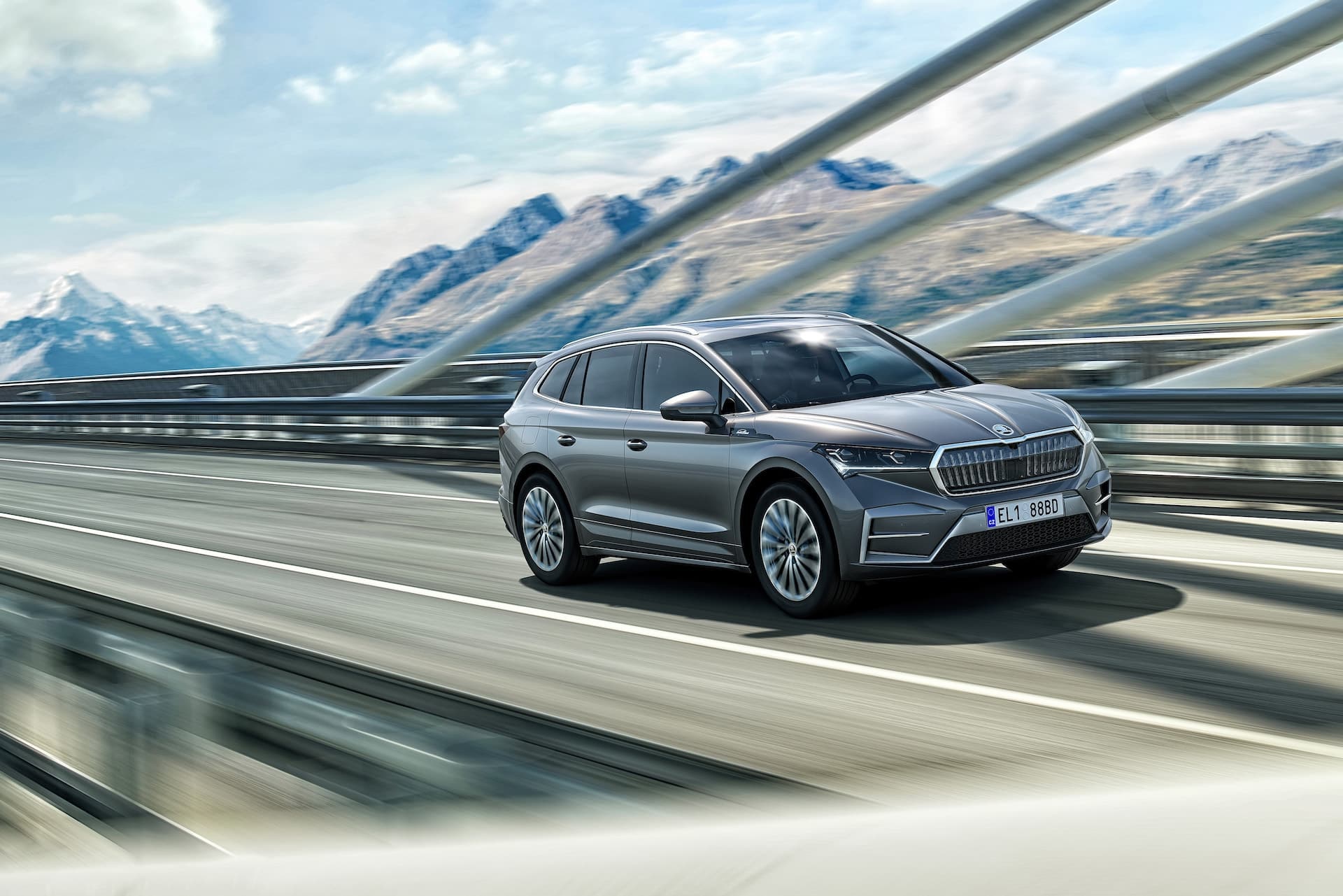
Skoda Enyaq iV 60 204 59kWh: the most comfortable, not the one that lasts longest
The Enyaq iV 60 204 59kWh offers 430 km WLTP with 150 kW (200 CV) and a top speed limited to 160 km/h, the lowest of the trio. That limit is not a flaw in itself; in fact it helps contain consumption if the driver sticks to the usual 120 km/h on Spanish motorways. But on raw range figures, the Enyaq comes last of the three, with less margin than the IONIQ 5 and considerably less than the Model Y.
| Version | Power | Top speed | WLTP range | Battery | Fuel |
|---|---|---|---|---|---|
| Enyaq iV 60 204 59kWh | 150 kW / 200 CV | 160 km/h | 430 km | 63 kWh | Electric |
Comparison table: the three face to face
| Model | Power | WLTP range | Battery | Price from | Motorway range score (1-10) |
|---|---|---|---|---|---|
| Hyundai IONIQ 5 170 63kWh Light | 170 CV | 440 km | 63 kWh | ≈44,700 € | 7 |
| Tesla Model Y 272 60kWh Rear-Wheel Drive | 270 CV | 530 km | 64 kWh | ≈40,000 € | 8.5 |
| Skoda Enyaq iV 60 204 59kWh | 200 CV | 430 km | 63 kWh | ≈44,600 € | 6.5 |
Prices are the manufacturer’s recommended retail prices, indicative only, without dealer discounts or one-off promotions. If your purchase may benefit from public incentives, check the current conditions of the Plan Auto+ on the official website before finalising your budget.
Where each one wins, no tricks
The Model Y clearly wins on gross range and on efficiency per kWh of battery: with almost the same capacity as the IONIQ 5, it delivers 90 km more WLTP. That translates into fewer stops on a long journey, which is exactly what this article is about. The IONIQ 5, for its part, has an interior space and a cabin feel that the Model Y does not match, something that matters if you travel with children and luggage. The Enyaq iV offsets its shorter range with a calmer driving character at moderate speeds and an interior finish that many drivers find warmer than the Tesla’s. None of the three is better at everything. Each one wins where the others give ground.
Price and what each extra euro buys
The Model Y starts at around 40,000 €, several thousand below the IONIQ 5 (≈44,700 €) and the Enyaq (≈44,600 €). Paying less, the Tesla buyer gets more range and more power. It is the combination that most unsettles its rivals: neither the IONIQ 5’s design nor the Enyaq’s comfort fully makes up for that difference when the purchase criterion is "how many kilometres can I cover without plugging in". Those who value Tesla’s own fast-charging ecosystem or Supercharger network above everything else find an additional argument for the Model Y there, one not shown in this table but which weighs heavily in real life.
Verdict: which to choose according to your real use
For those who regularly take long motorway journeys and want to minimise charging stops, the Tesla Model Y 272 60kWh Rear-Wheel Drive is the most sensible option: more real-world range, more power and a lower starting price. For those who prioritise interior space and a design that stands out from the rest of traffic, the Hyundai IONIQ 5 170 63kWh Light remains a solid alternative, although you must accept an extra stop on a 500 km trip. And for those seeking a more traditional drive, an interior with physical controls, and who do not need to squeeze every kilometre of range, the Skoda Enyaq iV 60 204 59kWh does the job without surprises, even if it is the one that lasts least of the three on the road. The price gap between the Model Y and its two rivals does not reach 15%, so the decision rests more on real-world range and type of use than on the budget available.
If your usual route includes winter months with the heating on, it is also worth checking how much range is lost in the cold, which we analysed in detail in our guide to real winter range loss, because that factor can tip the balance between these three more than it appears on paper.
Frequently asked questions
Which compact electric SUV lasts longest on the motorway in 2026?
Of the three compared, the Tesla Model Y 272 60kWh Rear-Wheel Drive offers the most real-world range at motorway speeds, thanks to its better ratio between battery capacity (64 kWh) and WLTP range (530 km).
Why does the WLTP range not match what you achieve in practice?
Because the WLTP cycle combines urban stretches and moderate speeds that do not reflect real consumption at a sustained 120-130 km/h, where aerodynamic drag drives up energy use.
Is the Hyundai IONIQ 5 worse than the Model Y for long trips?
It is not worse in every respect: it has less homologated range (440 km versus 530 km), but it offers a roomier cabin and a different design, something some buyers prioritise over the extra kilometres.
Is it worth paying more for the Skoda Enyaq iV if it has less range?
It depends on use. If your usual trip is short or mixed, its calm handling and interior may make up for the 100 km less range compared with the Model Y. For frequent long journeys, the range difference matters more than the added comfort.
