

Buying a petrol compact SUV in 2026 is still the option with the fewest headaches for anyone who doesn’t cover enough kilometres to justify a hybrid. The problem is something else: with budgets of €20,000-28,000, standard equipment varies enormously between brands, and what one manufacturer gives away on the base trim, another charges extra for even on the top trim. We have reviewed five real models on sale in Spain, with verified prices and specifications, to find out which one gives you the most for your money depending on what you will actually use it for.
Criteria: what we mean by "best equipped" in a compact SUV for under €28,000
We are not talking about luxury, we are talking about the basics done well: autonomous emergency braking, lane departure warning, adaptive cruise control or at least an intelligent speed limiter, a touchscreen of 8 inches or more, climate control (even if manual) and full LED headlights. Warranty also matters, because buyers in this segment tend to keep the car for seven or eight years. And boot space matters too, because a compact SUV that can’t carry much loses a good part of its reason for being compared with a regular city car.
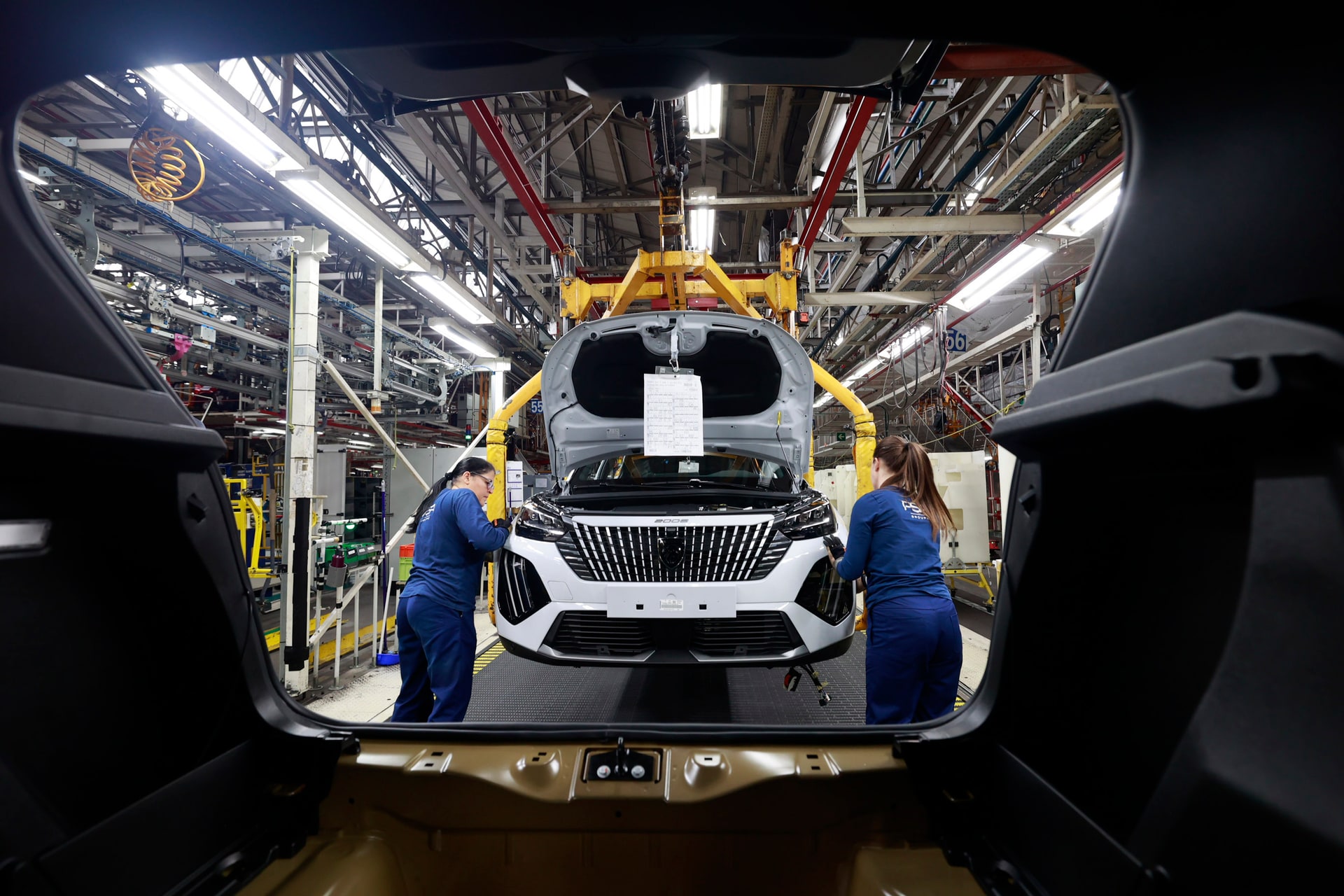
Peugeot 2008 PureTech 100 Allure Pack — from €26,900
It is the most complete of the five, and also the most expensive. The Allure Pack includes as standard the i-Cockpit with a 10-inch digital display, automatic climate control, keyless entry and an ADAS package that goes beyond the legal minimum: blind spot warning, traffic sign recognition and autonomous braking with pedestrian and cyclist detection. The 434-litre boot is not the biggest in the group, but the interior finish feels a step above any rival compared here.
| Power (kW) | Power (CV) | Consumption | Label | Fuel |
|---|---|---|---|---|
| 74 kW | 100 CV | 5.7 l/100 km | C | Petrol |
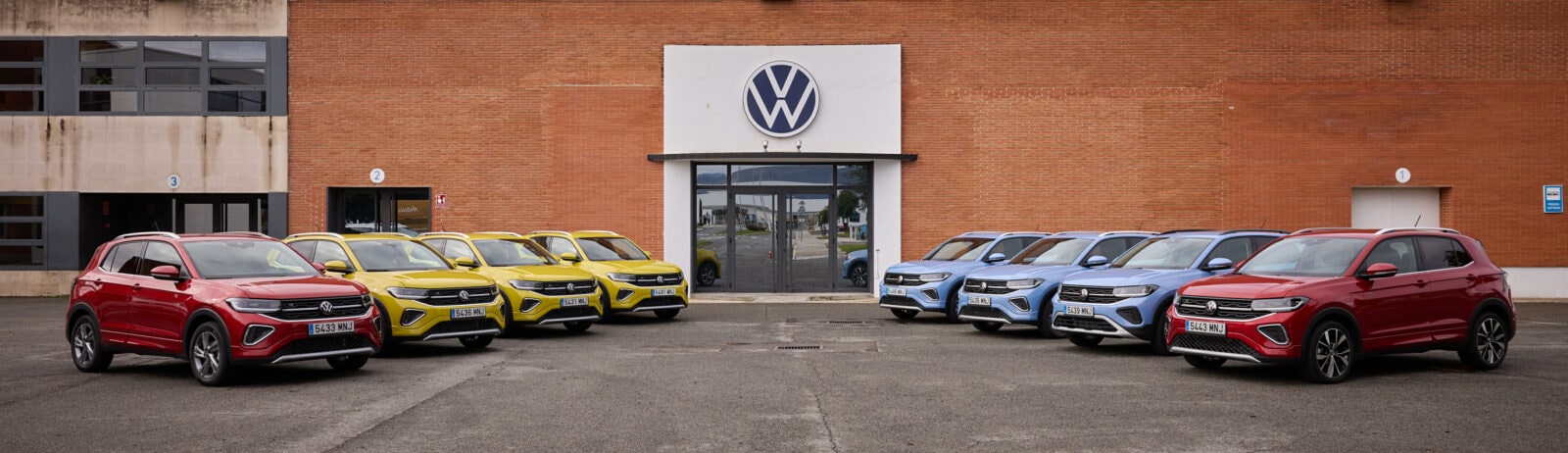
Volkswagen T-Cross 1.0 TSI 95 Life Edition — from €24,600
The T-Cross doesn’t dazzle on the equipment sheet, but it delivers competently: Front Assist and Lane Assist as standard from the Life trim, an 8-inch screen with wireless Car-Play and a 455-litre boot, the second largest in the comparison. What it doesn’t give you is the Peugeot’s feeling of quality or the aggressive pricing of the Kia or the Hyundai. It is the choice for those who prefer no surprises, either good or bad.
| Power (kW) | Power (CV) | Consumption | Label | Fuel |
|---|---|---|---|---|
| 70 kW | 95 CV | 5.3 l/100 km | C | Petrol |
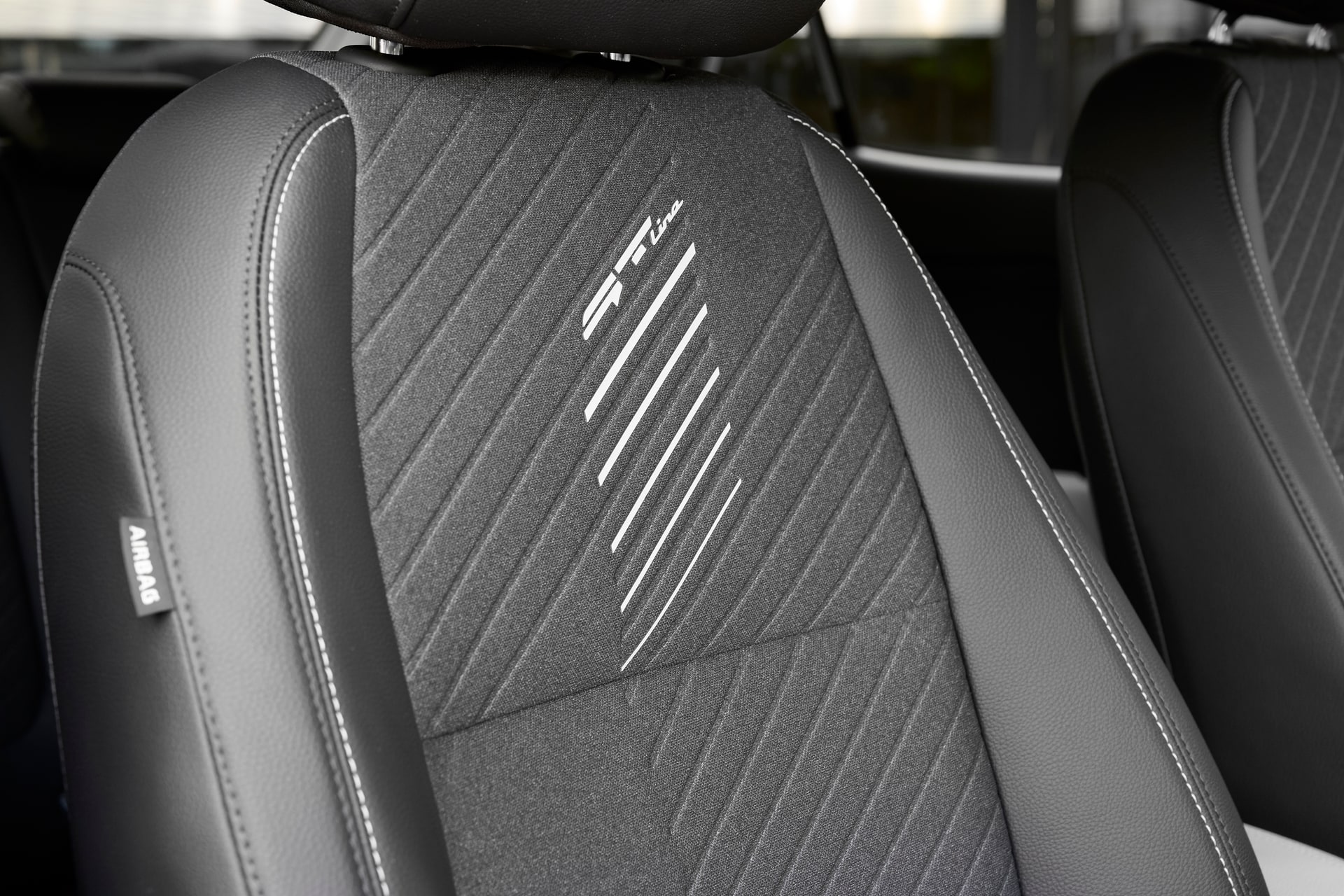
Kia Stonic 1.0 T-GDi 100 Drive — from €21,900
This is Kia’s masterstroke: fitting autonomous braking, an intelligent speed limiter and forward collision warning as standard on an entry-level trim that costs €5,000 less than the Peugeot. The boot, at 352 litres, is the smallest in the group and it shows on long trips with luggage. But the 7-year or 150,000 km warranty makes up for that shortcoming for anyone planning to keep the car for a long time. In terms of equipment, price and warranty combined, nobody beats it.
| Power (kW) | Power (CV) | Consumption | Label | Fuel |
|---|---|---|---|---|
| 74 kW | 100 CV | 5.4 l/100 km | C | Petrol |
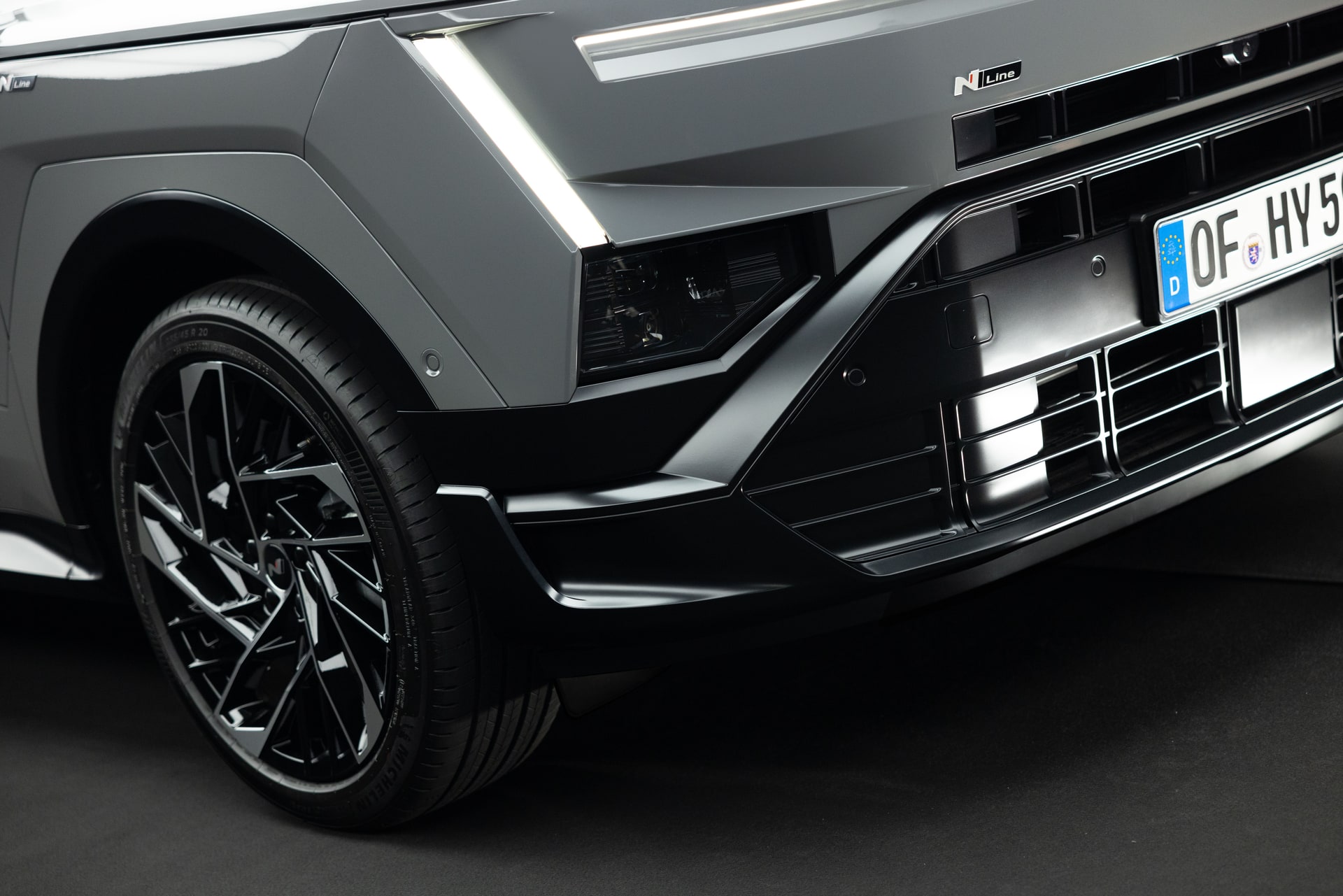
Hyundai Bayon 1.0 T-GDi 100 Klass — from €21,200
The Bayon comes with the full SmartSense package as standard from the Klass trim: autonomous braking, active lane keeping and rear collision warning, something that neither the T-Cross nor the 2008 give away in their equivalently priced versions. The 411-litre boot is decent, and the 5-year warranty with no mileage limit gives it a cushion that the Kia only beats in years, not in mileage. Of the five, it is the one that best balances active safety and entry price.
| Power (kW) | Power (CV) | Consumption | Label | Fuel |
|---|---|---|---|---|
| 74 kW | 100 CV | 5.5 l/100 km | C | Petrol |
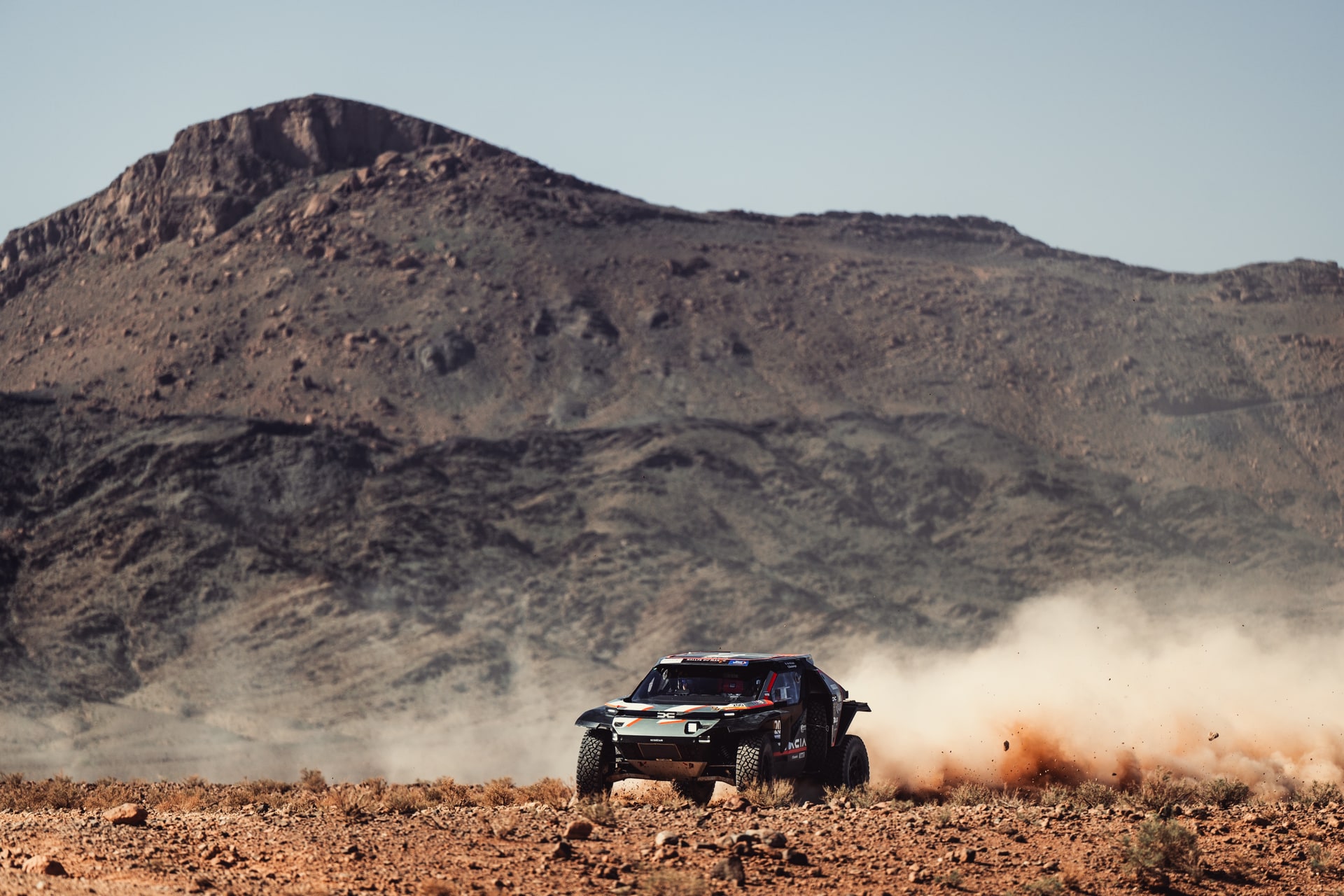
Dacia Duster TCe 100 Expression — from €20,600
The Duster plays a different game: it is bigger than the other four, with a 472-litre boot, and that is paid for in consumption, the highest in the group. Its ADAS equipment meets the minimum (emergency braking, unintentional lane departure warning) without frills, and the climate control is still manual even on the Expression trim. What it offers in return is real space and a price that leaves room for extras. For those who count every euro and need to carry bulky items, it is the one that fits the most for the money.
| Power (kW) | Power (CV) | Consumption | Label | Fuel |
|---|---|---|---|---|
| 74 kW | 100 CV | 6.3 l/100 km | C | Petrol |
Summary table: the 5 petrol compact SUVs compared
| Model | Starting price | Boot | Warranty | Standard ADAS | Score (1-10) |
|---|---|---|---|---|---|
| Peugeot 2008 Allure Pack | €26,900 | 434 L | 2 years (extendable to 5) | Full + blind spot | 8.8 |
| VW T-Cross Life | €24,600 | 455 L | 2+3 years optional | Basic (Front/Lane Assist) | 7.6 |
| Kia Stonic Drive | €21,900 | 352 L | 7 years / 150,000 km | Full | 8.9 |
| Hyundai Bayon Klass | €21,200 | 411 L | 5 years unlimited | Full SmartSense | 8.7 |
| Dacia Duster Expression | €20,600 | 472 L | 3 years (extendable to 7) | Legal minimum | 7.2 |
Verdict: which petrol compact SUV to choose for your case
If your priority is the most complete equipment regardless of price, the Peugeot 2008 wins on perceived quality and the most generous ADAS, even though you pay almost 27% more than for the Dacia Duster, the biggest gap among the five rivals on this list. If you are looking for the best balance of standard safety, price and long-term peace of mind, the Kia Stonic is the smartest bet: its 7-year warranty is worth, in practice, more than any extra equipment you might miss. For those who need real load space above all else, the Dacia Duster is unbeatable for what it costs, although its consumption and basic ADAS make clear where the cost-cutting is. And if your priority is the most complete active safety without paying the Peugeot’s premium, the Hyundai Bayon is the most reasonable balance in the whole group.
The Kia Stonic, the Hyundai Bayon and the Dacia Duster may also benefit from the Plan Auto+ incentives if they meet the current requirements, something worth checking on the official website before settling the final price. If your budget goes up a little and pure petrol is no longer an essential condition, it is also worth looking at the compact SUVs with the best standard equipment for under €25,000 or reading how to choose a petrol compact SUV for under €30,000 based on the equipment you actually use.
Frequently asked questions
Which is the best-equipped petrol compact SUV for under €28,000 in 2026?
The Peugeot 2008 PureTech 100 Allure Pack, with an entry price of €26,900, offers the most complete ADAS package and the largest screen in the group, although the Kia Stonic matches it on active safety for almost €5,000 less.
Which petrol compact SUV has the best warranty?
The Kia Stonic, with 7 years or 150,000 km, ahead of the 5 unlimited-mileage years of the Hyundai Bayon and well above the initial 2-3 years from Peugeot, VW and Dacia.
Is it worth paying more for the Peugeot 2008 over the Dacia Duster?
It depends on how you use it: if you value perceived quality and technology, yes. If you need a big boot and spend little on extras, the Duster gives you more physical car for less money, even though it uses more fuel and has fewer driver assistance systems.
Can the petrol compact SUVs on this list qualify for the Plan Auto+?
Some models may fall within the current Plan Auto+ requirements depending on engine and emissions. It is advisable to confirm the amount and the updated conditions on the official website before signing the purchase.
