

Buying an electric SUV in 2026 is no longer an act of faith. There is plenty of data, thousands of real kilometres driven by users and media, and a price range that, after the Plan Auto+, leaves interesting options below €60,000. The problem remains the same as always: the WLTP figure in the brochure and what the on-board computer shows on a 120 km/h motorway with the air conditioning on are not as close as we would like.
We have ranked these five models by estimated real-world range, not by the homologated figure. The difference between the two usually sits around 15-20% against the driver, and that margin is exactly what determines whether you arrive at your destination with 10% battery or stopping to charge earlier than planned.
How we calculated the real-world range
We start from the average combined consumption (city, motorway and conventional road) reported by independent tests and by users in specialist forums, not just the WLTP figure. In general terms, an electric SUV that promises 550 km on paper usually delivers between 440 and 470 real km when driven at Spanish motorway speeds. The most aerodynamic models with finer thermal management, such as the Tesla, come closer to their official figure than the rest.
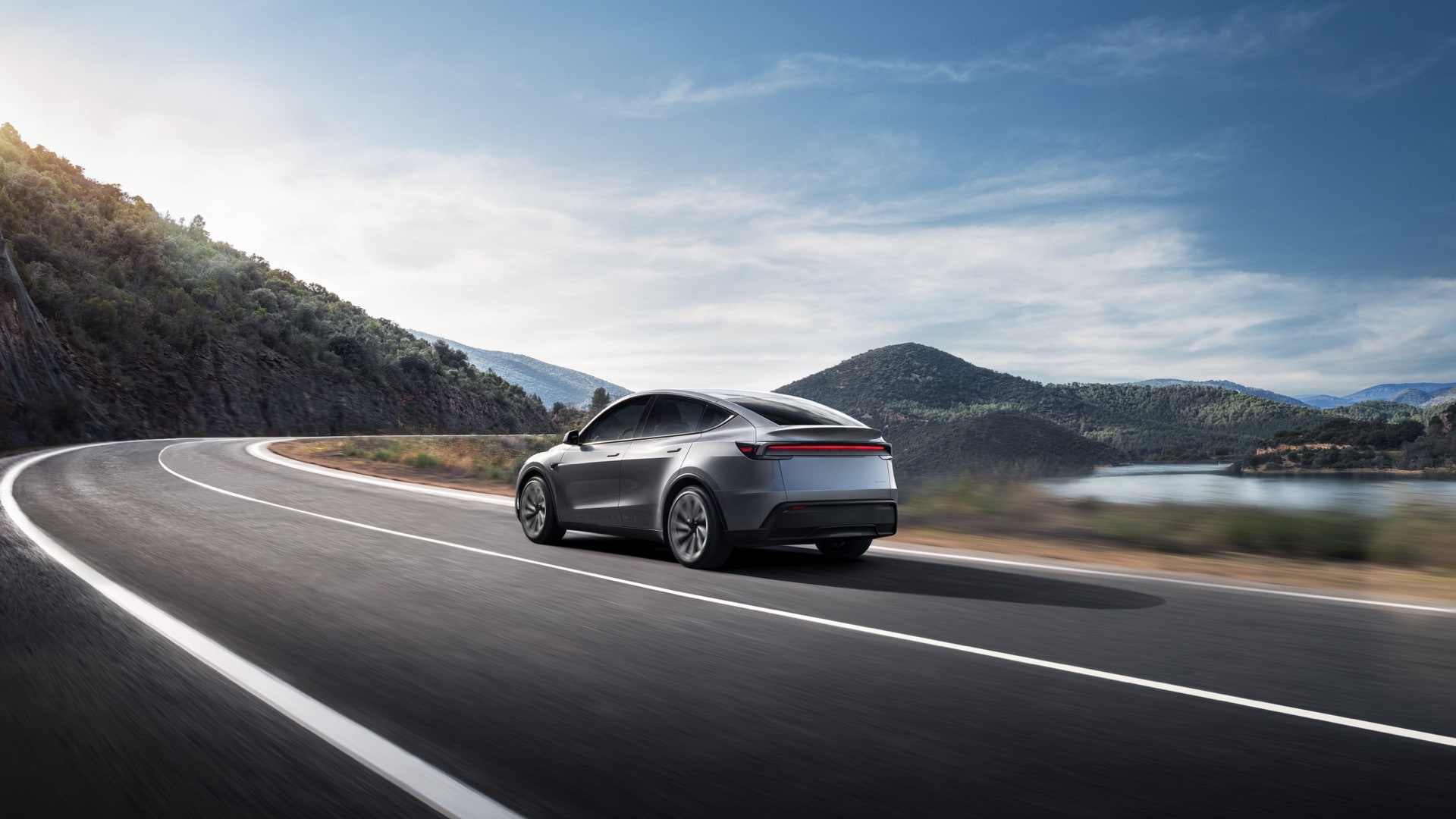
1. Tesla Model Y Long Range Rear-Wheel Drive – from €46,990
It delivers the most real-world range of the five, and not by a small margin. Its efficiency (14.6 kWh/100 km on average) means it falls short of its WLTP figure by less than any rival on this list. Supercharger charging makes up for much of the long-distance travel that others find harder to digest.
| Power | WLTP range | Estimated real-world range | Consumption | Charging 10-80% | Label | Fuel |
|---|---|---|---|---|---|---|
| 220 kW / 299 CV | 622 km | ~510 km | 14.6 kWh/100 km | 25 min | 0 Emissions | Electric |
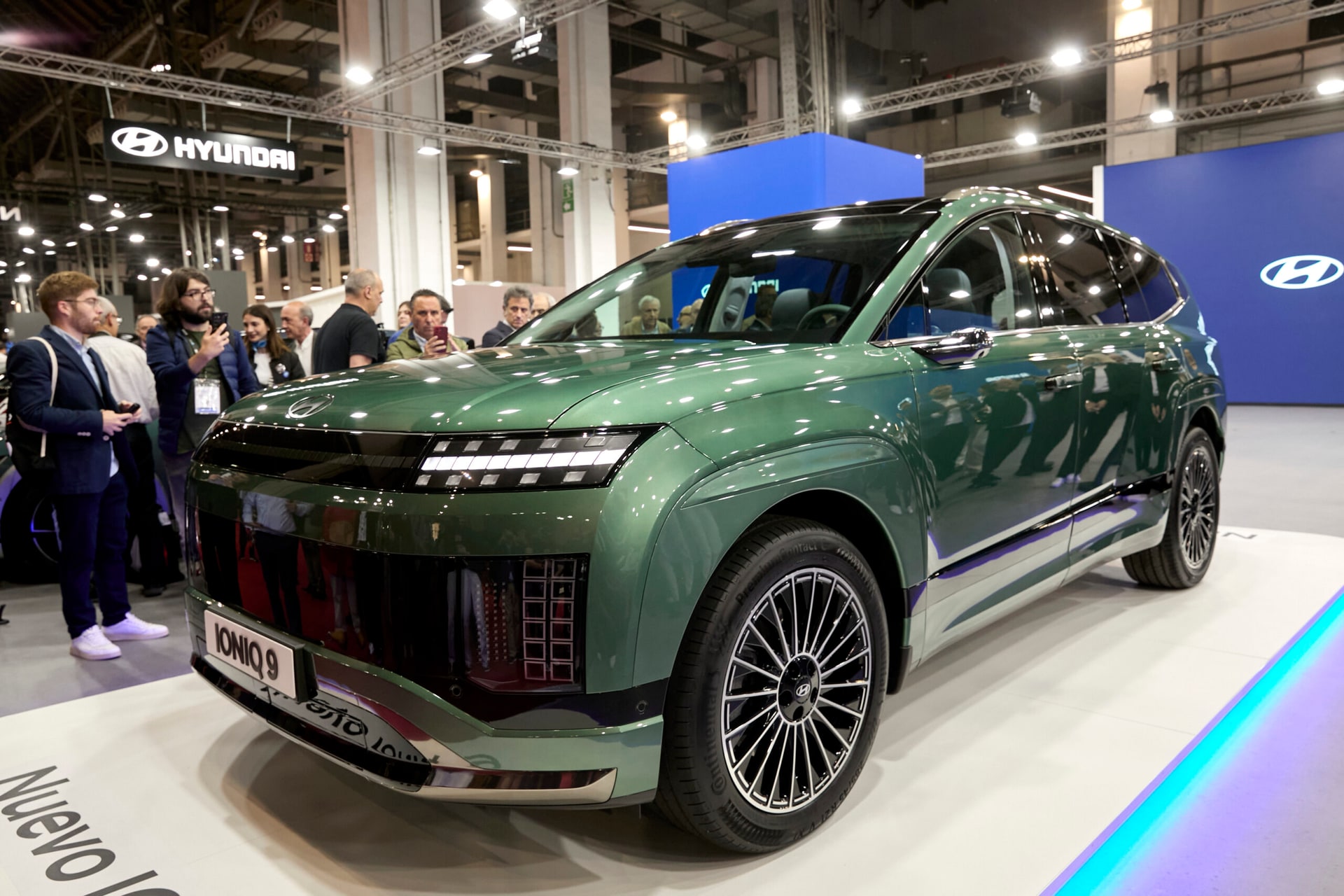
2. Hyundai Ioniq 5 Essence RWD 84 kWh – from €43,700
Second best in real-world range and, moreover, the cheapest of the two Korean models featured here. Its 800V platform allows very fast charging when you find a charger that makes use of it, although on the Spanish public network that remains the exception rather than the rule.
| Power | WLTP range | Estimated real-world range | Consumption | Charging 10-80% | Label | Fuel |
|---|---|---|---|---|---|---|
| 169 kW / 225 CV | 570 km | ~460 km | 16.8 kWh/100 km | 18 min | 0 Emissions | Electric |
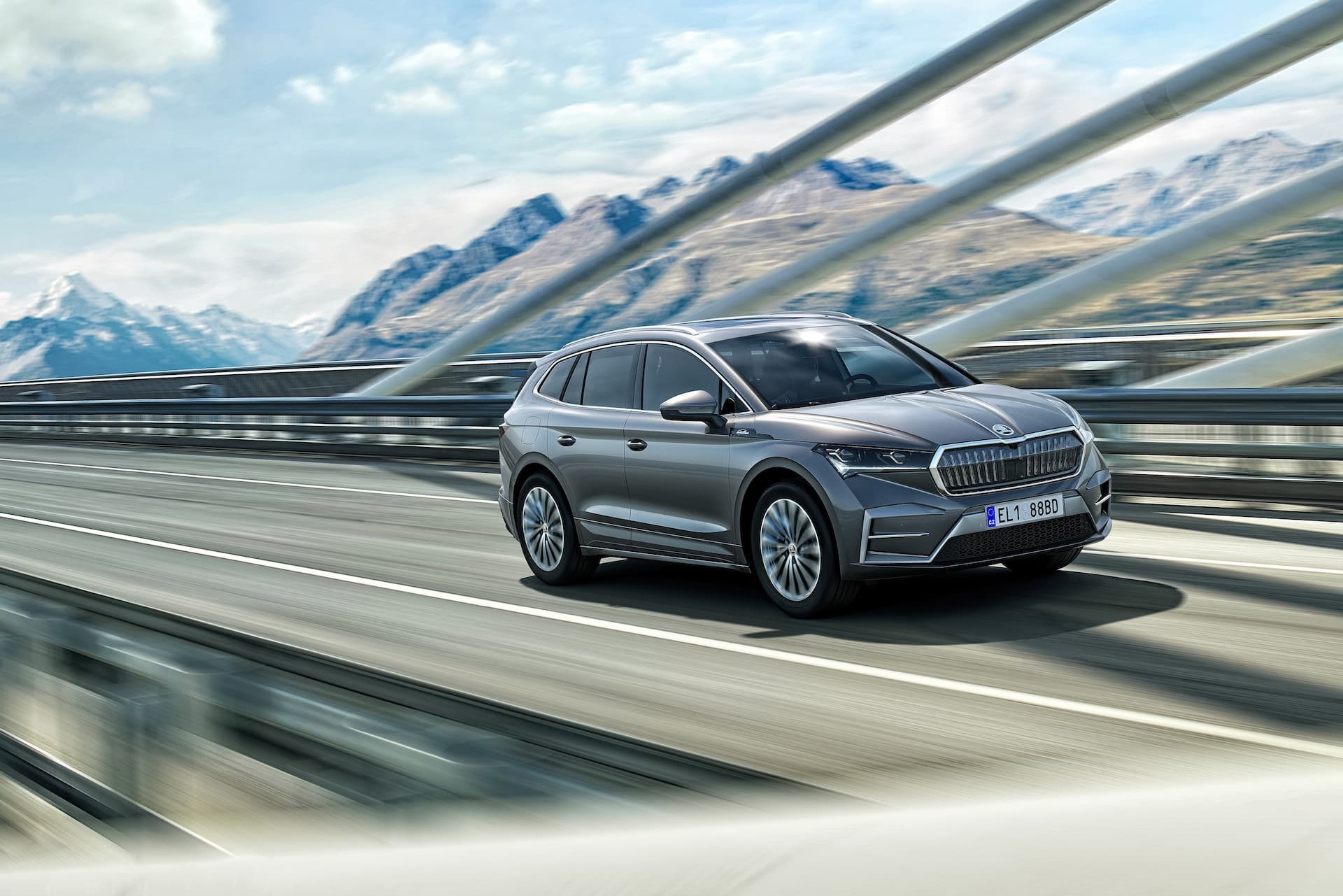
3. Skoda Enyaq 85 Edition – from €42,690
It is the cheapest on the entire list and the one that offers the most horsepower per euro invested. That said, its DC charging at 135 kW falls short of the Hyundai’s 800V platform: you take ten minutes longer to reach 80%, something you notice if you travel frequently on the motorway.
| Power | WLTP range | Estimated real-world range | Consumption | Charging 10-80% | Label | Fuel |
|---|---|---|---|---|---|---|
| 210 kW / 286 CV | 559 km | ~450 km | 16.9 kWh/100 km | 28 min | 0 Emissions | Electric |
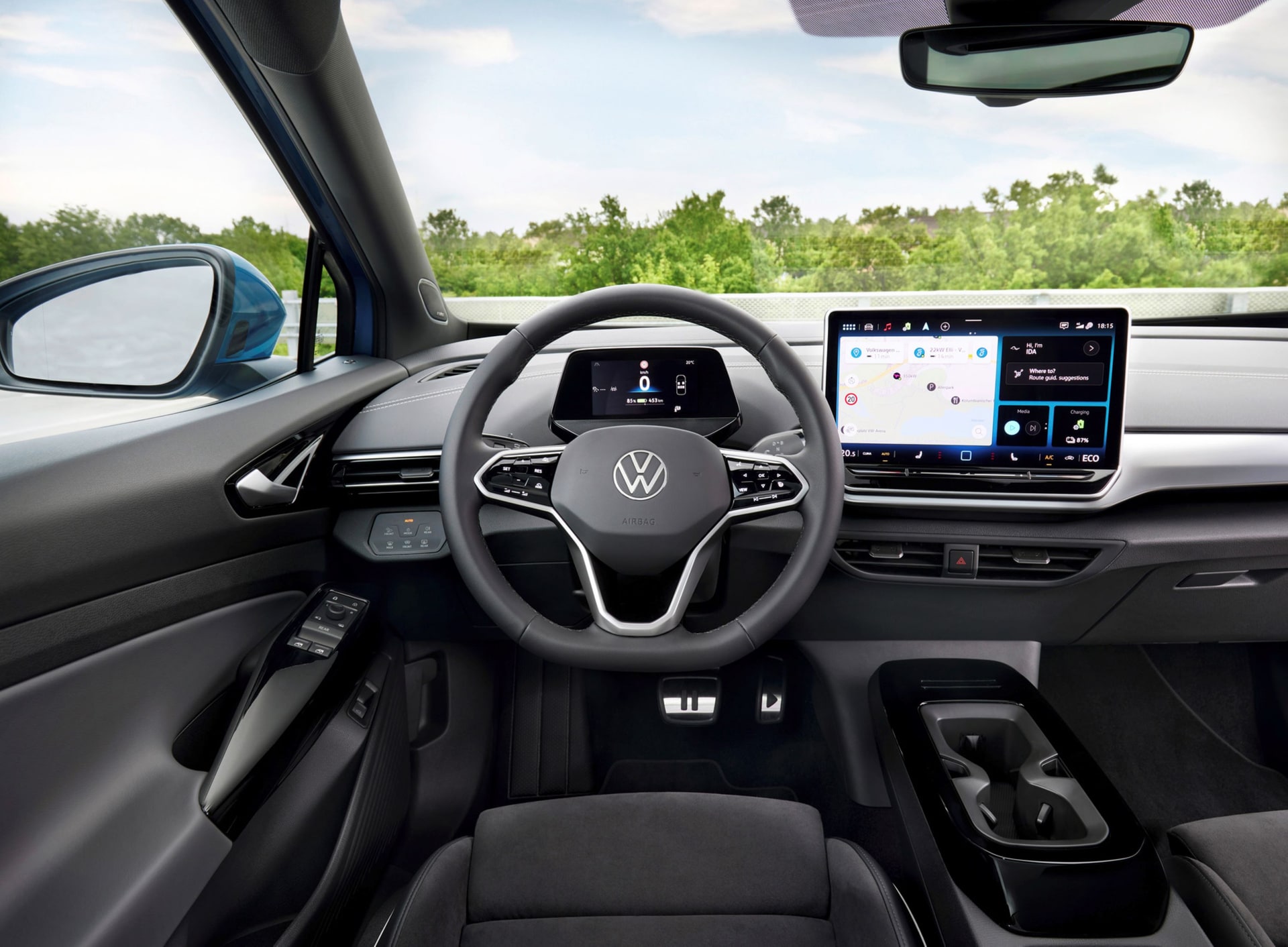
4. Volkswagen ID.4 Pro 77 kWh – from €44,290
It shares much of its mechanics with the Enyaq, and that shows on paper. In real-world range it sits slightly below the Skoda despite having less power, which points to slightly less refined aerodynamics. Its strong point is the service network of the Volkswagen Group, more extensive than that of several rivals on this list.
| Power | WLTP range | Estimated real-world range | Consumption | Charging 10-80% | Label | Fuel |
|---|---|---|---|---|---|---|
| 150 kW / 204 CV | 548 km | ~440 km | 16.3 kWh/100 km | 28 min | 0 Emissions | Electric |
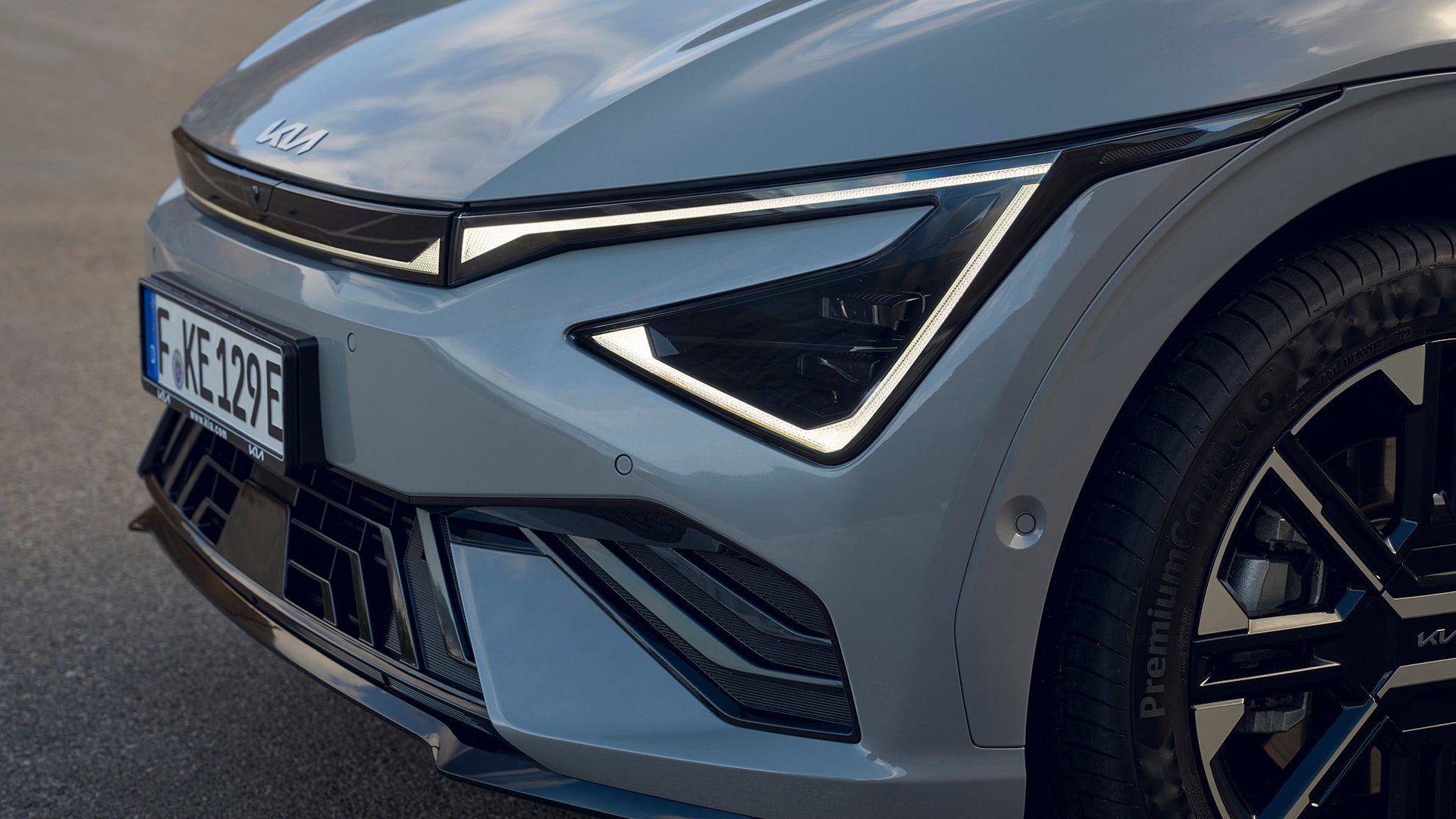
5. Kia EV6 GT-Line RWD Long Range – from €44,950
It closes the list, but not because it is a bad car: it is the one that costs the most relative to the real-world range per kilometre it delivers. Its 800V platform, shared with the Ioniq 5, gives it a clear advantage in fast charging that almost makes up for its range figure, which is slightly shorter than the rest.
| Power | WLTP range | Estimated real-world range | Consumption | Charging 10-80% | Label | Fuel |
|---|---|---|---|---|---|---|
| 168 kW / 229 CV | 528 km | ~430 km | 16.5 kWh/100 km | 18 min | 0 Emissions | Electric |
Comparative summary table
| Model | Real-world range | Price from | Charging 10-80% | Score |
|---|---|---|---|---|
| Tesla Model Y | 510 km | €46,990 | 25 min | 9.2/10 |
| Hyundai Ioniq 5 | 460 km | €43,700 | 18 min | 8.8/10 |
| Skoda Enyaq | 450 km | €42,690 | 28 min | 8.5/10 |
| Volkswagen ID.4 | 440 km | €44,290 | 28 min | 8.0/10 |
| Kia EV6 | 430 km | €44,950 | 18 min | 7.9/10 |
Verdict: which electric SUV to choose depending on your needs
For long journeys and intensive motorway use, the Tesla Model Y wins without question: it delivers more real km than any of its rivals and its Supercharger network remains the argument that reassures most on a 600 km trip. The price difference with the Enyaq is close to 10%, but the real kilometre you buy works out cheaper on the Tesla than on almost all the others.
For those who prioritise value for money and performance, the Skoda Enyaq is the most sensible option: it is the cheapest of the five and delivers 450 real km, only ten below the Ioniq 5. If your day-to-day is city driving and journeys of less than 300 km, range is more than enough and so is the budget.
For those who charge rapidly often on business or touring trips, the Hyundai Ioniq 5 takes the prize thanks to its 800V architecture: it charges in 18 minutes what an Enyaq or an ID.4 needs over half an hour for. That difference, repeated several times a year, weighs more than it seems on paper.
The Kia EV6 comes fifth not because it is a worse car, but because its price does not justify itself against the Ioniq 5, with which it shares almost all of its mechanics and charges just as quickly, yet costs €1,250 more. If you have already decided on the Hyundai-Kia group, the Ioniq 5 is the more rational purchase of the two.
Before signing, it is also worth checking how each one behaves in the cold, a factor that we have already analysed in depth through real range loss in winter, because none of the data in this table holds up equally with the heating at full blast. And if the budget is tighter, the comparison between the Hyundai Kona Electric, MG ZS EV and BYD Atto 2 shows that the B segment also offers real range for less money.
Frequently asked questions
Which electric SUV has the greatest real-world range for under €60,000 in Spain in 2026?
The Tesla Model Y Long Range Rear-Wheel Drive, with an estimated 510 real km under motorway conditions, compared with the official WLTP figure of 622 km.
How much does the WLTP range drop compared with the real range on these electric SUVs?
On average, between 15% and 20%, although it varies with aerodynamics and thermal management: the Tesla comes closer to its official figure than the rest of the models in this comparison.
Which electric SUV charges fastest on direct current?
The Hyundai Ioniq 5 and the Kia EV6, thanks to their 800V architecture, complete the 10-80% stretch in about 18 minutes, compared with 28 minutes for the Skoda Enyaq or the Volkswagen ID.4.
Is it worth paying more for the Tesla Model Y than the Skoda Enyaq?
If you make long journeys frequently, yes: the cost per real kilometre of range works out tighter despite the higher purchase price. For urban use and short trips, the Enyaq offers more room for savings without penalising day-to-day life.

1 Comment
Pingback: Los 5 SUV y monovolúmenes de 7 plazas con mayor distancia entre ejes a la venta en España en 2026 – Comparativa de Coches