

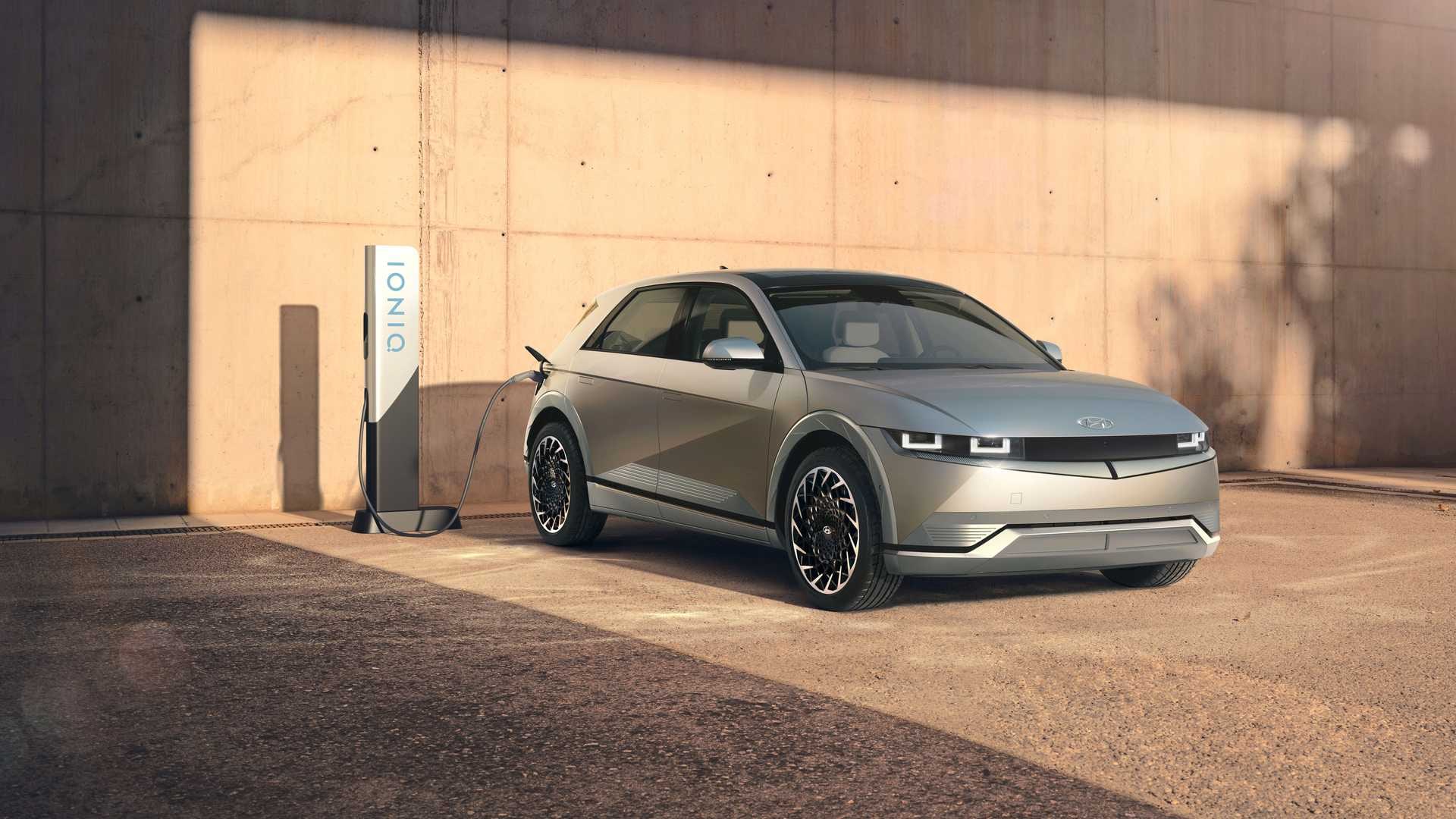
Buying an electric SUV-B as a family’s only car is still a leap of faith for many people. Not so much because of the technology, which is already mature, but because of the fine print of everyday life: where you charge, how much boot space you have with a child seat installed, whether real consumption resembles the figures on paper. The Hyundai Kona Electric has been under that scrutiny for several years and in 2026 it remains one of the names that comes up most often when someone asks about a compact electric SUV that can do it all. Let’s examine it closely, without giving it any favours.
What is the Hyundai Kona Electric in 2026?
It is the fully electric version of Hyundai’s SUV-B, built on a body that no longer hides its electric nature: clean lines, a closed grille and a driving position slightly higher than that of a conventional city car. It is not a small car for its segment, and this shows both in the cabin and in the boot. Hyundai sells it as the “sensible” entry point to its electric range, below the Ioniq 5 in size and price, but with the same philosophy of hassle-free daily use.
Technical data sheet: power, range, battery and consumption
The Kona Electric features a 150 kW (200 CV) motor and 260 Nm of torque, enough to move with ease around town and not fall short when joining a motorway. The 65 kWh battery provides a homologated range of up to 510 km, with an announced average consumption of 14.5 kWh/100 km. The 0-100 km/h sprint takes about 8 seconds and top speed is around 170 km/h, a figure that matters little here because this car is not designed to be driven fast, but so that you don’t have to think about the next charge.
| Power (kW) | Power (CV) | Top speed | Range | Consumption | Battery | Label | Fuel | Price from |
|---|---|---|---|---|---|---|---|---|
| 150 kW | 200 CV | 170 km/h | 510 km | 14.5 kWh/100 km | 65 kWh | CERO | Electric | 42,400 € |
Those 510 km are a homologation figure. In real use, with motorway driving, air conditioning and a bit of haste, a reasonable margin is closer to 380-420 km. It is still a figure that comfortably covers a typical week of urban use without touching the charger, which is exactly what a family that doesn’t want to worry about the battery every two days needs.
Real use: charging without a garage, the true test
This is the point that really separates those who can live with an electric car from those who cannot. If you have a garage with a wallbox, the Kona Electric is almost trivial to manage: you charge overnight and set off with a full “tank” every morning. The problem appears when there is no garage and you have to depend on public charging. With a DC charging power that is not the fastest in its segment, a charge from 10 to 80% falls within a range that should be planned for, not one resolved in five minutes at a petrol station. For someone who lives locally and charges two or three times a week at a nearby point, it works. For someone who relies on the motorway fast charger every weekend, the margin for manoeuvre narrows.
Interior space, boot and rear seats
The Kona Electric’s boot is around 466 litres, a figure that is among the best in its electric SUV-B class and that allows you to carry a pram, large shopping bags and a weekend suitcase without playing Tetris. The rear seats are adequate for two child seats, somewhat tighter for a third central seat, which is common across this category. The front bonnet storage space does not exist in this generation, so the charging cable travels in the boot.
Price and versions
The Hyundai Kona Electric starts at approximately 42,400 € RRP, not counting dealer discounts, one-off campaigns or the Plan Auto+ aid, which should always be checked on the official website because the amounts and deadlines vary. This price places it in the upper range of the electric SUV-B segment, not at the entry level.
Against its direct rivals
The obligatory comparison here is with the Kia Niro EV, its group cousin with related mechanics but different bodywork and finish, and with the Peugeot e-2008, which plays the card of design and the digital cockpit against Korean practicality. The Niro EV compensates with an equally solid brand warranty and a slightly more sober but well-resolved interior; the Kona wins on SUV presence and on that boot, which weighs more for a family with young children than it seems on paper. The e-2008 convinces those who prioritise exterior design, but its real-world range on cold days falls short of the Kona’s 510 homologated km, something we already analysed in detail when comparing the Kona Electric, the Niro EV and the e-2008 head to head.
| Model | Powertrain | Strong point | Weak point | Overall score |
|---|---|---|---|---|
| Hyundai Kona Electric | Electric, 200 CV, 65 kWh battery | High real-world range and 466 l boot | Fast charging does not stand out in the segment | 8.3/10 |
| Kia Niro EV | Electric, related mechanics | Well-resolved interior and group warranty | More discreet exterior presence | 8/10 |
| Peugeot e-2008 | Electric | Design and digital cockpit | Tighter real-world range in cold weather | 7.5/10 |
Verdict: is it viable as a family’s only urban car?
For a family living in an urban area, with a wallbox or a nearby charging point accessible daily and occasional long journeys, the Hyundai Kona Electric more than meets the requirements as a car that is their only one. The boot keeps up with the pace of a family with young children and the real range covers the week without drama. Where it starts to demand patience is on recurring long journeys without a garage: there, planning stops becomes part of the trip, not a minor detail. If use is mainly urban and charging is sorted at home or at work, it is among the most complete electric SUV-Bs you can buy today in Spain. If your use case includes frequent motorway driving without comfortable access to fast charging, it is worth also considering hybrid options in the same segment before making the leap.
Frequently asked questions
What is the real-world range of the Hyundai Kona Electric in 2026?
The homologated figure is 510 km with the 65 kWh battery, although in mixed use with motorway driving and air conditioning running, a reasonable expectation is between 380 and 420 real km.
How much does the Hyundai Kona Electric cost in Spain?
The indicative price starts at approximately 42,400 € RRP, not counting dealer discounts or the Plan Auto+ aid, which should be checked on the plan’s official website.
Is it a good option as a only car without a garage?
It works well if there is a public charging point nearby and accessible several times a week; if en-route fast charging is frequent, its charging speed is not the most outstanding in the segment.
Which rival casts the biggest shadow over the Kona Electric?
The Kia Niro EV, thanks to its related mechanics and similar warranty, is its most direct comparison; the Peugeot e-2008 competes more on design than on real-world range.

4 Comments
Pingback: Hyundai Kona review: hasta dónde llega el SUV-B coreano como coche familiar único en 2026 – Comparativa de Coches
Pingback: Cómo elegir un SUV eléctrico en 2026 según la pérdida real de autonomía en invierno con calefacción encendida – Comparativa de Coches
Pingback: Peugeot 5008 vs Skoda Kodiaq: qué SUV de 7 plazas ofrece mejor confort de viaje para familia con niños – Comparativa de Coches
Pingback: Hyundai Santa Fe review: hasta dónde llega el SUV híbrido coreano como coche de viaje familiar en 2026 – Comparativa de Coches