

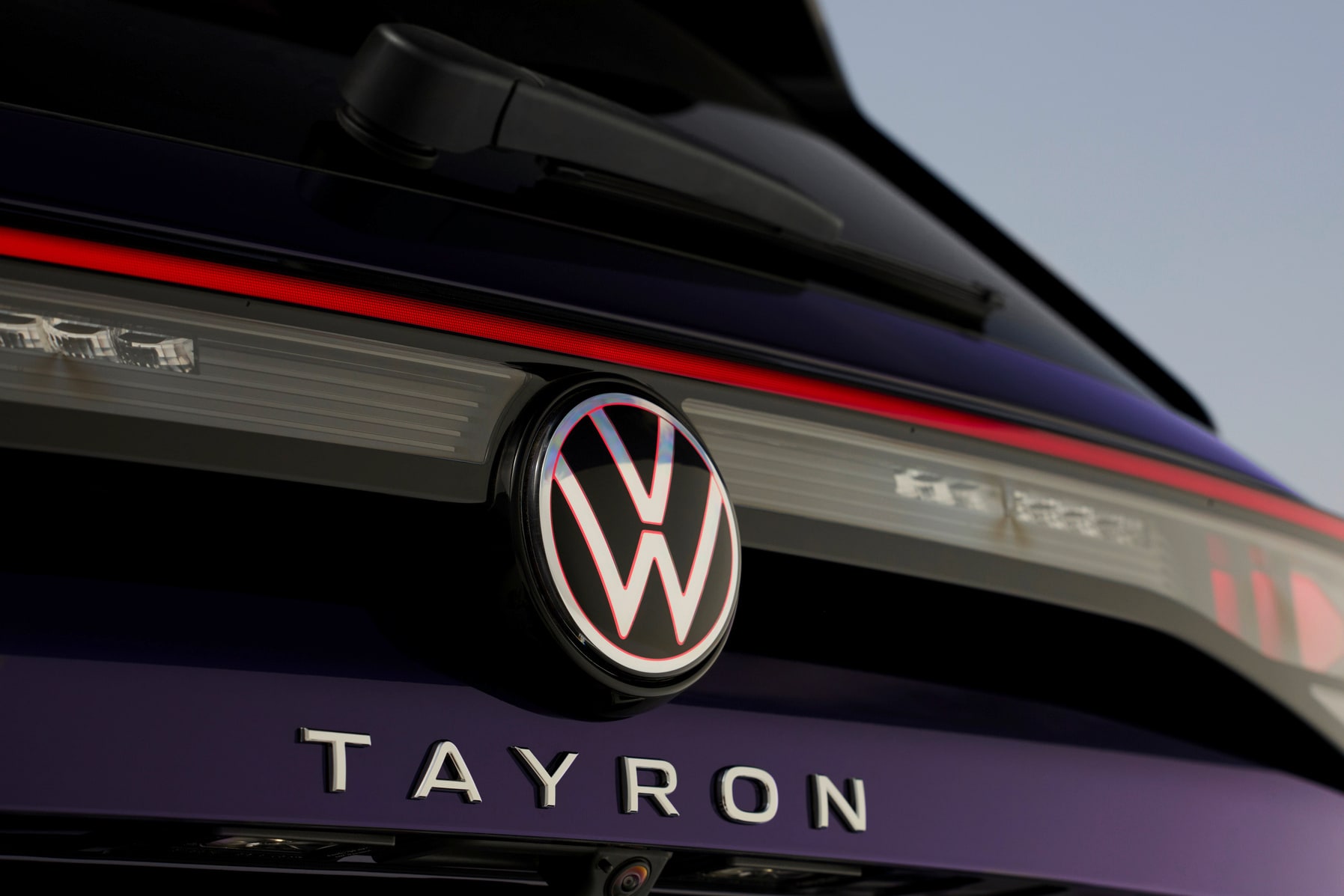
Two close cousins on the MQB Evo platform, same parent company, same family-oriented purpose — and yet two electrification philosophies aimed at very different budgets. The Skoda Kodiaq mHEV 150 CV plays the rational mid-size SUV card with mild hybridisation; the Volkswagen Tayron eHybrid 204 CV packs a 25.5 kWh battery and promises 120 km of electric range for anyone who can plug in at home. More than 11,000 euros of difference. Is the jump worth it?
Two opposing approaches under the same umbrella
Skoda has kept the Kodiaq faithful to its playbook: space, contained pricing and a 1.5 TSI engine with a 48V mild hybrid system that helps meet homologation targets without complicating daily use. Plugs, just the essentials. Volkswagen, on the other hand, has taken the serious PHEV route with the Tayron: a large battery, one of the highest electric ranges in the segment on paper and the DGT ZERO label. They are sibling cars on the same chassis, but rivals in what really decides the purchase: how much you pay upfront and how much you spend while driving.
Skoda Kodiaq mHEV 1.5 TSI 150 Selection — from ≈46,800 €
The entry Kodiaq in Selection trim with the 150 CV 1.5 TSI and DSG gearbox is, in our view, the most coherent configuration in the range for anyone looking for a family SUV without drama. The mild hybrid system recovers some energy when braking and smooths out stop-start cycles, but don’t expect miracles: the homologated consumption hovers around 6 l/100 km and the DGT label is ECO, not ZERO.
| Power kW | Power CV | Top speed | Consumption | Label | Fuel |
|---|---|---|---|---|---|
| ≈110 kW | ≈150 CV | ≈210 km/h | ≈6 l/100 km | ECO | Petrol mild hybrid |
What the Kodiaq gains here: a reference boot for the segment with the 7-seat version available in the range, sober trims that age well and an entry price that, while not cheap, sits more than 11,000 € below the Tayron eHybrid.
Volkswagen Tayron eHybrid 1.5 TSI 204 ‘Más’ — from ≈58,000 €
The Tayron is, in practice, the successor to the Tiguan Allspace: the group’s mid-size SUV with a seven-seat option and, in this eHybrid version, a 204 CV combined PHEV powertrain with a 25.5 kWh battery. The 120 km of homologated electric range is among the highest figures in the segment, and the WLTP consumption of 1.5 l/100 km reflects what it can deliver if you plug in religiously.
| Power kW | Power CV | Top speed | Electric range | Consumption | Label | Fuel |
|---|---|---|---|---|---|---|
| ≈150 kW | ≈200 CV | ≈210 km/h | ≈120 km | ≈1.5 l/100 km | ZERO | Petrol PHEV |
The catch: that 25.5 kWh battery adds weight, takes some boot space compared with conventional versions and pushes the RRP into premium territory. That said, it has unrestricted access to ZBE zones and very favourable tax treatment for self-employed drivers and company cars.
Head-to-head comparison table
| Dimension | Skoda Kodiaq mHEV 150 | VW Tayron eHybrid 204 |
|---|---|---|
| Power | ≈150 CV | ≈200 CV |
| Electric range | Not applicable (mHEV, cannot run in EV mode) | ≈120 km |
| Homologated consumption | ≈6 l/100 km | ≈1.5 l/100 km (with charged battery) |
| CO₂ emissions | ≈140 g/km | ≈40 g/km |
| DGT label | ECO | ZERO |
| Battery | 48V system (mild hybrid) | ≈25.5 kWh |
| Price from | ≈46,800 € | ≈58,000 € |
| Warranty | 2 years + extensions | 2 years + extensions |
Prices are the manufacturer’s recommended RRP, without dealer discounts, campaigns or Plan Auto+ aid.
Where each one clearly wins
The Kodiaq wins on:
- Entry price. More than 11,000 € less for an SUV with similar real-world performance without plugging in. The gap clearly exceeds 15%, and that matters.
- Simplicity and boot. With no large battery getting in the way, the usable space behind is among the best in the segment. For a family with a pushchair and luggage, that counts.
The Tayron wins on:
- Taxation and city driving. ZERO label, unrestricted access to Madrid Central and equivalent zones, and serious tax advantages if you buy it as self-employed or through a company.
- Real consumption if you plug in. The 120 homologated electric km are enough for a user with a 40-60 km daily commute and a wallbox at home to use petrol only on long journeys.
Verdict: which to choose based on your case
For a family without a plug at home or mixed mileage with no clear pattern: Skoda Kodiaq mHEV. Paying 11,000 € extra for a PHEV you won’t charge is throwing money away — the Kodiaq delivers the better total cost of ownership.
For self-employed, company or private buyers with a wallbox and a short daily commute: Volkswagen Tayron eHybrid. The taxation, the ZERO label and real consumption below 2 l/100 km justify the premium over two or three years of intensive use.
Pure price-performance ratio: Kodiaq, no question. The RRP gap is too large to justify unless you make full use of the Tayron’s electric side.
If you are torn between a PHEV and a mild hybrid at a conceptual level, it is worth reviewing how a family PHEV fits according to real plug-in use before signing anything.
Summary table with scores
| Model | Price | Space | Real consumption | Taxation | Overall score |
|---|---|---|---|---|---|
| Skoda Kodiaq mHEV 150 | 9/10 | 9/10 | 6/10 | 6/10 | 7.5/10 |
| VW Tayron eHybrid 204 | 5/10 | 7/10 | 9/10 (with plug) | 9/10 | 7.5/10 |
A technical tie on overall score, but each one wins for different reasons. The key is your use case, not a supposed absolute superiority.
Frequently asked questions
Can the Skoda Kodiaq mHEV be driven in electric mode?
No. The 48V mild hybridisation assists the engine and recovers energy when braking, but the car never runs as a pure electric vehicle. Its DGT label is ECO, not ZERO.
How long does the Volkswagen Tayron eHybrid take to charge?
With its 25.5 kWh battery and AC charging up to 11 kW accepted, a full charge on a 7.4 kW home wallbox takes around 3-4 hours. On a standard domestic socket, a whole night.
Which model has more real boot space with five seats?
The Kodiaq, since it doesn’t carry the PHEV’s battery. The Tayron eHybrid loses some litres compared with its non-plug-in versions because of the space the battery pack takes under the rear floor.
Is the Tayron eHybrid’s price premium over the Kodiaq worth it?
Only if you plug it in daily and make short weekday trips. For mostly motorway use or without access to home charging, the Kodiaq offers a better cost-benefit ratio.
