

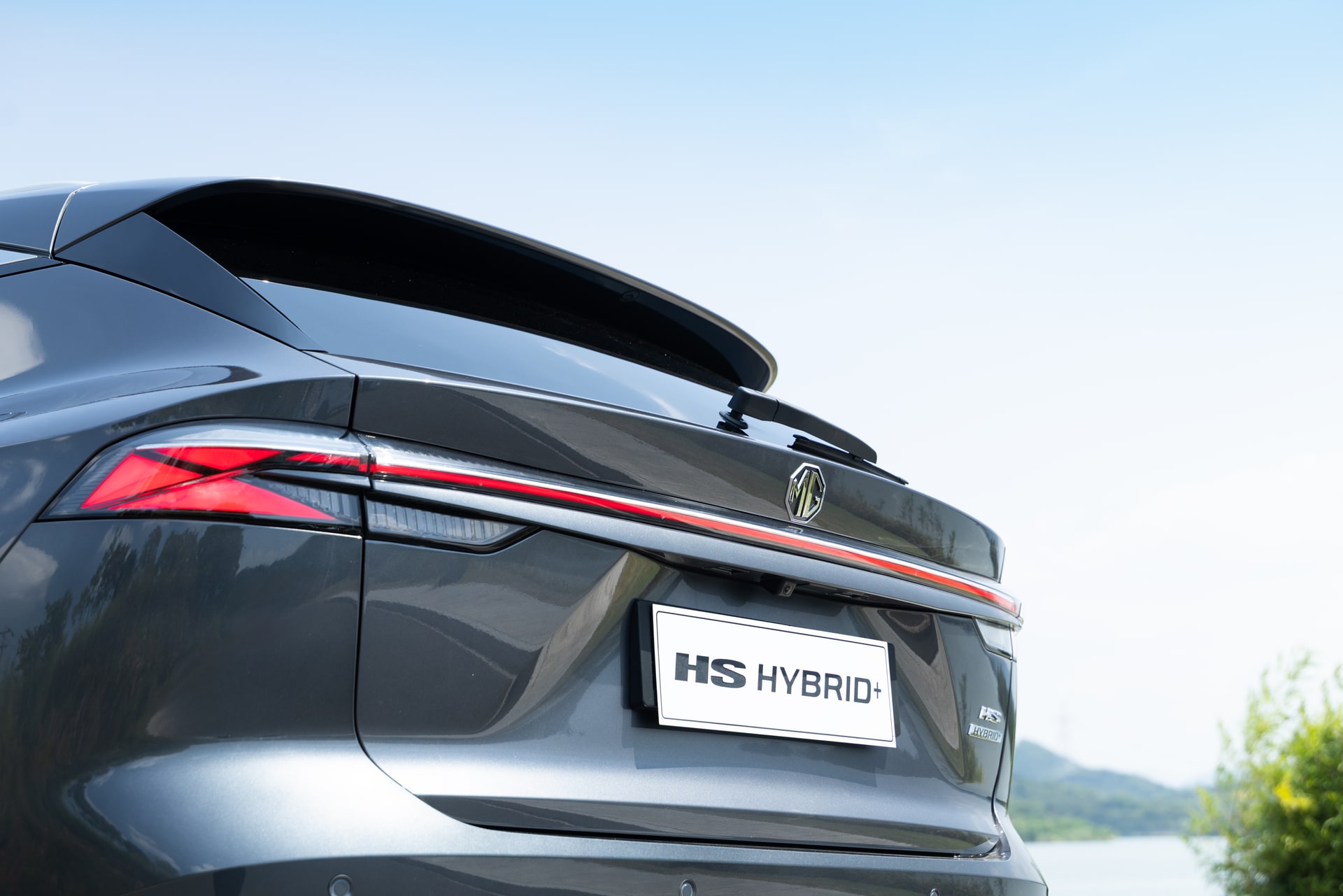
Two Chinese brands, two hybrid philosophies and one shared goal: to convince buyers looking for a large, well-equipped C-SUV that they don’t have to pay the €40,000 that the European mainstream brands ask for their top versions. The MG HS Hybrid+ plays the conventional hybrid card, with no plug, aimed at those who don’t want complications. The Jaecoo 7 SHS goes for the plug-in, with more power and the ability to run in pure electric mode for much of the week. Neither officially starts below €32,000 RRP, but both often come close to that figure with dealer discounts and occasional campaigns. Let’s look at the details.
MG HS Hybrid+ from €33,800: specs and first impressions
The version we compare is the Hybrid+ 1.5T 224 Comfort 5-door automatic, a conventional petrol-electric hybrid with no option for external charging. It delivers 220 CV and moves with ease in the city, where the electric motor takes on much of the work at low speed.
| Version | Power | Top speed | Consumption | CO₂ emissions | Fuel | Price from |
|---|---|---|---|---|---|---|
| Hybrid+ 1.5T 224 Comfort 5-door Auto. | 170 kW / 220 CV | 190 km/h | 5.5 l/100 km | 130 g/km | Hybrid (petrol/electric) | €33,800 |
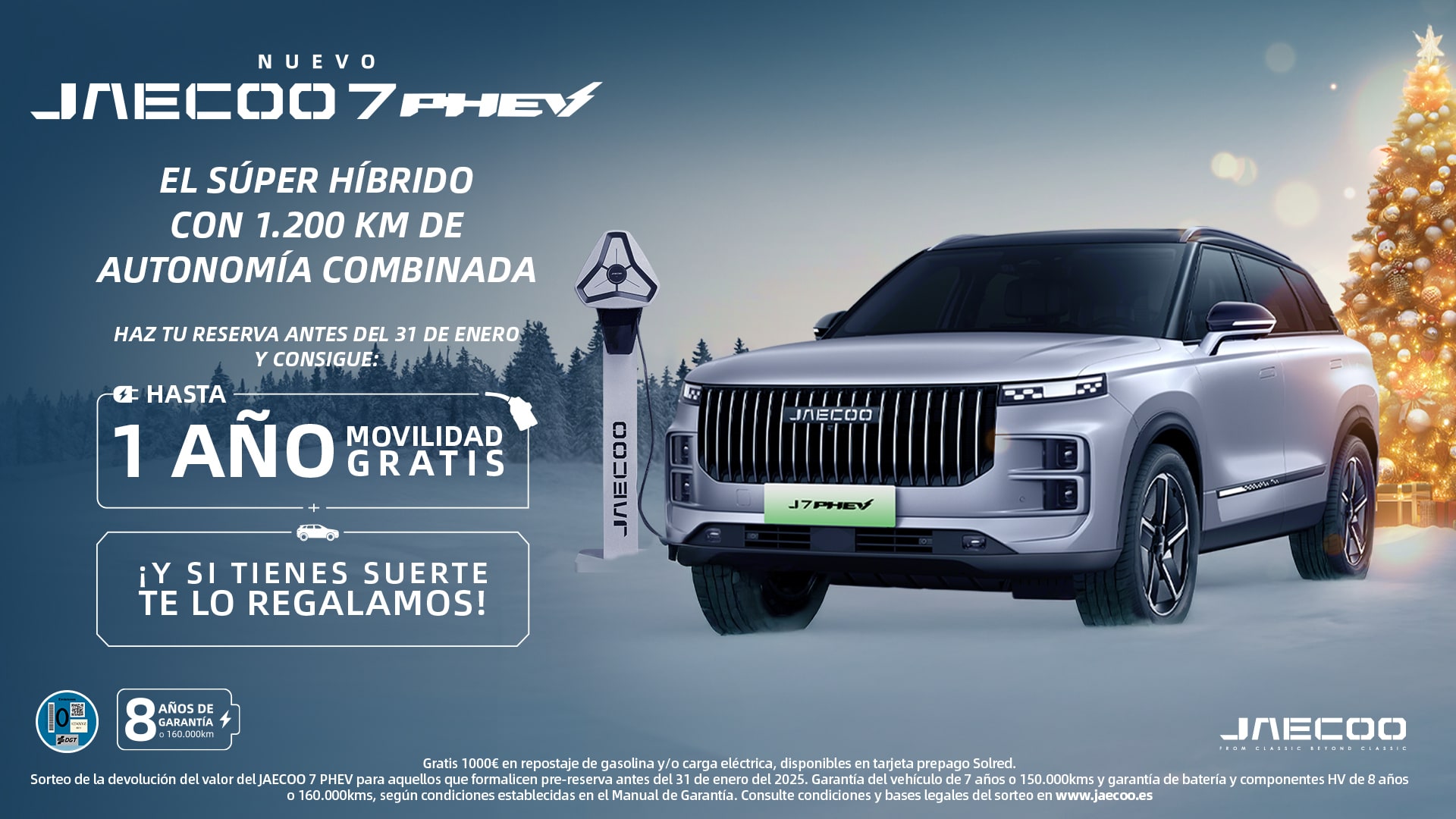
Jaecoo 7 SHS from €38,900: specs and first impressions
The Jaecoo 7 SHS fits a 1.5 TGDI combined with a plug-in hybrid system, 280 CV combined and an 18.5 kWh battery that gives it around 90 km of homologated electric range. The 0-100 km/h in 8.5 seconds leaves it light years ahead of the MG in throttle response, something that is especially noticeable when overtaking on the road.
| Version | Power | Torque | 0-100 km/h | Top speed | Electric range | Consumption | Battery | Fuel | Price from |
|---|---|---|---|---|---|---|---|---|---|
| 1.5 TGDI SHS | 210 kW / 280 CV | 370 Nm | 8.5 s | 180 km/h | 90 km | 0.5 l/100 km | 18.5 kWh | Plug-in hybrid (PHEV) | €38,900 |
Areas where the MG HS Hybrid+ wins by a mile
The entry price is the most obvious argument: almost €5,100 less in official RRP, which in financing translates into a noticeably lower monthly payment. And there is a second point that is often overlooked: not depending on a plug. If you live in a flat without a garage space with a wallbox, the MG spares you the problem of charging a battery that, without a convenient charging point, turns the Jaecoo into a PHEV that almost always runs as a pure petrol car of 1,700 kg.
Areas where the Jaecoo 7 SHS has no rival
Here the advantage is twofold and weighs heavily. First, real power: 280 CV versus 220, with 370 Nm of torque that translate into calmer overtaking on motorways. Second, and more relevant for the wallet of someone making short daily trips, the 90 km of electric range lets you cover 90% of typical urban use without touching the fuel tank. If you have a wallbox at home or at work, real fuel consumption can stay close to zero during the week.
Head-to-head comparison table
| Dimension | MG HS Hybrid+ | Jaecoo 7 SHS |
|---|---|---|
| Power | 220 CV | 280 CV |
| Fuel | Conventional hybrid | Plug-in hybrid (PHEV) |
| Electric range | Not applicable (no plug) | 90 km |
| Homologated consumption | 5.5 l/100 km | 0.5 l/100 km (with charged battery) |
| Top speed | 190 km/h | 180 km/h |
| Price from | €33,800 | €38,900 |
DGT label and electric range: the difference that matters most day to day
Here is the key that decides many purchases in cities with low-emission zones. The MG HS Hybrid+, being a hybrid without a plug, gets an ECO label. The Jaecoo 7 SHS, with its 90 km of homologated electric range, falls into the group of PHEVs with a ZERO label, the same one carried by pure electric cars. In Madrid Central or any restrictive ZBE, that means access and parking without time restrictions, something the MG cannot offer no matter how low its urban consumption is.
Real price after discounts: can you get below €32,000?
Neither officially appears below €32,000 RRP: the MG starts at €33,800 and the Jaecoo at €38,900. That said, in commercial practice both usually move with dealer discounts of between €1,500 and €3,000 depending on the campaign, which brings the MG relatively easily to that psychological barrier. The Jaecoo, for its part, needs to add a discount plus possible aid from the Plan Auto+ (check the current amount on the official website, as it varies) to get close to the same threshold. The RRP difference between the two is around 15%, a jump worth keeping in mind before being swayed solely by the power figure.
Summary table with score
| Model | Power | Electric range | Price from | Score (1-10) |
|---|---|---|---|---|
| MG HS Hybrid+ | 220 CV | Not applicable | €33,800 | 7.5 |
| Jaecoo 7 SHS | 280 CV | 90 km | €38,900 | 8 |
Verdict: which Chinese hybrid C-SUV to choose depending on your case
For short urban trips with the possibility of plugging in at home or at work, the Jaecoo 7 SHS clearly wins: ZERO label, 90 km electric and 280 CV that you notice on every overtake. For those who mostly drive on motorways or have no wallbox nearby, the MG HS Hybrid+ is the most sensible option, because you pay €5,100 less for a consumption of 5.5 l/100 km that depends on nobody charging a battery. If the criterion is pure price-performance ratio, the MG takes the point for its lower entry price; if the criterion is real running cost with a plug available, the Jaecoo recovers the difference in just over a year of urban driving. The prices quoted are indicative RRPs without discounts or aid, so it is worth requesting a real offer at the dealership before deciding. For those who already compare SUVs of other origins, the analysis of C-SUV hybrids with the best value for money helps put these two Chinese models in perspective against Korean and Japanese rivals.
Frequently asked questions
Which is better, the MG HS Hybrid+ or the Jaecoo 7 SHS?
It depends on use: the Jaecoo 7 SHS offers more power, a ZERO label and electric range; the MG HS Hybrid+ costs less and does not require a plug to perform well.
Does the Jaecoo 7 SHS have a ZERO label?
Yes. Being a plug-in hybrid with 90 km of homologated electric range, it meets the threshold for the DGT ZERO label.
Is it worth paying more for the Jaecoo 7 SHS?
Only if you can charge it regularly. Without an accessible wallbox, it almost always runs like a 1,720 kg petrol car and the price difference loses its meaning compared with the MG.
Are there Plan Auto+ aids for these models?
The Jaecoo 7 SHS, as a PHEV, usually meets the Plan Auto+ requirements; it is advisable to confirm the amount and current conditions on the official website before budgeting the purchase.

4 Comments
Pingback: Omoda 5 SHS vs MG ZS Hybrid+: qué SUV-B híbrido chino ofrece más coche por menos de 25.000€ – Comparativa de Coches
Pingback: Ford Puma review: hasta dónde llega el SUV-B británico como coche único urbano por menos de 30.000€ en 2026 – Comparativa de Coches
Pingback: Jaecoo 7 SHS review: hasta dónde llega el SUV-C híbrido chino como coche familiar único por menos de 32.000€ en 2026 – Comparativa de Coches
Pingback: Cómo elegir un SUV híbrido enchufable chino en 2026 según espacio interior, tecnología de serie y comodidad en viaje – Comparativa de Coches