

The entry-level Asian hybrid SUV has become the most interesting battleground in the Spanish market right now. Three Chinese brands, three different propositions, and one reader looking for the same thing: plenty of equipment without going over budget. Here we compare three typical candidates in that range, the Omoda 5 SHS, the MG ZS Hybrid+ and the Jaecoo 5, with the small print of each one on the table.
Before getting into the details, a necessary warning: all the prices you will read are manufacturer’s recommended RRP, with no dealer discounts or special campaigns. What you pay at the dealership can be (and usually is) different.
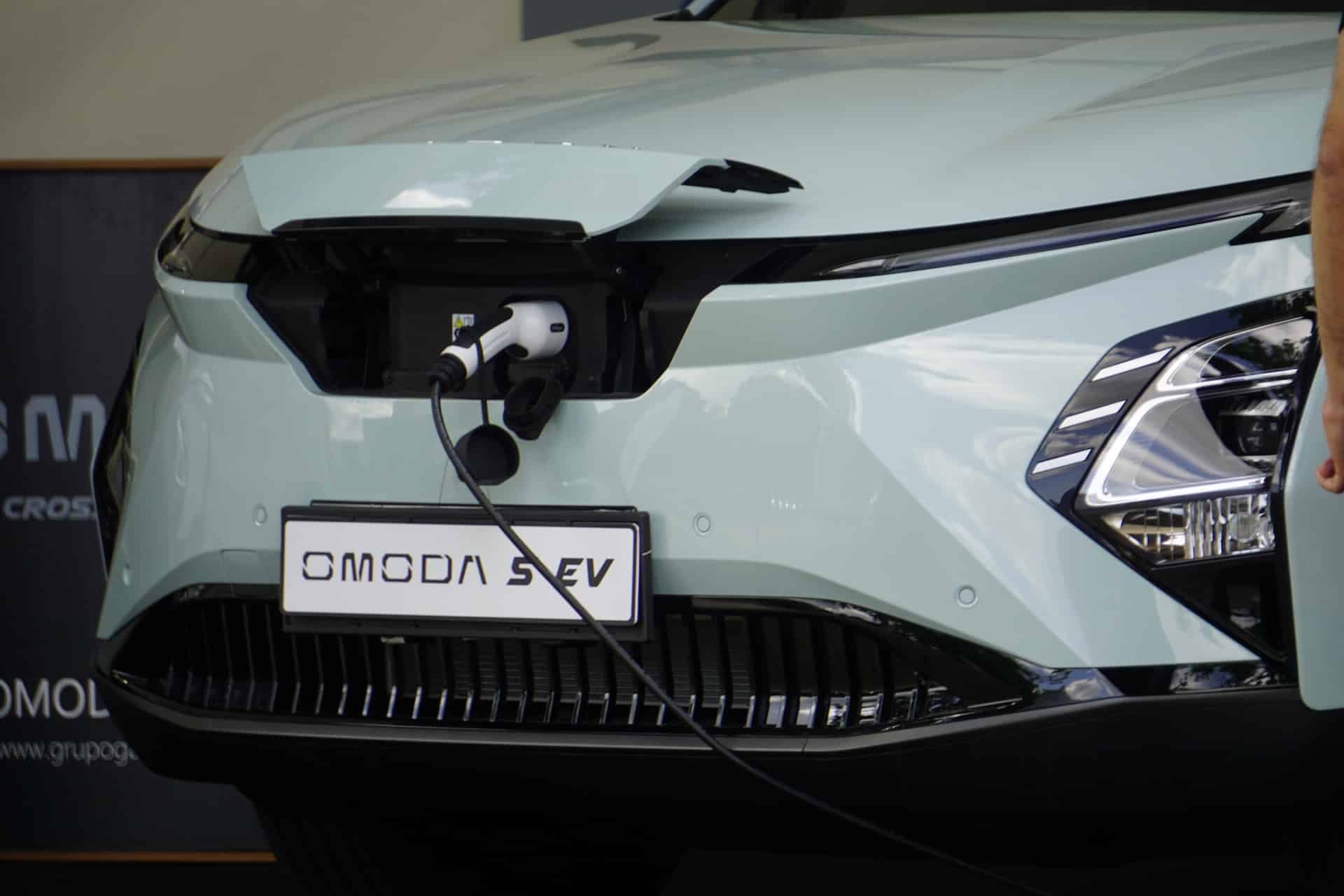
Omoda 5 SHS, from approximately €29,400: specs and what it offers
The Omoda 5 SHS features a 1.5 TGDI hybrid with around 220 CV combined, a figure that makes it the most powerful of the three by a considerable margin. It accelerates from 0 to 100 km/h in about 8 seconds, something that is not common in this segment. The problem is the price: it sits at around €29,400, the most expensive of the trio and the only one above €29,000.
| Power (kW) | Power (CV) | Top speed | Consumption | Fuel |
|---|---|---|---|---|
| ≈110 kW | ≈220 CV | ≈180 km/h | ≈5.5 l/100 km | Hybrid |
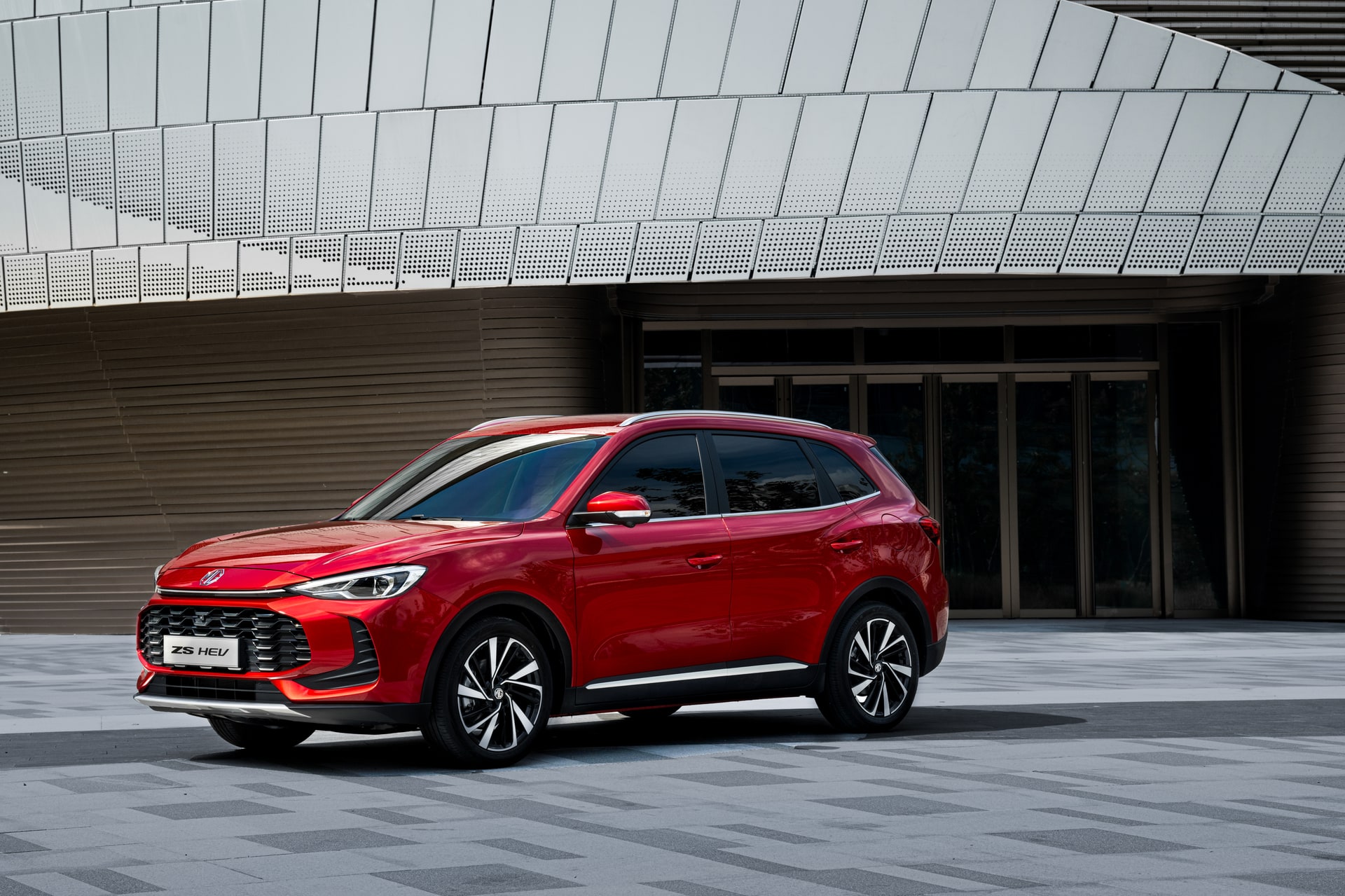
MG ZS Hybrid+, from approximately €23,300: specs and what it offers
This is the one that truly delivers on the promise of the headline. The MG ZS Hybrid+, in its 1.5 194 5-door Automatic version, starts at around €23,300, several thousand euros below its two rivals. And it is not a stripped-down version used to lower the entry price: it comes with 194 CV combined, enough to avoid feeling short on motorway slip roads, and a homologated consumption of around 5 l/100 km, the most efficient of the three.
| Power (kW) | Power (CV) | Top speed | Consumption | Fuel |
|---|---|---|---|---|
| ≈140 kW | ≈190 CV | ≈170 km/h | ≈5 l/100 km | Hybrid (petrol/electric) |
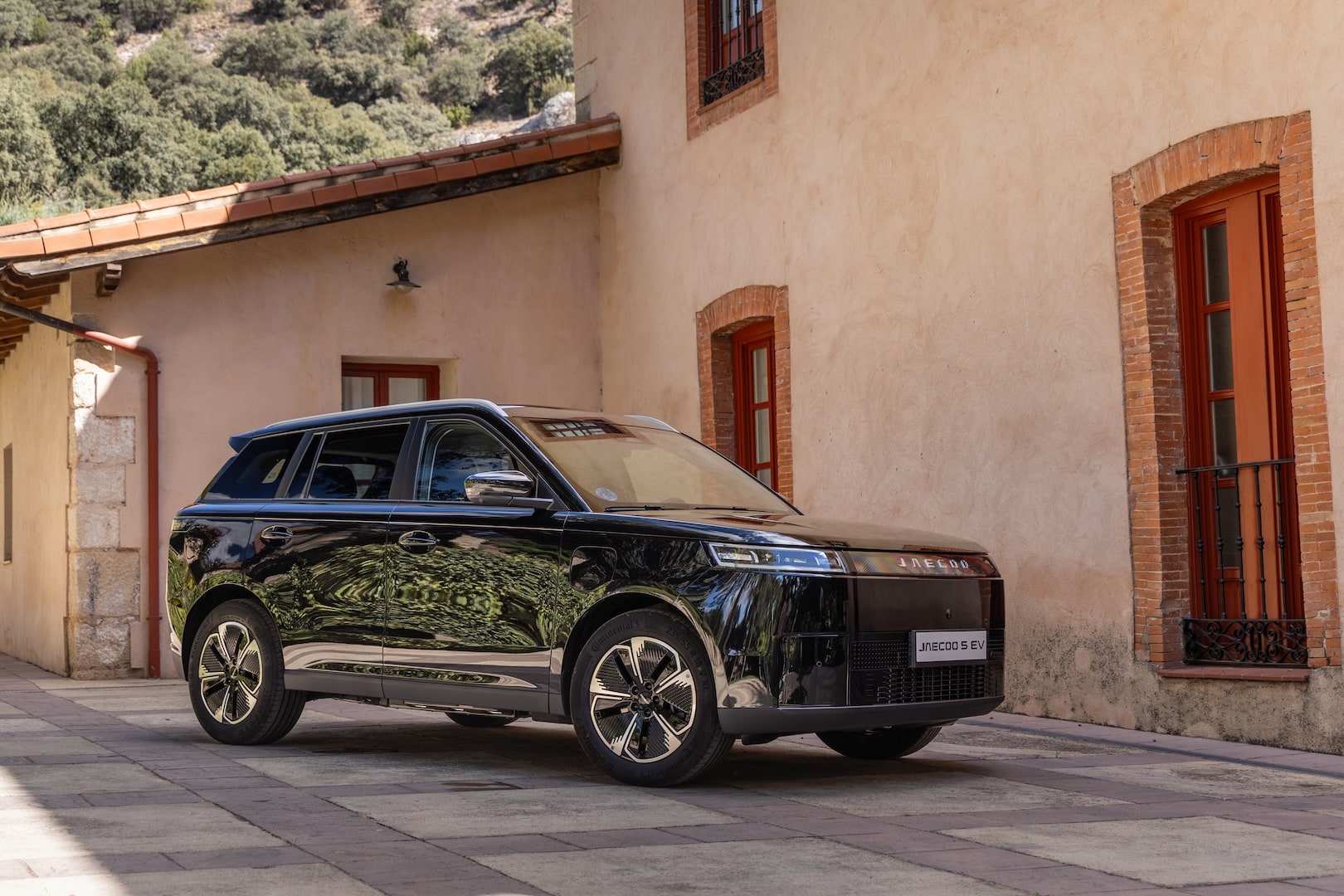
Jaecoo 5, from approximately €27,500: specs and what it offers
Here we need to pause for a moment, because the entry-level Jaecoo 5 at this price, the 1.6 TGDI 145 Pure with dual-clutch automatic gearbox, is petrol with Start/Stop, not hybrid. Jaecoo does sell a hybrid SHS variant, but it is not the one that falls within the price range we are analysing. It is worth knowing this before comparing apples with oranges: the Jaecoo 5 Pure produces around 150 CV and a consumption of about 7 l/100 km, well above its two electrified rivals.
| Power (kW) | Power (CV) | Top speed | Consumption | Fuel |
|---|---|---|---|---|
| ≈110 kW | ≈150 CV | ≈190 km/h | ≈7 l/100 km | Petrol |
Standard equipment: what each one includes for its price
The Omoda 5 SHS justifies much of its premium with a generous technology package: dual digital screens, complete driver assistance systems and an interior finish that feels a step above what you would expect given its market position. The MG ZS Hybrid+, although the cheapest, does not skimp on the essentials: automatic climate control, digital instrument cluster and standard smartphone connectivity, although the interior materials reveal where costs have been cut to reach that price. The Jaecoo 5, not being hybrid in this version, makes up for it with solid comfort equipment, but loses the efficiency advantage the other two have.
Power and consumption: real-world differences
In the city, where hybridisation makes the biggest difference, Omoda and MG take a clear lead over the Jaecoo. The ZS Hybrid+ is the most efficient of the three on the homologated figure, but the Omoda compensates with power that translates into more decisive overtaking on the open road. The Jaecoo 5, with its purely combustion powertrain, has a consumption about 40% higher than the MG on paper, a difference that in day-to-day use adds up to a fair number of euros per month if you drive high mileage.
Price: why only the MG ZS Hybrid+ drops below €27,000
The gap between the MG and the Omoda exceeds 25% in base RRP, which cannot be overlooked. The Jaecoo sits halfway, just €500 above the €27,000 threshold set in the title. If budget is the deciding factor, there is no contest here.
| Model | Price from | Fuel | Power | Consumption | Score |
|---|---|---|---|---|---|
| Omoda 5 SHS | €29,400 | Hybrid | 220 CV | 5.5 l/100 km | 7.5/10 |
| MG ZS Hybrid+ | €23,300 | Hybrid | 190 CV | 5 l/100 km | 8.5/10 |
| Jaecoo 5 Pure | €27,500 | Petrol | 150 CV | 7 l/100 km | 6.5/10 |
Verdict: which Asian hybrid SUV to choose depending on your case
If you are looking for a genuine hybrid under €27,000, the MG ZS Hybrid+ wins without question: it is the only one that meets that condition with room to spare, and it is also the most efficient of the three. If your budget gives you a little more leeway and you prioritise power and finish, the Omoda 5 SHS offsets its higher price with an experience that feels more premium behind the wheel. The Jaecoo 5, in this specific version, only makes sense if you don’t mind giving up hybridisation in exchange for a smooth automatic gearbox and a design that appeals in the showroom; as an entry-level Asian hybrid SUV, it is not the natural choice in this comparison. For anyone who has already looked at alternatives from the same Chinese manufacturer, the Omoda 5 SHS vs Toyota C-HR comparison nicely complements this analysis against an established Japanese rival.
Frequently asked questions
What is the cheapest Asian hybrid SUV under €27,000?
The MG ZS Hybrid+, priced from approximately €23,300, is the only one of the three that clearly stays below that threshold.
Is the €27,500 Jaecoo 5 a hybrid?
Not in the version analysed here. The 1.6 TGDI 145 Pure variant is petrol with Start/Stop. Jaecoo does sell an SHS hybrid version, but it falls outside the price range of this comparison.
Which Asian SUV offers the most power for the money?
The Omoda 5 SHS, with around 220 CV combined, although it is also the most expensive of the three, from approximately €29,400.
Which one uses less fuel in day-to-day driving?
The MG ZS Hybrid+ has the lowest homologated consumption, around 5 l/100 km, ahead of the Omoda 5 SHS and noticeably ahead of the petrol Jaecoo 5.
