

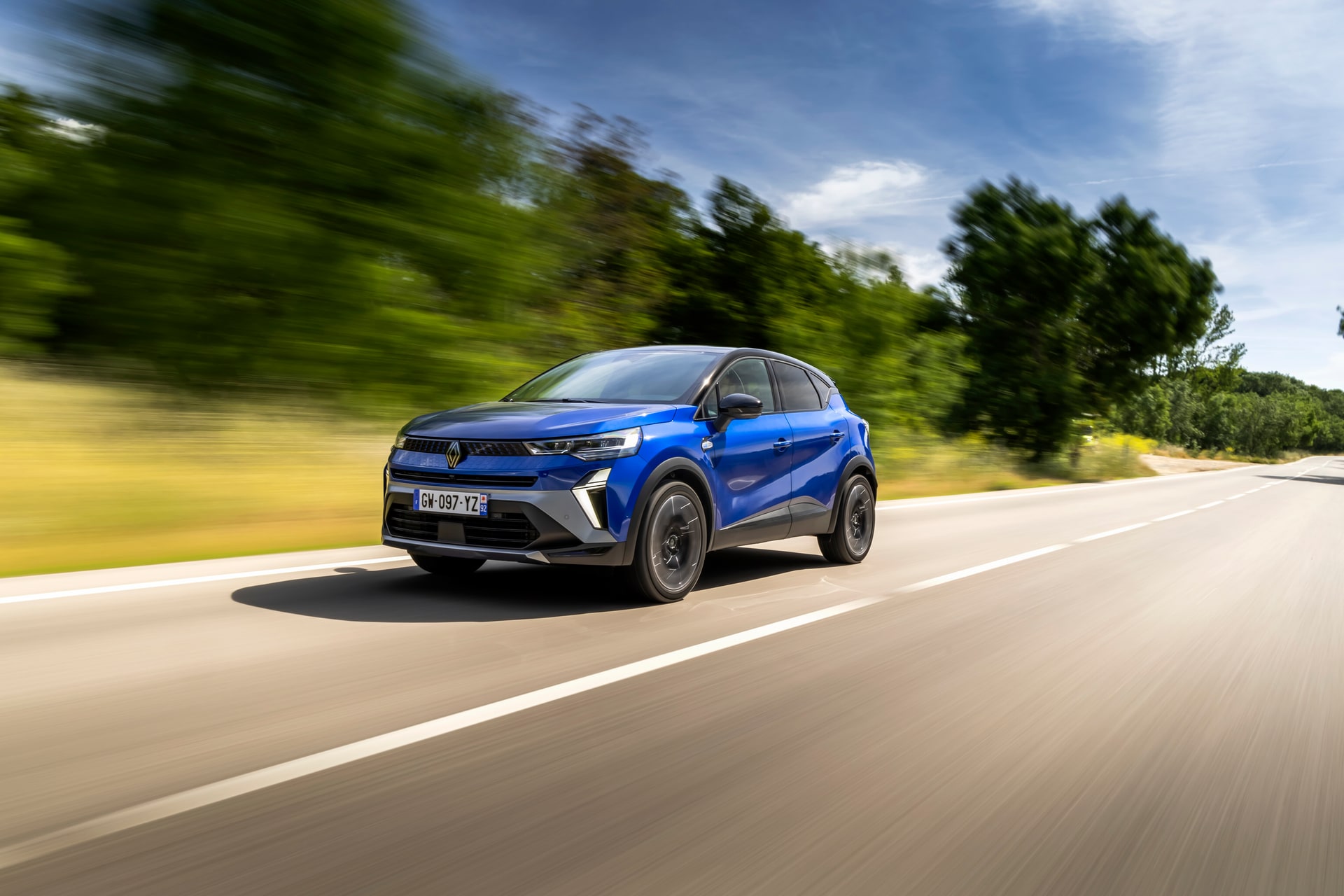
Can a hybrid SUV-B be the only car for a family that lives in the city during the week and escapes at weekends? That was the question we asked ourselves when we picked up the keys to the Renault Captur E-TECH, in its 1.6 145 Evolution CVT version, over several days of real use: traffic jams, the neighbourhood roundabout, and two round trips on the motorway. The short answer is yes, with nuances worth knowing before you sign.
Technical specifications and price: E-TECH engine, consumption and label
The Captur E-TECH features a self-charging hybrid powertrain of 110 kW (150 CV), with no need to plug in, paired with a CVT gearbox. Renault homologates a consumption of 4.5 l/100 km and 110 g/km of CO₂, figures that place the car among the leaders in its category. The price starts from 27,900 € RRP, bearing in mind that this is a manufacturer’s recommended price, without dealer discounts or one-off campaigns.
| Version | Fuel | Power | Top speed | Consumption | CO₂ | Price from |
|---|---|---|---|---|---|---|
| E-Tech 1.6 145 Evolution CVT | Hybrid (petrol/electric) | 110 kW / 150 CV | 170 km/h | 4.5 l/100 km | 110 g/km | 27,900 € |
In the city: where the Captur E-TECH feels at home
In urban traffic the Captur almost always starts in electric mode and stays in that condition during short trips with traffic lights. The real-world consumption we recorded in the city is around 4.2 l/100 km, very close to the official figure. And that, in a 4.23-metre car that parks without drama, is good news for anyone who does most of their mileage between home and work.
Motorway and weekend trip: the other test
The story changes on the motorway. There the combustion engine works for longer and consumption rises to 5.3-5.6 l/100 km on trips at a constant cruising speed, a difference worth keeping in mind if your “only car” involves more road than city. The CVT, admittedly, behaves smoothly during moderate overtaking, although it loses some energy if you demand sportiness from it.
Boot and space: how much luggage it really holds
The Captur E-TECH’s boot is around 422 litres depending on the configuration of the sliding rear seat, a figure that allows you to load the luggage for a weekend getaway for two adults without any complicated packing. For a family of four with large suitcases, the margin narrows.
Against its rivals: Toyota Yaris Cross, Hyundai Kona Hybrid and Nissan Juke Hybrid
Captur E-TECH vs Toyota Yaris Cross: pure city
The Yaris Cross has a well-deserved reputation for using little fuel in the city, backed by Toyota’s hybrid experience. Where the Captur wins is in the perceived space in the second row and in the feeling of a more generous cabin and boot.
Captur E-TECH vs Hyundai Kona Hybrid: size and price
The Kona Hybrid plays in a slightly larger size category, which translates into more rear space but also a price step above. If budget is the priority, the Captur reaches the goal sooner.
Captur E-TECH vs Nissan Juke Hybrid: character and sportiness
With the Juke Hybrid the fight takes place on home turf: identical segment, similar hybrid philosophy. The Nissan opts for a bolder design and a somewhat more agile drive; the Captur responds with a more practical boot for day-to-day use.
Comparison table: Captur E-TECH against its hybrid rivals
| Model | Segment | Mechanics | Score (1-10) | Best for |
|---|---|---|---|---|
| Renault Captur E-TECH | SUV-B | 150 CV hybrid | 8.2 | Balance city-trip |
| Toyota Yaris Cross | SUV-B | Hybrid | 8.0 | Minimum consumption in the city |
| Hyundai Kona Hybrid | SUV-B/C | Hybrid | 7.8 | Rear space |
| Nissan Juke Hybrid | SUV-B | Hybrid | 7.6 | Character and design |
The best of the Captur E-TECH
The consumption-price ratio in the city is probably its best asset: 4.5 l/100 km homologated with a CO₂ label of 110 g/km and an entry price below 28,000 €. The boot, generous for the segment, adds points for anyone who needs a single versatile car.
What falls short
On sustained motorway driving consumption climbs above 5.5 l/100 km, a difference that weighs if long journeys are frequent rather than the exception. It is also not the most dynamic to drive if you are looking for sporty character; there the Juke Hybrid scores better.
Price from 27,900 € and Plan Auto+
The entry RRP of 27,900 € corresponds to the Evolution version analysed, without promotions. Anyone looking to reduce that outlay can check the current conditions of the Plan Auto+ on the official website, as the amounts vary and should be verified before calculating the final price.
Verdict: who is the Captur E-TECH a good only car for?
For intensive urban use with the occasional getaway, the Captur E-TECH is one of the most sensible options in its segment: low consumption, a practical boot and a competitive entry price. If long journeys are the main feature almost every weekend, the Yaris Cross performs slightly better on sustained consumption. And if what you want is character and a more lively drive through bends, the Juke Hybrid takes that round. In terms of price-performance for a only city and weekend car, the Captur E-TECH wins.
Frequently asked questions
How much does the Renault Captur E-TECH really consume day to day?
In the city, real consumption approaches the homologated 4.2-4.5 l/100 km. On sustained motorway driving it rises to 5.3-5.6 l/100 km.
Is the Renault Captur E-TECH’s boot enough for a weekend trip?
With around 422 litres, it comfortably covers the luggage of two adults for a short getaway, although it feels tighter with four occupants and large suitcases.
How much does the Renault Captur E-TECH cost in 2026?
The price starts from 27,900 € RRP for the Evolution 145 CV version, not counting discounts or Plan Auto+ aid.
Which rival puts up the best fight against the Captur E-TECH?
The Toyota Yaris Cross is the most competitive on urban consumption, while the Nissan Juke Hybrid offers more dynamic character. The Captur prevails on overall price-boot balance.

1 Comment
Pingback: Range Rover Evoque review: hasta dónde llega el SUV-C premium británico por su diseño y presencia en 2026 – Comparativa de Coches