

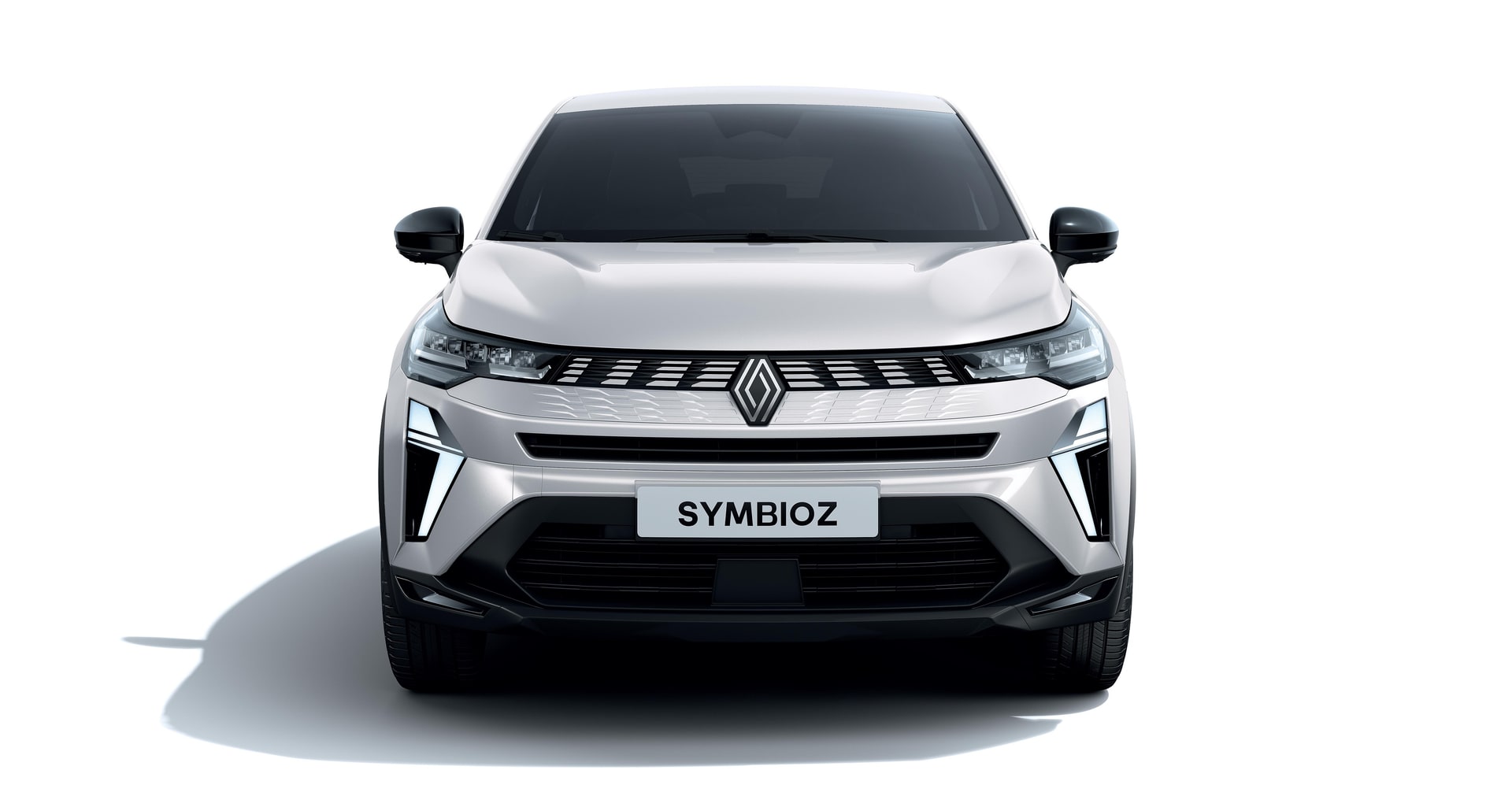
Setting a €35,000 ceiling for a hybrid C-SUV in 2025 seems reasonable. On paper there are half a dozen candidates. Once you step into the dealership, the list gets very short. Very short indeed. Of the three protagonists of this comparison, only one stays within the starting budget without asking for a discount, Plan Auto+ aid or conditional financing.
Before getting into it: the prices you will see here are the manufacturer’s recommended retail prices (RRP), without dealer discounts, occasional campaigns or public aid. They are the starting point, not the final figure you will sign for.
The €35,000 filter: who makes the cut and who doesn’t
The short answer is blunt. Only the Renault Symbioz, in its Mild Hybrid 1.3 TCe 140 Techno version, meets the filter with room to spare: from about €31,300. The Nissan Qashqai e-Power Acenta starts at around €37,700, and the 230 hp Hyundai Tucson Hybrid starts at around €39,500. That means €6,400 and €8,200 more than the French model respectively, a gap well above 15% that conditions everything else.
That said, putting them in the same piece is not a trap: all three target the same buyer, a family on a tight budget, mixed use, and a desire for an ECO label, and it is worth seeing exactly what you buy when you pay that extra €6,000-8,000.
Renault Symbioz Mild Hybrid 1.3 TCe 140 Techno: from ≈€31,300
The Symbioz plays the price card openly. Technically it is a 48V mild hybrid with the 140 hp 1.3 TCe, not a full hybrid like its rivals here. That means real-world consumption of around 6 l/100 km in mixed use: decent, but not competitive with an e-Power or a Tucson HEV when you add dense city driving.
In return, the Techno trim comes with a 10" OpenR screen, navigation, dual-zone climate control, rear camera and the full ADAS package. And yes, a DGT ECO label, which is what many urban buyers were looking for.
| Power | Top speed | Consumption | Label | Fuel |
|---|---|---|---|---|
| 100 kW / 140 hp | ≈180 km/h | ≈6 l/100 km | ECO | Petrol mild hybrid |
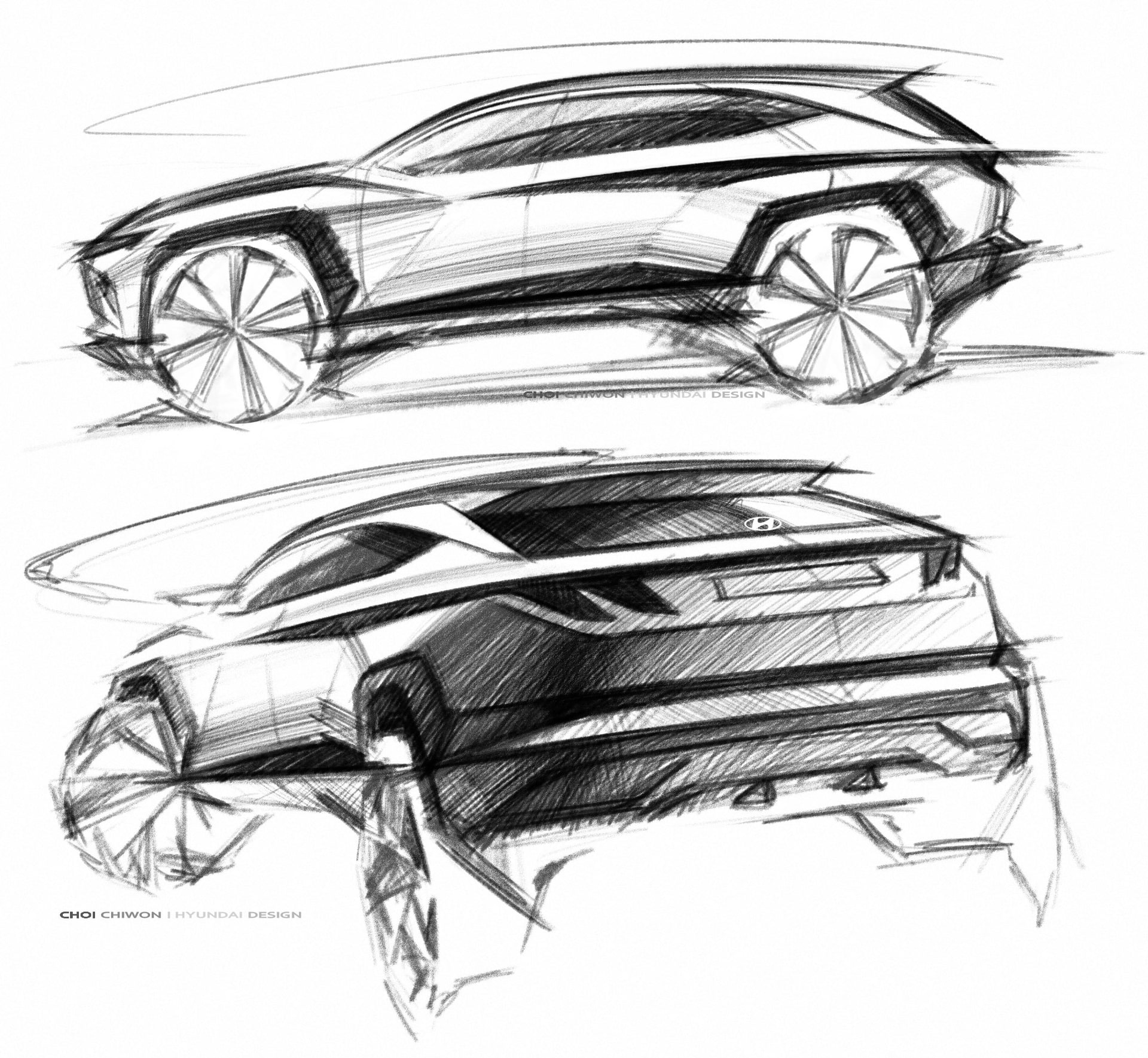
Hyundai Tucson Hybrid 1.6 T-GDI 230 hp: from ≈€39,500
The Tucson is the most powerful and the most expensive. Its 1.6 T-GDI hybrid delivers 230 hp, does 0-100 km/h in around 8 seconds and homologates at around 5.5 l/100 km. On open road you notice it: it overtakes with ease and does not have to work hard to keep pace with a family and a full boot.
The interior is clearly a step above the Symbioz in materials and perceived finish, with a 12.3" dual screen on the higher trims and generous room thanks to its 4,500 mm length. The 5-year unlimited-mileage warranty remains a weighty argument against Renault’s and Nissan’s 3 years.
| Power | Torque | 0-100 | Top speed | Consumption | Label | Fuel |
|---|---|---|---|---|---|---|
| 170 kW / 230 hp | 350 Nm | ≈8 s | ≈190 km/h | ≈5.5 l/100 km | ECO | Petrol hybrid |
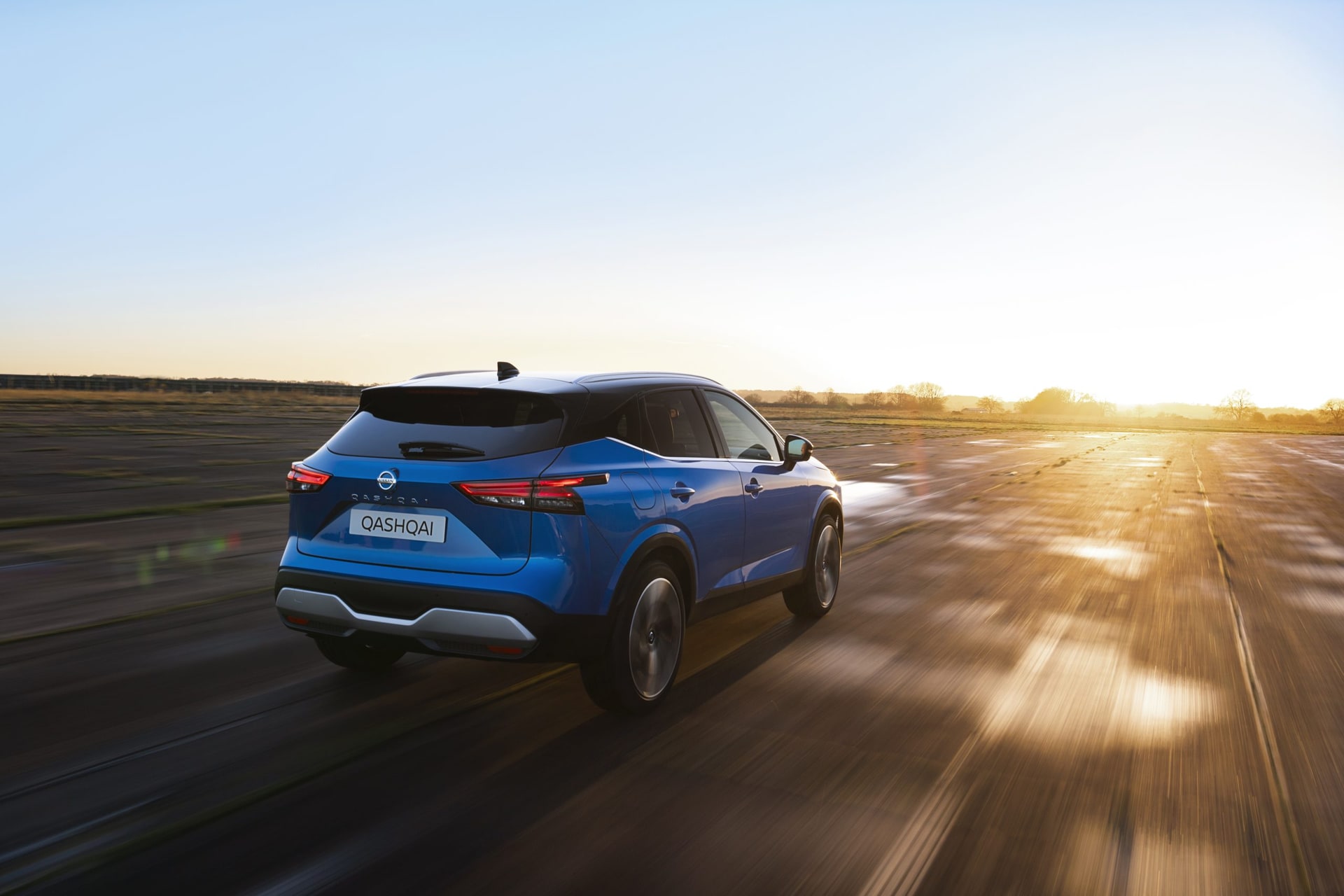
Nissan Qashqai e-Power Acenta: from ≈€37,700
Of the three, the Qashqai e-Power offers the most distinctive driving experience. The wheels are always driven by the 190 hp electric motor; the 1.5 petrol engine only acts as a generator. The result: immediate throttle response, silence in town and a homologated consumption close to 5 l/100 km that holds up well in dense urban traffic, exactly where the Symbioz falls short.
On the motorway, however, the series layout loses some of its charm: the combustion engine revs up without the car accelerating in proportion, and the sense of refinement drops. This is not a defect, it is its nature. You need to understand it before signing.
| Power | Top speed | Consumption | Label | Fuel |
|---|---|---|---|---|
| 140 kW / 190 hp | ≈170 km/h | ≈5 l/100 km | ECO | Series petrol/electric hybrid |
Where each one wins, without false equivalence
- The Symbioz wins on: absolute price (it is the only one within the target) and equipment-per-euro of the Techno trim.
- The Tucson wins on: performance (230 hp is in another league) and warranty (5 years versus 3). Also on perceived interior quality.
- The Qashqai e-Power wins on: the feel of driving in town thanks to its 100% electric drive, and urban refinement.
Comparative summary table with score
| Model | Power | Consumption | Price from | Warranty | Technology | Overall score /10 |
|---|---|---|---|---|---|---|
| Renault Symbioz Techno | 140 hp | ≈6 l/100 | ≈€31,300 | 3 years | 48V mild hybrid | 8.0 |
| Hyundai Tucson Hybrid | 230 hp | ≈5.5 l/100 | ≈€39,500 | 5 years | Parallel hybrid | 7.8 |
| Nissan Qashqai e-Power | 190 hp | ≈5 l/100 | ≈€37,700 | 3 years | Series hybrid | 7.5 |
The Symbioz score reflects the article’s price filter. Without that filter, the Tucson would rise on warranty and performance, and the Qashqai on urban refinement, something we already pointed out when analysing how these three hybrid C-SUVs move around the city.
Verdict: what to buy depending on your case
- If your budget is a strict €35,000: Renault Symbioz Techno. It is the only one that fits without asking favours. You accept a mild hybrid instead of a full hybrid and somewhat higher urban consumption, but you get a new, well-equipped C-SUV with an ECO label without breaking the budget.
- If you do a lot of city driving and can stretch to €38,000: Nissan Qashqai e-Power. Its electric drive handles traffic jams better than anyone in the trio.
- If you prioritise performance, a long warranty and motorway trips with family and luggage: Hyundai Tucson Hybrid. It is the most expensive, but the extra €8,200 over the Symbioz is justified by power, coverage and perceived quality.
The RRP difference between the Symbioz and its rivals exceeds 20%. For many buyers, that figure closes the debate before it starts.
Frequently asked questions
Is the Renault Symbioz a "real" hybrid?
It is a 48V mild hybrid: the electrical system assists the petrol engine but does not drive the car by itself. It carries an ECO label, but it is not equivalent to a full hybrid like the Tucson or an e-Power like the Qashqai in urban consumption.
How much does a Hyundai Tucson Hybrid really cost below €35,000?
At the official RRP, it does not. It starts at around €39,500. To get below €35,000 you would need to combine dealer discounts, the brand’s own financing and, where applicable, current Plan Auto+ aid. Check the official website for up-to-date amounts.
What is the difference between the Qashqai e-Power’s series hybrid and a conventional hybrid?
In the e-Power the petrol engine never drives the wheels: it only generates electricity for the electric motor that does. A parallel hybrid like the Tucson combines both engines on the wheels as needed. The e-Power is more pleasant in town; the parallel system performs better on the motorway.
Which of the three has the best warranty?
Hyundai, with 5 years and unlimited mileage. Renault and Nissan offer 3-year factory warranties. This is an argument especially relevant if you do many kilometres a year or plan to keep the car for more than 5 years.

1 Comment
Pingback: Hyundai Kona Hybrid vs Toyota C-HR vs Renault Captur E-TECH: qué SUV-B híbrido urbano convence más por menos de 30.000€ – Comparativa de Coches