

The self-charging hybrid SUV segment under €35,000 has become the most contested area of the Spanish market. There are options for everyone: from the Dacia that verges on the austere to the Toyota that has spent two decades refining the recipe. The hard part isn’t finding a car. The hard part is getting yours right.
I have picked the five models that best fit the price-equipment-consumption bracket for 2026, with the list price already discounted by brand and full-hybrid mechanics (no disguised mild hybrids). The criteria: a reasonable €/CV ratio, WLTP combined consumption below 5.5 l/100 km, ECO label and a minimum five-year warranty or standard equipment that compensates if it doesn’t have one.
How we chose these five hybrid SUVs
Three hard filters. First, final list price below €35,000 in the trim worth getting (not the bare entry-level trim that almost nobody buys). Second, self-charging hybrid mechanics approved as ECO by the DGT — no PHEVs and no 48V mild hybrids. Third, real availability at Spanish dealerships in 2026, with stock and reasonable delivery times.
From there, four variables carry weight: combined WLTP consumption, a minimum boot of 400 litres (with a justified exception for B-SUVs), warranty and standard equipment in the compared trim. We use price per CV as a sanity check, not as the sole judge — a very cheap 95 CV car isn’t always a better buy than a slightly more expensive 140 CV one.
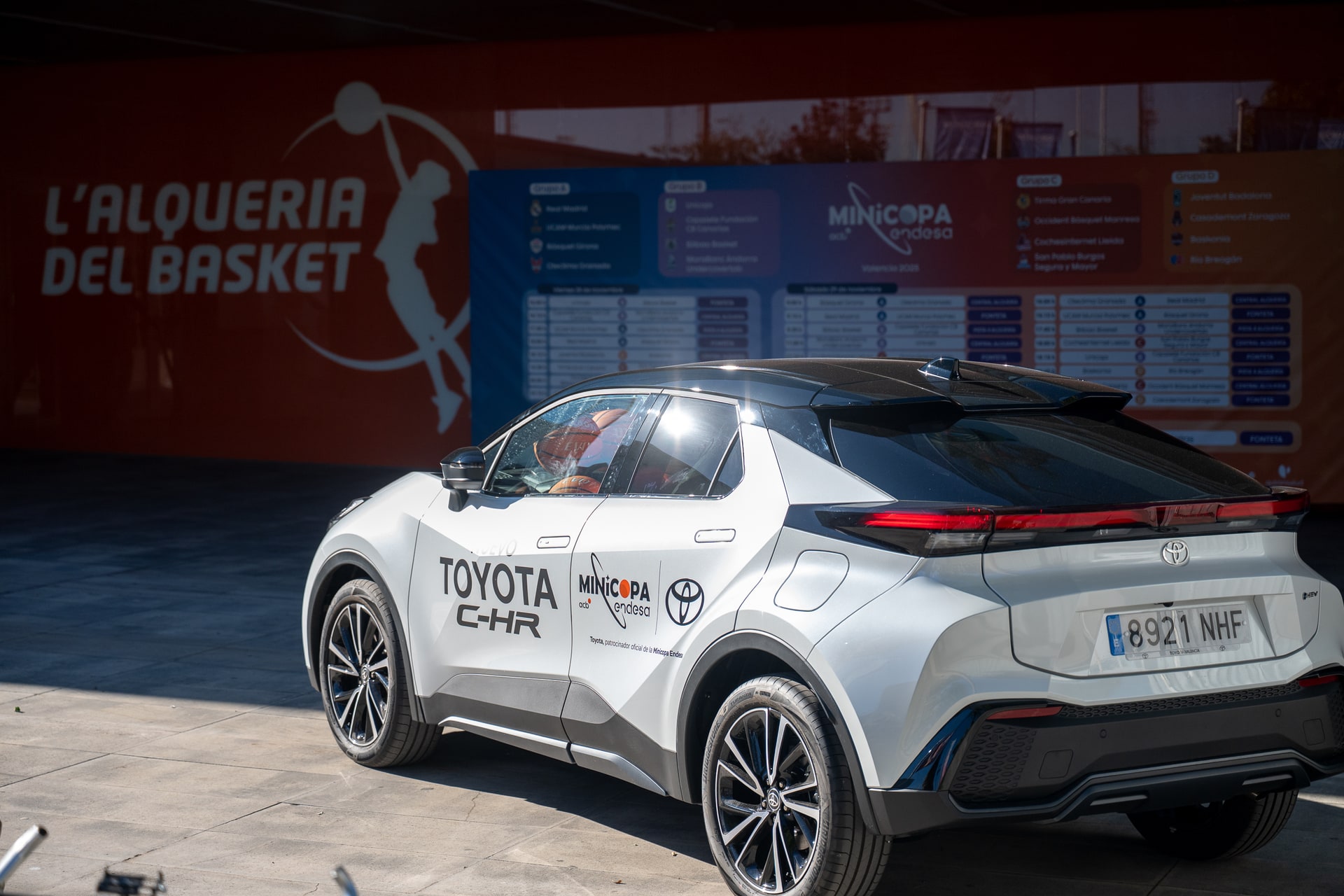
Toyota C-HR 1.8 Hybrid Active — from €32,900
The second-generation C-HR is, today, the benchmark of the segment. Not because it is the cheapest or the most spacious, but because Toyota’s fifth-generation hybrid system is still the most refined in the city: it runs on electric power 60-70% of the time in traffic and homologates 4.8 l/100 km, figures that are actually achieved in real use. The downside: the 388-litre boot falls short against its direct rivals, and the rear seats are still darker than they should be.
The Active trim already comes with dual-zone climate control, a rear camera, the full Toyota Safety Sense suite and a 12.3" screen. The Toyota Relax warranty can be stretched to 10 years if you keep up with servicing at the official network — a weighty argument that almost nobody in the segment matches.
| Power | CV | WLTP consumption | Label | Fuel |
|---|---|---|---|---|
| 103 kW | 140 CV | 4.8 l/100 km | ECO | Hybrid |
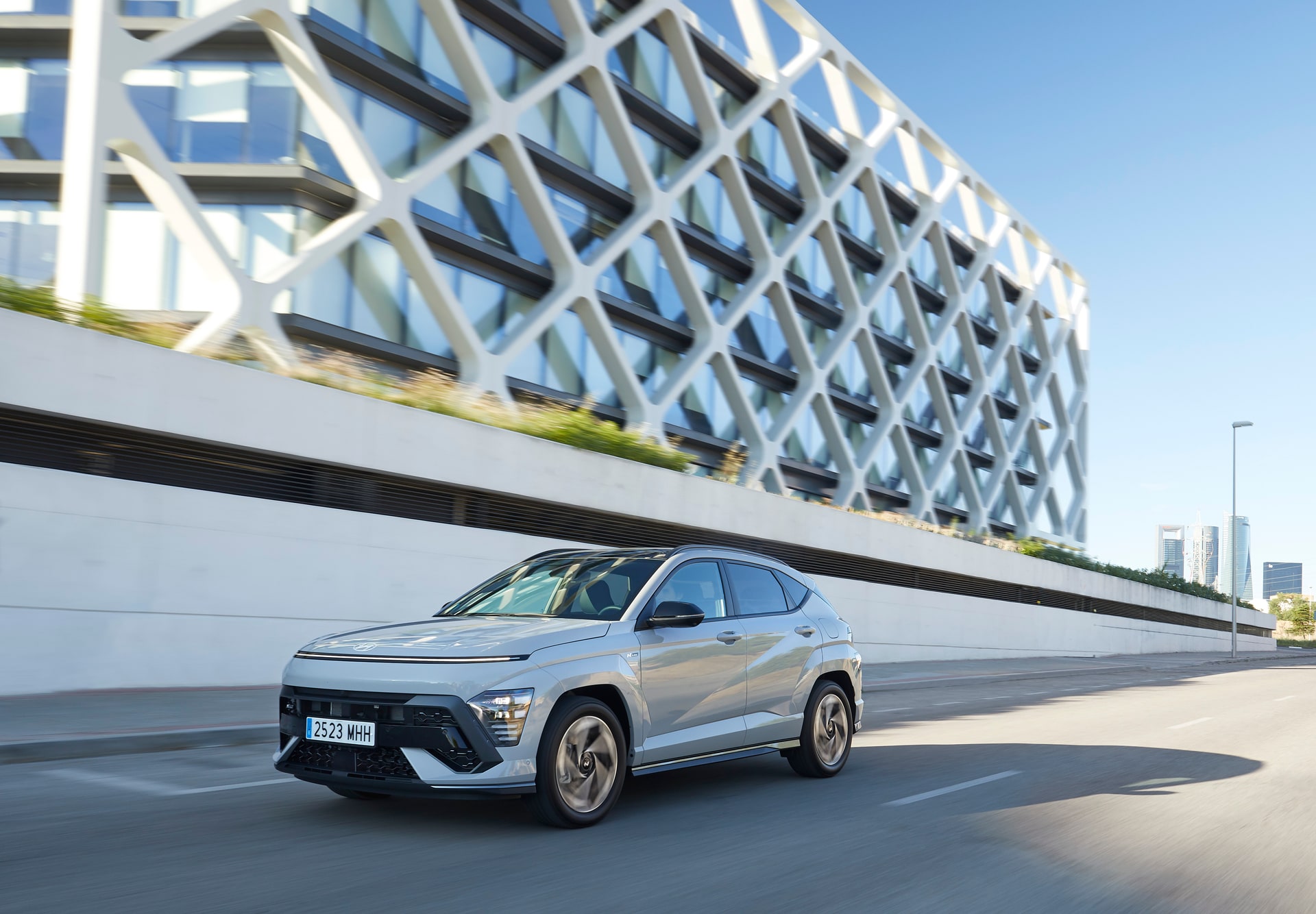
Hyundai Kona Hybrid Maxx — from €31,650
The hybrid Kona is the more rational alternative to the C-HR if you value interior space and a generous warranty with no fine print. 466 litres of boot (almost 80 more than the Toyota), rear seats comfortable for two adults without complaint, and Hyundai’s 5-year warranty with no mileage limit as a safety net. The 1.6 GDI engine with electric assistance produces 141 CV and homologates 4.9 l/100 km.
Where it loses out: refinement. The dual-clutch transmission with electric assistance isn’t as smooth as Toyota’s eCVT in dense traffic — there’s a slight jolt when switching from electric to combustion mode. On the motorway it rides just as well, but in town the Toyota still leads.
| Power | CV | WLTP consumption | Label | Fuel |
|---|---|---|---|---|
| 104 kW | 141 CV | 4.9 l/100 km | ECO | Hybrid |
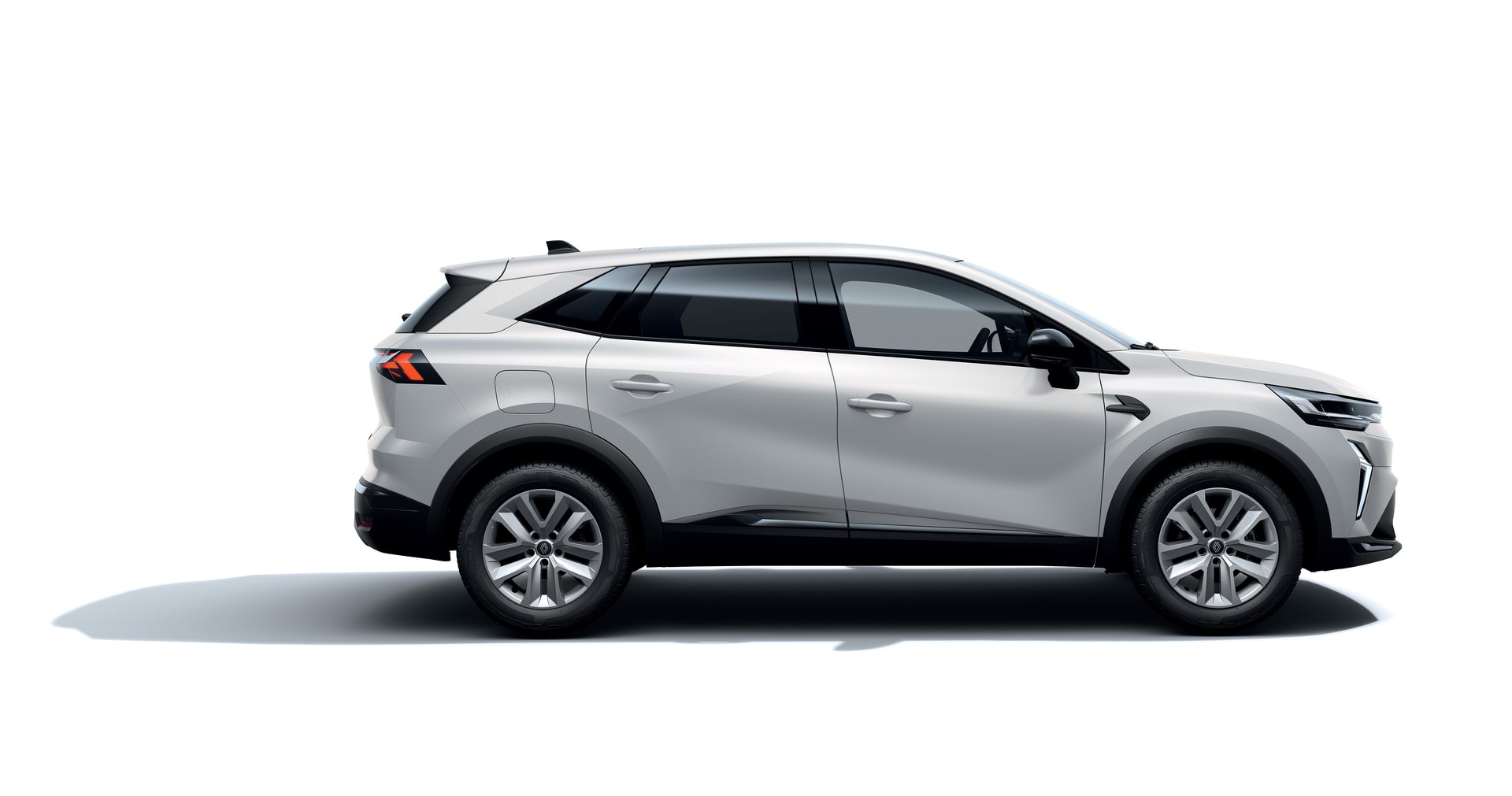
Renault Symbioz E-Tech 145 Techno — from €30,900
The Symbioz is the newcomer with weighty arguments. The same E-Tech full hybrid system as the Austral but in a more compact format and, above all, cheaper. The best part: its clutch-based system handles city driving surprisingly well, with silent electric pull-away and a homologated 4.7 l/100 km. 492 litres of boot (expandable to 624 with the sliding rear bench), which makes it the most practical of the five.
The Techno trim already includes a 10.4" OpenR screen, dual-zone climate control, a 360º camera and the main ADAS features. The catch? The Renault network has not yet demonstrated with this hybrid system the long-term reliability that Toyota has. It’s a reasonable bet, not a certainty. If you want to go deeper into how it compares with its direct rivals, the Symbioz, C-HR and Qashqai showdown gives more context for urban use.
| Power | CV | WLTP consumption | Label | Fuel |
|---|---|---|---|---|
| 107 kW | 145 CV | 4.7 l/100 km | ECO | Hybrid |
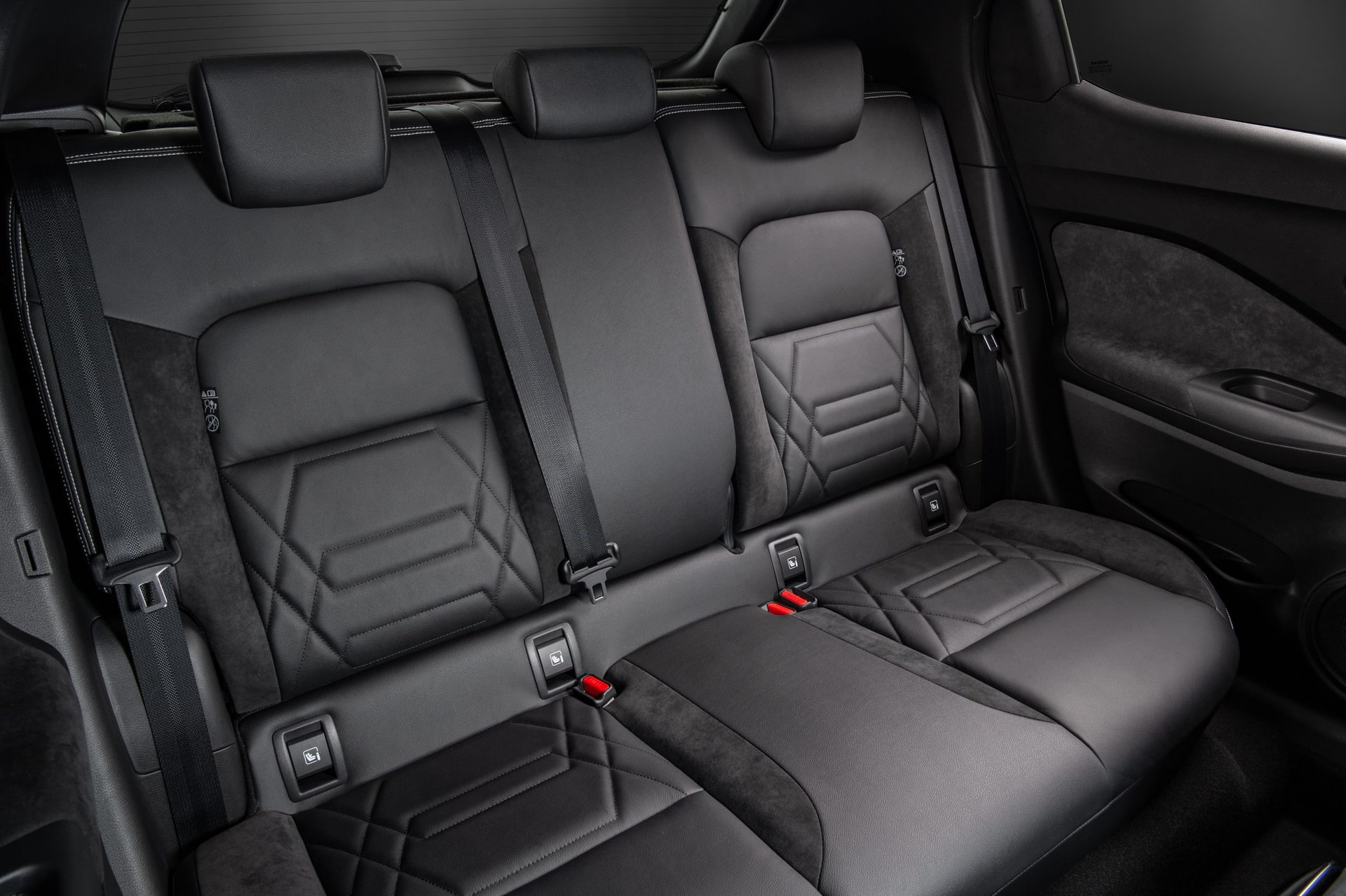
Nissan Juke Hybrid N-Connecta — from €29,400
The Juke Hybrid uses the same powertrain as the Captur/Symbioz but adapted to an urban-focused B-SUV. 143 CV combined, 5.0 l/100 km WLTP and electric pull-away guaranteed up to around 55 km/h. In the city it runs smoothly. The structural drawback: a boot of only 354 litres (worse in the hybrid version than in the petrol one because of the battery under the floor) and rear seats that are tight for adults.
In return, the N-Connecta comes with very complete equipment for less than €30,000: ProPILOT, a 360º camera, a 12.3" screen and wireless Apple CarPlay/Android Auto. If your use is 90% urban and you rarely carry anyone in the back other than children, it is a very rational purchase.
| Power | CV | WLTP consumption | Label | Fuel |
|---|---|---|---|---|
| 105 kW | 143 CV | 5.0 l/100 km | ECO | Hybrid |
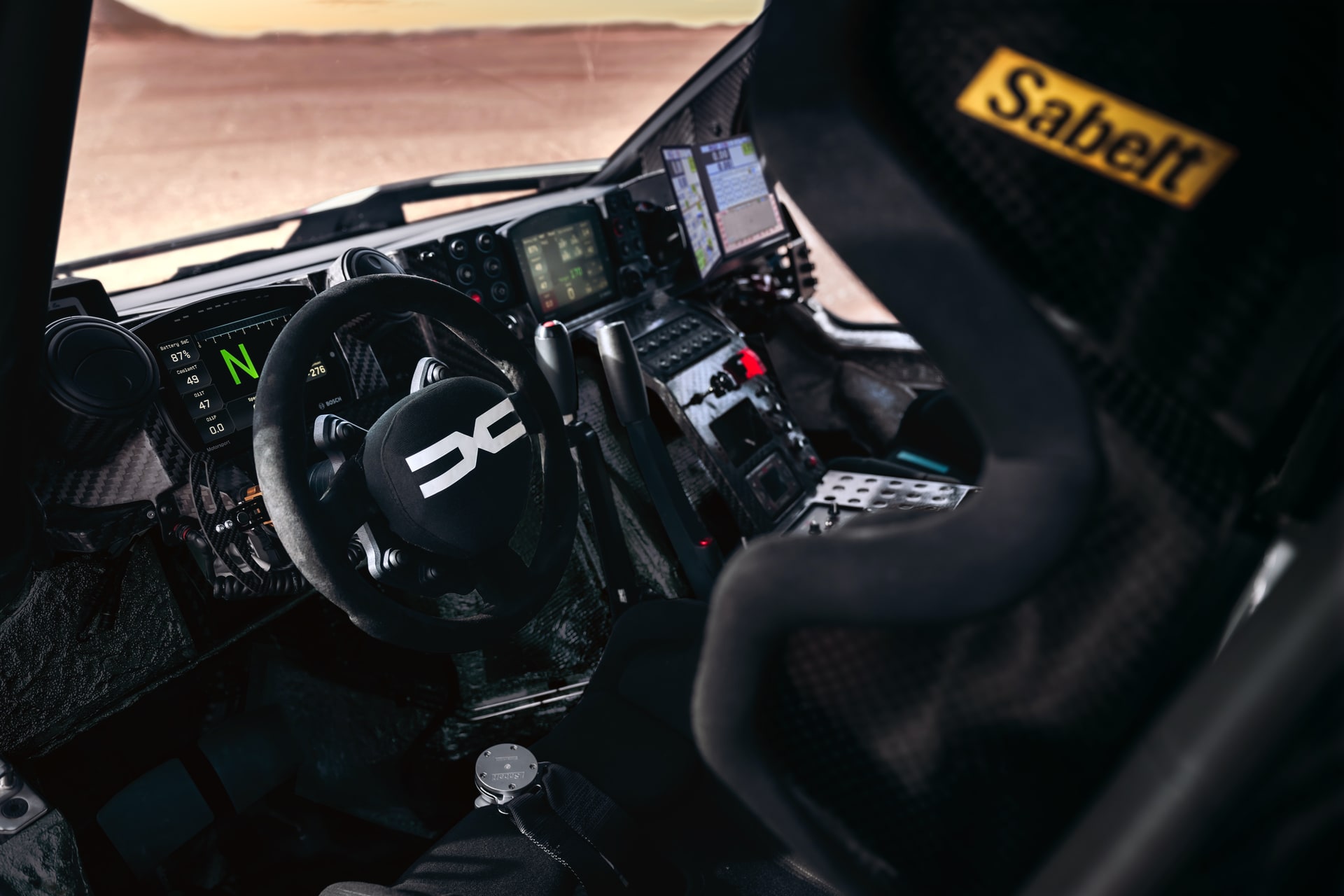
Dacia Duster Hybrid 140 Journey — from €24,990
The Duster Hybrid breaks the logic of the ranking: it costs between €5,000 and €10,000 less than the rest, with the same E-Tech 140 system from the Renault group. 140 CV, 5.0 l/100 km WLTP, 430 litres of boot and a Journey trim that includes climate control, a 10" screen, a 360º camera and satnav. It is, by far, the best value per euro in the segment.
The cost of that offer? Less soundproofing than the rest, hard plastics everywhere and cruder dynamics on the motorway. If you’re coming from a premium car you’ll notice the step down; if you’re coming from a five-year-old city car, it will feel like a bargain. Dacia’s standard warranty is 3 years, extendable to 6 for about €500 — something to factor into the equation.
| Power | CV | WLTP consumption | Label | Fuel |
|---|---|---|---|---|
| 103 kW | 140 CV | 5.0 l/100 km | ECO | Hybrid |
Summary table and score
| Model | Price from | CV | WLTP consumption | Boot | Warranty | Score /10 |
|---|---|---|---|---|---|---|
| Toyota C-HR 1.8 Hybrid Active | €32,900 | 140 | 4.8 l | 388 l | 3 years (up to 10 with Relax) | 8.8 |
| Hyundai Kona Hybrid Maxx | €31,650 | 141 | 4.9 l | 466 l | 5 years no mileage limit | 8.6 |
| Renault Symbioz E-Tech 145 Techno | €30,900 | 145 | 4.7 l | 492 l | 3 years | 8.4 |
| Nissan Juke Hybrid N-Connecta | €29,400 | 143 | 5.0 l | 354 l | 3 years | 7.8 |
| Dacia Duster Hybrid 140 Journey | €24,990 | 140 | 5.0 l | 430 l | 3 years (extendable) | 8.2 |
Verdict by use case
For pure urban use and daily traffic: Toyota C-HR. Toyota’s hybrid system has no rival in dense city traffic. You’ll cover more kilometres in electric mode than with any rival on this list, and real-world consumption comes closer to the WLTP figure. Expensive, yes, but the Relax warranty justifies it.
For a small family prioritising space: Renault Symbioz. 492 litres of boot, sliding bench and the best standard equipment for the money. If you don’t mind being an early adopter of the E-Tech system, it is the smartest buy of the five.
For the best price-performance ratio: Dacia Duster Hybrid. The difference with the C-HR exceeds 24% — almost €8,000 that would pay for a lot of dinners and upholstery. It’s not the best car, but it is by far the one that gives you the most car per euro. If your budget rules, this is the answer.
For those wanting peace of mind over 7-10 years: Hyundai Kona Hybrid. The 5-year warranty with no mileage limit is hard cash on the resale sheet. Second option if the C-HR is out of your price range.
The Juke remains a niche option: city dwellers without children who value design and ProPILOT equipment under €30,000. Outside that profile, any of the other four makes more sense.
Frequently asked questions
Which hybrid SUV consumes the least under €35,000 in 2026?
The Renault Symbioz E-Tech 145 homologates 4.7 l/100 km WLTP, closely followed by the Toyota C-HR with 4.8 l/100 km. In real urban use, the Toyota tends to come in below the Renault thanks to its higher share of electric running in traffic.
Do self-charging hybrid SUVs qualify for the Plan Auto+?
The Plan Auto+ is aimed mainly at plug-in electrified vehicles (PHEVs and pure electric cars). Self-charging hybrids (HEVs) are usually excluded from direct purchase aid, although they keep tax advantages thanks to their ECO label (access to low-emission zones, discounts on regulated parking). It is advisable to check the current call on the official website.
Is it worth paying the €8,000 difference between a Dacia Duster and a Toyota C-HR?
It depends on use. If you drive more than 20,000 km/year in the city, the difference in real consumption and the Toyota’s extended warranty recover part of the investment over 5-7 years. If you drive fewer than 12,000 km/year or mostly on the road, the Dacia is unbeatable on total cost.
What warranty does each brand offer on hybrids in 2026?
Toyota: 3 years factory warranty, extendable up to 10 years with the Relax programme (servicing at the official network). Hyundai: 5 years with no mileage limit. Renault, Nissan and Dacia: 3 years standard, with paid extension options. The hybrid battery usually has a specific warranty of 8 years or 160,000 km in all cases.

2 Comments
Pingback: Los 5 SUV-B híbridos con mejor consumo real en ciudad por menos de 30.000€ en 2026 – Comparativa de Coches
Pingback: MG HS Hybrid+ vs Jaecoo 7 SHS: qué SUV-C híbrido chino ofrece más coche por menos de 32.000€ – Comparativa de Coches