

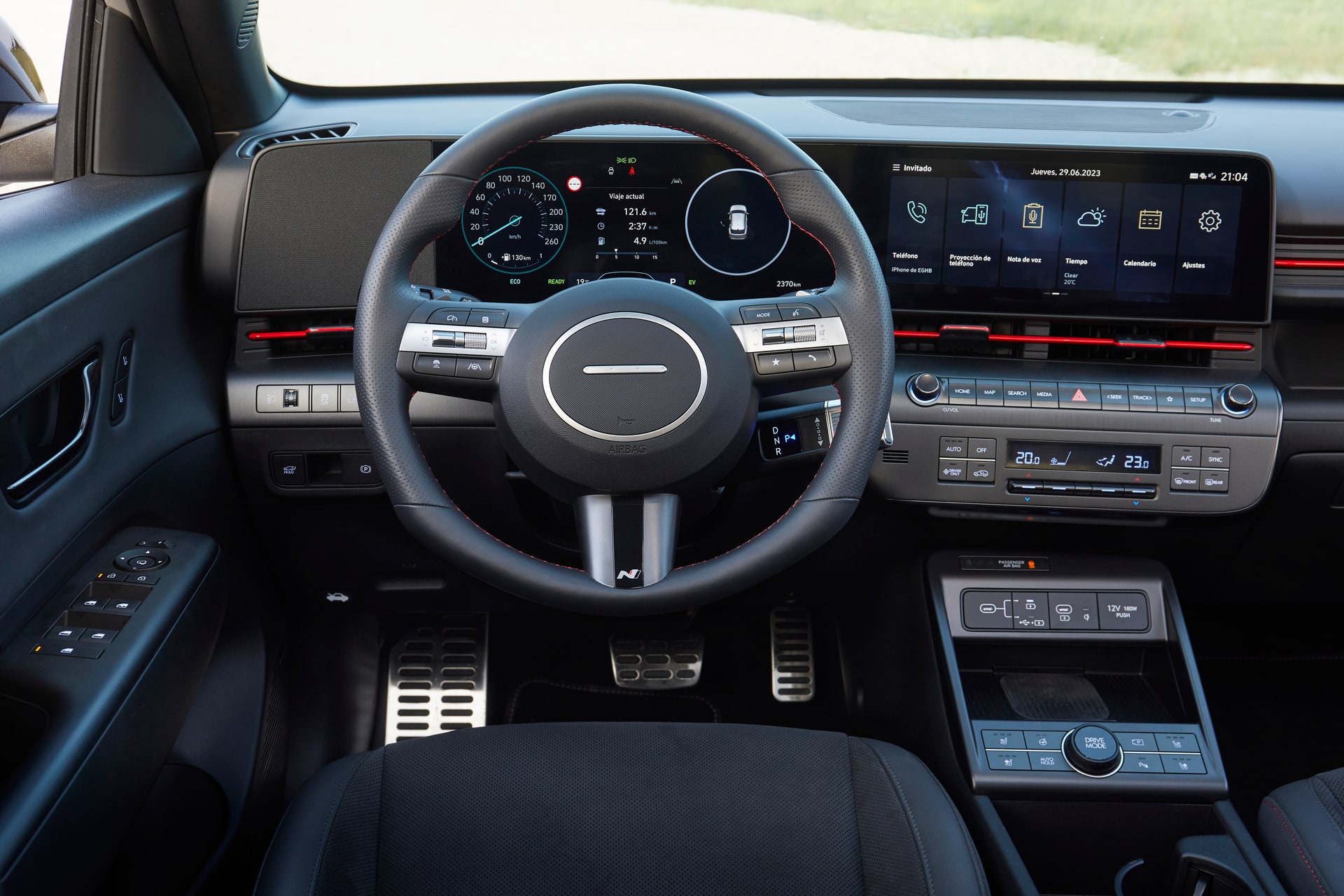
Anyone looking for an electric SUV-B in 2025 runs into an awkward question: pay more for range and technology, or settle for less to save several thousand euros? We have put the Skoda Elroq 50, the Hyundai Kona Electric and the Jeep Avenger e-Hybrid head to head. All three share the body style and segment but solve the price-equipment equation in very different ways. And it is worth saying upfront: the Avenger is not a pure electric car, it is a petrol mild hybrid. We include it because many buyers in this segment are torn between full and partial electrification, and that comparison also answers the real question people ask at the dealership.
Skoda Elroq 50 170 CV from 34,500€: the pragmatic one of the trio
The Elroq follows the formula the Volkswagen Group knows so well: MEB platform, a 55 kWh battery and a 170 CV motor that moves the car without drama but without showing off. Its argument is not raw figures, it is balance: enough range for everyday use and an entry price that makes it the most sensible choice of the three pure electric cars on the market.
| Power (kW) | Power (CV) | Top speed | Range | Battery | Fuel |
|---|---|---|---|---|---|
| 130 kW | 170 CV | 160 km/h | 380 km | 55 kWh | Electric |
Hyundai Kona Electric from 42,400€: the technology benchmark of the segment
This is where the jump in category happens. The Hyundai Kona Electric fits a 200 CV motor and a 65 kWh battery, and claims up to 510 km of homologated range, a figure that leaves the rest of the segment competing for second place. A 0-100 time of around 8 seconds does not make it a sports car, but it is the liveliest of the three when joining a motorway. The problem is the price: almost 8,000 € more than the Elroq, a gap that comfortably exceeds 15% and forces you to ask whether the extra range justifies it for each buyer.
| Power (kW) | Power (CV) | Torque | 0-100 km/h | Top speed | Range | Consumption | Battery | Fuel |
|---|---|---|---|---|---|---|---|---|
| 150 kW | 200 CV | 260 Nm | 8 s | 170 km/h | 510 km | 14.5 kWh/100 km | 65 kWh | Electric |
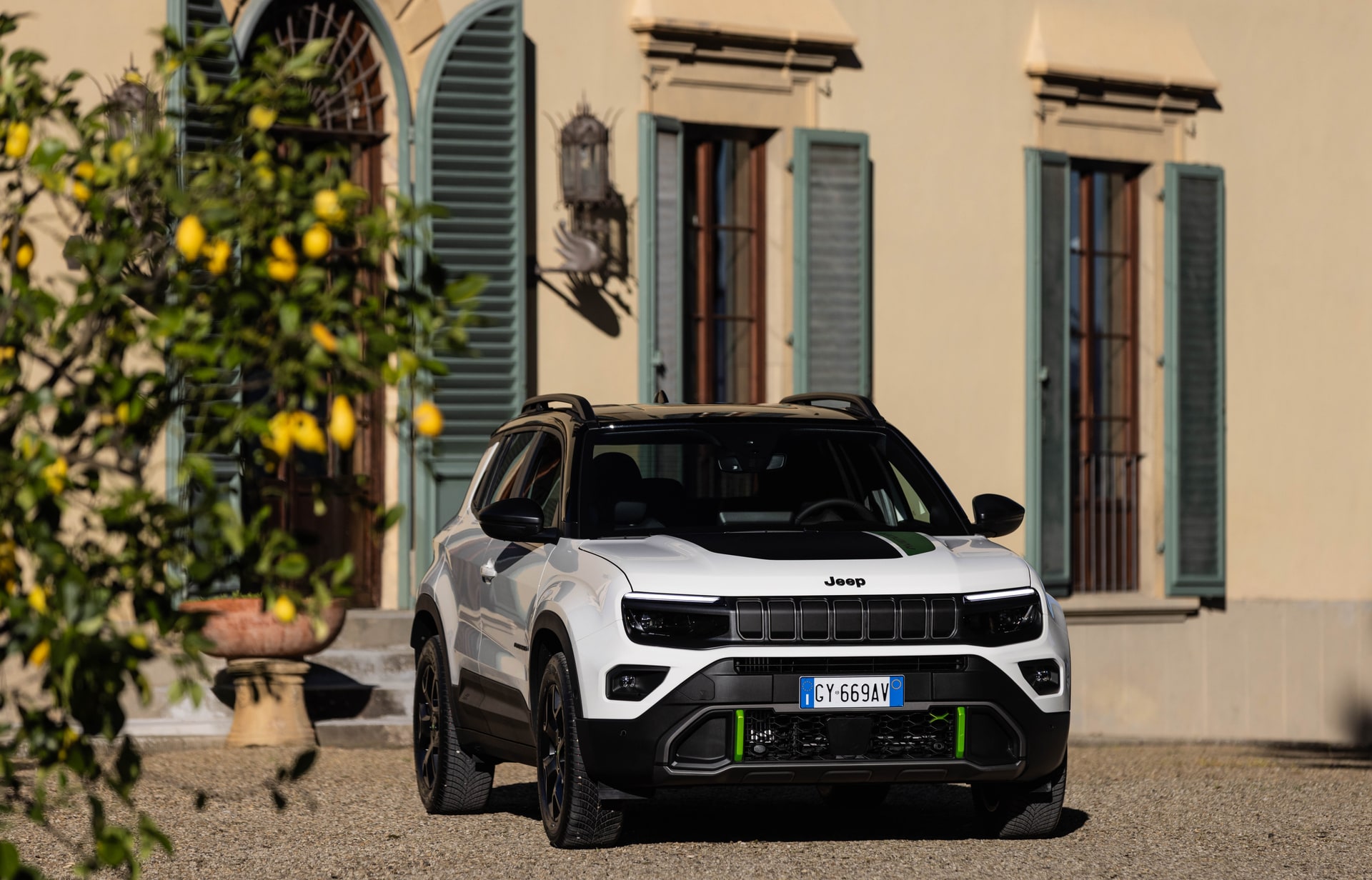
Jeep Avenger e-Hybrid from 33,700€: the mild hybrid that is not pure electric
The Avenger we compared is the e-Hybrid 1.2 145 Upland eAWD, a petrol mild hybrid with electric assistance, not a zero-emissions car. We include it because it is the lowest entry price of the three and because many SUV-B buyers arrive at this comparison unsure whether they want full electrification. With 140 CV and a homologated consumption of 5.5 l/100 km, it does not compete on electric range or on CERO label status, but it does offer something the Elroq and the Kona cannot: refuelling in three minutes and forgetting about the charging network.
| Power (kW) | Power (CV) | Top speed | Consumption | CO₂ emissions | Fuel |
|---|---|---|---|---|---|
| 100 kW | 140 CV | 190 km/h | 5.5 l/100 km | 120 g/km | Petrol/electric mild hybrid |
Real-world range and battery capacity
Between the two pure electric cars the difference is clear: the Kona promises 510 km against the Elroq’s 380 km, an advantage of more than 100 km that is especially noticeable on intercity journeys. The Korean’s larger battery (65 kWh against 55 kWh) explains much of that distance. The Avenger, relying on petrol with electric support, does not enter this kWh comparison: its “range” is measured in litres of tank, and there it wins by a landslide over any electric car.
Standard equipment and on-board technology
The Kona Electric is, of the three, the one that packs the most technology as standard in its mid-level trims: larger screens, more complete driver assistance systems and a sense of generational leap over the rest of the segment. The Elroq does not fall short, but its strength is practicality rather than technological showmanship. The Avenger, with its Stellantis origin, offers adequate equipment but a more modest digital offering.
Boot space and everyday room
The three offer similar boot capacities typical of the SUV-B segment, although the Elroq makes better use of its wheelbase for rear cabin space. None of them surprises here: this segment is not known for space, it is known for urban versatility.
Starting price and equipment-to-price ratio
The prices shown are manufacturer’s recommended retail prices (RRP), indicative and excluding dealer discounts, one-off campaigns and aid such as the Plan Auto+, which should be checked on the official website for the current amount. With that caveat: the Avenger starts at 33,700 €, the Elroq at 34,500 € and the Kona at 42,400 €. The gap between the Kona and the other two far exceeds 15%, so that figure is not a detail, it is the centre of the decision.
Where each model wins
The advantage of the Skoda Elroq
Best price-to-range ratio among pure electric cars and a very refined MEB engineering, without the Kona’s technology premium.
The advantage of the Hyundai Kona Electric
More range (510 km), more power (200 CV) and more standard technological equipment. It is, without beating around the bush, the most complete of the trio, something we already confirmed in our review of the Hyundai Kona Electric as a single urban family car.
The advantage of the Jeep Avenger
Lowest entry price and zero dependence on the public charging network, something that weighs heavily for those without a home wallbox.
| Model | Power | Range/Consumption | Starting price | Score |
|---|---|---|---|---|
| Skoda Elroq 50 | 170 CV | 380 km | 34,500 € | 7.5/10 |
| Hyundai Kona Electric | 200 CV | 510 km | 42,400 € | 8.5/10 |
| Jeep Avenger e-Hybrid | 140 CV | 5.5 l/100 km | 33,700 € | 7/10 |
Verdict: which electric SUV-B to choose based on your use case
For those who frequently make long trips and want the best available technology without leaving the B segment: the Hyundai Kona Electric. For those seeking a pure electric car without overpaying, and who are happy with 380 real km between charges: the Skoda Elroq. For those who do not yet have a place to charge or are not convinced about taking the leap to zero emissions: the Jeep Avenger e-Hybrid is the most sensible entry point, although it does not compete in the same environmental label league. The tightest equipment-to-price ratio overall remains the Elroq’s; the most complete, without question, is the Kona’s.
Frequently asked questions
Which electric SUV-B has more range, the Skoda Elroq or the Hyundai Kona Electric?
The Hyundai Kona Electric, with 510 homologated km against the Elroq’s 380 km, thanks to its 65 kWh battery versus the Skoda’s 55 kWh.
Is it worth paying almost 8,000 € more for the Hyundai Kona Electric than the Skoda Elroq?
It depends on use: if you make long trips and value standard technology, yes. If your use is mostly urban, the Elroq more than covers everyday needs for less money.
Is the Jeep Avenger compared here an electric car?
No. The version analysed is the e-Hybrid 1.2 145 Upland eAWD, a petrol mild hybrid with electric assistance, not a pure electric car like the Elroq or the Kona.
Do the prices shown include discounts or public aid such as the Plan Auto+?
No. They are manufacturer’s recommended retail prices, without dealer discounts or purchase aid. To find out the current amount of the Plan Auto+, it is best to check the official plan website.

1 Comment
Pingback: Hyundai Kona Eléctrico vs Jeep Avenger vs Opel Mokka Electric: qué SUV-B eléctrico rinde mejor en ciudad y extrarradio – Comparativa de Coches