


Buying a compact hybrid SUV in 2026 no longer means giving up equipment because of a tight budget. The Spanish market has matured enough that, under €35,000, you can find level 2 ADAS, screens of more than 10 inches, dual-zone climate control and a 360° camera as standard on trim levels that three years ago were only fitted to the top-of-the-range versions. The problem is no longer finding equipment: it is knowing which of these five models spreads it best depending on how you will use the car.
We have put five compact hybrid SUVs (HEV, not plug-in) on the scales, all on sale in Spain today with an entry price below that threshold. The criterion was not price alone: we looked at what each genuine entry-level trim comes with as standard, not the most expensive version dressed up as a “from” price.
What we assessed for this ranking of well-equipped compact hybrid SUVs
Power and WLTP consumption matter, of course, but they are not the only deciding factors. What sets these five apart is the standard equipment on the cheapest trim that is actually sold at dealerships, the warranty (there are differences of up to four years between brands) and whether level 2 ADAS is fitted from the very first step or you have to move up a trim to get the full set.
Toyota C-HR Hybrid 140, from €29,900
The C-HR has been the benchmark Japanese full hybrid for twelve years, and in its current generation this shows in how the equipment is distributed: Toyota Safety Sense, with emergency braking, lane departure warning and traffic sign recognition, comes as standard from the Active trim. What it does not give you as standard at that same level is dual-zone climate control, which requires moving up to Dynamic. Real-world consumption in town is around 4.8 l/100 km, a figure few rivals match without a plug.
| Power | WLTP consumption | Label | Fuel |
|---|---|---|---|
| 103 kW / 140 CV | 4.9 l/100 km | ECO | Petrol hybrid |
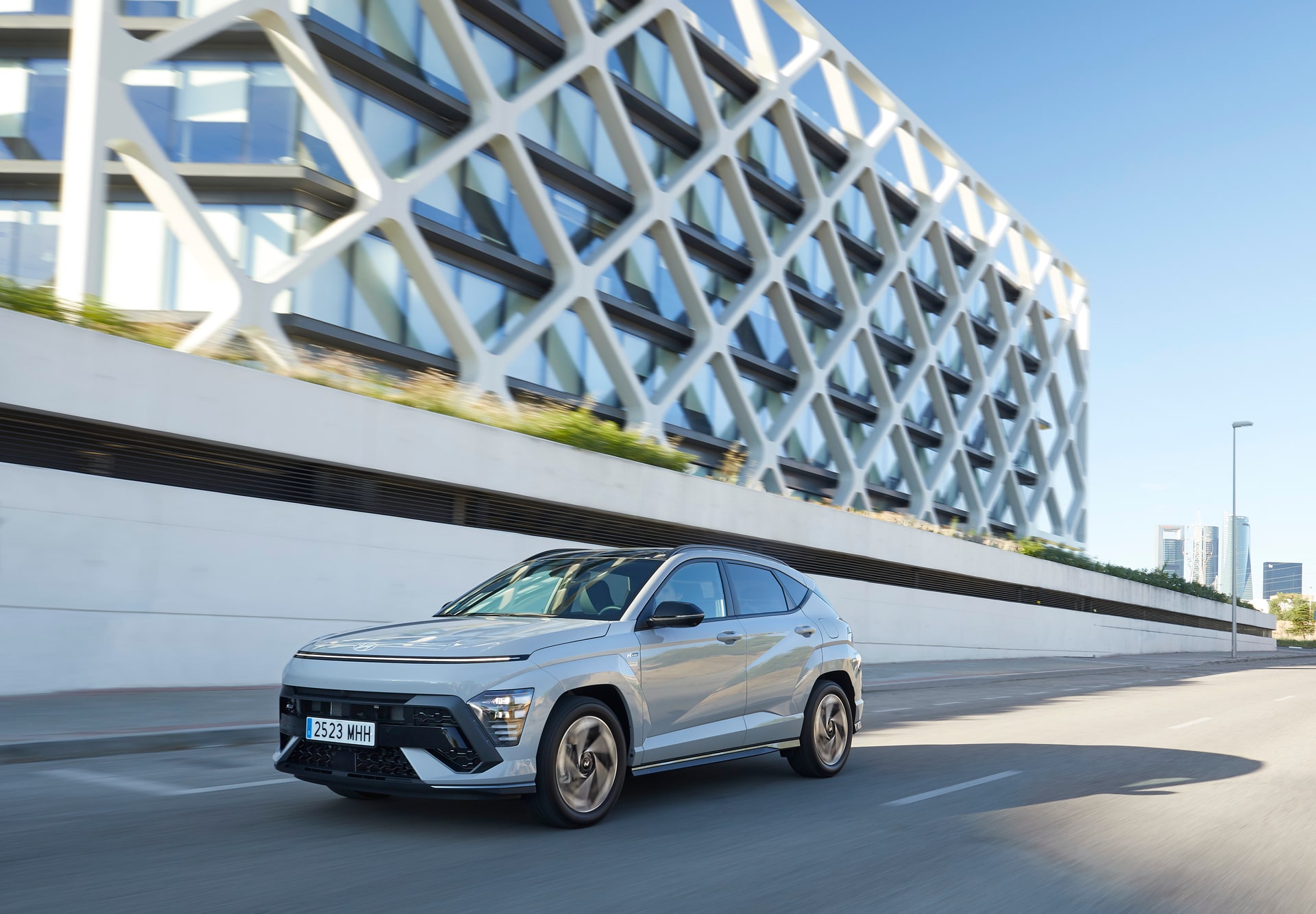
Hyundai Kona Hybrid, from €28,500
The Kona Hybrid makes up for what it lacks in driving character compared with the C-HR with generous standard equipment lists. Full ADAS, dual 12.3-inch screens and a rear-view camera on the entry trim: that makes the Kona the most complete “from the factory” in this group without forcing the buyer to move up a version. Its 466-litre boot also beats most of the group.
| Power | WLTP consumption | Label | Fuel |
|---|---|---|---|
| 104 kW / 141 CV | 4.4 l/100 km | ECO | Petrol hybrid |
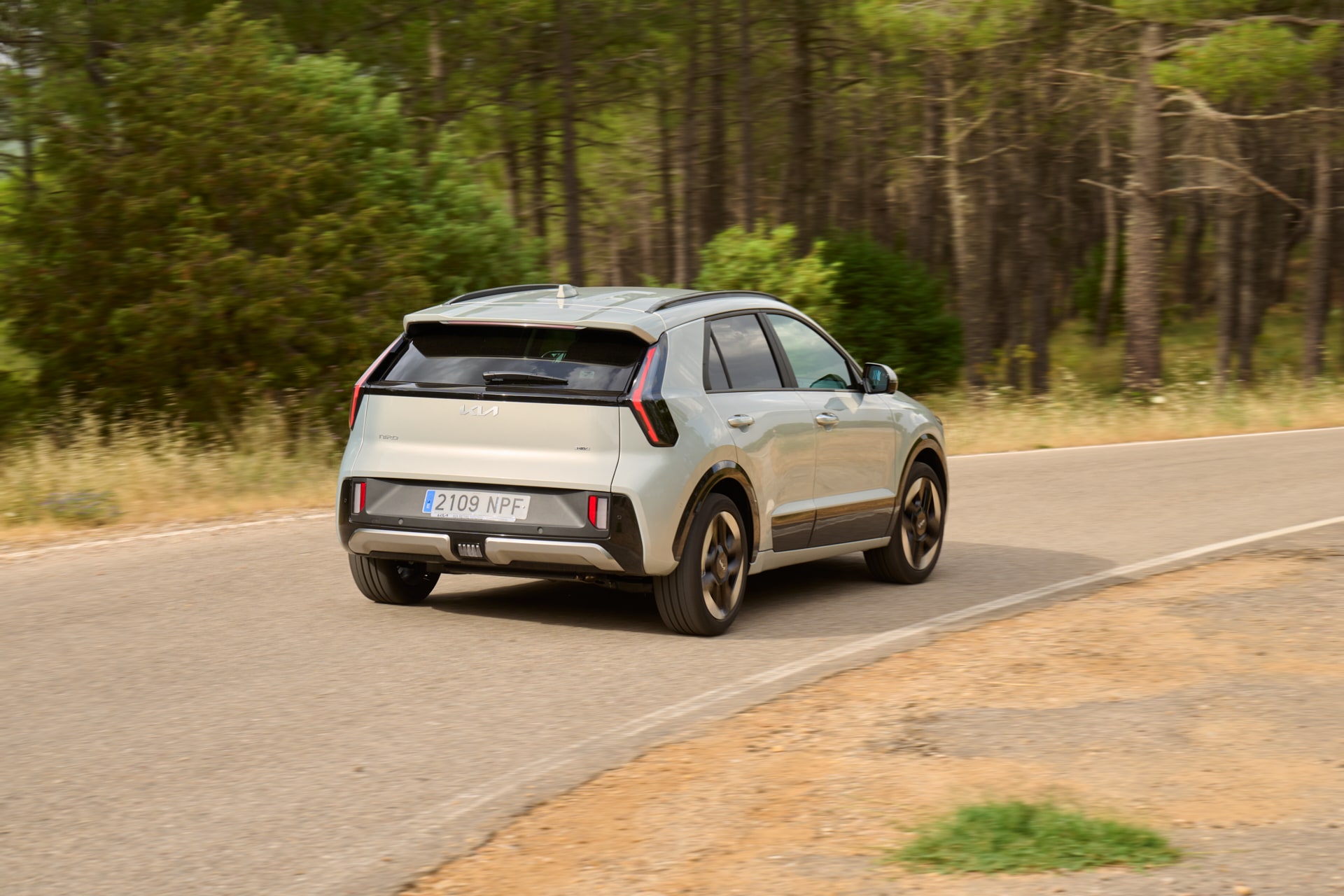
Kia Niro Hybrid, from €29,900
The Kona Hybrid’s mechanical sibling offers something no other car on the list matches: seven years or 150,000 km of warranty, double that of Toyota and almost triple that of Renault. The standard equipment is practically identical to the Kona’s, with the difference of a more digital interior design and a slightly smaller boot (451 litres). If your priority is to forget about the car for a decade, here is the decisive argument.
| Power | WLTP consumption | Label | Fuel |
|---|---|---|---|
| 105 kW / 141 CV | 4.4 l/100 km | ECO | Petrol hybrid |
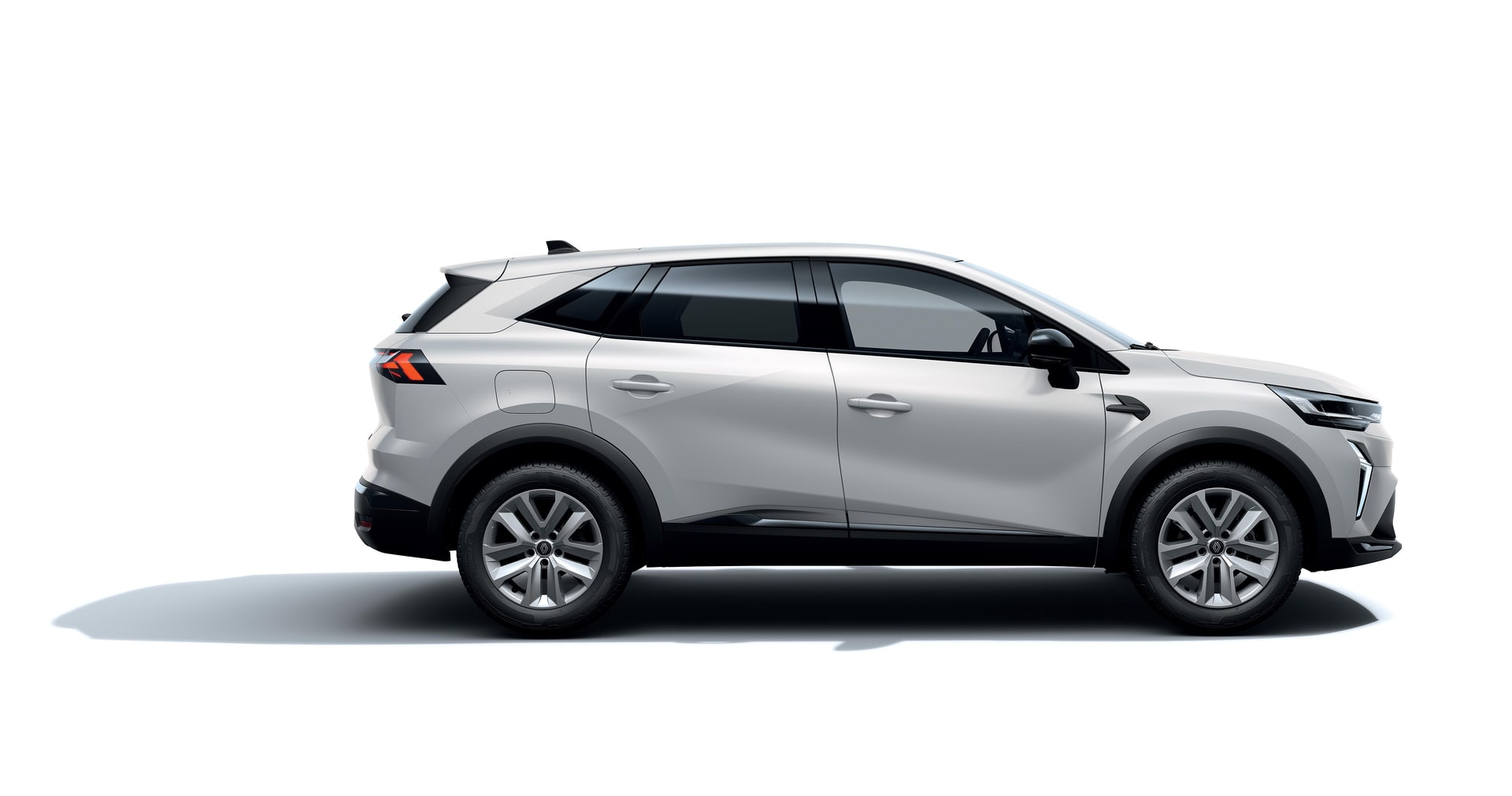
Renault Symbioz E-Tech full hybrid, from €29,500
The Symbioz is the most recent of the five and it shows in the dashboard: a 10.4-inch OpenR Link screen with Google built in, a wireless charger and full ADAS as standard from the Evolution trim. What it lacks compared with the Korean cars is warranty length: its commercial cover stops at 5 years against Kia’s 7. The 492-litre boot is the largest in the group.
| Power | WLTP consumption | Label | Fuel |
|---|---|---|---|
| 107 kW / 145 CV | 4.6 l/100 km | ECO | Petrol hybrid |
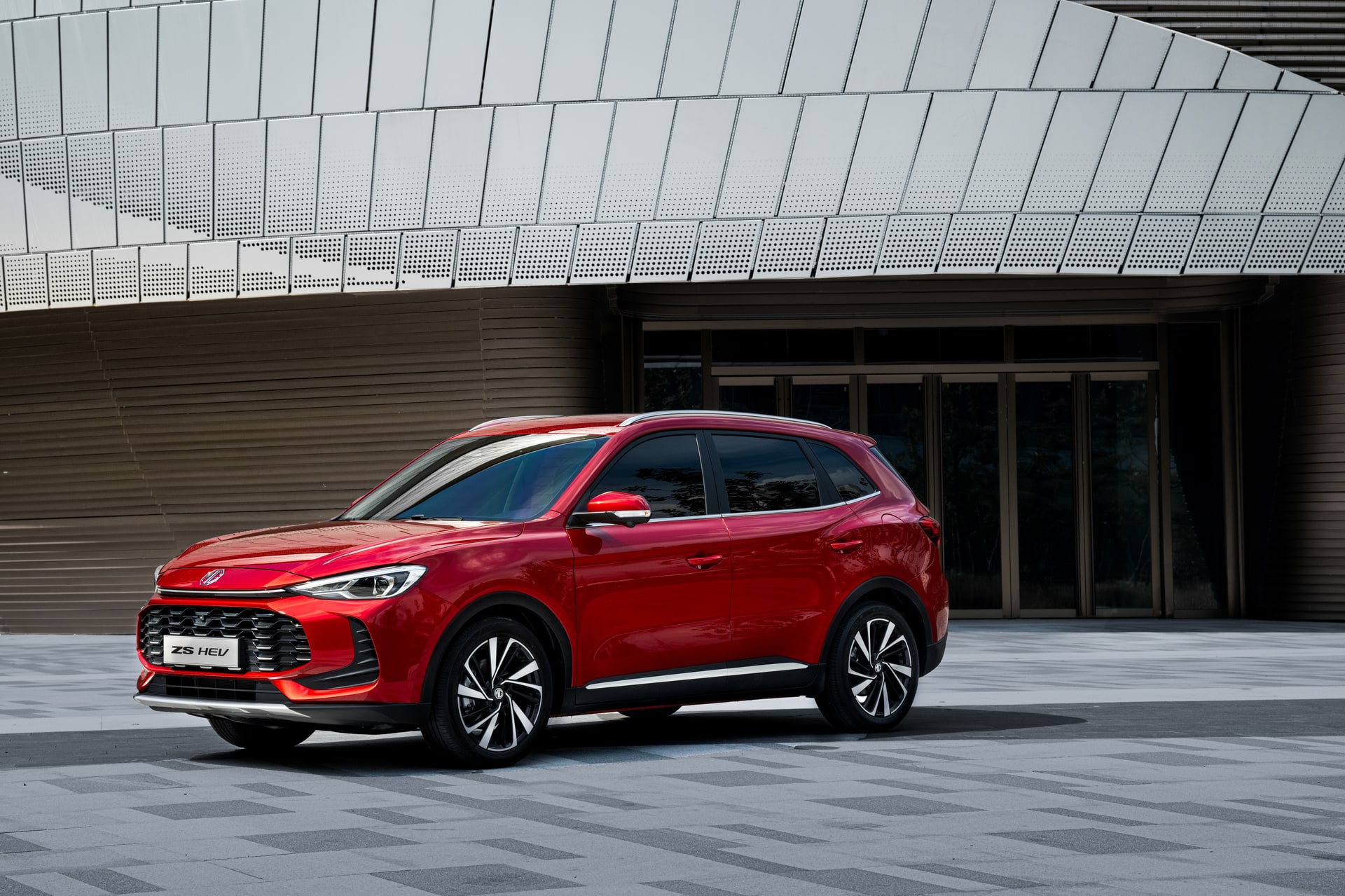
MG ZS Hybrid+, from €24,500
Here is the surprise of the ranking and, for many readers, the answer to the real question: how much compact hybrid SUV you can buy without going over €25,000. The ZS Hybrid+ arrives with level 2 ADAS, a 12.3-inch screen and dual-zone climate control as standard on its single trim, plus a 7-year or 150,000 km warranty. The price difference compared with the C-HR exceeds 20%, something that cannot be ignored in the final verdict.
| Power | WLTP consumption | Label | Fuel |
|---|---|---|---|
| 144 kW / 196 CV | 4.6 l/100 km | ECO | Petrol hybrid |
Summary table: the 5 best-equipped compact hybrid SUVs under €35,000
| Model | Price from | Power | Warranty | Key equipment | Score /10 |
|---|---|---|---|---|---|
| Toyota C-HR Hybrid 140 | €29,900 | 140 CV | 3 years (up to 10 with servicing) | ADAS as standard, exterior design | 7.8 |
| Hyundai Kona Hybrid | €28,500 | 141 CV | 5 years | Dual 12.3″ screens, roomy boot | 8.3 |
| Kia Niro Hybrid | €29,900 | 141 CV | 7 years / 150,000 km | Class-leading warranty, digital finish | 8.5 |
| Renault Symbioz E-Tech | €29,500 | 145 CV | 5 years | 492 l boot, OpenR Link with Google | 8.1 |
| MG ZS Hybrid+ | €24,500 | 196 CV | 7 years / 150,000 km | Price, power and warranty in a single package | 8.0 |
Verdict: which compact hybrid SUV to choose for your situation
For city driving and short daily trips, without the hassle of moving up trim levels: Hyundai Kona Hybrid. It spreads its equipment best already on its entry trim, and the boot will not give you any trouble with the weekly shop.
For those who want long-term peace of mind and plan to keep the car for eight or ten years: Kia Niro Hybrid. The 7-year warranty outweighs any equipment difference between these five.
For a tight budget without giving up ADAS or power: MG ZS Hybrid+. It costs up to 20% less than the Toyota C-HR and the Renault Symbioz, and still delivers more horsepower than either of them. That said, the brand does not yet have the after-sales network of a Toyota or a Hyundai in Spain, something worth bearing in mind if you live far from an official workshop.
For long family trips, with boot space coming first: Renault Symbioz E-Tech, with its 492 litres and a screen you will appreciate on the road.
The Toyota C-HR remains the most mechanically solid and the one with the best resale value, but in this ranking focused on standard equipment it sits a step below its Korean rivals. If proven reliability is your thing and you do not mind paying a little more for it, it is still a legitimate choice; if you prioritise what you get from the factory for your money, the other four win out.
If your budget is tighter still, it is worth reading how to choose a hybrid SUV for under €28,000 based on warranty and standard equipment, where the room for manoeuvre changes quite a bit. And if what concerns you is what the entry trim really includes without having to pay for extras, this analysis of standard equipment on hybrid SUVs is a good complement to this comparison.
Frequently asked questions about compact hybrid SUVs under €35,000
Which compact hybrid SUV has the best standard equipment for under €30,000?
The Hyundai Kona Hybrid and the Kia Niro Hybrid tie on standard equipment (full ADAS, dual screens, dual-zone climate control), with the Niro also offering a notably longer warranty.
Is the MG ZS Hybrid+ worth it compared with a Toyota or a Hyundai?
If price is your main criterion, yes: it costs several thousand euros less and keeps ADAS and a 7-year warranty. The difference lies in its after-sales network and brand image, which are still smaller than those of its Japanese and Korean rivals.
Is there public financial support for buying a hybrid SUV in 2026?
Non-plug-in hybrids (HEV) are usually left out of the direct incentives of the Plan Auto+, which are aimed mainly at electric cars and PHEVs. Always check the plan’s official website before ruling the option in or out.
What is the difference between a full hybrid and a plug-in hybrid in this price range?
All five models in this ranking are HEVs: they recharge the battery only through the engine and regenerative braking, with no need to plug them in. That simplifies everyday use, although range in pure electric mode is very limited compared with a PHEV.

3 Comments
Pingback: Los 5 SUV-B con mejor equipamiento de serie por debajo de 25.000€ en 2026 – Comparativa de Coches
Pingback: Los 5 SUV-C híbridos con mejor relación potencia-precio por debajo de 32.000€ en 2026 – Comparativa de Coches
Pingback: Los 5 SUV-B híbridos autorrecargables con mayor equipamiento de serie por debajo de 28.000€ en 2026 – Comparativa de Coches