

The combined WLTP figure is useful for comparing brochures, not for knowing how much you will spend commuting with traffic lights every 200 metres. In the city, with constant starting and stopping, the real-world consumption of a petrol city car bears little resemblance to the figure on the spec sheet, and that is where mild hybrids (MHEV) make a difference compared with a conventional naturally aspirated petrol engine. We have reviewed five segment A and B models, all under €20,000, with the question that really matters: which one uses the least fuel when what you do is city, city and more city?
What we mean by "real-world city consumption" in this ranking
Not all the cars on this list have mild hybrid technology. We make that clear from the outset because it is the most relevant technical difference in the group: a 12V or 48V MHEV recovers energy under braking and assists the engine in the first few metres, exactly where a pure naturally aspirated engine burns the most petrol. That translates into lower consumption in dense traffic and, almost always, the DGT ECO label. The conventional petrol cars in this ranking make up for it with proven reliability or a lower price, but they start at a disadvantage on the ground that concerns us here: the red light every two blocks.
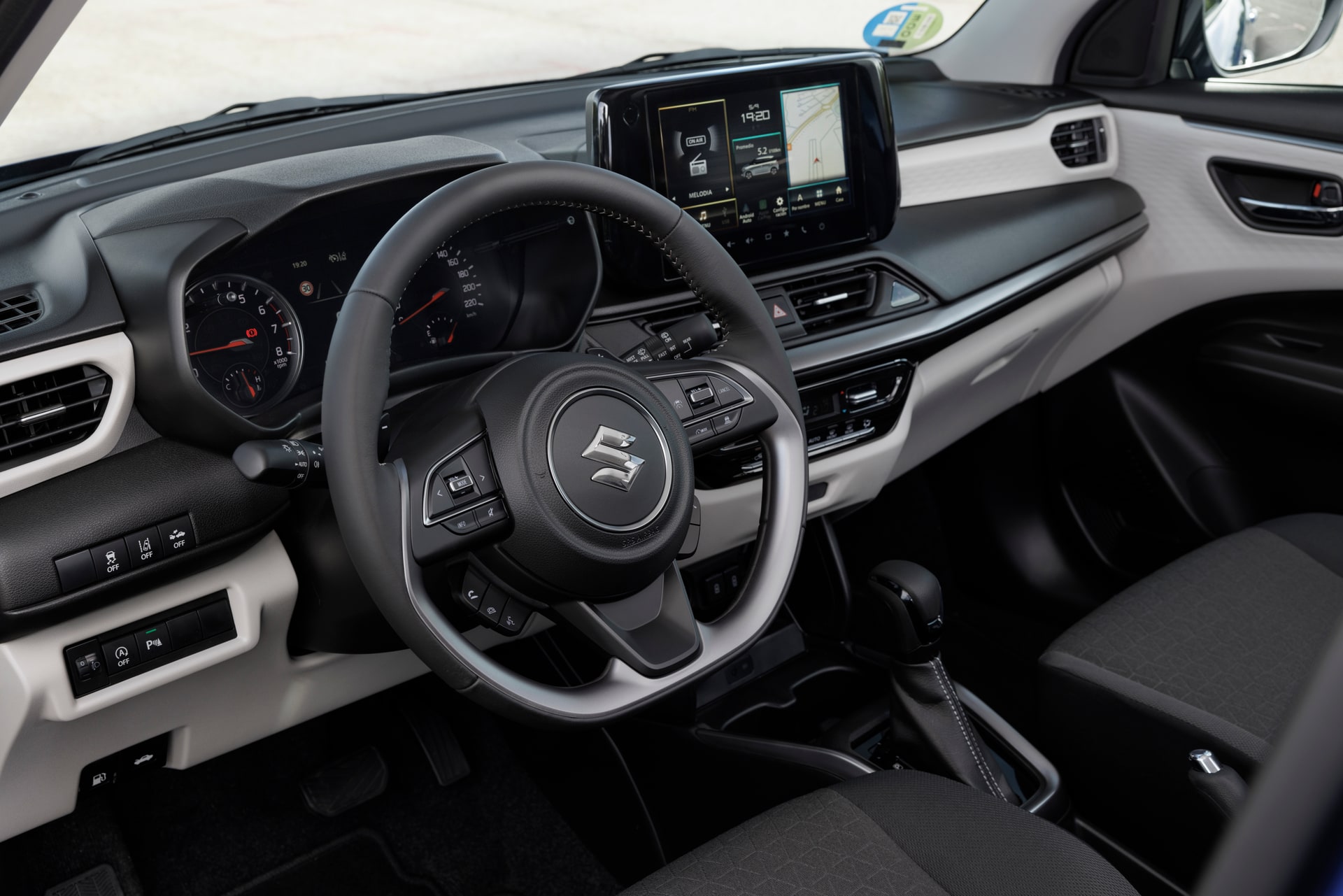
1. Suzuki Ignis Mild Hybrid — the most efficient in urban traffic
Of the five, the Ignis is the one that best integrates mild hybrid technology into its everyday behaviour. Its 1.2 Dualjet with 12V electric assistance is especially noticeable in urban driving: the electric motor pushes in the first few metres and stops the petrol engine from working at its least efficient point. The result is an homologated consumption that drops below 5 l/100 km on the combined cycle, something you notice at the fuel pump on real city journeys.
What it does not have is room to spare. The 267-litre boot is decent for the segment, but the Ignis feels cramped in the rear seats for two tall adults.
| Power (CV) | Power (kW) | Combined consumption | Label | Fuel |
|---|---|---|---|---|
| 83 CV | 61 kW | 4.9 l/100 km | ECO | Petrol MHEV |

2. Fiat Panda Hybrid — the cheapest MHEV in the ranking
The Panda Hybrid is the most affordable entry point to genuine mild hybrid technology under €15,000. Its 70 CV 1.0 Firefly with 12V electric assistance is not the most powerful in the group, and you notice it when overtaking, but in the city it more than does the job and its consumption is around 4.8 l/100 km combined, the lowest on paper in the whole ranking.
The small print: the interior shows its origins on an ageing platform, with materials that feel a notch below the Ignis or the i10. If all you want is to spend little, it does not matter; if you want to feel you are in a modern car, it is a mark against.
| Power (CV) | Power (kW) | Combined consumption | Label | Fuel |
|---|---|---|---|---|
| 70 CV | 51 kW | 4.8 l/100 km | ECO | Petrol MHEV |
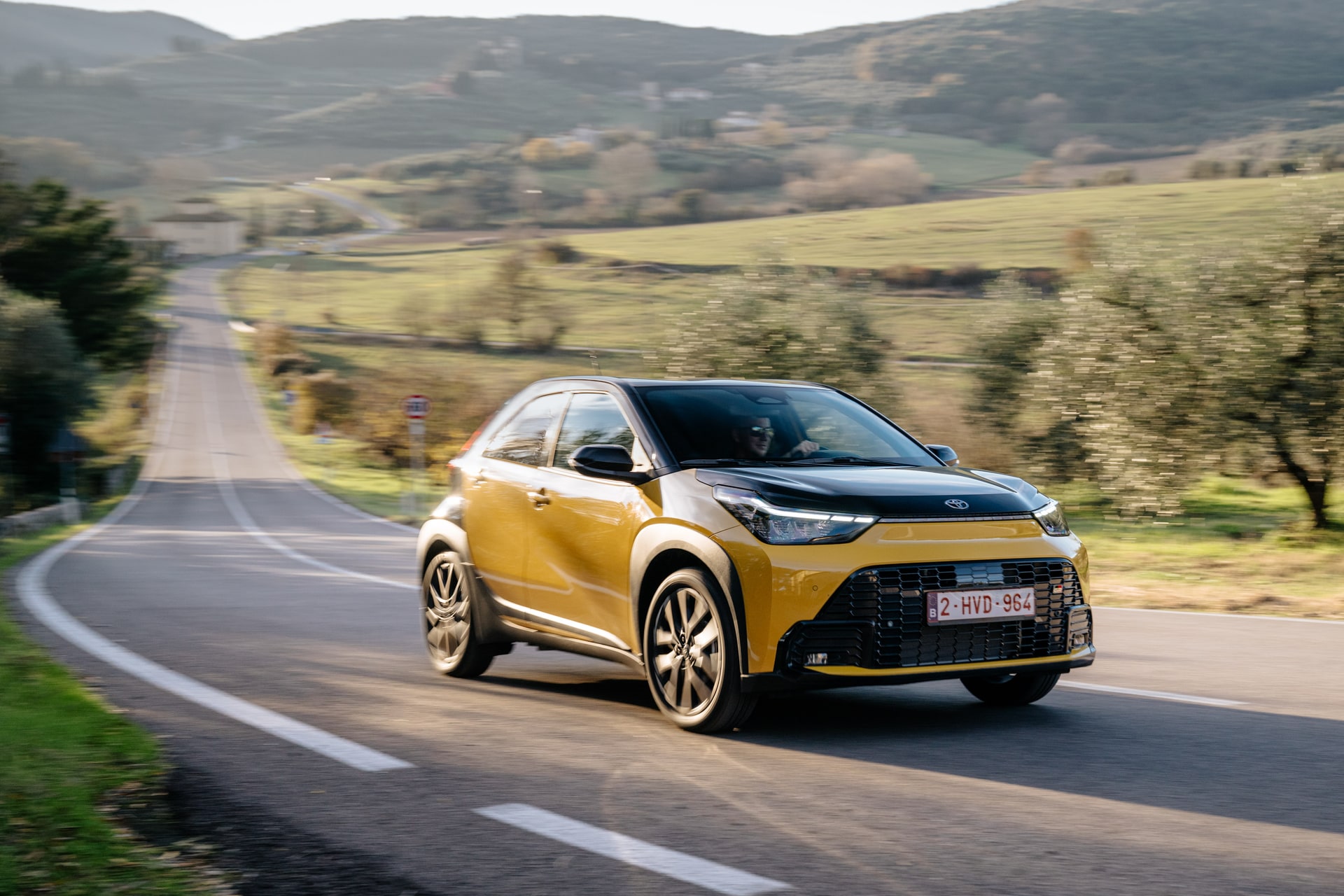
3. Toyota Aygo X — reliability and resale value ahead of pure consumption
Here we have to be honest: the Aygo X has no mild hybrid system; it is a good old naturally aspirated 1.0 VVT-i, with the C label rather than ECO. Its combined homologated consumption is around 4.8 l/100 km, but in real city driving, without the electric assistance of its rivals on this list, it tends to end up somewhat above that in dense traffic.
So what is it doing here? It compensates with what Toyota does better than anyone: long-term reliability and a resale value on the second-hand market that no rival in this group matches. For anyone thinking about total cost over five years, not just litres per 100 km, the calculation changes.
| Power (CV) | Power (kW) | Combined consumption | Label | Fuel |
|---|---|---|---|---|
| 72 CV | 53 kW | 4.8 l/100 km | C | Petrol |
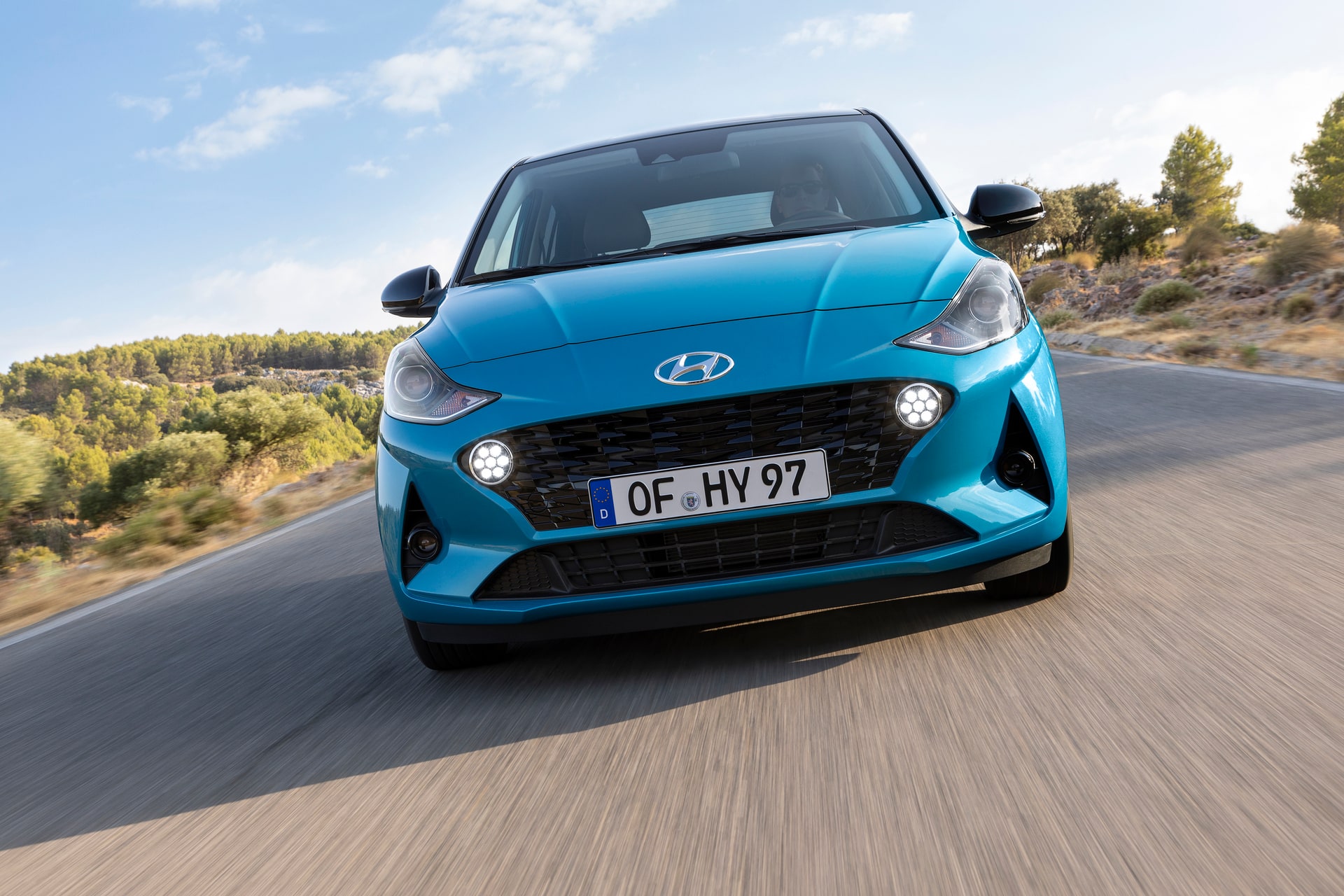
4. Hyundai i10 — a balance between space and running costs
The i10 does not offer mild hybrid technology in its petrol range either, which places it below the top two in pure urban consumption. What it offers in return is the most generous cabin in the group for its exterior size, with a 252-litre boot and rear seats where two adults genuinely fit without discomfort.
Its 84 CV 1.2 MPI uses a little more than the Ignis or the Panda in traffic, with real-world figures that tend to be around 5.5-6 l/100 km in the city with the air conditioning on and several occupants. It is not the most economical, but if your daily use regularly includes carrying more than one person, the space argument carries weight.
| Power (CV) | Power (kW) | Combined consumption | Label | Fuel |
|---|---|---|---|---|
| 84 CV | 62 kW | 5.3 l/100 km | C | Petrol |
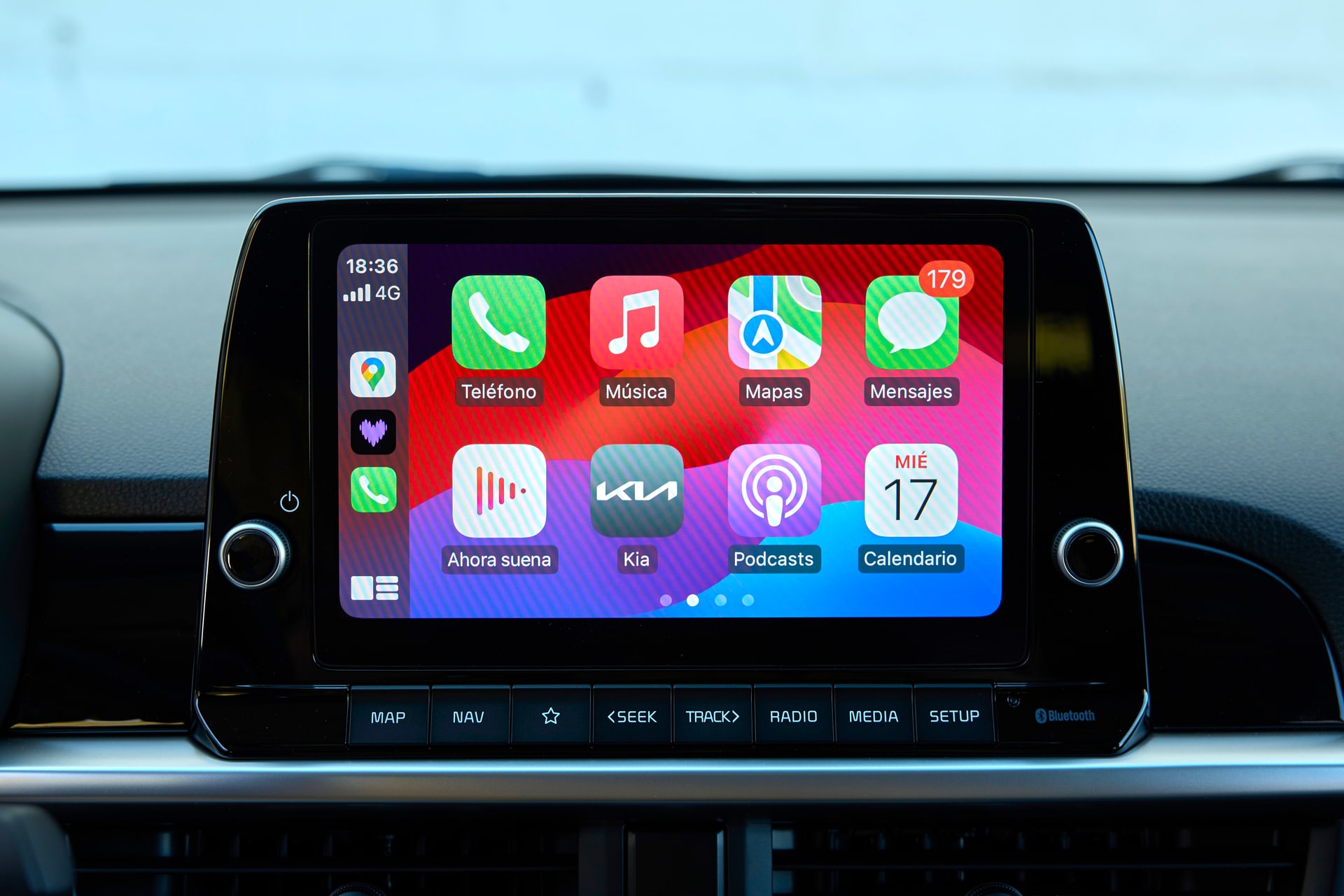
5. Kia Picanto — the Korean twin with more equipment
It shares its mechanical platform with the i10, but the Picanto stands out for somewhat more complete standard equipment in its mid-range trim levels and, above all, for Kia’s 7-year warranty, the longest in this whole ranking. In consumption it sits in the same range as its Korean cousin, with no mild hybrid and similar real-world city figures.
If you have to choose between the i10 and the Picanto for something other than consumption, the warranty tips the balance.
| Power (CV) | Power (kW) | Combined consumption | Label | Fuel |
|---|---|---|---|---|
| 67 CV | 49 kW | 5.0 l/100 km | C | Petrol |
Comparison table of the 5 petrol city cars under €20,000
| Model | Starting price | Boot | Warranty | Combined consumption | Label | Score |
|---|---|---|---|---|---|---|
| Suzuki Ignis Mild Hybrid | €17,200 | 267 l | 3 years | 4.9 l/100 km | ECO | 8.5/10 |
| Fiat Panda Hybrid | €14,700 | 225 l | 2 years | 4.8 l/100 km | ECO | 7.8/10 |
| Toyota Aygo X | €16,650 | 231 l | 3 years (up to 10 with servicing) | 4.8 l/100 km | C | 7.9/10 |
| Hyundai i10 | €13,750 | 252 l | 5 years | 5.3 l/100 km | C | 7.5/10 |
| Kia Picanto | €13,990 | 255 l | 7 years | 5.0 l/100 km | C | 7.9/10 |
Which model to choose depending on your use case
For anyone who does pure city driving, with traffic jams and few motorway miles, the Suzuki Ignis Mild Hybrid wins. It is the only one of the five where the electric assistance genuinely shows in real-world consumption, and its ECO label opens doors in traffic restrictions that are closed to the Aygo X, the i10 or the Picanto.
If budget rules and €20,000 is more of a ceiling than a floor, the Fiat Panda Hybrid offers the cheapest entry to mild hybrid technology, albeit at the cost of an interior that shows its age.
For anyone thinking about total cost over five years, including resale, the Toyota Aygo X makes up for its lack of an ECO label with a depreciation rate that no rival on this list matches.
If real-world use involves carrying passengers frequently, the Hyundai i10 gives more usable space than any other in the group.
And if the priority is long-term peace of mind with no workshop surprises, the Kia Picanto and its 7-year warranty are hard to argue with, even though its urban consumption is no better than the i10’s.
The price difference between the Ignis (€17,200) and the i10 (€13,750) is over 20%, so choosing the Suzuki only makes sense if intensive urban use justifies that extra cost on your petrol bill in the medium term. Anyone also looking for other, slightly larger segment B alternatives can check out the comparison of the Renault Clio, SEAT Ibiza and Volkswagen Polo, where consumption stops being the only variable at play.
Frequently asked questions
Which petrol city car uses the least fuel in the city for under €20,000 in 2026?
The Suzuki Ignis Mild Hybrid is the one that performs best in real urban traffic, thanks to its 12V electric assistance, with a homologated combined consumption of 4.9 l/100 km and the ECO label.
Is it worth paying more for an MHEV rather than a conventional petrol car?
It depends on use. If most of your miles are urban with frequent stops, mild hybrid technology reduces consumption noticeably. If you do more motorway than city driving, the difference compared with a naturally aspirated car such as the Hyundai i10 or the Kia Picanto narrows considerably.
Why does the Toyota Aygo X not have mild hybrid technology if Toyota is a pioneer in hybrids?
Toyota reserves its self-charging Hybrid technology for higher-end models such as the Yaris. The Aygo X is sold in Spain only with the 1.0 VVT-i petrol engine without electric assistance, compensating with reliability and good resale value.
Are there public subsidies for buying these petrol city cars in 2026?
The state subsidies under the Plan Auto+ are designed mainly for plug-in electrified and electric vehicles, not for conventional petrol or light mild hybrid cars. It is worth checking the plan’s official website for the current conditions before ruling out or confirming a specific subsidy.
